Best Air Fryer for Baking in 2026: Buying Guide for Cakes, Muffins and More
Disclosure: We may earn a commission when you buy through links on this page, at no extra cost to you. As an Amazon Associate I earn from qualifying purchases. Learn more
The best air fryer for baking fits your pans and counter. Compare basket, oven style and dual basket models.
Saturday morning, you want muffins for the kids, but heating the full oven warms the whole kitchen and takes forever. A countertop air fryer can handle that batch faster, as long as it fits your pans and your space. This guide to the best air fryer for baking helps you choose by household size, counter room, and budget, and the product table lists current options.
Baking asks more of an air fryer than fries do. Batter needs steady heat, room to rise, and a pan that sits flat, so capacity numbers alone can mislead you. The sections below walk through sizes, types, and features in the order you should weigh them at home.


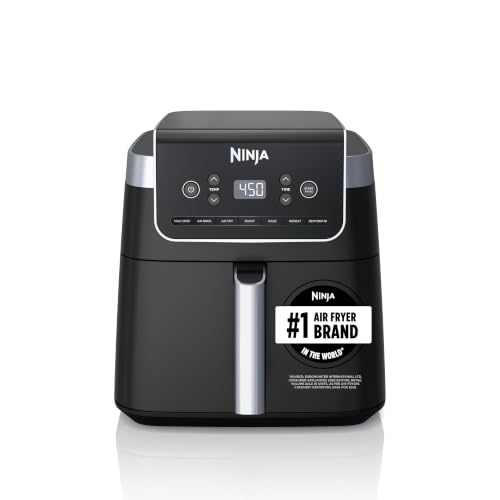


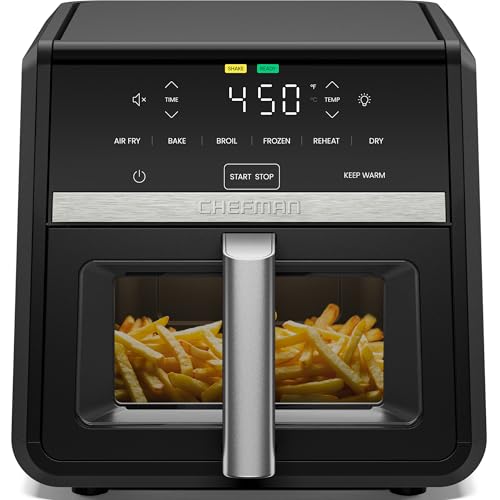
Quick Answer: Start With the Style That Fits Your Home
For most homes, a midsize single basket model in the 5 to 6 quart range is the easiest place to start, since it fits a small cake pan or a batch of muffins and still stores without a fight. If counter space is tight, start with our guide to the best small air fryer and accept smaller batches as the trade off. Larger households that bake often usually do better with an oven style model that holds a wider pan.
Think in three broad styles rather than a long list of models. Basket models suit quick bakes, oven style models suit casseroles and taller loaves, and dual basket models suit families cooking dinner and a bake at once, though each side is narrow.
Before You Buy: A Quick Checklist for Choosing an Air Fryer for Baking
Size: Match It to Your Space and Your Pans
Capacity in quarts tells you volume, but the shape of the cooking chamber decides what you can actually bake. A tall narrow basket may hold plenty of fries yet fit only a small round pan, while a wider chamber of the same volume takes a loaf pan or a small baking dish. Measure the pans you own, compare them with the interior width the maker lists, and leave room around the pan so hot air can move.
Which Type Fits Your Routine
Basket models are the simplest for daily use, with one drawer to load, wash, and store, and they preheat fast for muffins, scones, and small cakes. Oven style models open like a small oven, hold racks at more than one height, and suit casseroles and flatbreads that need a wide surface. Dual basket models cook two foods at once, which helps busy weeknights, but each basket is narrow.
Features Worth It (and Ones to Skip)
A viewing window is worth paying for if you bake often, since opening the drawer to check on a cake lets heat escape and can sink a rising batter. A shake reminder helps fries but matters little for baking, so skip it if it adds cost. A dehydrator setting, a rotisserie spit, and a long list of preset programs rarely change baking results, so treat them as extras. A clear digital control with small temperature steps does help, since you can nudge heat down for delicate bakes.
Wattage, Power and Energy Use
Most countertop models draw about 1200 to 1800 watts, and higher wattage usually means faster preheating rather than better baking. The practical question at home is whether the unit shares a circuit with a kettle or microwave, since running two strong appliances at once can trip a breaker. Baking in a small chamber still uses less energy than heating a full size oven for one small batch. Check cord length too, since the unit needs a grounded outlet nearby.
Safety Features and Certifications
Look for a recognized safety listing such as UL or ETL on the label, which means the model was evaluated against United States safety standards. An automatic shut off when you open the drawer, plus a cool touch exterior, matters in homes with kids who wander in while a bake cools. Keep the area around the vents clear while it runs, and set the unit on a heat safe surface.
Counter Space and Dimensions
Measure your counter before you fall for a larger model, including the space under your upper cabinets. Many models vent from the back or top, so the footprint on paper understates the room the unit needs in use. If you plan to store it in a cabinet, check its weight and its height with the handle included, since a model you dread lifting will end up unused.
Realistic Budget Ranges
Under about $50, expect compact models with basic dials and small chambers suited to one or two servings. From about $50 to $100, you gain larger baskets, digital controls, and steadier temperature settings. From about $100 to $150, oven style designs and dual basket layouts become common, along with windows and extra racks. Above about $150 to $200, you pay for build quality and quieter fans rather than better baking results, so spend there only if you bake several times a week.
Types Compared: What Each Style Does Best for Baking
Single Basket Models for Everyday Bakes
A single basket is the workhorse choice for muffins, banana bread in a small loaf pan, and a round snack cake. Heat wraps around one chamber with few settings to learn, and cleanup is one drawer and one crisping plate. The limit is batch size, since a second batch waits while the first cools.
Oven Style Models for Wider Pans and Taller Bakes
Oven style models give you a door, racks, and a chamber shaped more like the oven you already know, which makes them the natural fit for casseroles, focaccia, and a tray of hand pies. Rack positions let you move a bake farther from the top element when the crust browns fast. The trade off is size and cleaning, since doors, drip trays, and rack grooves take more effort than a single drawer. Choose this style when pan width, not speed, is your main limit.
Dual Basket Models for Families Baking Alongside Dinner
Dual basket models split capacity into two chambers that run at different settings, so one side can hold rolls while the other cooks the main dish. A sync finish option can line up both sides to end together. For baking alone, though, each chamber is narrow, and many standard pans will not fit, so this style suits families who cook two items at once often.
Living With It: What Really Matters Day to Day
The best air fryer for baking in a real home is the one your household actually reaches for, and that comes down to routine more than raw power. A unit that preheats in a few minutes turns a weeknight bake of cornbread or a small crumble into an easy habit. Storage matters just as much, since a model that lives on the counter gets used, while one buried in a deep cabinet does not.
Materials shape daily care and peace of mind. If you prefer to limit coated surfaces in your kitchen, our guide to the best non toxic air fryer explains the main options and what to check on a product page. For the bigger picture, see our guide to the best air fryer and our take on air fryer vs convection oven. Noise is worth a thought in open plan homes too, since a loud fan running during homework or a call gets old fast.
Simple controls help teens bake safely on their own. If you are new to the appliance, start with how to use an air fryer before your first bake, since basics on loading and spacing prevent most early disappointments.
Common Buying Mistakes to Avoid
- Buying by quarts alone: a large volume in a narrow chamber still rejects your loaf pan, so check interior width before you order.
- Ignoring the space above the unit: heat and steam need room to escape, and a model squeezed under low cabinets can damage the finish over time.
- Paying for presets you will never use: a long program list does not bake a cake better than clear manual temperature and time controls.
- Skipping the cost of extras: liners, spare racks, and replacement baskets add up, so check accessory prices before you commit to a style.
- Choosing the biggest model for a small household: oversized units preheat slower for tiny bakes and crowd the counter every single day.
Cost of Ownership and Care
Running costs stay modest, since a small chamber uses less electricity per bake than a full oven, and the savings show up mainly on small batches. Ongoing spending goes to parchment liners, replacement crisping plates when coatings wear, and extra pans bought to fit the chamber. A model with pricey or scarce spares can cost more over its life than its purchase price suggests.
Care is simple if you stay on top of it. Wash the basket and plate after bakes that involve batter drips or cheese, since sugary residue bakes on hard and smokes on the next run. Our step by step guide to how to clean an air fryer covers the heating element and the fan area as well. Store the unit dry with the basket slightly open.
FAQ
Can you bake a cake in an air fryer without a special pan?
You can use any oven safe pan that fits with room to spare around the sides, including metal, silicone, and ceramic dishes you already own. Avoid glass dishes not rated for rapid heat changes, since the strong airflow heats surfaces fast. Leave the pan uncovered so the top can set, and choose a smaller pan if yours nearly touches the walls.
Why do baked goods brown on top before the center is done in an air fryer?
The heating element sits close above the food, and the fan pushes that heat straight down, so the surface cooks faster than in a still oven. Cover the pan loosely with foil once the top reaches the color you want, then let the center finish gently. Thicker batters in deep pans show this gap most, while shallower pans bake more evenly.
Do you need to preheat an air fryer before baking?
For most bakes, yes, a short preheat of about three to five minutes helps the batter start rising right away and gives a more even crumb. Items that go into a cold basket often spread more and set with a dense base. Frozen bakes and sturdy items like garlic bread are more forgiving if you skip it.
Can parchment paper be used in an air fryer while baking?
Yes, if you use perforated liners made for air fryers or cut plain parchment to sit under the food, and you weigh it down with batter or dough before the fan starts. Loose paper on its own can lift into the element and scorch, which is a fire risk. Never run the unit empty with paper inside during preheating.
How long does an air fryer usually last in a home kitchen?
With regular care, most models serve a household for about three to five years, and the coating on the basket is usually the first part to show wear. Gentle washing and keeping the element free of grease extend that span, and a warranty of at least one year is a fair baseline when you compare styles.
Final Thoughts
Start with your pans, your counter, and the number of people you bake for, and the right style usually picks itself. The product table above pulls the main options together so you can compare chamber shape, size, and cost at a glance. Choose the best air fryer for baking for the way your household actually cooks, and it will earn its counter space week after week.