
Best Air Force OCP Boots for 2026: Which Pair Fits the Way You Serve?
Disclosure: We may earn a commission when you buy through links on this page, at no extra cost to you. As an Amazon Associate I earn from qualifying purchases. Learn more

The best air force ocp boots compared by regulation fit, comfort, protection and traction for every duty role.
There is no single pair that suits every airman, because a flight line day asks something very different from an office day or a week in the field. The best air force ocp boots for you are the ones that match your duty role, your feet, and the surfaces you walk on most. Start with regulation fit, then weigh comfort and protection for your actual work.
This guide sorts buyers by role first, then compares the features that change daily comfort, from toe box room to outsole grip. Use the comparison table below to line up your short list, then check each candidate against what follows.
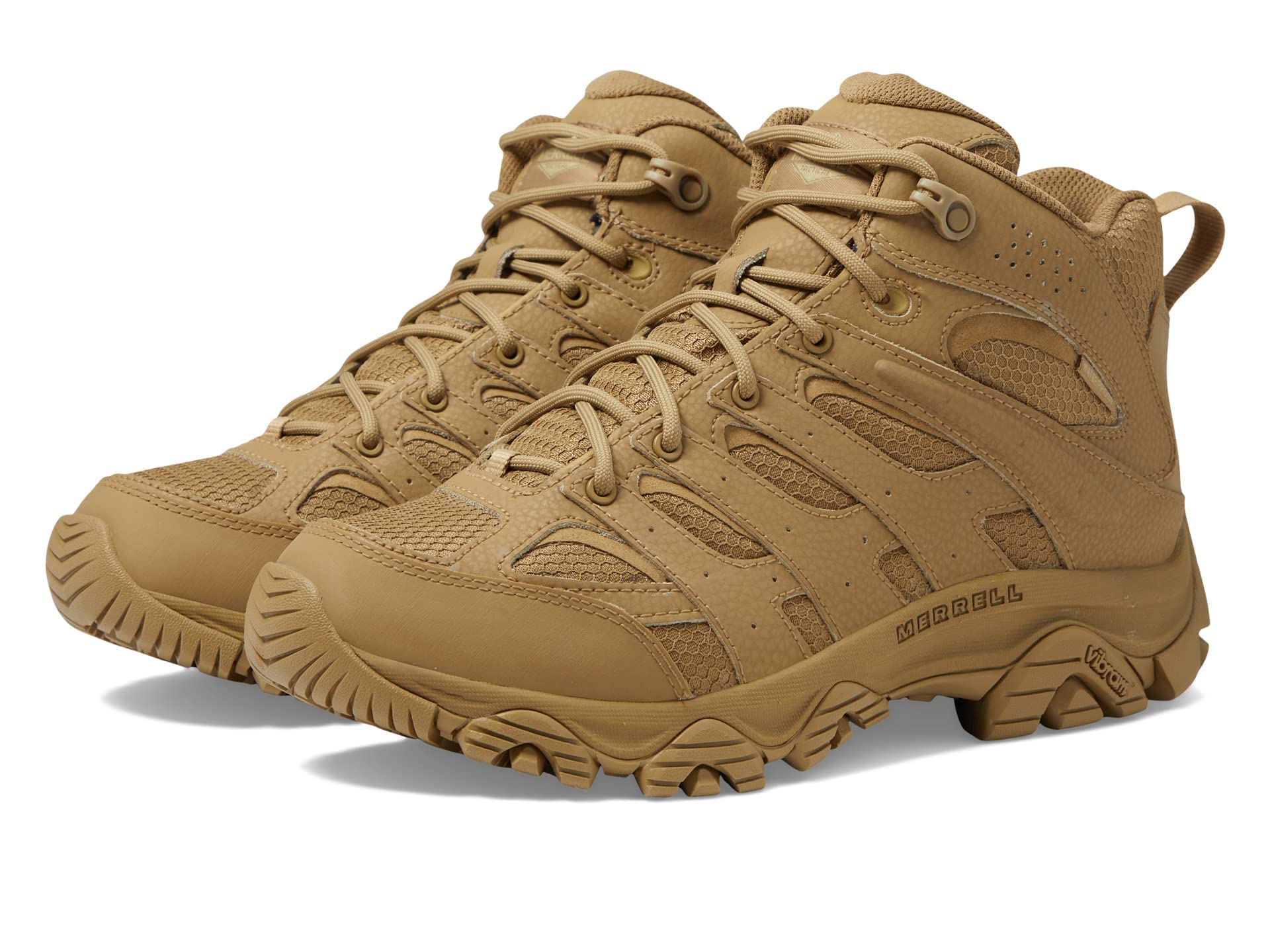

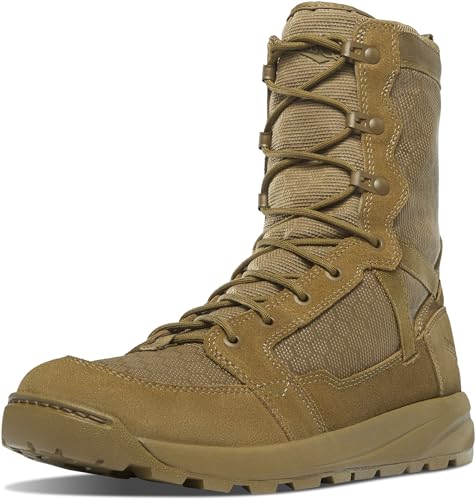

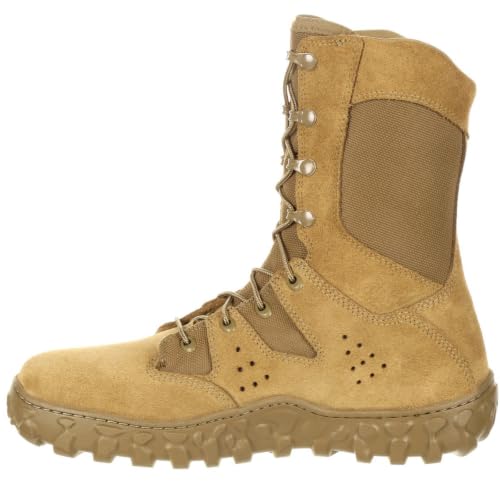


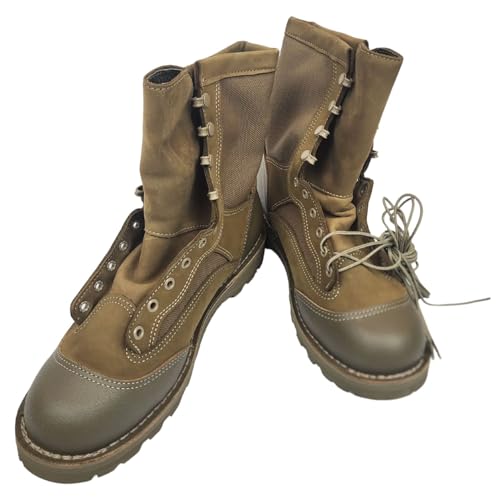
Who Should Buy Which Air Force OCP Boots?
Your daily routine narrows the field fast. The three groups below cover most buyers, each with a different balance of weight and protection.
For New Airmen Settling Into Daily Duty
Your first pair should be easy to live with while you learn your unit routine. Look for a moderate weight boot in coyote brown with a roomy toe box, soft cushioning, and a flexible sole that needs little breaking in. You will march, stand in formation, and walk long distances across base, so comfort in the first week matters more than maximum toughness. A mid priced pair with a clear return policy lets you correct sizing early.
For Flight Line and Maintenance Crews
Concrete, ladders, and dropped tools define your workday, so protection moves up the list. A safety toe in composite material guards against impacts without adding the weight of steel, and it will not set off security scanners the way metal can. Choose an outsole with strong grip on smooth hangar floors. Cushioning with firm arch support helps during long shifts on hard ground, and leather that wipes clean saves time after contact with grease.
For Field Training and Deployed Conditions
Rough ground, heat, and sudden rain call for a tougher build and better ankle support. Look for a stable sole with deep lugs, a reinforced toe and heel, and quick drying materials if water crossings are likely. In hot climates, breathable panels matter more than insulation, while cooler posts reward a waterproof lining. If your duties lean toward rugged ground work, see our guide to the best air force combat boots for the heavier duty end of this category.
Key Features to Compare
Regulation Fit: Coyote Brown Color and Boot Height
Air Force OCP boots must pair with the Operational Camouflage Pattern uniform, and coyote brown is the approved boot color for that uniform. Most duty styles rise about eight inches up the calf, cover the ankle fully, and present a plain profile with no large logos or bright trim. Rules can change, so confirm the current dress and appearance instruction with your leadership before buying. When you shop for the best air force ocp boots for your role, start with compliance, because a comfortable pair you cannot wear in uniform is money wasted.
Fit, Sizing, and the Toe Box
Measure both feet late in the day, when they are at their largest, and wear your usual duty socks while you do it. Your heel should sit snugly with little lift as you walk, while your toes need room to spread under load, especially on long marches. A cramped toe box invites blisters and numbness, and a loose heel rubs the skin raw within hours. If you fall between sizes, consider width first, since many duty boots run narrow. Readers comparing uniform options across services can also see our guide to the best ocp boots.
Cushioning, Arch Support, and Stability
Cushioning softens each step on pavement, but the support under your arch decides how your feet feel at the end of a shift. A stable boot keeps your heel centered and limits sideways roll on uneven ground, while a softer neutral style suits walkers with even, balanced strides. Heel to toe drop in this category often sits around 8 to 12 mm, and a lower drop feels flatter and steadier under a pack. A boot that feels plush at first yet tiring after an hour is likely too soft for your weight.
Outsole Traction on Concrete, Gravel, and Wet Surfaces
The outsole is your only contact with the ground, so its pattern deserves close attention. Shallow, closely spaced tread grips smooth concrete and hangar floors well. Deeper lugs bite into gravel, mud, and grass during field work, though they can feel clunky on polished floors. Think about where you slip most often, on wet ramps, loose stones, or slick tile, and choose the tread that answers that surface first.
Upper Materials, Breathability, and Waterproof Options
Most uppers combine suede or leather with woven fabric panels. Leather resists scuffs and holds its shape, while fabric panels cut weight and let heat escape, which matters during summer duty in hot climates. A waterproof membrane keeps rain and puddles out and suits wet or cold posts, but it also traps warmth and slows drying once water gets inside. For dry bases, a breathable non waterproof upper is usually the cooler and lighter choice. Waterproof boots earn their place when you work outdoors through the wet season.
Three Boot Types Compared for Air Force Duty
Lightweight trainer style boots borrow their soft midsoles from athletic footwear and feel easy from the first wear. They suit office roles and anyone who walks mostly on pavement, though their softer soles wear faster on gravel. Standard duty boots balance leather toughness with moderate cushioning and fit the widest range of jobs on base. Insulated and waterproof duty boots add linings and sealed seams for cold or wet stations, at the cost of extra weight and warmth indoors. For a broader look at service styles, see our guide to the best air force boots.
Sizing checks work the same across all three types. Lace the boot fully, stand up, and confirm you can wiggle your toes while your heel stays put. Walk down a slope or steps if you can, because toes that jam forward on a decline will ache on long descents outdoors. Do your first test walks indoors on clean floors, before removing any tags.
Common Mistakes to Avoid
- Buying by price alone, because the cheapest pair often wears out fast and costs more across a year.
- Ordering your dress shoe size without measuring, because duty boots fit differently and a wrong size means blisters on every march.
- Choosing a shade that merely looks close to coyote brown, because a tone outside the regulation color can get the pair rejected in uniform.
- Ignoring your actual work surface, because deep field lugs on polished hangar floors reduce grip and wear down quickly.
- Skipping the break in period before a long event, because stiff new boots worn straight into a ruck can leave your feet raw.
- Forgetting to check return and warranty terms, because sizing swaps are common and a strict policy can trap you.
Care and Maintenance for OCP Boots
Brush off dust and dried mud after duty, since grit left in suede and fabric works like sandpaper on the fibers. Loosen the laces and pull the insoles out when boots get soaked, then let them air dry at room temperature away from direct heat, which can crack leather and weaken glue. Rotating two pairs on consecutive days gives the cushioning time to recover and cuts odor. Treat leather with a conditioner made for suede finishes, and avoid dark polishes that change the coyote brown tone. Inspect soles monthly.
Air Force OCP Boots: Your Questions Answered
Can I wear Air Force OCP boots all day on duty?
Yes, Air Force OCP boots are built for full duty days, provided the fit is right. A pair that pinches in the morning will only feel worse by evening, since feet swell slightly across the day. If you stand on concrete for ten hours or more, an aftermarket insole with firmer arch support can help, as long as it does not lift your heel or crowd the toe box.
How should Air Force OCP boots fit when they are new?
Air Force OCP boots should feel snug at the heel and midfoot, with about a thumb width of space in front of your longest toe. New leather often feels stiff across the top of the foot, and that stiffness eases within the first two weeks of wear. Tightness that causes numbness or hot spots is not normal break in pain, so exchange the size rather than hoping a poor fit will stretch.
How often should I replace Air Force OCP boots worn daily?
Replace Air Force OCP boots when the midsole stays compressed, the tread smooths out, or the upper splits at flex points. For daily wear on pavement, that point often arrives after about a year to eighteen months, though field use shortens it. Press your thumb into the heel cushioning: if it feels dead and offers no spring back, the support is largely gone.
Are higher priced Air Force OCP boots worth it for daily duty?
Higher priced Air Force OCP boots can be worth it when the extra cost buys tougher leather, a safety toe, or a waterproof membrane your role truly needs. Price alone does not guarantee comfort, since foot shape decides fit more than budget does. Spend first on correct sizing and the protection your job requires, and treat brand reputation and warranties as secondary reasons to pay more.
Do I need waterproof Air Force OCP boots for flight line work?
Most flight line crews do not need waterproof Air Force OCP boots, because hangars and covered ramps keep feet dry through most shifts. A membrane adds warmth during summer and slows drying after a soaking. Choose waterproof construction if you work outdoors in frequent rain, snow, or standing water. Otherwise, a breathable upper with moisture managing socks handles splashes and sweat better on a hot shift.
The Bottom Line
Start with regulation color and height, then match fit, support, and tread to the ground your job puts under you each day. Crews on concrete need grip and protection, field users need lugs and ankle support, and office roles reward lighter weight. Chosen that way, the best air force ocp boots become the pair you stop thinking about during the shift. Compare your finalists in the product table above.


