
Best Air Force Combat Boots for 2026: Every Type Explained Side by Side
Disclosure: We may earn a commission when you buy through links on this page, at no extra cost to you. As an Amazon Associate I earn from qualifying purchases. Learn more

Compare the best air force combat boots by type, fit, materials, waterproofing and support, with a clear checklist for duty, training and field wear.
Combat boots for Air Force duty come in more styles than the names suggest, and picking the wrong type usually means hot feet, sore arches, or a boot your unit will not accept. The best air force combat boots for you depend on your job, your climate, and whether you stand on concrete, work a flight line, or march on rough ground.
This guide compares boot types side by side instead of reviewing individual models. You will see who each type suits and how sizing and care affect how long a pair lasts. Start with the comparison table below, then use the sections that follow to narrow your choice.

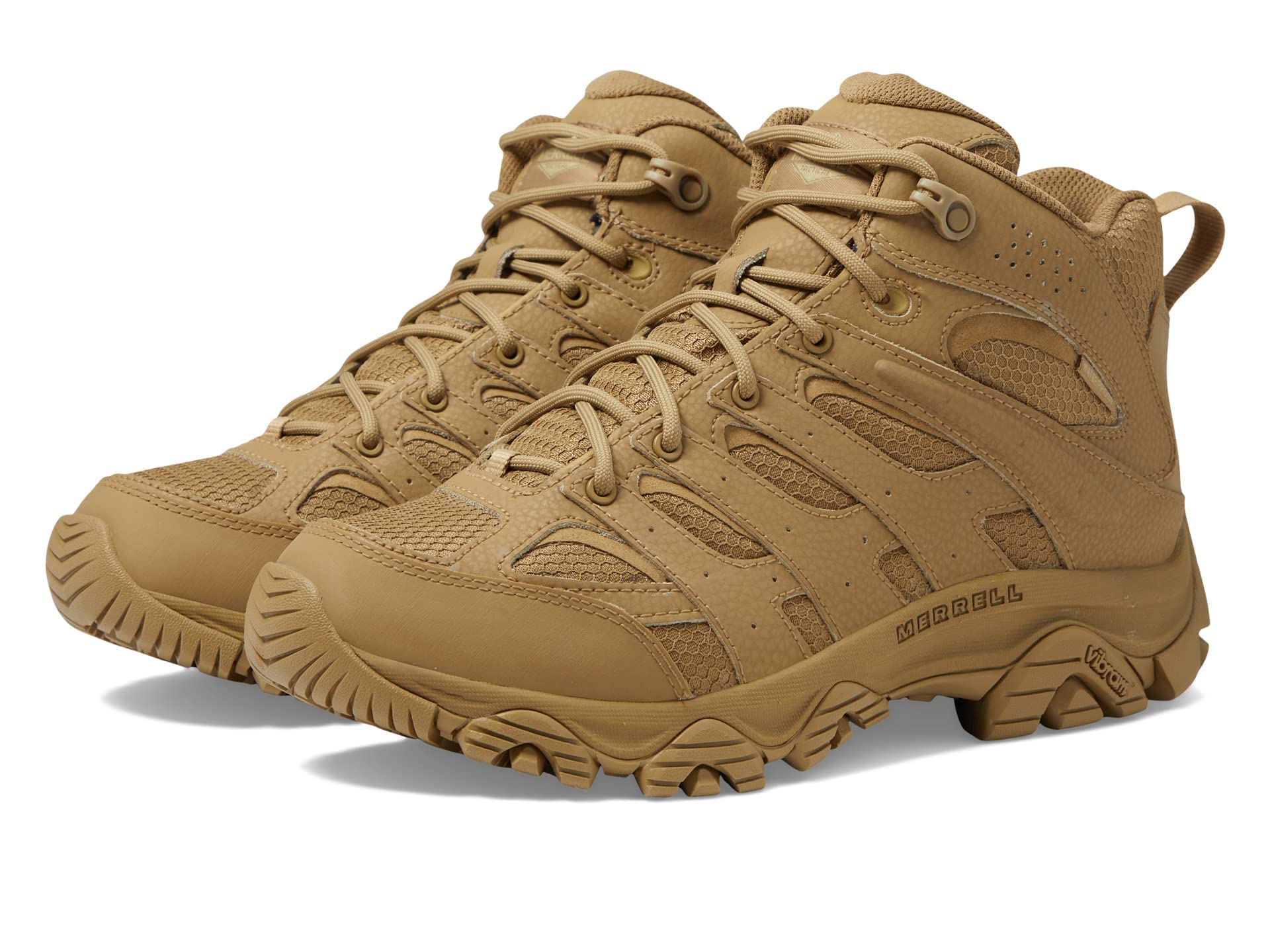
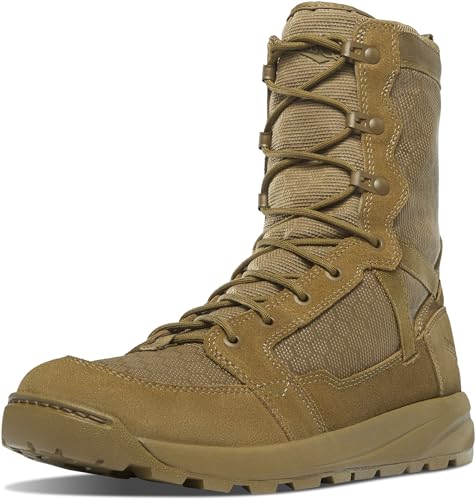

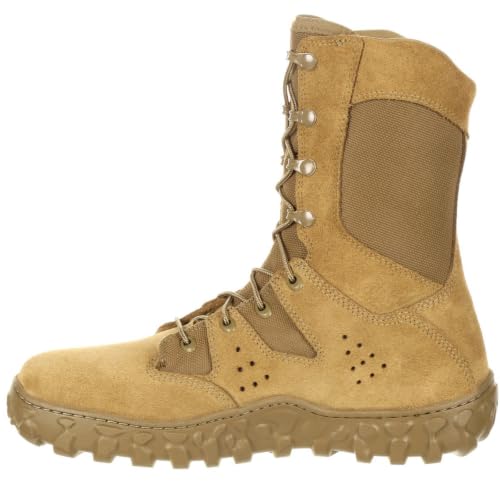


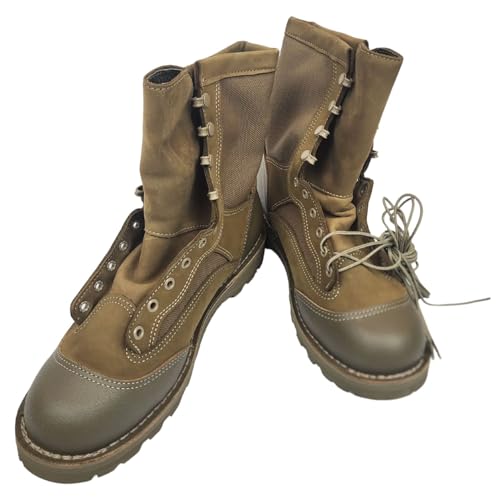
Who Should Buy Which Air Force Combat Boot?
Airmen in Garrison and Office Duty All Day
If most of your day is walking between buildings and standing on hard floors, a standard hot weather or temperate boot with a cushioned midsole suits you best. Prioritize light weight, steady arch support, and a sole with enough flex for pavement. You rarely need a waterproof membrane indoors, and a breathable upper will feel better through a long shift.
Flight Line and Maintenance Crews Who Need a Safety Toe
Maintainers, loaders, and anyone working around heavy equipment should check whether their job requires a safety toe before anything else. A composite or steel toe adds weight, but it protects against dropped tools and rolling gear. Pair it with an oil resistant outsole for slick aprons, and allow extra toe box room because a safety toe cap does not stretch.
Airmen Who Train, Ruck, and Work Outdoors in Wet Weather
If your week includes rucks, field exercises, or long hours outside in rain, look for a boot with aggressive outsole lugs, strong ankle support, and either quick drainage or a waterproof lining matched to the season. Cushioning matters more here because impact adds up over distance.
Key Features to Compare
Uniform Compliance, Color, and Boot Height
When you compare best air force combat boots options, compliance comes first, because a comfortable boot you cannot wear in uniform is wasted money. For the OCP uniform, boots are coyote brown, built from leather and fabric, and tall enough to blouse trousers neatly, usually about eight inches. Check your unit guidance and, for the full uniform picture, see our guide to the best ocp boots air force before ordering.
Upper Materials and Breathability
Most uppers combine full grain or suede leather around the foot with nylon panels along the shaft. Leather gives abrasion resistance and holds its shape, while nylon cuts weight and lets heat escape. Hot climates favor more nylon and vent holes near the arch. Cooler or wetter postings favor more leather coverage, since leather sheds light rain and resists scuffs better.
Outsole Traction and Sole Construction
The outsole decides how the boot grips wet concrete, gravel, mud, and metal stairs. Deep multidirectional lugs bite on loose ground but wear faster on pavement, while a flatter tread rolls quietly indoors and lasts longer on hard surfaces. A stiffer shank under the arch adds stability on ladders and uneven ground. A moderate lug pattern suits mixed settings best.
Cushioning, Arch Support, and Heel to Toe Drop
Cushioning comes from the midsole foam and the insole, and it decides how your feet feel at hour ten. A moderate heel to toe drop, often about 8 to 12 mm, eases calf load during marches, while a lower drop feels steadier under heavy packs. Flat feet usually need firmer arch support, and high arches usually need softer cushioning. Removable insoles let you fine tune the fit without changing boots.
Waterproofing and When to Skip It
A waterproof boot uses a sealed lining, often a Gore Tex style membrane, to keep rain and puddles out. That protection helps in cold rain and wet grass, but it always breathes less than an unlined boot and dries slowly once soaked inside. In hot dry climates, skip the lining and choose drainage and airflow instead, because trapped heat causes blisters faster than occasional splashes.
Sizing Boots for Long Duty Days and Rucks
Try boots late in the day, when your feet are at their largest, and wear your usual duty socks. You want a thumb width of space in front of your longest toe, a heel that stays put when you walk, and no pressure across the top of the foot. Sizes vary between brands more than most buyers expect, so measure both feet and size to the larger one.
Types of Air Force Combat Boots Compared
Hot Weather Boots Built for Heat and Fast Drying
Hot weather boots use more nylon, thinner leather, and often drainage vents that push water out after stream crossings or washdowns. They are the lightest type and the most breathable, which makes them the default for summer postings and deployed heat. The trade off is less insulation and less water resistance, so they suit dry heat far better than cold rain. For a wider view of the category, see our guide to the best combat boots.
Temperate Weather Waterproof Boots for Rain and Cold
Temperate waterproof boots add a sealed membrane and usually more leather coverage, keeping feet dry through wet grass, slush, and steady rain. They weigh more and run warmer. Choose them when wet ground is a weekly reality rather than a rare event, and size them with thicker cold weather socks in mind.
Safety Toe Boots for Flight Line and Industrial Work
Safety toe boots protect the front of the foot with a steel or composite cap rated for impact and compression. Composite caps weigh less and do not conduct cold, while steel caps tend to sit in slimmer, lower priced designs. Not every Air Force job allows or needs them, so confirm your workplace rule first. If your duties keep you near aircraft and heavy loads, this type is the responsible default.
Common Mistakes to Avoid
- Buying black or sage green boots for an OCP uniform, which leaves you with a pair you cannot wear on duty.
- Choosing a waterproof lining for a hot dry posting, which traps heat and raises your blister risk on long days.
- Ordering your running shoe size without measuring, which often means a heel that slips once the boot softens.
- Wearing brand new boots on a long ruck, which turns small pressure points into blisters within a few miles.
- Ignoring your job rule on safety toes, which can send you back to buy a second compliant pair.
- Judging fit in thin gym socks, which hides the tightness you will feel in proper duty socks.
Care and Maintenance for Air Force Combat Boots
Brush dirt off after each wear and loosen the laces so damp boots can breathe overnight. When boots get soaked, stuff them loosely with newspaper and let them air dry away from direct heat, because heaters and dryers crack leather and weaken glues. Condition leather sections when they look dry and pale, but skip heavy oils on suede, since they darken it and reduce breathability.
Inspect the outsole and stitching every few weeks. Replace the pair when the lugs are worn smooth at the heel, the midsole feels packed flat, or the upper splits at the flex point. Rotating two pairs extends the life of both, and you can compare your options in our guide to the best air force boots.
FAQs About Air Force Combat Boots
Do Air Force combat boots need to be waterproof for daily duty?
No, daily duty in dry conditions does not require waterproofing. A membrane only earns its keep when you cross wet grass, stand in rain, or work around washdowns often. One point buyers miss is sizing: waterproof linings take up a little internal room, so a boot that fits perfectly unlined can feel snug in the lined version of the same size.
Can I wear Air Force combat boots all day on concrete?
Yes, most airmen wear them for full shifts on concrete, provided the fit and cushioning suit your feet. Concrete punishes thin insoles, so a boot with a replaceable cushioned insole is a practical pick for hard floors. Standing still is harder on feet than walking, so shift your weight often.
How often should I replace my Air Force combat boots?
Replace them when the tread, cushioning, or upper no longer does its job, rather than by a fixed calendar date. Heavy rucking and daily flight line work can wear a pair out in under a year, while office wear stretches much longer. A useful check is pressing the heel counter: if it folds with little resistance, support is largely gone.
Are expensive Air Force combat boots worth the extra cost?
They can be, when the higher price buys better leather, a resoleable build, or a fit that matches your foot shape. Paying more for styling or extra padding you do not need adds little. A fair test is cost per month of duty: a pricier boot that lasts twice as long is usually the cheaper purchase overall.
How should Air Force combat boots fit when I first try them on?
They should feel snug through the heel and midfoot with clear space ahead of your toes, and no pinching across the toes. New boots should never need pain to prove they will stretch, because leather gives only slightly with wear. Walk on a slope or stairs in the store if you can, since toes jamming forward on a decline reveal a short fit that flat floors hide.
Do Air Force combat boots need a break in period before a ruck?
Yes, plan on one to two weeks of regular duty wear before any long march. Short walks first let the leather crease at your natural flex points and let your feet adapt to the boot shape. If a hot spot appears during this period, adjust lacing tension at that zone rather than adding thicker socks, which usually makes rubbing worse.
Wrapping Up
Start with compliance, then match the type to your climate and job, and finally judge fit with real duty socks on tired feet. Those three steps filter out most bad choices quickly. When you are ready to compare the best air force combat boots side by side, return to the product table above and check each candidate against the features that matter for your posting.


