Best Butyl Tape for RV Windows: Our 2026 Buyer Checklist
Disclosure: We may earn a commission when you buy through links on this page, at no extra cost to you. As an Amazon Associate I earn from qualifying purchases. Learn more

Use this buyer checklist to choose butyl tape for RV windows: width, thickness, adhesion, temperature range, cleanup, and the red flags to avoid.
Choosing the best butyl tape for RV windows is mostly about fit and sealing, not about finding a single perfect product. Butyl tape sits between the window frame and the RV wall, filling gaps and blocking water from working its way inside. The comparison table below gives you a quick overview before you work through the checklist.
This guide gives you a practical checklist you can use on any tape. You will learn which specs matter for RV windows, how to judge width and thickness, and which warning signs suggest a tape is not worth your time. Keep the maker guidance close, since window designs and wall materials vary.
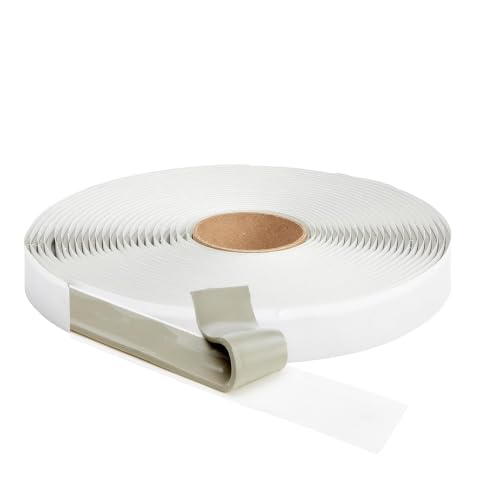
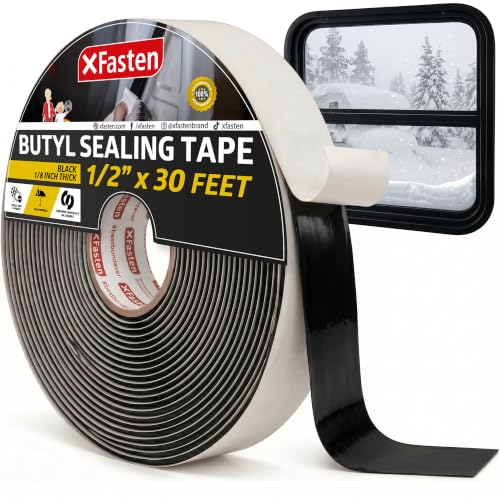
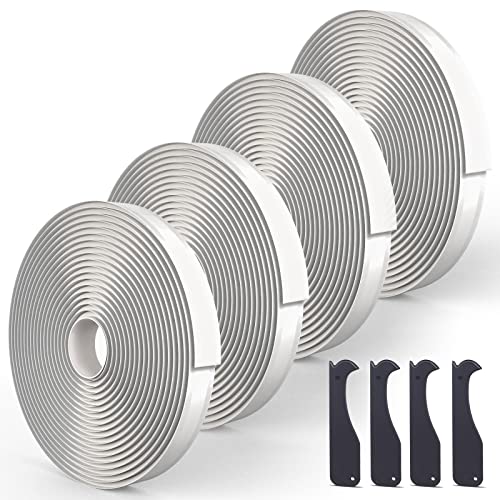

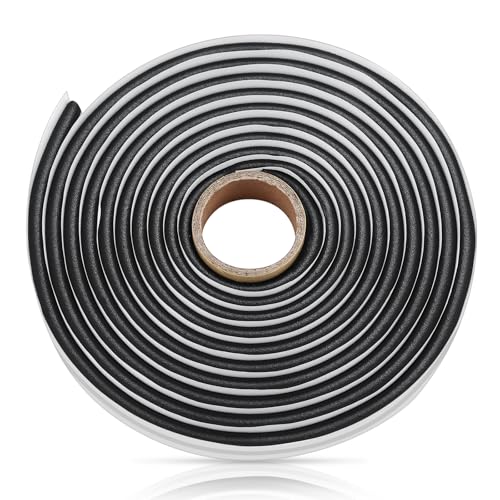
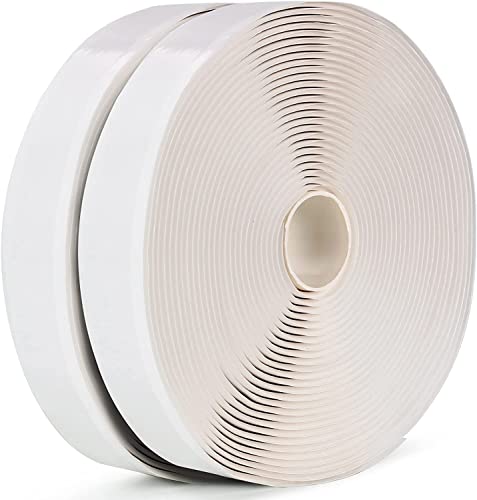


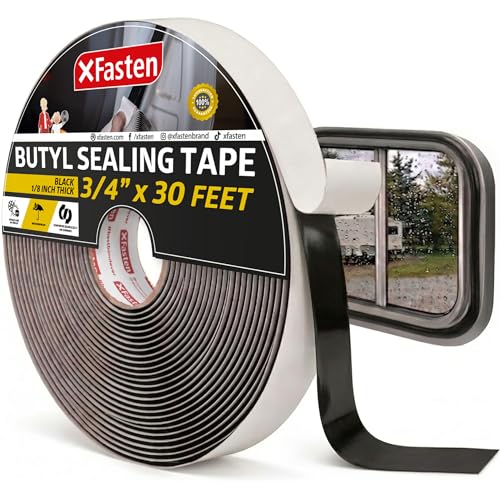

How to Judge Butyl Tapes: A Buyer Checklist
Think of this section as a scoring checklist rather than a formal review. Each heading gives you a factor to check, a sensible target, and a question to ask before you buy. A tape that passes most of the checklist is usually a safer choice than one that looks good on a single claim.
Features That Matter for RV Windows
RV windows need a seal that stays flexible through vibration, temperature swings, and long periods parked outdoors. Look for a tape described as permanently flexible, since a tape that hardens can crack and let water in. Check that it is meant for window sealing rather than general patching, and confirm it suits the frame and wall materials on your RV. A tape that works well on one surface may not bond as well on another, so surface fit matters.
Intended Use and Who It Is For
Butyl tape for RV windows suits owners resealing a window, replacing a frame, or fixing a slow leak around the edge. It is less suited to structural repairs, cracked glass, or rotted wall framing, which need a different fix first. If the wall feels soft or the frame is damaged, sort out that problem before resealing, since new tape over damaged material will not hold for long. For a simple reseal on a sound frame, tape is a straightforward and low cost option.
Ease of Use and Setup
Good butyl tape unrolls cleanly, holds its shape while you position it, and does not stretch into a thin thread as you handle it. Check whether a release liner is included, since a liner keeps the tape clean and makes placement easier. In cool weather, the tape may feel stiff, so follow the maker guidance on working temperature and storage. Plan the job so you can seat the window evenly, since uneven pressure can leave gaps that leak later.
Build Quality and Materials
Quality shows up in even thickness, a consistent width, and a surface that feels tacky without leaving a mess on your hands. A tape that varies in thickness can seal well in one spot and poorly in another, so inspect the roll before you start. Width and thickness should match your window frame channel, and the maker spec sheet should state both clearly. If the width or thickness is vague or missing, treat that as a warning sign and look for a clearer option.
Safety and Certifications
Butyl tape is a sealing material, not a safety device, but basic safety still matters during the job. Work in a ventilated area, keep the tape away from children and pets, and wash your hands after handling it. Follow the maker guidance on storage and disposal, and keep the tape away from open flame and high heat sources. If the product sheet lists any standards or test results, check what they actually cover rather than assuming they prove leak proof performance.
Maintenance and Long Term Costs
A good seal should last for several seasons, but it is not permanent, and regular checks save you from hidden water damage. Inspect window edges at least once a year, and look for gaps, lifted corners, or stains on the wall inside. Resealing early is far cheaper than repairing water damage later, so budget for a fresh roll when you spot wear. Store spare tape in a cool, dry place, since heat and sunlight can shorten its useful life.
What Different Spending Levels Get You
At a modest spending level, you can expect a basic roll in a common width, suitable for a single window reseal. Check the width and thickness carefully at this level, since value options vary more in consistency. At a mid level, you may find wider rolls, clearer spec sheets, and better packaging that keeps the tape clean.
At a higher level, you are usually paying for larger rolls, more consistent thickness, or a width that matches an unusual frame, rather than for a different kind of sealing. Choose the level that matches the number of windows you plan to reseal and the width your frames need.
Quick Buyer Checklist
- Does the width match my window frame channel, with a little extra to compress evenly?
- Is the thickness enough to fill the gap without squeezing out excessively?
- Does the maker state that the tape stays flexible after installation?
- Is it meant for RV window sealing on my frame and wall materials?
- Can I work within the stated temperature range on the day of the job?
- Is a release liner included, and does the roll look even in thickness?
- Do I have enough tape for the full window, plus a little spare for mistakes?
- Have I checked the frame and wall for damage before I reseal?
Red Flags to Watch For
- Vague specs, with no stated width, thickness, or working temperature range.
- Claims of a permanent or leak proof seal, since no tape can guarantee that result.
- Uneven thickness or a roll that stretches and tears during handling.
- No maker guidance on surface preparation, storage, or cleanup.
- A very short or missing warranty, with no clear way to contact the maker.
Setup and Care Tips
Read the manual before first use, and clean the frame and wall surfaces so the tape can bond well. Remove old sealant and dirt, let the surfaces dry, and apply the tape in one even run where possible. Seat the window with steady, even pressure, then trim any excess neatly rather than pulling it away. Clean and inspect regularly, and store spare tape in a dry place away from heat and sunlight.
Butyl Tapes: Your Questions Answered
What features matter most in butyl tapes for rv windows?
Width, thickness, lasting flexibility, and a clean, even roll matter most for RV windows. The tape must fill the gap between frame and wall without squeezing out too far or leaving thin spots. Lasting flexibility matters because RVs vibrate on the road and face wide temperature swings. A tape that hardens or cracks will eventually leak, so check the maker description for flexibility and for the surfaces it is meant to seal.
How long does a butyl tape last?
A well applied butyl tape seal can last for several seasons, but the exact life depends on climate, exposure, and how well the surfaces were prepared. Sun, heat, and movement all wear a seal over time, so yearly inspection is wise. Look for lifted edges, gaps, or stains inside the wall, and reseal as soon as you spot wear. Replacing tape early is much cheaper than repairing water damage that has gone unnoticed.
How much should I spend on a butyl tape?
Most single window reseals need only a modest amount of tape, so about $10 to $30 usually covers the material for one window. Larger rolls cost more up front but make sense if you plan to reseal several windows or keep spare tape on hand. Compare the cost per length as well as the roll price, since a cheaper roll in a narrow width may not cover your frame. Do not overspend on claims alone, and check width and thickness first.
How do I maintain a butyl tape seal?
Inspect window edges at least once a year, and after long trips or harsh weather. Look for gaps, lifted corners, and any damp marks on the interior wall near the window. Clean the area gently and reseal promptly if you find a gap, rather than waiting for a leak to grow. Keep spare tape stored in a cool, dry place, and follow the maker guidance on cleaning up excess tape after a job.
Final Thoughts
The best approach is simple: match the width and thickness to your frame, choose a tape that stays flexible, and prepare the surfaces well before you apply it. Watch for vague specs and absolute promises, and inspect the seal each year so small wear never turns into water damage. A careful reseal, done at the right temperature with even pressure, gives you the best chance of a dry, lasting result.
When you are ready, revisit the product table above and shortlist the best butyl tape for RV windows options that match your frame size, your budget, and the number of windows you plan to reseal. Take your time on preparation, and the tape will have the best chance to do its job.