Best Air Circulator Fans: Size, Noise and Coverage Guide
Disclosure: We may earn a commission when you buy through links on this page, at no extra cost to you. As an Amazon Associate I earn from qualifying purchases. Learn more
The best air circulator fan matches your room size, throw distance and noise needs. Compare compact, medium and large models.
A standard fan often pushes a wide and gentle stream of air that fades a few feet from the grille. An air circulator works differently. It sends a tighter and stronger beam across the room, and that beam bounces off walls and ceilings so the whole space feels more even. If you want the best air circulator fan for your home, the right choice depends on room size, throw distance, noise and where you plan to place it.
This guide compares circulator types and the specs that actually change daily comfort, with no named picks to push you toward one model. Use the comparison table below to match coverage and features to your room, then read on for sizing, running cost and placement advice.





Air Circulator Types at a Glance
Circulators come in three broad size groups, and size shapes almost everything else, from throw distance to storage. Choosing the group first keeps you from paying for power you cannot use or buying a unit that is too small for the room.
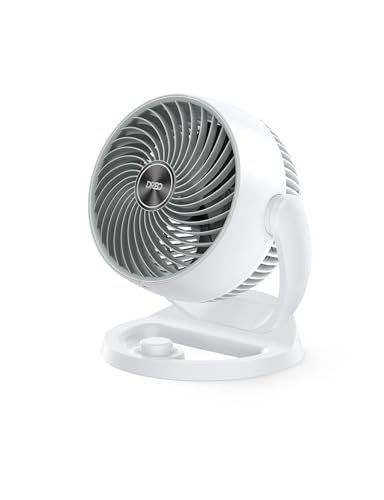
- Compact desk and floor models. Small units that sit on a desk, a shelf or the floor beside a chair. They suit bedrooms, offices and dorm rooms, move easily from room to room, and usually cost the least. Their beam is shorter, so they work best within one seating area.
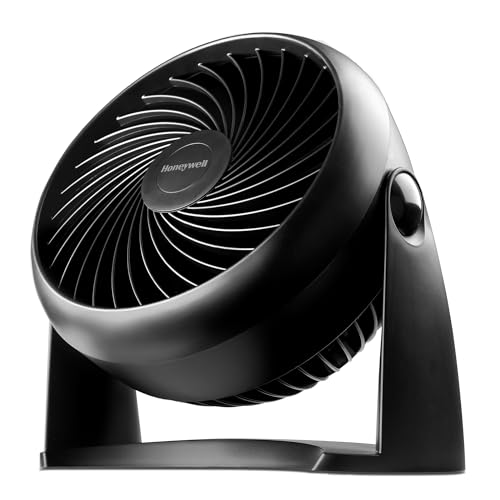
- Medium floor models. The most common group for living rooms and larger bedrooms. A tilting head aims air at the ceiling or across the room, and the stronger motor throws air much farther than a compact unit while still storing in a closet corner.
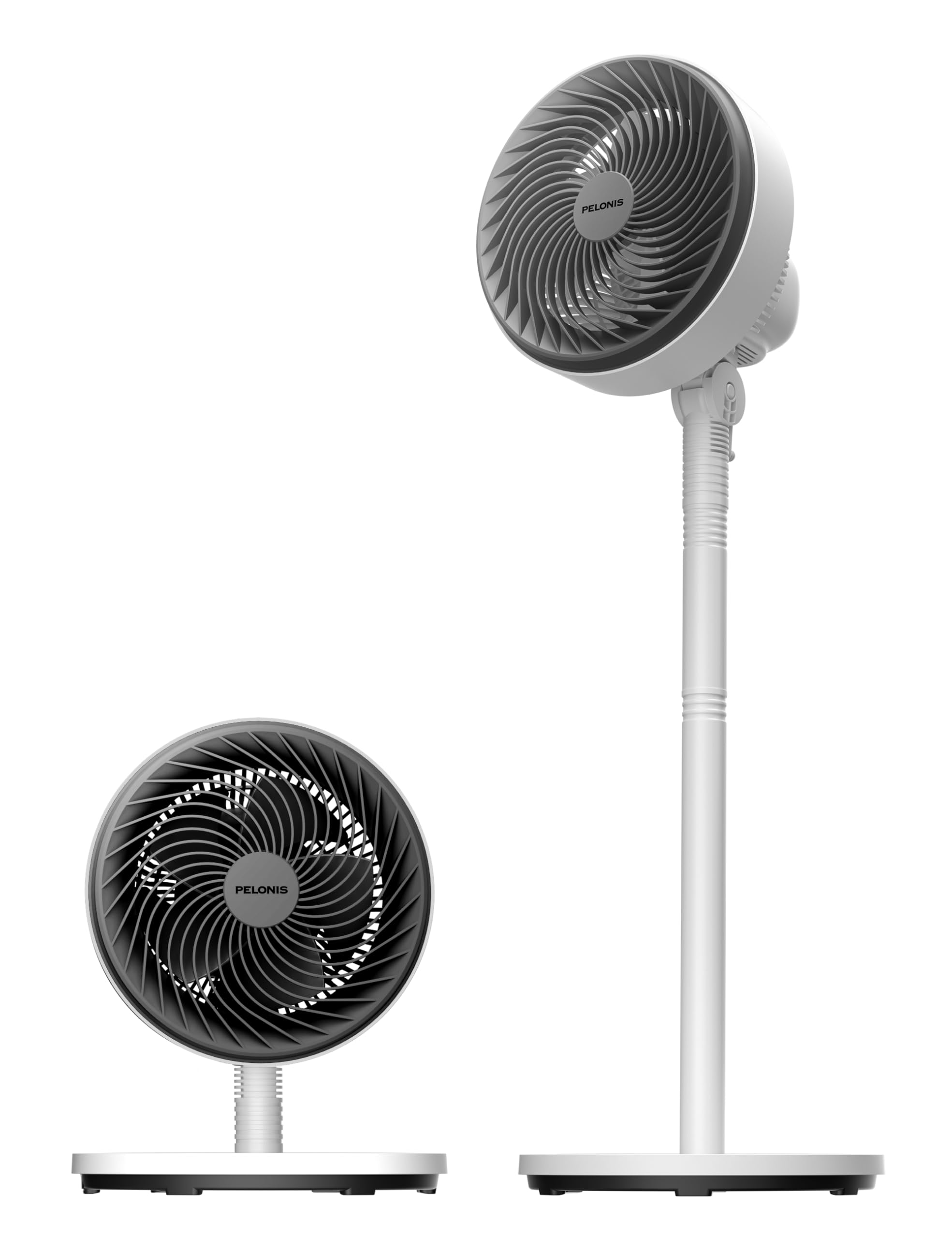
- Large models on stands. Tall units that raise the head to sofa or bed height and cover open plan spaces. They move the most air and need the most floor space, and they make the most sense when one fan must serve a big room all day.
All three groups share the same core design, a deep pitch blade inside a spiral grille that focuses the stream. What changes with size is mainly reach, noise at top speed and how much space the unit takes when you store it.
How We Chose the Best Air Circulator Fans
Our comparison rests on coverage, airflow performance, noise level, energy use, upkeep and useful extras. We weighed maker specifications and patterns in verified buyer feedback rather than headline claims, and we gave more weight to throw distance and low speed noise than to top speed numbers, since most people run a circulator for hours at a moderate setting.
We also favored designs that are simple to live with. A circulator you can tilt with one hand, carry by a built in handle and open for cleaning will get used daily. Complicated controls and sealed housings that trap dust scored poorly, even when the airflow figures looked strong on paper.
How to Choose the Right Fan
Type
Start by separating true circulators from other fan styles. A tower fan spreads air in a tall and wide sheet and suits gentle background cooling, while a pedestal fan lifts a broad stream to standing height. A box fan moves a lot of air in a window or doorway but offers little aim. A circulator is the choice when you want one focused stream that stirs the whole room, helps your heating and cooling system spread conditioned air, and still fits on the floor. If you are weighing styles more broadly, see our guide to the best fan for a wider view.
Features Worth Paying For
A tilting or pivoting head matters most, since aim is how a circulator does its work, and a head that locks at several angles gives you far more placement options. Multiple speeds are next, because you will want a quiet low setting for sleep and a strong top setting for quick relief. A remote and a timer add real convenience in a bedroom or a large living room. Oscillation is less central here than on other fans, since a fixed beam aimed at a wall often circulates better. Ionizers and scent pads add cost without improving air movement, so treat them as optional extras.
Room Size and Coverage Ratings
Match the unit to the room by throw distance and by the room size the maker states, not by blade size alone. Small rooms up to about 150 square feet do well with a compact model, midsize rooms of about 150 to 300 square feet call for a medium floor model, and open spaces above that range need a large model or two smaller units placed apart. Air changes matter too. A beam that reaches the far wall and returns along the ceiling keeps mixing air, while a beam that dies halfway leaves a warm zone where you sit.
Running Cost and Energy Use
Circulators draw far less power than cooling equipment, often in the range of about 30 to 90 watts depending on size and speed, and low speeds draw a fraction of the top figure. Running one for eight hours a day typically costs only a few dollars a month at common electricity rates. Used alongside air conditioning, a circulator can let you raise the thermostat a few degrees while feeling just as cool, and that trade saves far more than the fan uses. For the full maths on fan running costs, read how much electricity does a fan use.
Noise Levels for Bedrooms
Noise decides whether a bedroom circulator gets used at night or switched off. Look for a stated low speed rating in decibels and favor models that stay near or below normal conversation level on their lowest setting, since a steady hum is easier to sleep through than a tone that rises and falls. Placement helps as well. Aiming the beam at the wall above the bed mixes air without blowing straight at your face, and a timer can drop the unit to its lowest speed after you fall asleep. For more sleep focused options, see the best fan for bedroom guide.
Filters, Tanks and Maintenance
Most circulators have no filter and no water tank, and that is a genuine advantage. There is nothing to refill, no pad to soak and no filter to replace on a schedule. Dust still collects on the grille and blades, and a dusty blade throws less air and can add a faint rattle. Choose a model with a grille you can remove with basic tools, smooth blades that wipe clean, and a housing without deep grooves that trap grime. That simple upkeep, done a few times a year, keeps airflow close to new.
How Much Should You Spend?
Compact models often sit at about $30 to $60 and cover a desk or a small bedroom well. Medium floor models at about $60 to $120 add reach, sturdier stands and quieter low speeds, and this is the range most homes should target. Large stand models at about $120 to $250 buy stronger motors, wider tilt ranges and extras such as remotes and timers. Paying above that range usually buys styling or smart controls rather than more air, so spend there only if those extras solve a real problem in your room.
Air Circulator vs Other Fans: Pros and Cons
The core difference is focus. Other fans spread air wide and lose force quickly, while a circulator keeps its stream together over distance, so one unit can stir air in corners far from where it sits. Our detailed air circulator vs fan comparison walks through the head to head points, and the short version is below.
- Pro: whole room mixing. A focused beam that bounces off surfaces evens out warm and cool pockets better than a wide and weak stream.
- Pro: year round use. In winter you can aim a circulator upward to push warm air pooled at the ceiling back down without a draft at seat level.
- Pro: pairs well with cooling. Spread conditioned air reaches every seat, which is the same logic covered in fan vs air conditioner.
- Con: direct breeze feels stronger. Standing in the beam can feel intense on high speed, so placement and aim matter more than with a tower fan.
- Con: floor footprint. Most circulators sit low on the floor, which may not suit homes where floor space is tight and a tall tower fits a narrow gap better.
If your main goal is a soft breeze right where you sit, a tower or pedestal style may please you more. If your goal is even temperature across the whole room in every season, the circulator design is the stronger tool.
FAQ
What is the best air circulator fan for a typical home?
For most homes it is a medium floor model with a locking tilt head, at least three speeds and a quiet lowest setting, sized for the largest room you plan to use it in. Try it in two or three spots during the first week, since a small change in aim can transform how even the room feels. A model that is easy to carry lets you test it in the bedroom at night and the living room by day before you settle on its home.
Are air circulator fans worth it?
Yes, when your rooms have uneven temperatures, high ceilings or seats far from vents, since a circulator addresses exactly those problems. The value grows if you run heating or cooling for much of the year, because better air mixing helps both systems. If you only want a light breeze on your desk for an hour a day, a small standard fan costs less and does that job fine, so the upgrade is worth it mainly for whole room comfort.
How long does an air circulator fan last?
A well kept circulator commonly serves for many years of daily use, and the motor usually outlasts switches, remotes and tilt joints. You can extend its life by keeping the intake clear, since a motor that strains against dust and blocked air runs hotter. Early signs of decline include a new grinding sound, a head that no longer holds its angle and speeds that feel uneven. Replacing a worn unit is usually wiser than paying for motor repairs on a home fan.
How do you clean an air circulator fan?
Beyond the basic grille and blade wipe down covered above, pay attention to the rear intake, where felt like dust mats build up and quietly cut airflow. A soft brush and a vacuum nozzle clear it in a minute. If your home has pets, check the intake monthly rather than seasonally, since pet hair collects there first. Our step by step guide to how to clean a fan covers safe blade removal for models that open fully.
What is the most reliable fan brand?
No single brand earns that title for every buyer, since reliability varies by model line and by how the fan is used. A better test is the warranty length, the availability of replacement remotes and grilles, and whether the maker publishes clear specs and support contacts. A brand that stands behind a unit with a multi year warranty and reachable support is a safer bet than a famous name on a model with a short warranty and no spare parts.
Final Thoughts
Pick the size group that fits your largest room, demand a locking tilt head and a genuinely quiet low speed, and plan where the beam will bounce before you buy. Do that, and the best air circulator fan for your home becomes a simple match of reach, noise and budget rather than a guess. Check the product table above once more to compare coverage and features side by side, and choose the type that fits how your rooms are actually used.