
The Best Aftermarket Speakers for Harley Davidson: A Buying Guide for 2026
Disclosure: We may earn a commission when you buy through links on this page, at no extra cost to you. As an Amazon Associate I earn from qualifying purchases. Learn more

Learn how to choose the best aftermarket speakers for harley davidson with guidance on fitment, power matching, weather sealing, and tuning basics.
Stock Harley audio often sounds fine in the showroom and disappointing at 60 mph, where wind and exhaust noise expose its limits. Choosing the best aftermarket speakers for harley davidson riders can install starts with fitment for your exact bike, then moves to power, weather protection, and tuning. This guide walks through each decision in order, so you buy once and ride happy.
The comparison table below lists current options with sizes and prices. Use it alongside the buying profiles and criteria that follow.


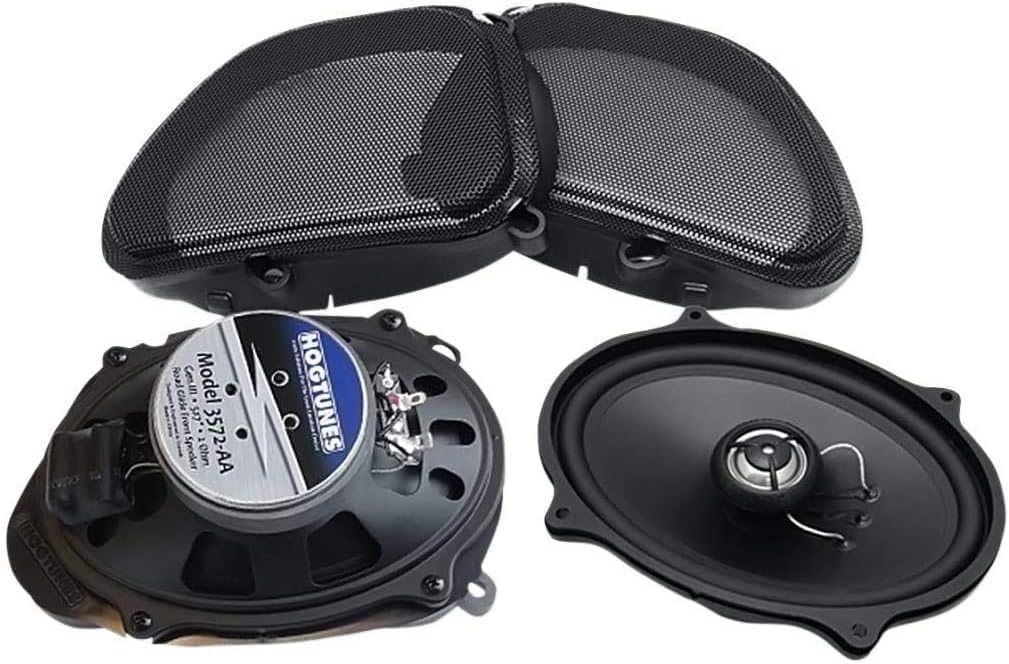


Three Speaker Profiles Worth Comparing
Instead of chasing a single winner, compare the three profiles below. Each describes a type of speaker package, what it does well, and where it compromises.
Best Overall Profile
The balanced profile pairs efficient fairing speakers with a compact amplifier sized for them, and it suits riders who tour and commute on the same bike. Strengths are strong, clear midrange at highway speed and sensible electrical load. Expect to spend about $300 to $600 for speakers plus amplification in this tier. The compromise is bass: without saddlebag speakers, low end stays modest. For most owners of baggers and touring models, this profile delivers the biggest improvement per dollar and per hour of install time.
Best Value Profile
The value profile upgrades the fairing speakers only, keeping the factory head unit and skipping the amplifier for now. It works when the chosen speakers are efficient enough to play cleanly on stock power, and total cost often lands around $120 to $250. You gain clarity and some volume, plus a clear upgrade path later. The limitation is headroom: at full highway volume, distortion can creep in on demanding songs. Riders who mostly cruise below 55 mph will hear the least compromise and the most benefit.
Best Upgrade Profile
The upgrade profile treats audio as a system: high output speakers in the fairing and lids, a multi channel amplifier, and digital signal processing to tune it all. Cost commonly runs about $800 to $1,500 or more with installation parts. Strengths are serious volume, fuller bass, and tuning control that adapts the sound to open air riding. The trade offs are price, wiring complexity, and electrical demand. This profile suits experienced owners building a long term bike, and our guide to the best motorcycle speakers for harley davidson covers complete system layouts in more depth.
How to Choose the Right Aftermarket Speakers for a Harley Davidson
This is the heart of the decision. Work through each factor before you compare prices, because the cheapest speaker that fits badly is the most expensive mistake.
Features That Matter for Harley Davidson
Harley fairings use specific speaker sizes and shallow mounting depths, and the factory wiring and head units have their own impedance expectations. Confirm the size for your fairing generation, since a speaker that fits one model year may foul the inner fairing of another. Prefer kits with bike specific mounting rings and harnesses, which protect resale value and save hours. Weatherproof construction is non negotiable, and handlebar control compatibility keeps volume and track changes at your thumbs. Riders replacing damaged stock units should also read our guide to the best replacement speakers for harley davidson for like for like sizing notes.
Sound Quality and Tuning
Judge tuning by how the speaker handles voices at speed, not by how much bass it makes in a quiet garage. A clear, slightly lifted midrange keeps lyrics intelligible, while smooth treble avoids the harsh edge that tires ears on long rides. Frequency response figures give a rough map, but sensitivity tells you more: each 3 dB of extra sensitivity is like doubling amplifier power in perceived terms. Component speakers with separate tweeters usually image better than coaxial designs, though they take more mounting care.
Amplifier Power and Sensitivity
Speakers and amplifiers must be planned together. Check the RMS power handling of the speakers and the RMS output of the amp at the same impedance, and keep them in the same neighborhood. A very powerful speaker on a weak head unit plays quietly and distorts early, which surprises many first time upgraders. Conversely, an efficient speaker can sound great with modest power. If your bike has no amplifier today, decide now whether one joins the build later, because that choice shapes which speakers make sense.
Electrical Load and the Charging System
Unlike portable speakers, Harley systems run off the bike, so battery life questions become charging system questions. A compact class D amplifier draws far less current than older designs and runs cooler inside a fairing, which is why most modern bike amps use that topology. Add up the draw of your planned amp, heated gear, and extra lighting, and compare it with your stator output, especially on older models. A healthy battery and clean grounds prevent the whine and cut outs that riders often blame on speakers.
Placement and Speaker Locations
Location shapes sound as much as speaker quality does. Fairing speakers aim at the rider and form the foundation of any system. Saddlebag lid speakers add fullness and help the passenger, but they play into open air and need weather sealing and strong output. Lower fairing pods add midrange fill that improves clarity at speed. Tour pack speakers serve the passenger most. Start with the fairing pair, live with it, then expand in that order rather than scattering the budget across every location at once. Our overview of the best speakers for harley davidson maps each location in detail.
Controls and App Features
Modern head units and amplifiers add equalizer presets, gain controls, and sometimes phone apps for tuning. A simple, well chosen EQ preset for open air riding is genuinely useful, because it restores midrange that wind masks. Firmware updates fix pairing and control bugs, so favor brands that publish updates and support their apps. Physical handlebar controls still matter most at speed: any feature you cannot adjust safely with gloves on is a feature you will rarely use. Keep the setup simple enough that a passenger or a friend can work it without a tutorial.
Types of Aftermarket Speakers
Fairing Replacement Speakers
These drop into the factory fairing openings using adapter rings and are the natural first upgrade. They offer the best blend of rider focused sound, weather protection from the fairing itself, and reasonable cost. Most riders should start here.
Saddlebag and Lid Speakers
Lid speakers add width, bass weight, and passenger enjoyment, and they pair well with a fairing upgrade. They face the sky, so water pooling and sun exposure are real concerns, and cutting lids or buying pre cut lids adds cost. Choose them once the front stage is sorted.
Handlebar and Soundbar Speakers
Self contained bars and pods suit bikes with no fairing, such as many Sportster and Softail models, and riders exploring the best bluetooth speakers for harley davidson will meet this format often. They install fast and need no head unit, but small drivers and internal batteries limit volume and bass at speed. Best for relaxed cruising.
Lower Fairing and Pod Speakers
Pods mounted in the lowers add midrange support close to the rider and help vocals stay present on the highway. They work as part of a system rather than alone, need an amplifier channel to drive them, and must be sealed well because they sit in the spray zone behind the front wheel.
Care and Maintenance Tips
- Keep firmware updated. Head unit and amplifier updates fix Bluetooth dropouts and control glitches, and they take only a few minutes with the bike on a tender.
- Inspect connectors each season. Vibration and moisture corrode pins slowly. Clean, dry connections prevent crackle that mimics a blown speaker.
- Clean grilles gently. A soft brush and mild soap lift bug residue and dust without pushing debris into the cone.
- Avoid max volume for long sessions. Sustained clipping from an overdriven amp damages voice coils faster than loud but clean power does.
- Check fasteners after big trips. Fairing screws and lid hardware loosen with miles, and a quick snug up stops rattles before they start.
Frequently Asked Questions
What features matter most in aftermarket speakers for harley davidson?
Correct fitment, high sensitivity, and weatherproof construction matter most. Confirm the speaker matches your fairing size and depth, choose sensitivity around 90 dB or higher so modest power plays loud, and insist on sealed, UV resistant materials. Then match impedance to your head unit or planned amplifier, and favor midrange clarity over exaggerated bass for open air listening.
Do I need a special codec?
No. The speakers connect by wire to the head unit or amplifier, so codec choice only affects the Bluetooth hop from your phone. Standard support is plenty at riding speeds, where wind noise masks fine detail. Spend attention on a stable Bluetooth version and a head unit that reconnects quickly, which you will notice every single ride.
Wired or wireless: which sounds better?
Wired sounds better on a Harley in nearly every case. Wired speakers can use real amplifier power, play louder without distortion, and never need charging. Wireless soundbars earn their place on bikes with no factory audio, where they add music with simple mounting. If your bike has a fairing and a head unit, wired is the clear choice.
What IP rating do I need for outdoor use?
Choose at least IPX4 for fairing speakers, which are partly sheltered, and IPX5 or better for lids, lowers, and any exposed pod. The rating should come with marine style construction: treated cones, sealed leads, and hardware that will not rust. Also route wiring so connectors sit out of direct spray, since connections are often the weak point.
How long does the battery last?
Installed Harley speakers do not carry batteries, so there is nothing to recharge and nothing that fades mid ride. What matters is your charging system: a large amplifier plus heated gear can strain older stators, so check total draw before a big build. Only self contained Bluetooth bars have internal batteries, typically lasting about 8 to 15 hours of moderate volume play.
Final Thoughts
Fitment, sensitivity, and weather sealing decide most of your result, and the comparison table above makes those easy to check side by side. Start with the fairing pair, add amplification when the speakers call for it, and expand location by location. Chosen that way, the best aftermarket speakers for harley davidson setup for your bike will stay clear at speed and last for seasons of riding.


