
Best aftermarket car speakers in 2026: How to Choose the Right One
Disclosure: We may earn a commission when you buy through links on this page, at no extra cost to you. As an Amazon Associate I earn from qualifying purchases. Learn more

Compare aftermarket car speakers by size, power handling, sensitivity, and tweeter clarity, and learn which speaker upgrade suits your vehicle.
If you are comparing best aftermarket car speakers, start with how you will actually use the product day to day. The comparison table below lays out the main types side by side. This guide then walks through features, fit, and care so you can choose with confidence.
Before you compare prices, measure your space and list the tasks this aftermarket car speaker must handle well. A good match feels easy to use from the first day and still suits you months later. Keep your list short, and let it guide every choice that follows.


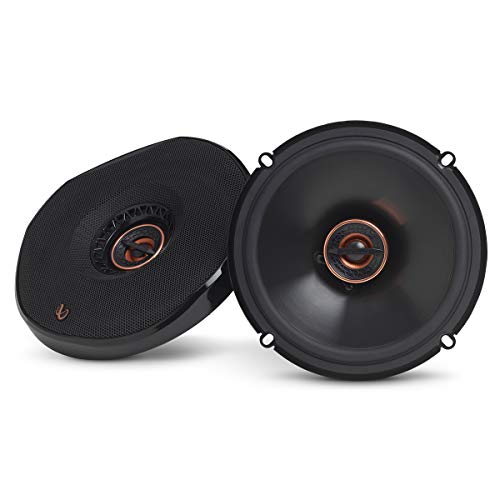
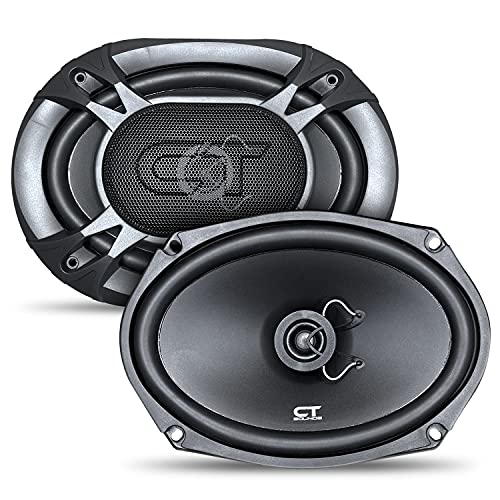


Types Compared
Each type below suits a different routine. Read the short notes, then check the product table above for a quick side by side view. The right type is the one that fits your space, your habits, and your budget at the same time.
| Type | Best For | Pros | Cons | Typical Price |
|---|---|---|---|---|
| Coaxial models | daily commutes | Suits its main use well | May lack extra features at low prices. | about $100 to $250 |
| Component models | long road trips | Suits its main use well | Needs more space or setup time. | about $150 to $350 |
| Bass focused models | music focused drives | Suits its main use well | Costs more for premium build quality. | about $200 to $450 |
Coaxial models
Single unit models that suit simple upgrades and factory openings. Think about where you will use it most and how often it will run each week. A type that matches your main task will feel natural, while a poor match can feel awkward even if it costs more.
Check size, controls, and daily upkeep before you decide. Simple controls and easy cleaning often matter more over time than a long list of extra modes. If possible, compare the type against your current setup and note what would actually improve.
Component models
Separate tweeter models that suit clearer sound staging.
Bass focused models
Models that suit fuller low end for music with strong bass.
Key Features to Compare
Use these features as a short checklist. A product that meets your top three is usually a better buy than one with a long list of extras you will never use.
- speaker size for your doors
- power handling for your stereo
- sensitivity for volume
- tweeter clarity for vocals
- installation depth and fit
Speaker size for your doors deserves a close look because it shapes daily comfort and long term satisfaction. Compare how each option handles this point, and ask whether the difference is worth the price gap. A small gain here can matter a lot when you use the product every day.
Power handling for your stereo deserves a close look because it shapes daily comfort and long term satisfaction.
Sensitivity for volume deserves a close look because it shapes daily comfort and long term satisfaction.
Tweeter clarity for vocals deserves a close look because it shapes daily comfort and long term satisfaction.
Installation depth and fit deserves a close look because it shapes daily comfort and long term satisfaction.
Who Should Buy Which Type
Think about your main use first, then your space and budget. The groups below show which strengths matter most for each case.
For daily commutes
Buyers focused on daily commutes should favour comfort, fit, and ease of use over extra features. Look for a type that handles this use well without forcing compromises elsewhere. Set a clear budget, then compare only options that meet your core needs.
For long road trips
Buyers focused on long road trips should favour comfort, fit, and ease of use over extra features.
For music focused drives
Buyers focused on music focused drives should favour comfort, fit, and ease of use over extra features.
Related Guides to Compare
These related guides cover neighbouring choices that buyers often weigh at the same time: best aftermarket car speakers for bass, best aftermarket car audio speakers, best sounding car speakers, best aftermarket speakers and best sub speakers for car. Reading one or two of them can clarify the trade offs before you commit.
Care and Long Term Value
Good door panel and wiring care protects your purchase and keeps performance steady over time. Follow the maker guidance for cleaning and storage, and check moving parts or surfaces on a regular schedule. Small habits here often extend useful life far more than a higher price alone.
Think about running costs as well as the purchase price. Consumables, replacement parts, and energy use all add up across a year. A modest option with low running costs can be better value than a costly option that is expensive to keep.
Common Mistakes to Avoid
One common mistake is choosing on price alone without checking fit for your space and routine. Another is assuming that more features always mean better results. Focus on the features tied to your main use, and treat the rest as a bonus rather than a reason to buy.
Also avoid skipping basic checks such as size, compatibility, and return terms. Measure first, confirm connections and power needs, and keep packaging until you are sure the choice works in your home. These simple steps prevent most buyer's remorse.
Frequently Asked Questions
How do I choose the right car speakers for my needs?
Start with your main use and your space, then compare the types in this guide against those needs. Check size, core features, and daily upkeep before you look at price. A short list of two or three strong options makes the final choice much easier and avoids paying for extras you will not use.
How much should I expect to spend on car speakers?
Prices vary by size, build quality, and features, so set a range before you shop and compare options inside it. A mid range option often gives the best balance of quality and value for everyday use. Spend more only when a specific feature clearly improves your main task.
What features matter most when comparing car speakers?
Focus on the features tied to your routine, such as fit, comfort, controls, and ease of care. The key features section above lists the points buyers most often wish they had checked. Compare those points first, and treat extra modes as a bonus rather than a deciding factor.
How do I care for car speakers over time?
Follow the maker guidance for cleaning and storage, and check the product on a regular schedule for wear or damage. Simple care habits protect performance and extend useful life. Keep spare parts or consumables in mind when you compare long term costs across options.
Can I return or exchange car speakers if it does not fit my needs?
Check return terms before you order, including time limits, restocking rules, and who pays return shipping. Keep packaging until you have tested fit and basic use at home. Clear return terms make it safer to try an option that looks right on paper.
Final Thoughts
Start from your main use, your space, and your budget, then use the product table above to narrow the short list. The best choice is the one that handles your routine well without extra complexity. Take time to compare two or three strong options before you order.
If you want a simple next step, revisit the features that matter most for your routine and pick the option that meets them best. That approach keeps the decision calm and practical, and it works well for best aftermarket car speakers buyers of every level.


