Best Aeroponic System for 2026: Everything to Know Before Your First Purchase
Disclosure: We may earn a commission when you buy through links on this page, at no extra cost to you. As an Amazon Associate I earn from qualifying purchases. Learn more

The best aeroponic system suits your space and crops. Learn the key features, upkeep, and beginner mistakes to avoid before you buy.
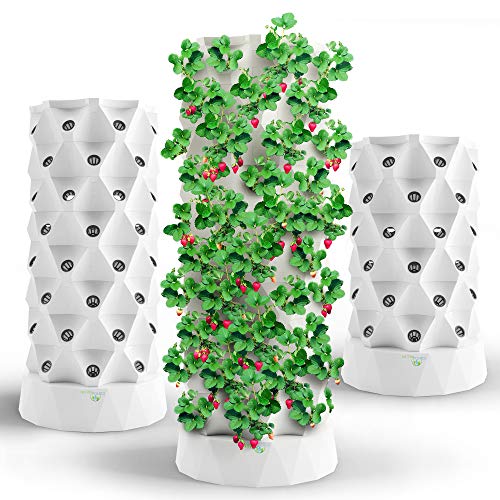
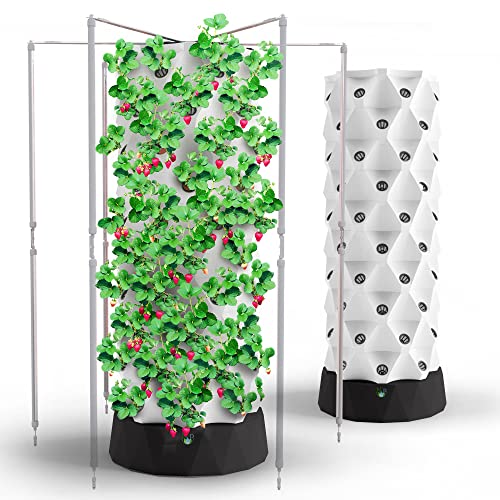
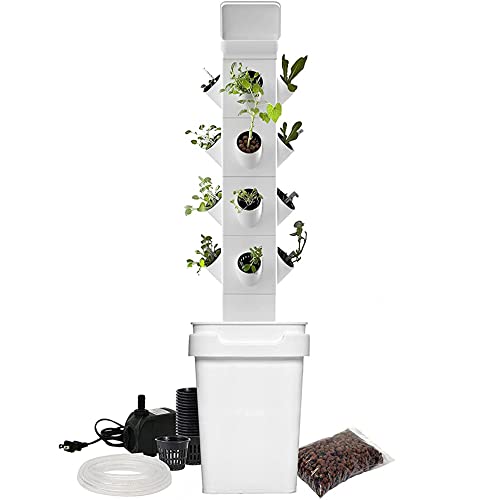
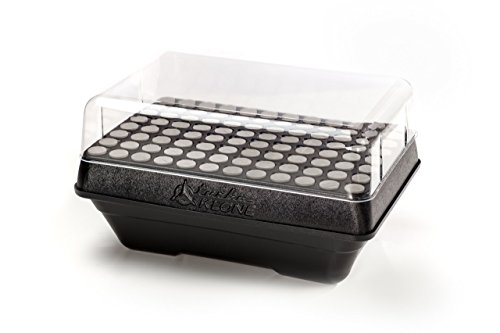
Shopping for your first mist based growing setup can feel confusing, because the options look similar at first glance but behave very differently once they are running. This guide explains the basics in plain language, compares the features that matter most, and helps you match a setup to your space, your crops, and your budget. The best aeroponic system for you is the one that fits your daily routine, not the largest or most expensive option on the page, so use the product table to weigh the main types side by side.
An aeroponic setup grows plants with their roots hanging in air and misted with a nutrient solution, rather than planted in soil. That design can save floor space and use water efficiently, but it also means the pump, timer, and nozzles do more of the work, so reliability matters. Read on for the terms, the specs, and the beginner mistakes worth avoiding before you spend anything.



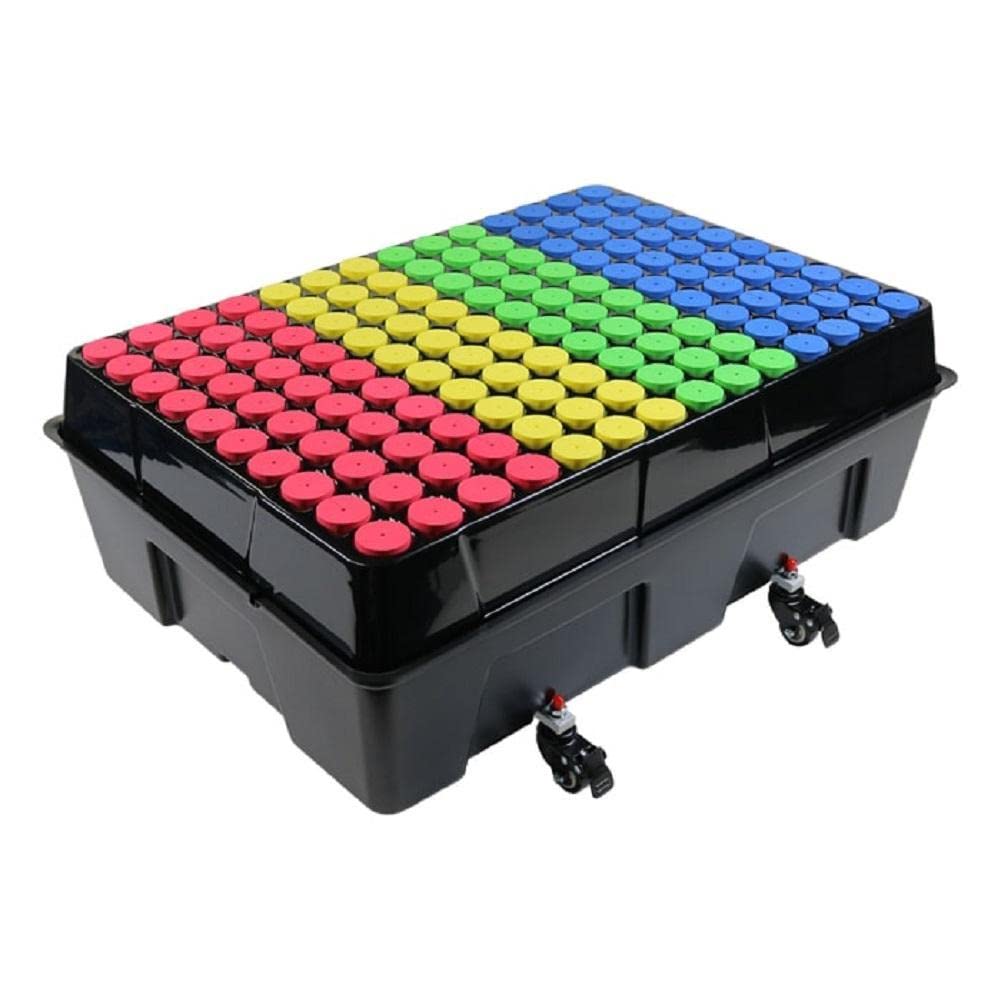


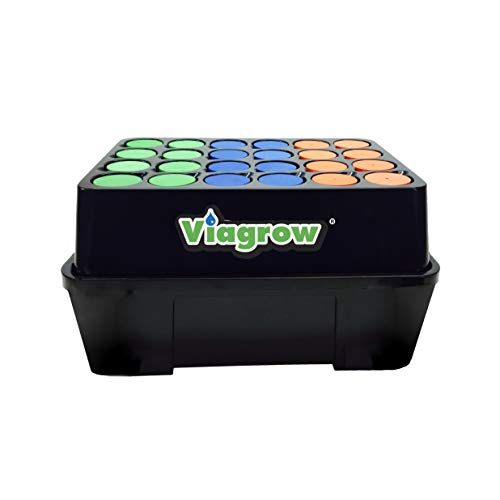
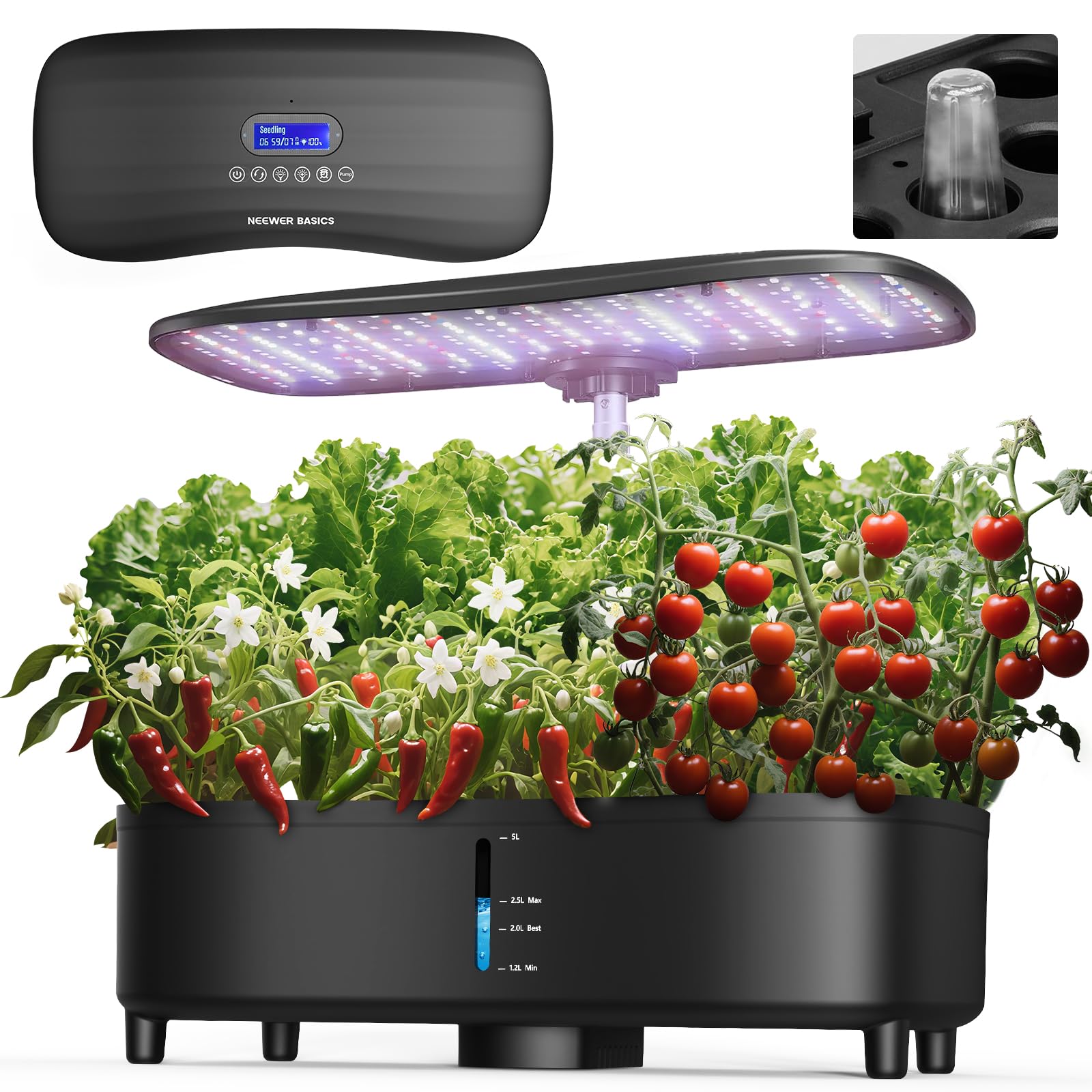
Aeroponic Systems 101: The Basics
In an aeroponic setup, plant roots sit inside a dark chamber while a pump pushes nutrient solution through spray nozzles at set intervals. The fine mist keeps roots moist and oxygenated, which supports steady growth without soil. Most home setups include a reservoir, a pump, a timer, nozzles, net pots, and a lid or cover that blocks light from the root chamber. Light in the root zone encourages algae, so a light tight chamber is a practical feature rather than a cosmetic one.
Beginners often confuse aeroponic setups with hydroponic setups. Both grow plants without soil, but hydroponic roots usually sit in water or a growing medium, while aeroponic roots hang in air between mist cycles. That difference makes aeroponic setups more sensitive to pump or timer problems, because roots dry out faster if misting stops. It also means a backup plan, such as a spare nozzle or a simple timer check routine, is worth having from day one.
Key Specs Explained in Plain English
The specs below sound technical, but each one answers a simple question about fit, effort, or running cost. Work through them in order, and skip any feature that does not change how you will actually use the setup.
Intended Use and Who It Is For
Start by naming what you plan to grow and how much of it. A small countertop unit suits herbs and leafy greens for one household, while a larger tower or multi chamber setup suits a family that wants a steady weekly harvest. If you plan to grow taller fruiting plants, check the height clearance and the support for stems, because a unit built for herbs may not suit tomatoes or peppers. Matching the unit to your crop list first keeps the rest of the choices simple.
Maintenance and Long Term Costs
Running costs include nutrient solution, replacement nozzles, filters, and electricity for the pump and lights if lights are included. Ask how often the reservoir needs a full change, how easy it is to reach the pump for cleaning, and whether nozzles are standard sizes you can replace without buying a whole kit. A setup that is hard to drain or clean will cost you time every week, and neglected reservoirs can clog nozzles and stress plants. Simple access panels and a drain valve are worth more than a flashy display.
Ease of Use and Setup
For a first purchase, clear instructions and a short setup process matter more than advanced controls. Look for a setup that arrives with labeled parts, a timer that is easy to program, and a reservoir you can fill without moving the whole unit. Some setups include grow lights and an app, while others keep controls manual. Manual controls can be a good choice for beginners, because there is less to learn and fewer settings to reset after a power cut.
Key Performance Specs
The most useful performance details are misting interval control, pump flow, reservoir size, and plant site count. Misting interval control lets you match spray cycles to plant stage and room temperature, which matters on hot days. Reservoir size sets how often you refill, and plant site count sets your harvest size. A larger reservoir means fewer refills but a heavier unit, so weigh convenience against the space you have and how often you are home to check it.
Warranty and Customer Support
A clear warranty and reachable support matter for a first purchase, because pumps and timers are the parts most likely to need help. Check what the warranty covers, how long it lasts, and whether replacement parts are sold separately. Support that can explain a clogged nozzle or a timer reset in plain language will save you more time than a long feature list. Keep the manual and the maker contact details with the unit so you can find them quickly.
Safety and Certifications
Check that electrical parts are rated for the use described by the maker, and keep pumps, plugs, and power supplies dry and away from standing water. Follow the maker guidance for placement, cord routing, and cleaning, and keep the setup out of reach of children. If anything smells scorched, trips a breaker, or shows damaged wiring, stop using it and contact the maker. Use only nutrient products and cleaning products the maker approves for the unit.
Rookie Mistakes to Avoid
- Skipping the manual and guessing at timer settings, which can leave roots too dry or too wet.
- Choosing a unit by plant count alone, without checking height clearance, reservoir size, and access for cleaning.
- Letting light into the root chamber, which encourages algae and can clog nozzles.
- Ignoring reservoir changes and nozzle cleaning until growth slows or plants wilt.
- Buying nutrient solution in bulk before you know how much your setup actually uses each week.
Getting Started: Setup and First Use
Read the manual before first use, then assemble the unit in its final spot so you do not have to move a full reservoir later. Rinse the reservoir and chamber, fit the nozzles firmly, and run a short trial cycle with plain water to check for leaks and even mist coverage. Clean and inspect regularly, and keep a simple log of refill dates and nutrient amounts so you can spot changes early. Start with a small number of plants while you learn the rhythm of refills, cleaning, and misting intervals.
Place the unit where spills will not damage floors or nearby electronics, and where you can reach the reservoir without lifting the whole setup. Keep spare nozzles and a cleaning brush nearby, and check the timer after any power cut. If you plan to be away for several days, fill the reservoir, clean the nozzles, and ask someone to check the unit, because a missed misting cycle can set plants back quickly.
Frequently Asked Questions
How long does an aeroponic system last?
An aeroponic setup can last several years with regular cleaning and timely part replacement. Pumps, nozzles, and timers wear out sooner than the chamber or frame, so treat them as replaceable parts. The best way to extend life is to clean nozzles on schedule, change the reservoir as the maker directs, and store the unit dry if you pause growing for a season. Keep spare nozzles on hand so a clog does not turn into a plant loss.
How much should I spend on an aeroponic system?
Most first time buyers spend about $80 to $300 for a home setup, depending on size, lights, and controls. Smaller herb units sit at the lower end, while larger towers with lights cost more. Spending more usually buys capacity and convenience, such as a larger reservoir or simpler controls, rather than a guarantee of better harvests. Start with a size you can maintain easily, and upgrade only when your routine and crop list outgrow it.
Are expensive aeroponic systems worth it?
Higher priced setups can be worth it when the extra cost buys a real benefit for your situation, such as easier cleaning, a larger reservoir, or sturdier fittings. They are not worth it when the added features duplicate controls you will never adjust. Compare the price gap against the time you will save each week and the crops you actually plan to grow. For many beginners, a mid priced unit with good access for cleaning beats a premium unit with features they never use.
What features matter most when buying aeroponic systems?
The features that matter most are even mist coverage, easy reservoir access, a reliable timer, and nozzles you can clean or replace without tools. Light tight root chambers and a stable base also matter, because algae and tipping cause more beginner problems than a missing display. Look for a setup that lets you check roots and nozzles quickly, since early checks catch clogs before plants suffer. Skip extras until you know your routine.
How do I maintain an aeroponic system?
Maintenance means changing the reservoir on the maker schedule, cleaning nozzles and filters, and wiping the chamber to prevent buildup. Check the timer and pump weekly, and inspect roots for signs of drying or slime during each refill. Keep a cleaning brush and spare nozzles near the unit so small jobs stay small. Record each cleaning date, because a simple log makes it easy to spot when a nozzle starts clogging more often than usual.
Choosing the Best Aeroponic System
The right choice comes down to three things: a size that fits your space and crop list, a design you can clean and refill without a struggle, and a pump and timer you can trust. Check those three first, then weigh extras such as lights or app controls against the price and the time they save. If you want to compare related growing gear, see our guide to best aeroponic sprayers for the parts that keep misting even and reliable. For most first time buyers, the best aeroponic system is the simplest unit that covers those basics well, and the picks in the product table are a good place to start comparing.