
Best Affordable Weighted Blankets: Everything to Know Before Your First Purchase for 2026
Disclosure: We may earn a commission when you buy through links on this page, at no extra cost to you. As an Amazon Associate I earn from qualifying purchases. Learn more

Shopping for the best affordable weighted blankets for the first time? Learn the terms, compare options, and avoid rookie mistakes with this easy guide.
Buying your first weighted blanket can feel oddly technical. Listings talk about fill, loft, thread counts, and certifications, and the prices swing from budget friendly to surprisingly steep. This guide slows everything down. If you are comparing best affordable weighted blankets for the first time, you will learn what the terms mean, which weight suits your body, and where a low price is smart and where it is a false saving.
We will start with the basics, then walk through each specification in plain English. By the end you will know how to read a listing, what to check in the comparison table below, and how to care for the blanket once it arrives.




Weighted Blankets 101: The Basics
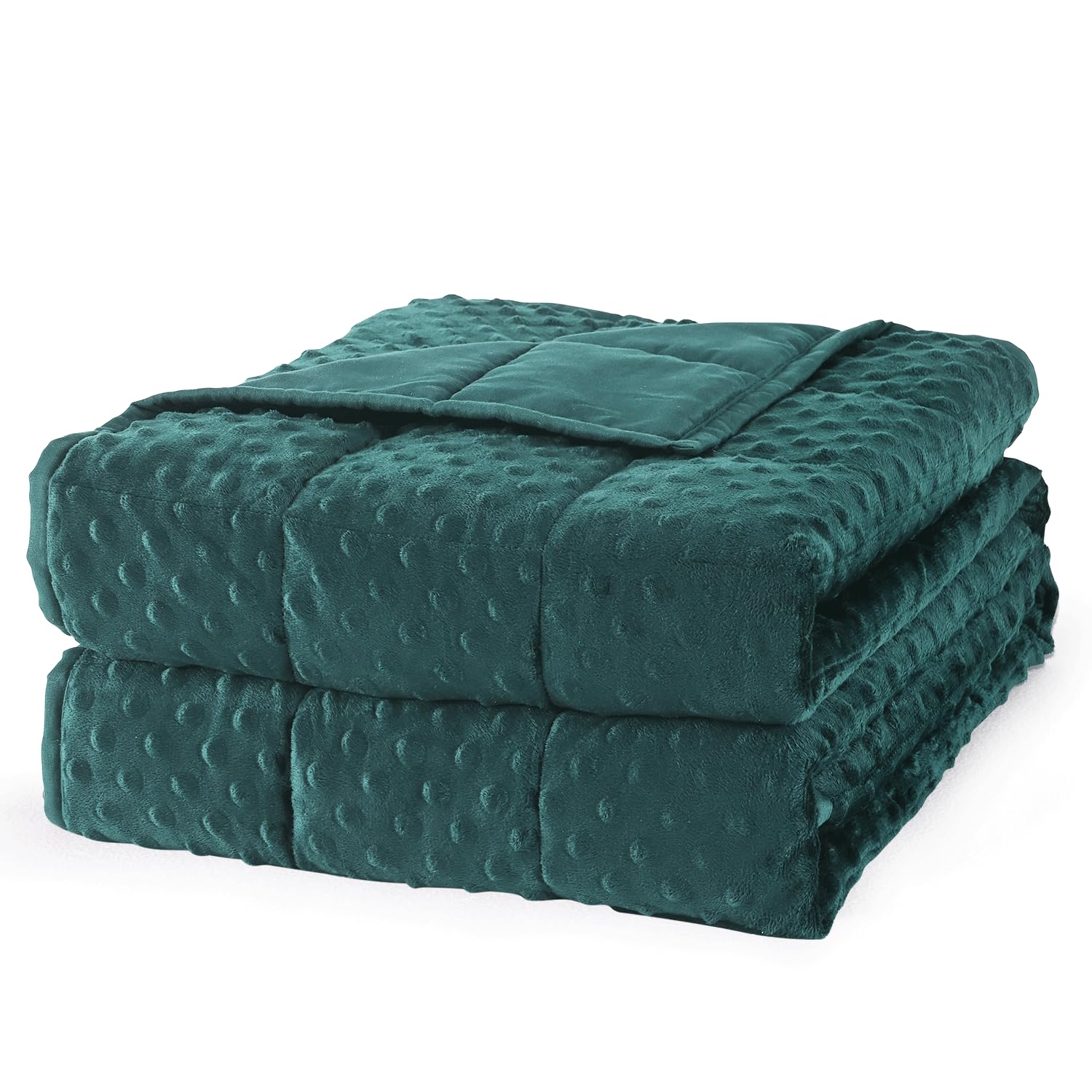
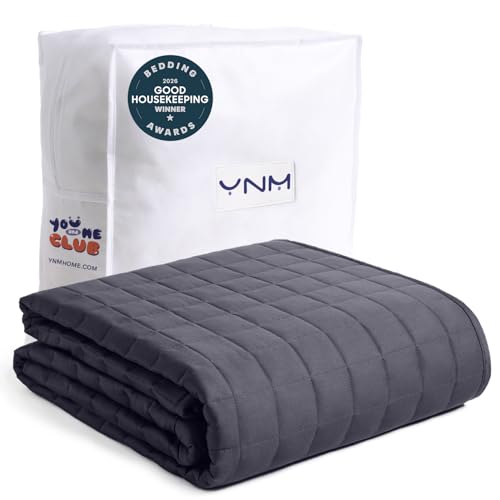
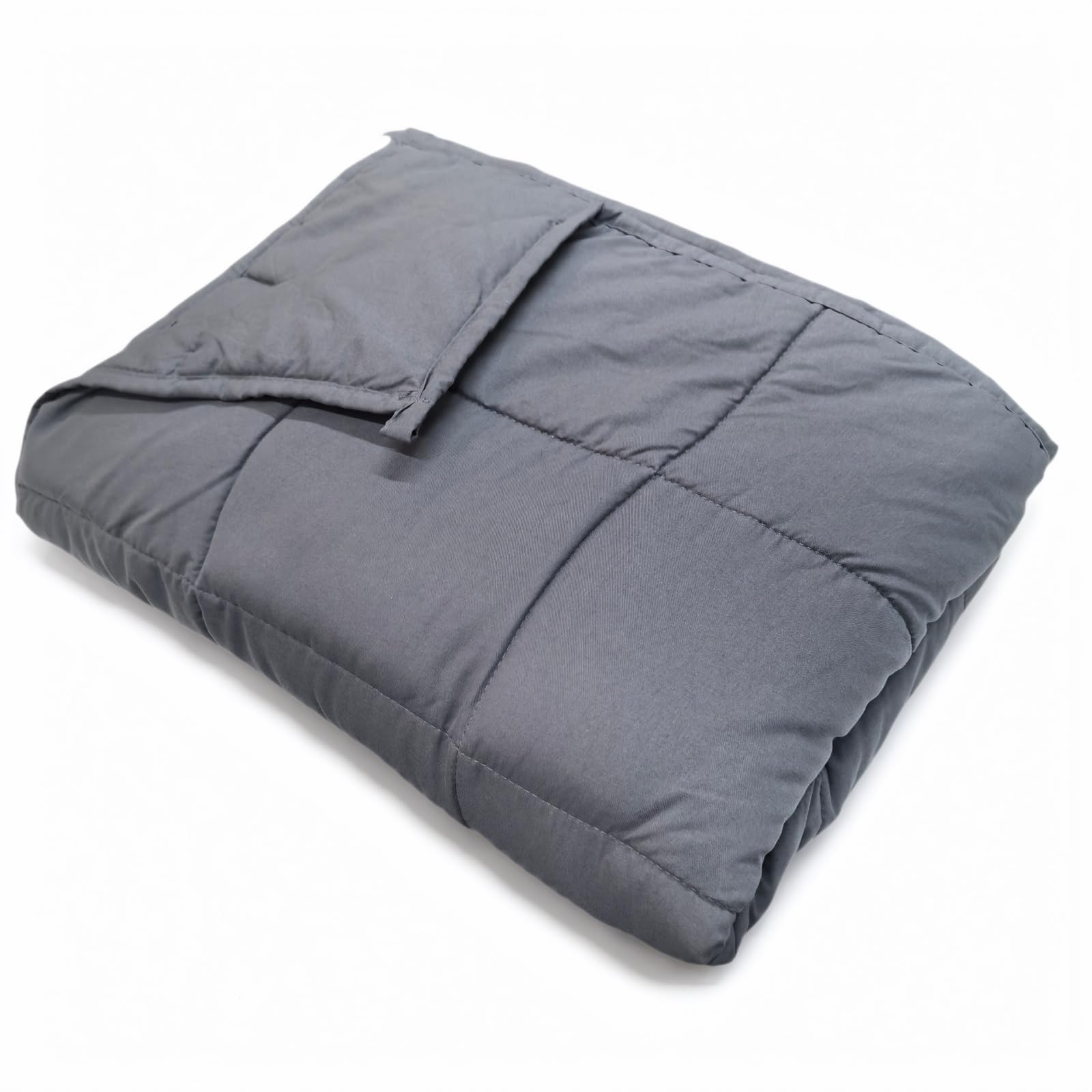
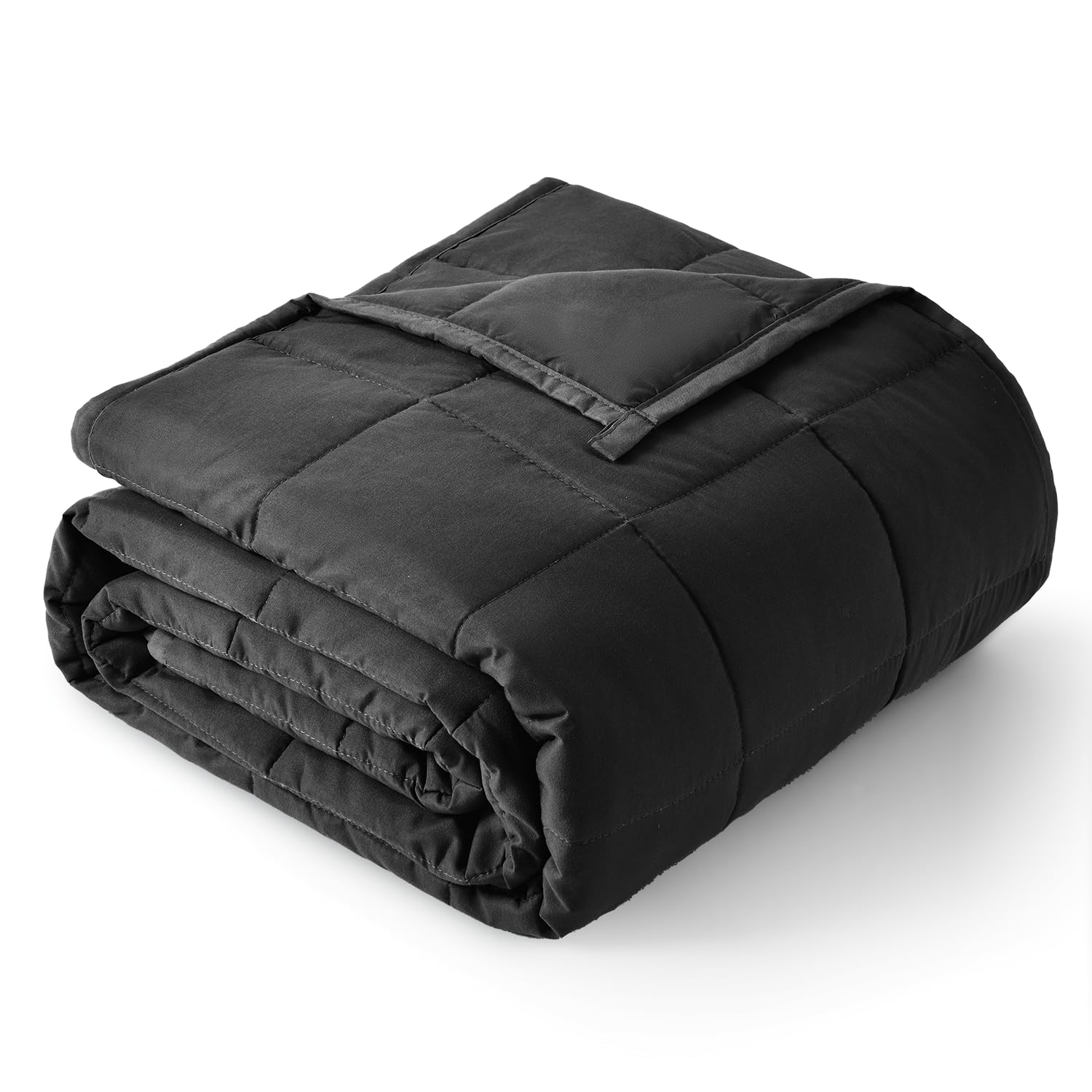
A weighted blanket is a blanket filled with small heavy materials, most often tiny glass beads, plastic pellets, or steel shot beads, sewn into a grid of pockets so the weight stays spread out. The idea is gentle, even pressure across your body, similar to a firm hug. Many people find that pressure calming at bedtime, and some use a lighter throw weight version on the couch while reading or watching television.
Two terms unlock most listings. Fill weight is the total weight of the blanket, and it is the number you match to your body weight. Loft describes how thick and puffy the blanket feels, which affects warmth more than pressure. A thin blanket can still be heavy, and a fluffy one can be light. Keep those ideas separate and the rest of the shopping decisions get much easier. If you want the broader category first, see our guide to the best affordable blankets for regular options without added weight.
Key Specs Explained in Plain English
What You Can Realistically Get on a Budget
Around $40 to $80 is the normal budget zone for a personal size weighted blanket, and at that level you can expect glass bead fill, a stitched pocket grid, and a cotton or microfiber shell. What usually gets cut is the extras, such as a removable washable cover, organic fabrics, and very even stitching on the largest sizes. Do not save money on pocket construction, because poor stitching lets fill pool in one corner. A plain blanket with secure pockets beats a fancy one that leaks beads.
Material and Fill
Glass beads are the most common fill because they are dense, smooth, and quiet when you move. Plastic pellets cost less but feel bulkier, and steel shot beads pack the most weight into the thinnest layer. For the shell, cotton percale feels crisp and breathes well, cotton sateen feels smoother and slightly warmer, and brushed microfiber feels soft but can trap heat. Some blankets add a thin layer of polyester batting around the fill for a softer hand feel. Note that terms borrowed from mattresses, such as memory foam and latex, do not really apply here, since the pressure comes from the fill, not from foam.
Firmness, Loft, and Sleep Position
Weighted blankets do not have mattress style firmness, so choose by weight and warmth instead. A common starting point is about ten percent of your body weight, and our guide to the best weight for weighted blankets walks through the math for different body sizes. Side sleepers often prefer the lower end of their range so the blanket does not press on one shoulder all night. Back sleepers usually tolerate the full suggested weight. If you share a bed, consider two smaller blankets rather than one huge one, so each person gets the right pressure.
Certifications (CertiPUR US, OEKO TEX, RDS)
Certifications tell you someone independent checked the materials. OEKO TEX Standard 100 means the fabric and components were tested for harmful substances, which matters for something that touches your skin for eight hours. CertiPUR US applies to foam products, so you will see it on bedding bundles that include pillows rather than on the blanket itself. RDS, the Responsible Down Standard, only matters for down filled bedding. For a weighted blanket, OEKO TEX on the shell and a clear statement about the fill material are the two credentials worth looking for.
Cooling and Breathability
Weighted blankets sleep warm by nature, because dense fill does not let air move the way loose batting does. If you run hot, choose a cotton percale shell, skip extra batting layers, and pair the blanket with a light sheet underneath. Some models use fewer fabric layers around glass beads to shed heat faster. Thread count alone tells you little about cooling, since a very dense weave can block airflow. Hot sleepers comparing sleep focused models can also see our guide to the best weighted blankets for sleep for options built around nighttime use.
Size and Fit
Size a weighted blanket to your body and your mattress top, not to the floor. A throw size around 48 by 72 inches suits one person on a twin or full bed and doubles as a couch blanket, and our guide to the best weighted throw blankets covers that format in depth. Larger sizes for queen and king beds work best for couples who agree on one weight. The blanket should sit on top of the mattress without hanging far over the edges, because overhang pulls the weight off your body and onto the bed frame.
Rookie Mistakes to Avoid
- Buying far too heavy, assuming more weight means better sleep, when excess weight mostly means restless legs and a blanket you stop using.
- Ignoring the return policy and sleep trial, even though personal preference varies a lot and most people need a few nights to adjust.
- Choosing a blanket with no removable cover and no washing plan, then struggling to lift a soaked heavy blanket out of a home machine.
- Sharing one large blanket between partners of very different body weights, so one person is underweighted and the other is overwhelmed.
- Letting price decide everything and skipping pocket quality, which is the feature that decides whether the weight stays even after a year.
Getting Started: Setup and First Use
When the box arrives, lay the blanket flat on the bed for an hour so the fill settles evenly into its pockets, and give each corner a gentle shake. Use it over your usual top sheet for the first few nights, starting with just your legs covered if the full weight feels like a lot. Most people adjust within about a week. Add a duvet cover if your model supports one, because washing a cover is far easier than washing the blanket itself. Keep the blanket on your own bed rather than rotating it around the house, and fold it rather than dragging it, since dragging stresses the pocket stitching. Wash your sheets weekly in warm water as usual, and let the blanket itself air out on the bed each morning.
One safety note belongs here. Weighted blankets are not for young children, and no one should use one if they cannot lift it off themselves. People who are pregnant, or who live with sleep apnea, breathing problems, circulation issues, or recent surgery, should talk with their clinician before using one. Stop using the blanket and seek medical advice if you notice breathing difficulty, numbness, or new pain.
FAQs
How often should I replace my weighted blanket?
Plan on about five to seven years for a well made blanket used nightly. Replace it sooner if fill starts pooling in a few pockets, seams split, or the shell thins and leaks beads. Washing gently and using a cover stretches the lifespan, because most wear comes from laundering and dragging rather than from sleeping under it.
What firmness is best for back pain?
Weighted blankets do not come in firmness levels, so there is no firmness setting to choose for back pain. What you control is total weight, and a lighter blanket in your suggested range places less load on your lower back. A weighted blanket is a comfort item, not a treatment. If back pain is ongoing, worsening, or paired with numbness or weakness, talk with your clinician about causes and treatment instead of buying bedding to fix it.
How do I wash weighted blankets safely?
Check the care label first, because fill type decides the method. Many glass bead blankets up to about 15 lb can go in a large home machine on a gentle cycle with cold water, while heavier ones need a commercial machine at a laundromat so the drum and your appliance stay safe. Air dry or tumble on low, and wash a removable cover far more often than the blanket itself.
Are cooling weighted blankets worth it for hot sleepers?
They can be worth it if heat is the reason you kick off normal blankets. A breathable cotton shell and minimal batting make a real difference, though no weighted blanket feels as cool as a plain sheet. Try the lighter end of your weight range too, since less fill often means less trapped warmth. If night sweats are new or severe, mention them to your clinician rather than only changing bedding.
Is a higher thread count always better?
No, a higher thread count is not always better. Beyond a moderate range, extra threads mostly add density, which can trap heat and add cost without adding comfort. For a weighted blanket shell, the weave type, cotton quality, and stitch strength matter more than a big thread count number. A percale weave at a modest count often breathes better and lasts just as long.
Final Thoughts
Choose the weight from your body weight, the shell from how warm you sleep, and the construction from the pocket stitching. Those three decisions matter more than color or branding. The product table above gathers the shortlist so you can compare weights and sizes at a glance, and readers who want to step up in materials can see our guide to the best quality weighted blankets next. Pick the right best affordable weighted blankets for your body, give yourself a week to adjust, and talk with your clinician if you have any health condition that affects breathing, circulation, or sleep.


