
Best Affordable Boots for Every Need in 2026: How to Pick the Right One
Disclosure: We may earn a commission when you buy through links on this page, at no extra cost to you. As an Amazon Associate I earn from qualifying purchases. Learn more

Match the best affordable boots to your use first: work, weather, or trail. Compare fit, traction, and the trade offs a budget makes.
There is no single best boot at a low price, because a boot that earns its keep on a warehouse floor is the wrong shape for a wet trail or a winter commute. The best affordable boots are the ones whose materials and construction match the job you actually do, bought at the tier where the trade offs still leave that job covered.
Affordable is a trade class, and the trades are always the same three: leather grade, sole construction, and lining. Start with your use, then check the product table against it. If cold is your main concern, the guides to men's winter boots and women's winter boots go deeper on insulation.
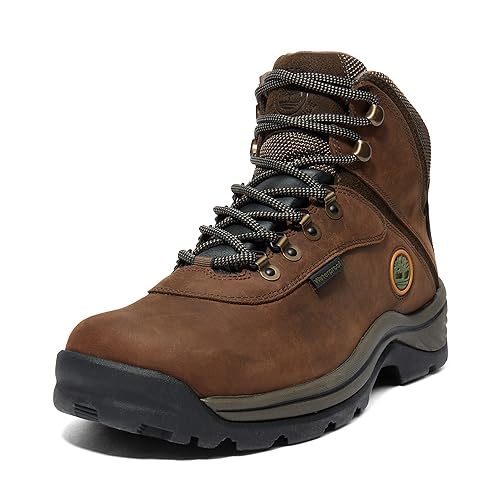
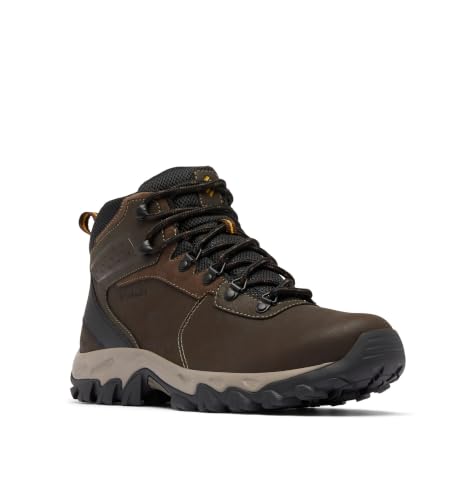


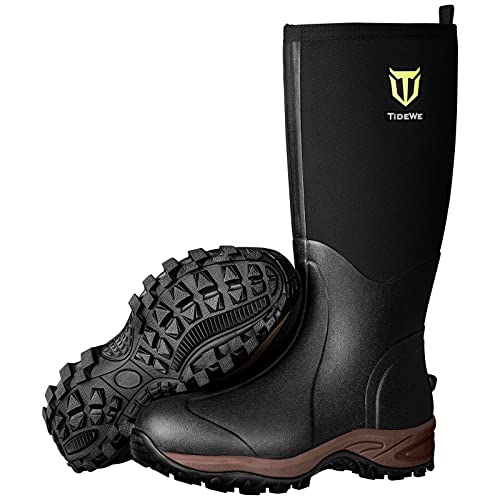


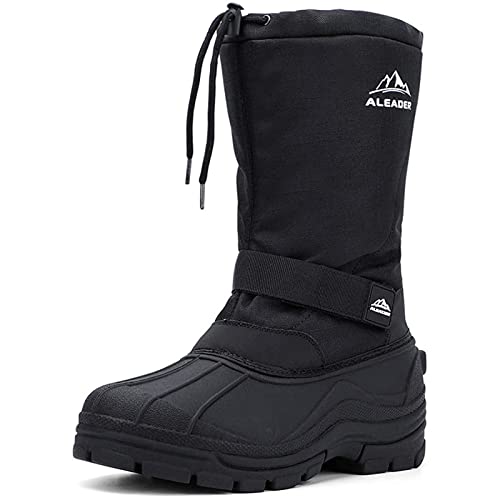

Who Should Buy Which Boots?
For Daily Work and Long Shifts
If your boots earn money, durability and all day comfort outrank looks. Look for a cushioned midsole, a supportive insole you can replace, and an upper that survives scuffs, dust, and being kicked off at the door. Stitched welt construction costs more up front but can be resoled, which stretches the life of a work pair across years instead of seasons. Where your job rates a safety toe class, that class is not a trade: a certified toe is a requirement, never a place to save money.
For Bad Weather and Tough Conditions
Wet ground changes the shopping list. A waterproof membrane keeps rain and slush out, sealed seams stop the leaks that stitching invites, and a deeper lug outsole grips mud and wet pavement where a flat sole slides. Taller shafts suit snow and soaked grass, while shorter waterproof boots handle rainy commutes. Expect weatherproof pairs to run a little warmer and to cost more than the same boot without the membrane, and budget for the care products that keep the barrier working. For wet yards and farm chores, a pair from the best rain boots guide may suit better than a hiking boot.
For Travel and Easy Storage
Travellers and small closets reward the opposite virtues. Lightweight boots with flexible soles pack flatter, take up less of a suitcase, and feel kind on sightseeing days when the miles come from pavements rather than trails. Soft uppers fold into corners that stiff leather will not, and a pair that doubles for dinners out saves packing a second pair entirely. The trade is support and lifespan: a packable boot is a trip tool, not a daily driver.
Key Features to Compare
Break In Period and Comfort Out of the Box
Stiff leather boots mould to your feet over the first weeks, and that break in period is normal rather than a defect. Flexible synthetic and soft leather boots feel comfortable immediately but tend to support less once they soften further. Plan the purchase so the first long day is not the day you most need the boots, and wear new pairs around the house and on short walks first. Pain that goes beyond mild stiffness, such as numbness or hot spots that blister quickly, is a fit problem, not a break in problem.
What You Can Realistically Get on a Budget
At about $50 to $90, expect cemented soles, thinner leather or mostly synthetic uppers, and basic foam lining, a combination that can still serve light work and casual wear for a few seasons. At about $90 to $140, leather gets thicker, membranes appear, and insoles improve. The lowest tier covers the basics honestly, while the next tier up removes the compromises you feel daily. Never save on fit or on a rated safety class to reach a lower tier.
Fit, Sizing, and Toe Box
Measure your feet late in the day, when they are at their largest, and try boots on with the socks you will actually wear. Your toes should clear the front when you stand, the heel should stay seated when you walk, and the widest part of your foot should meet the widest part of the boot. A roomy toe box matters more as the day lengthens, because feet swell, while a narrow fashion last in a work boot is a recipe for sore toes by mid afternoon. Sizes vary between makers, so treat your usual number as a starting guess.
Outsole Traction and Terrain
The outsole is where a boot meets your actual life. Deep, widely spaced lugs shed mud and bite into soft ground, smooth shallow tread suits concrete and indoor floors, and soft rubber compounds grip wet stone better while wearing faster. Match the pattern to the surface you cross most: a trail lug on polished floors is wasted, and a flat sole on a muddy site is a fall waiting for a wet morning. Check that the tread is a real depth of rubber rather than a printed pattern, since printed designs wear smooth quickly.
Common Mistakes to Avoid When Buying Boots
Most disappointing pairs fail for predictable reasons, and each of them is avoidable before money changes hands.
- Buying on price alone, so the cheapest pair ends up wrong for the work, the weather, or the wearer.
- Skipping the fit check and ordering a usual size online without measuring, then living with heel slip or pinched toes.
- Treating the break in period as a flaw and returning sound boots, or the opposite error of enduring real pain and calling it break in.
- Ignoring the return window and the warranty, which matter more at low prices because construction varies the most there.
- Judging a boot only by its appearance, when a good look says nothing about how it feels after a long day of use.
Care Tips That Stretch a Budget Pair
Care is where an affordable boot closes the gap on an expensive one. Air dry wet boots at room temperature away from direct heat, because hot air cracks leather and warps sole glue, and stuff them with newspaper to draw out moisture overnight. Rotate two pairs if you wear boots daily, since a rest day lets the cushioning recover and the lining dry fully. Brush dirt off before it dries into the seams, and treat leather with the conditioner its finish calls for a few times a year.
Replace a pair when the tread wears smooth, the midsole feels packed flat, or the upper cracks through, since worn out support quietly taxes your feet and knees. A boot tray by the door also keeps melt and mud off your floors while pairs dry.
FAQs
Are expensive boots worth the extra money?
Sometimes, and the deciding factor is hours of use. Premium prices buy thicker leather, resoleable construction, and better membranes, which repay a wearer who is in boots forty hours a week across several years. For occasional wear, travel, or a growing teenager, an affordable pair that fits well is the smarter spend, because the expensive advantages mostly show up as lifespan. Cost per wear, not the ticket price, is the honest comparison.
Can affordable boots be worn all day?
Yes, provided the fit is right and the insole suits your feet. Most all day discomfort in budget boots comes from thin stock insoles, and a replacement insole at about $15 to $30 is the single best upgrade a cheap pair can receive. Build up wearing time over the first week rather than debuting them on the longest shift of the month. If soreness sharpens into persistent pain in the heel, arch, or joints, ask a doctor or clinician rather than shopping for a softer boot.
How often should boots be replaced?
Replace boots by condition, not by calendar. The clear signs are tread worn smooth on the heel or ball, a midsole that feels dead and packed, cracked uppers that let water through seams, or a lining worn through at the heel. A daily work pair may reach that point in about a year, while a weekend pair can take several. One detail many owners miss: the waterproof membrane often fails before the upper does, so a boot that suddenly soaks in light rain has finished its waterproof life even if it still looks sound.
How should new boots fit at the toes and heel?
A good fit leaves roughly a thumb width of room ahead of your longest toe, holds the heel without lifting, and lets toes spread without pressing the sides. Walk a slope or a ramp if you can, since toes that touch the front on a downhill will bruise on real descents. Lace from the bottom and keep the ankle snug, because much heel slip is a lacing problem rather than a size problem. Thick socks change everything, so the fitting pair is the pair you will wear.
How long does the break in period for new boots take?
For full leather boots, expect about one to three weeks of regular short wear before the upper moulds to your foot, while soft synthetic boots may need only a day or two. Wear them for an hour or two at a time, then extend the sessions, and use the socks you plan to work or walk in. Blisters mean stop and adjust fit or lacing, not push through, since skin damage sets the whole process back. If a spot still hurts sharply after two weeks, the size or shape is wrong for your foot.
Do affordable boots need to be waterproof?
Only if your use is wet. Waterproof membranes add cost, warmth, and drying time, so a dry climate commuter or an indoor worker pays for a feature that works against comfort. For rainy regions, soaked job sites, and snow, the membrane earns its place, and pairing it with treated leather keeps the outside from drinking in water the barrier then has to hold back. One practical point: waterproof boots that do get flooded inside take far longer to dry than unlined ones, so a spare pair matters more in wet work.
Final Thoughts
Start with the use, then let the budget tier follow it. Fit decides comfort, construction decides lifespan, and the safety class, where a job rates one, is never the place to economise. The product table groups pairs by the features this guide weighs, so match its rows against your weather, your surfaces, and your hours on foot. Chosen that way, the best affordable boots stop being a gamble and become the pair you reach for without thinking.


