Best Affordable Vintage Cameras for 2026: Every Type Explained Side by Side
Disclosure: We may earn a commission when you buy through links on this page, at no extra cost to you. As an Amazon Associate I earn from qualifying purchases. Learn more

Compare affordable vintage film cameras by type, condition, lens and film cost, with a clear checklist for choosing a camera that still works well.
Shopping for a vintage film camera can feel confusing fast. Listings mix working cameras with shelf pieces, prices swing widely for the same body, and a low price can hide a dead meter or a hazy lens. The best affordable vintage cameras are not the rarest models. They still fire accurately, take film you can actually buy, and cost little enough that you can afford to shoot them often.
This guide compares the main types, explains the condition checks that matter most, and shows where a tight budget forces fair trade offs. Use the product table to match each type to your budget.




Who Should Buy Which Vintage Camera Style?
Your experience and your tolerance for quirks matter as much as your budget at the affordable end of this market.
First Time Film Shooters on a Tight Budget
You want a camera that works on the first roll, not a project. Look for a serviced 35 mm body with a working meter, fresh light seals, and a standard lens included. Avoid obscure formats and untested listings, since one repair bill can double what you paid.
Patient Bargain Hunters Comfortable With Cosmetic Wear
If scuffs and brassing do not bother you, your money goes further. Cameras with worn leatherette or small dents often sell well below clean examples while shooting exactly the same. Spend the savings on a service check, and walk away when a seller cannot confirm the shutter fires at every speed.
Students and Hobbyists Who Want Room to Grow
You need a system, not a single camera. Choose a common lens mount with plenty of used lenses at fair prices, plus manual and automatic exposure on the body. If your budget can stretch further, see our guide to the best vintage cameras for the wider picture before you narrow down by price.
Types of Vintage Cameras Compared
That is why the best affordable vintage cameras are usually common models made in large numbers, since parts, lenses, and repair knowledge remain easy to find. Start with the type, because it decides your film cost and focusing style.
Film SLR Cameras
An SLR shows the scene through the taking lens, so what you see is what the film records. Student era bodies with a standard manual focus lens often sell for around $100 to $250. They are larger and louder than other types, and old meters can drift. Choose an SLR to learn exposure properly and build a lens kit slowly.
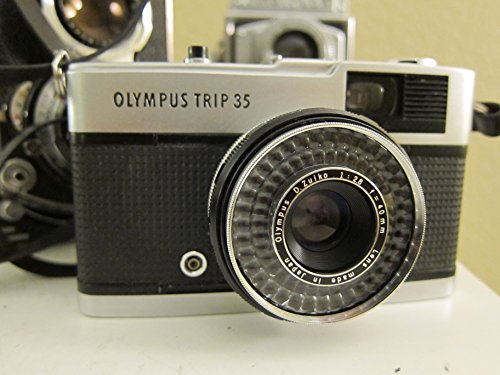
Rangefinder Cameras
A rangefinder focuses through a bright window with a small overlapping patch, and many affordable models have a fixed lens. These cameras are quiet and compact, and working examples often cost under $150. You give up close focusing and exact framing, since the viewfinder sits apart from the lens. Choose one for street and travel scenes where discretion matters.
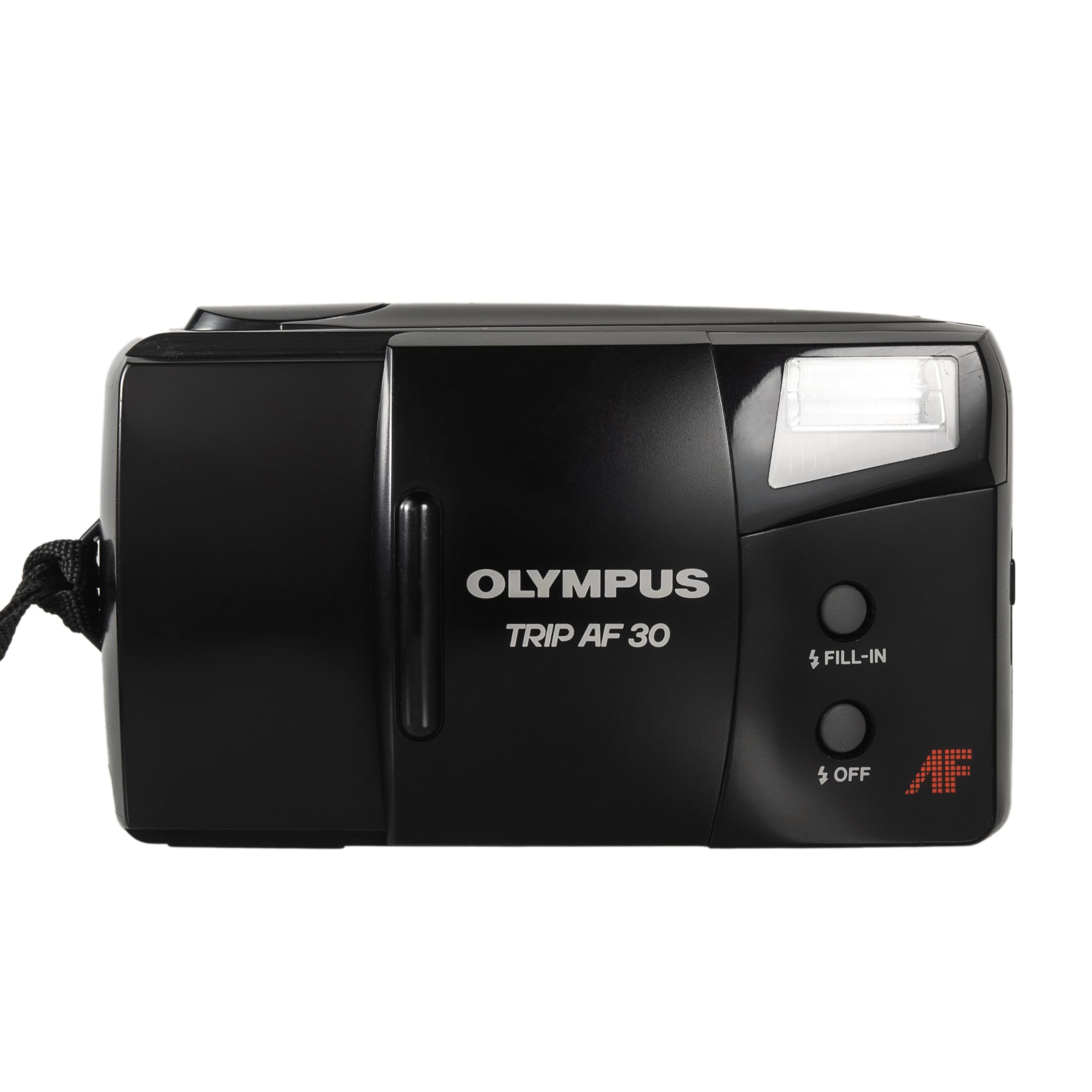
Compact Point and Shoot Cameras
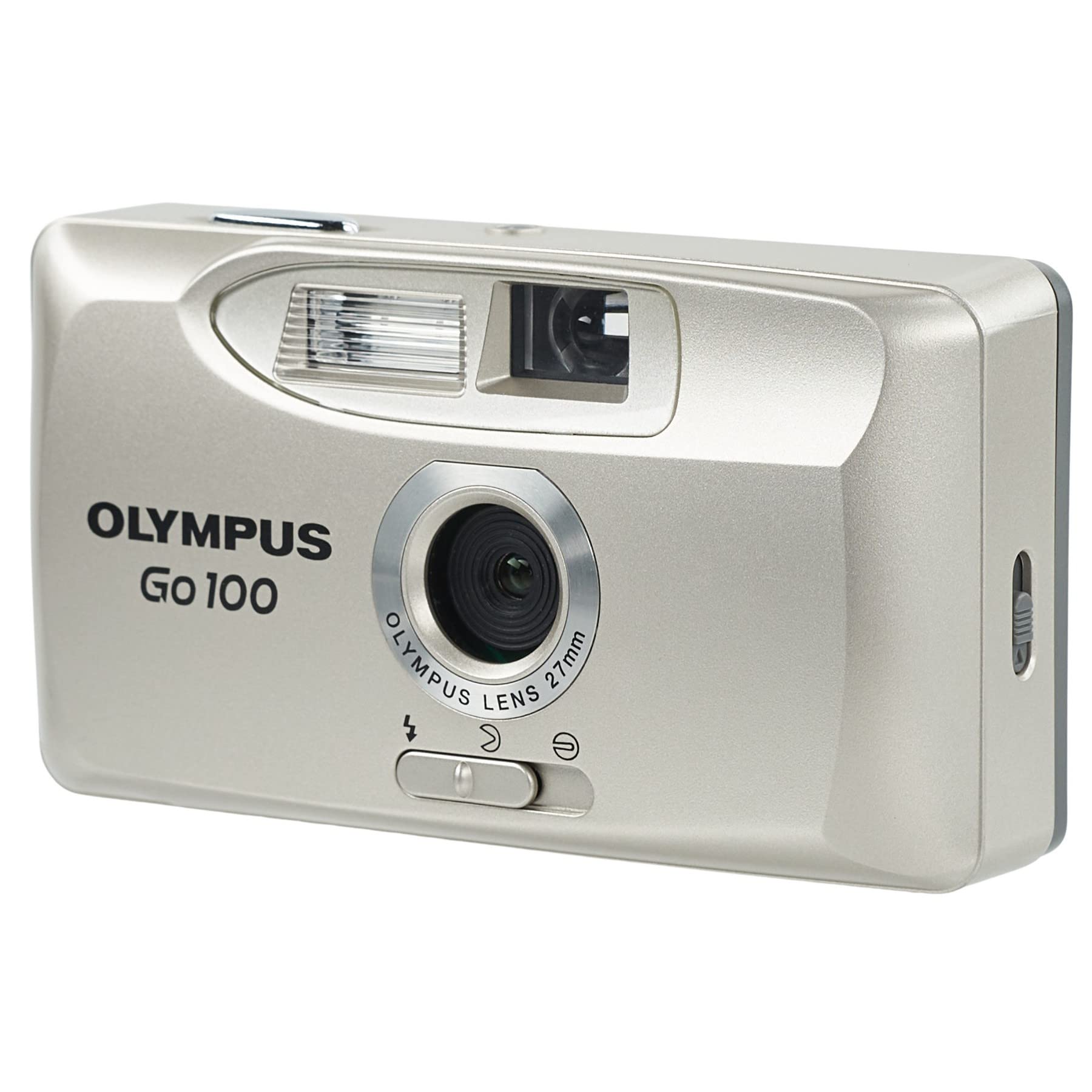
Late film compacts add autofocus, automatic exposure, and a built in flash in a pocket size body. Basic models often sell for under $75, while fashionable ones cost more than their results justify. The catch is electronics, since a failed circuit board is rarely worth repairing. Choose this type for casual snapshots, and check every function first.
Twin Lens Reflex and Instant Cameras
A twin lens reflex uses one lens for viewing and one for taking, shoots larger medium format film, and offers a calm waist level view. Instant cameras trade image detail for immediate prints. Both types set their real cost in film, not the body, so confirm film is easy to buy before you commit.
SLR Versus Rangefinder Vintage Cameras: Which Should You Choose?
An SLR wins on versatility, since you can swap lenses, focus close, and preview depth of field through the finder. A rangefinder wins on size and quiet, with no mirror to move and a bright finder that stays clear as light falls. Servicing costs are similar for simple mechanical bodies. Pick the SLR for varied subjects and learning, and the rangefinder for travel and street scenes, especially if one fixed lens covers how you shoot.
How to Choose the Right Vintage Camera
Work through these checks in order, because condition decides value more than the model name. For a wider look at budget choices, see our guide to the best affordable photography cameras and then return to these film specific checks.
What $50 to $250 Buys in a Working Film Camera
At this end of the market, expect a working camera, not a perfect one. About $50 to $150 usually buys a working compact, a fixed lens rangefinder, or a basic SLR body that may still need seals. About $150 to $250 more often includes a standard lens and recent service. Compromise on cosmetic wear, never on lens clarity or function.
Condition, Light Seals, and Service History
Foam light seals crumble with age and leak light onto film, leaving streaks along the frame edges. Ask when the seals were replaced and whether the camera has had a clean, lube, and adjust service, often shortened to CLA in listings. A serviced camera beats a cheaper unknown one, because seal work can cost as much as the body itself.
Lens Condition and Lens Choice
The lens shapes your image more than the body, so inspect it closely. Hold the glass toward a bright light and check for fungus, which looks like tiny branching threads, plus haze and deep scratches. Light cleaning marks rarely matter, but fungus spreads and etches coatings. Confirm the focus ring turns smoothly and the aperture blades move cleanly, with no oil on them.
Film Format and Image Quality
Format decides both image character and running cost. Standard 35 mm film is the cheapest to buy and develop, and its smaller negatives still print well at modest sizes. Medium format film gives larger negatives, finer detail, and smoother tones, but a roll holds far fewer frames and costs more. For a first camera, 35 mm keeps the learning cheap.
Shutter Accuracy and the Light Meter
Fire the shutter at every speed and listen for slow speeds that drag or stick, a sign that old lubricants have thickened. Check that the film advance feels even. Many meters need batteries no longer made in their original form, so confirm a modern substitute exists and the meter reacts sensibly to light. If you are weighing film against newer options, see our guide to the best cameras affordable.
Size, Weight, and Ergonomics
A camera you leave at home takes no pictures. Metal SLR bodies feel solid but grow heavy on a long day of travel, while compact models slip into a jacket pocket. Small dials, stiff advance levers, and dim finders tire your hands and eyes during a roll. If you wear glasses, check you can see the whole finder frame at once.
Common Mistakes to Avoid
Most disappointing purchases follow the same few patterns, and each is easy to sidestep.
- Buying on looks alone without firing the shutter, so your first roll comes back blank.
- Ignoring fungus or haze in the lens, so contrast drops and the damage keeps spreading.
- Treating every low price as a bargain, so repairs cost more than a serviced camera.
- Forgetting film and developing costs, so a cheap body turns expensive within a few rolls.
- Choosing a camera that uses discontinued film, so you cannot shoot it without hunting rare stock.
- Paying extra for a famous name, so the same money buys a plainer model in better condition.
Care and Maintenance for Vintage Film Cameras
Clean the lens with a soft lens cloth, not your shirt, since grit in fabric can scratch coatings. Carry a spare battery for the meter, store the camera in a dry, padded bag away from damp rooms, and keep silica gel packs nearby in humid weather. Exercise the shutter monthly if the camera sits unused.
Never open the body to fix a stuck mechanism yourself, since springs and shutter curtains damage easily. A qualified repair tech can replace seals, clean optics, and adjust speeds, often for less than replacing a ruined camera.
FAQ
Which vintage camera type is best for low light shooting?
A fast lens matters more than the camera type. Look for a lens marked f/2 or wider, since it gathers far more light than a slow f/3.5 lens. Rangefinders stay easy to focus as light falls because the finder does not dim. Pair the lens with film rated at ISO 400 or 800, and brace against a wall.
What is the difference between 35 mm and medium format vintage cameras?
The difference is negative size, and it changes cost as much as quality. A 35 mm roll holds about 24 to 36 small frames and stays cheap to shoot. Medium format negatives are several times larger, so scans hold more detail, but a roll may hold only 12 frames. Beginners learn faster on 35 mm because each mistake costs less.
What should first time buyers check first on an affordable vintage camera?
Check function before finish, starting with the shutter and the lens. Fire every speed, open the back to watch the mechanism move, and shine a light through the glass to spot fungus. Then confirm the film type is still sold. A recent sample roll or a short return window is a useful extra safeguard.
How much should I spend on my first vintage camera?
About $100 to $250 covers most sensible first purchases, including a working body, a standard lens, and fresh seals. Spending less often shifts the cost into repairs, while spending more mostly buys rarity or cosmetics. Keep part of the budget for film and developing. If the total climbs, see our guide to the best affordable digital cameras.
Can a smartphone replace a vintage film camera?
A smartphone cannot fully replace one, because the appeal is the process as much as the picture. Film slows you down, limits each roll, and gives grain and color that phone processing only imitates. A phone wins on cost per photo and instant sharing. Many shooters carry both, using the phone for quick records and film for deliberate outings.
Wrapping Up
Start with the type that fits your subjects, then judge each listing on condition, lens clarity, and service history. Running costs matter as much as the sticker price, and a serviced common model beats a rare bargain that needs work. The best affordable vintage cameras pass those checks, so compare your shortlist against the product table before you order.