Best Affordable Table Saws 2026: A Workshop Guide
Disclosure: We may earn a commission when you buy through links on this page, at no extra cost to you. As an Amazon Associate I earn from qualifying purchases. Learn more

Learn how to choose an affordable table saw, from safety features and fence accuracy to blade size, dust control, and workshop space for home projects.
A table saw is the heart of many home workshops, but affordable models vary in safety, fence accuracy, and dust control. A careful best affordable table saws guide helps first time buyers and hobby woodworkers choose a saw that cuts accurately and safely within a realistic budget. The comparison table below gives a quick overview.
Safety comes first with any table saw, since a spinning blade demands respect, proper guards, and disciplined work habits. This guide explains saw types, safety features, fence systems, and workshop needs in plain language, so you can choose a machine that supports good work without unnecessary risk.


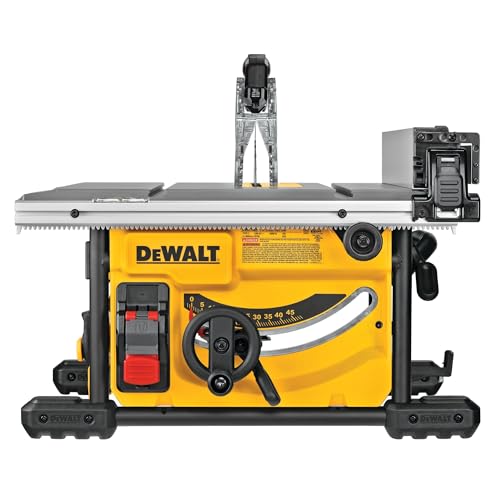

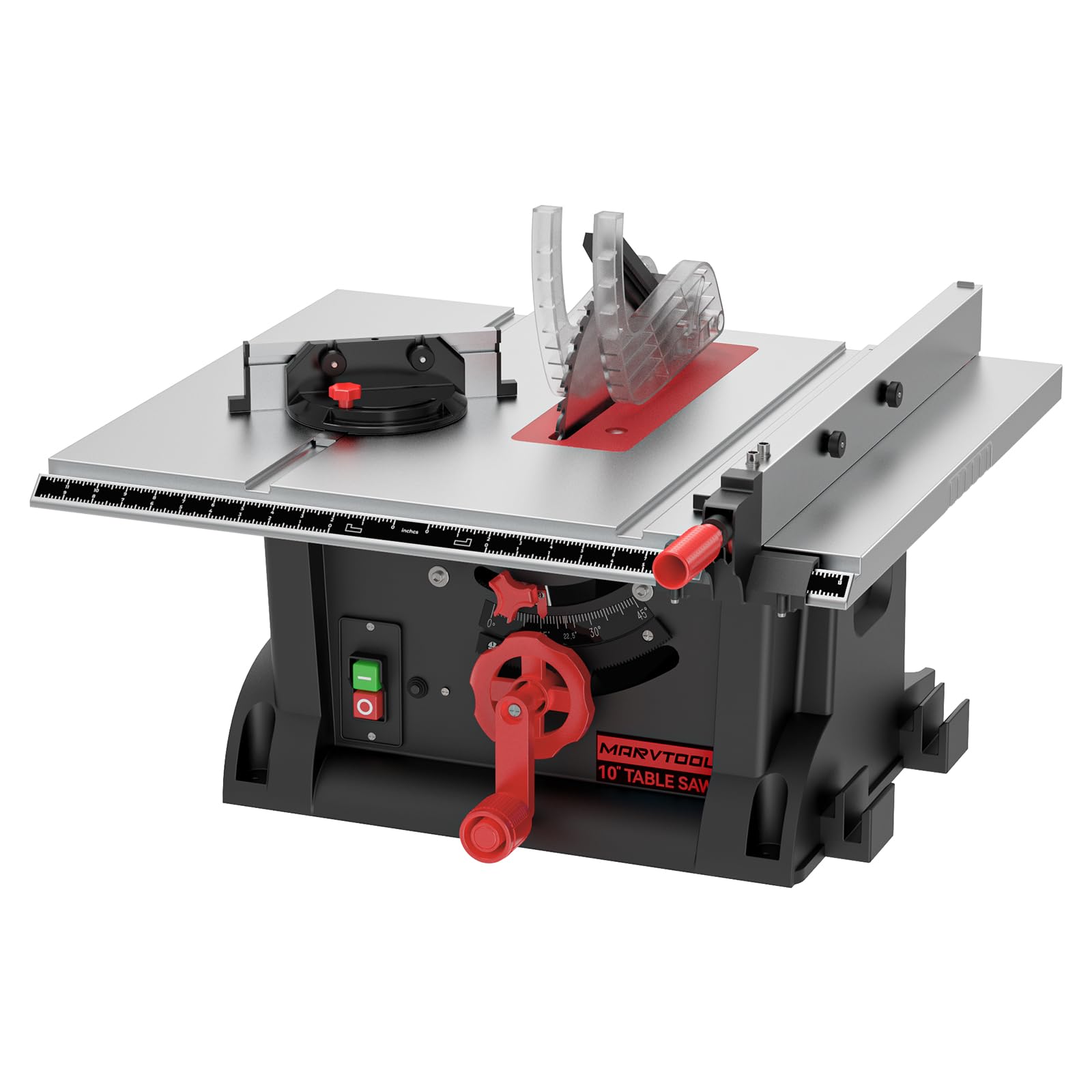


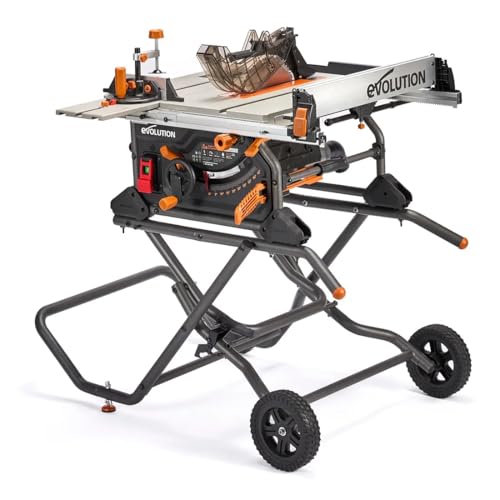
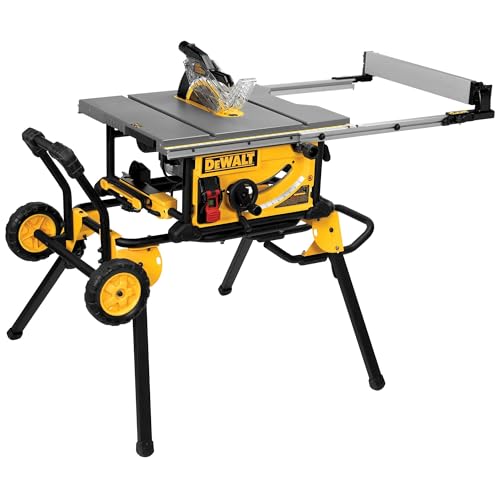
Table Saw Types for Home Workshops
Jobsite saws are portable, lighter, and easier to store, making them popular for small workshops and garages where space is tight. Contractor saws offer larger tables and stronger stands, suiting regular home projects with room to spare. Cabinet saws provide the most power and stability but cost more and need permanent space, so they suit dedicated workshops rather than shared garages.
Choose by space and project type, since a large saw in a tiny garage becomes a hazard when you cannot move safely around it. Measure your workshop, including infeed and outfeed space for long boards, and check whether the saw folds or rolls away when not in use. A saw that fits your space and workflow will be used safely and often, while an oversized saw may gather dust.
Safety Features You Must Understand
A blade guard, riving knife, and anti kickback pawls are essential safety features, and they should be used whenever the cut allows. The riving knife keeps the cut open behind the blade and reduces kickback risk, while the guard protects hands from accidental contact. Never remove safety equipment for convenience, and learn the correct setup for each cut type before you start.
Push sticks, push blocks, and featherboards keep hands away from the blade during narrow cuts and repetitive work, and they should be part of every session. Wear eye and hearing protection, avoid loose clothing and gloves near a spinning blade, and keep the work area clear of offcuts that can jam or distract. If you feel rushed, tired, or unsure, stop and revisit the cut later, since most accidents follow haste or fatigue.
Fence Accuracy and Cutting Capacity
Fence accuracy decides whether rip cuts stay parallel and repeatable, so test fence locking, alignment, and deflection before you trust a saw. A fence that shifts under pressure or locks out of square will produce tapered cuts and wasted material, no matter how powerful the motor. Look for a fence that locks firmly at both ends or with a robust single point lock that stays square under load.
Cutting capacity includes maximum rip width, depth of cut at ninety and forty five degrees, and table size for supporting boards safely. Check whether capacity suits your typical projects, including sheet goods, furniture parts, and trim work, and whether an extension table or outfeed support is available. A saw that cannot support a board safely encourages dangerous improvisation, so capacity and support matter as much as motor power.
Blades, Dust Control, and Noise
Blade choice affects cut quality greatly, since rip blades, crosscut blades, and combination blades each suit different tasks. A good combination blade serves most home projects, while dedicated blades improve specific cuts when you work regularly in one style. Keep blades sharp and clean, since a dull blade burns wood, strains the motor, and increases kickback risk.
Dust control protects lungs and keeps the workshop usable, so check dust port size, collection efficiency, and whether the saw connects to your shop vacuum or extractor. Wear a suitable dust mask even with extraction, especially for man made boards and hardwoods that produce fine dust. Noise matters too, so wear hearing protection and consider neighbors and family when planning noisy sessions.
Budget, Build, and Workshop Value
At affordable prices, prioritize fence accuracy, safety features, and a flat stable table over maximum motor power or exotic extras. A well aligned affordable saw with a sharp blade often cuts better than a powerful saw with a wobbly fence and a dull blade. Check warranty, parts availability, and stand stability, since those details affect whether a bargain remains useful after years of use.
Factor in essential accessories, including a good blade, push sticks, a dust mask, eye and hearing protection, and possibly an outfeed stand, since those costs form part of the real purchase price. Buy accessories before your first major project, and learn each safety device properly rather than discovering its purpose mid cut. A complete, safe setup is worth more than a bare saw at a lower headline price.
Related guides include best small table saws, best cabinet table saws, best home table saws, and best professional table saws.
A Final Check Before You Buy
Before you order, measure your workshop with infeed and outfeed space for your longest boards, and mark safe standing positions around the saw, since a cramped workshop turns even a good saw into a hazard. Check dust port compatibility with your vacuum or extractor, power outlet capacity, and whether the saw folds or rolls away for storage when not in use. A saw that fits your space and workflow will be used safely and often, while a saw that blocks movement or forces awkward board handling will tempt dangerous shortcuts.
Learn safety setup before your first cut, including guard and riving knife use, push stick technique, and fence alignment checks, ideally through a reputable training video or an experienced woodworker who can demonstrate proper form. Practice on scrap wood first, starting with simple rip and crosscut operations, and build confidence gradually rather than attempting a complex project immediately. If any cut feels unsafe, rushed, or unclear, stop, rethink the setup, and seek guidance, since hesitation is a valuable safety signal, not a weakness.
Finally, budget for essential accessories from the start, including a sharp combination blade, push sticks, eye and hearing protection, a dust mask, and outfeed support if your projects need it. A bare saw at a low headline price quickly becomes more expensive once safety gear is added, so compare complete setup costs honestly. A complete, safe, and well aligned setup will serve your workshop for years and make every project more enjoyable.
Frequently Asked Questions
What safety gear do I need for a table saw?
You need eye protection, hearing protection, a dust mask, push sticks or push blocks, and a featherboard for suitable cuts, plus a blade guard and riving knife fitted whenever possible. Avoid loose clothing, jewelry, and gloves near the blade, and keep the floor clear of offcuts. If you are unsure about a cut setup, seek training or guidance before proceeding.
Jobsite or cabinet saw: which suits a small garage?
A jobsite saw usually suits a small garage, since it folds or rolls away and needs less permanent space. A cabinet saw suits a dedicated workshop with room for infeed, outfeed, and safe movement around the machine. Measure your space including board handling room, and choose the saw that leaves safe clearance on all sides.
How important is fence accuracy?
Fence accuracy is crucial, since a fence that shifts or sits out of square produces tapered, wasted cuts and can increase kickback risk. Test locking, alignment, and deflection before buying if possible, and check the fence regularly during use. A accurate fence saves material, time, and frustration on every rip cut.
Which blade should a beginner buy first?
A good quality combination blade is a sensible first blade, since it handles rip and crosscut tasks reasonably well for most home projects. Keep it sharp and clean, and add dedicated rip or crosscut blades later when a specific task becomes frequent. A sharp combination blade beats a dull specialist blade for everyday work.
How do I control dust from a table saw?
Connect the saw dust port to a shop vacuum or extractor, wear a suitable dust mask, and clean the workshop regularly to prevent dust buildup. Check port compatibility before buying, and consider an overhead guard with extraction for better capture. Good dust control protects your lungs and keeps the workshop pleasant for future projects.
Final Thoughts
An affordable table saw should cut accurately, guard safely, and fit your workshop without crowding your work. Practice on scrap wood first, keep blades sharp, and never rush a cut that feels unsafe or unclear. The product table above can help you compare types and features, but safety habits and fence accuracy matter more than motor size alone. Learn the machine, respect the blade, and build with confidence. Safety first, every cut. Keep learning, stay patient, and enjoy the work.
Compare best affordable table saws on safety features, fence accuracy, cutting capacity, and workshop fit, and choose the saw that supports your projects safely. A well chosen saw becomes a trusted workshop partner for years.