
Best Affordable Standing Desks 2026 Guide
Disclosure: We may earn a commission when you buy through links on this page, at no extra cost to you. As an Amazon Associate I earn from qualifying purchases. Learn more
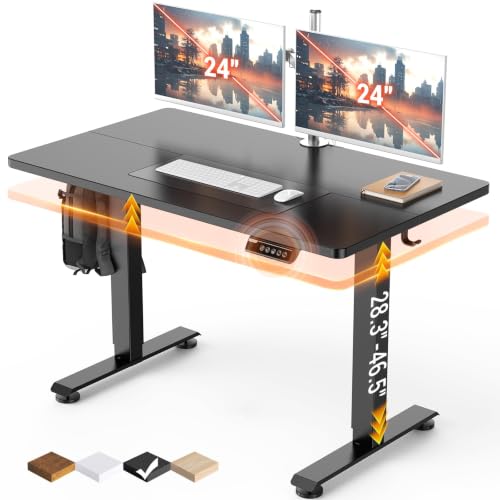
Learn how to choose affordable standing desks for home offices, with height range, stability, motor type, and ergonomics advice inside. Shop with confidence.
Choosing best affordable standing desks is about stability at standing height, because a desk that wobbles when you type defeats the purpose. A good budget standing desk lifts smoothly, holds steady with monitors on top, and adjusts to your exact elbow height. The comparison table below compares the main options, so you can weigh height range, weight capacity, and motor type.
Standing all day is not the goal: alternating between sitting and standing through the day is what helps comfort and focus. A desk that adjusts quickly and quietly encourages you to change position often, while a slow or noisy desk tempts you to stay put. Think about your monitor setup, chair, and floor surface before ordering.
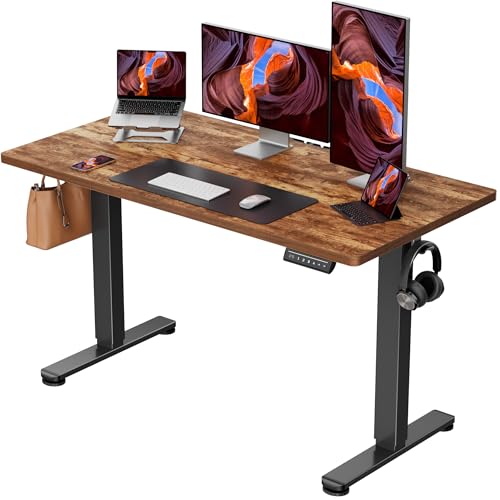
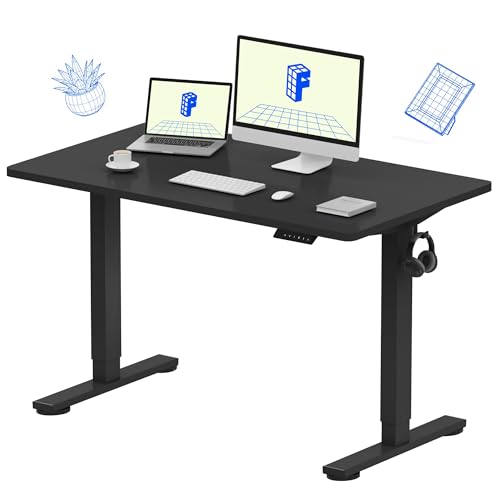
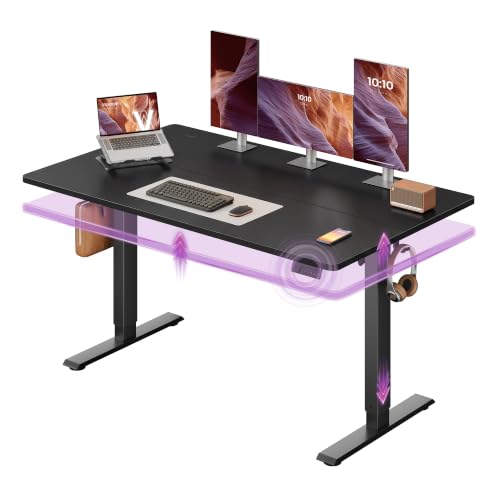
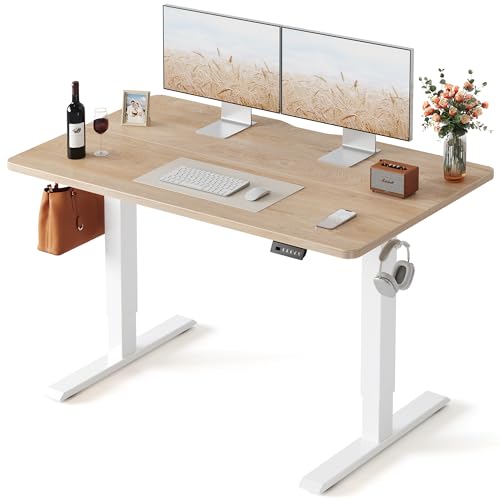
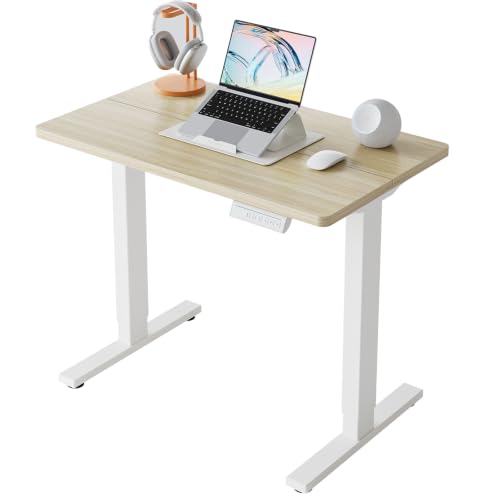
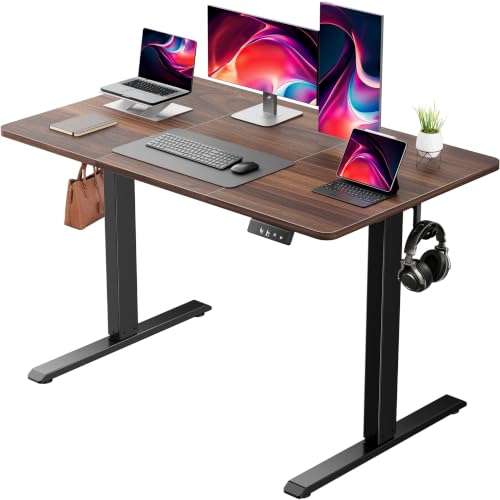


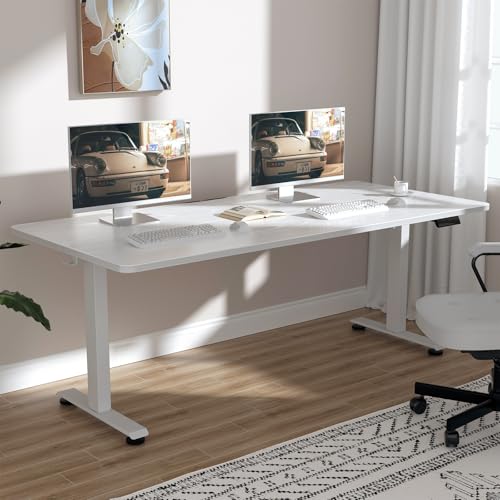
Who Should Buy an Affordable Standing Desk
Standing desks suit home workers, students, programrs, and anyone who sits for long hours and wants movement breaks. They also suit shared desks used by people of different heights. If you have a back condition or circulation issue, talk with a clinician about standing durations that suit you, since standing too long can also cause discomfort.
- Home workers
- Students
- Programrs
- Shared workspaces
Key Features That Matter Most
Height range must cover both your sitting elbow height and your standing elbow height, so check the minimum and maximum against your measurements. Weight capacity matters with multiple monitors, since a desk near its limit may strain the motor and wobble. Motor type affects speed and noise: dual motors lift smoother and quieter than single motors, but cost more.
Stability at full height is the key test: look for a sturdy frame, wide feet, and good reviews for wobble. Desktop size should fit your monitors, keyboard, and papers without crowding. Memory presets save your sitting and standing heights, making position changes effortless. Cable management keeps the desk tidy as it moves.
Ergonomics and Setup
Set screen height so the top of the monitor sits near eye level, with elbows at about 90 degrees when typing. Use an anti fatigue mat for standing periods, and wear supportive shoes rather than standing barefoot on hard floors. Alternate positions every 30 to 60 minutes, and move around during standing breaks rather than standing rigidly.
If you develop persistent back, leg, or foot pain, swelling, or numbness from standing, talk with a clinician, since setup or standing duration may need adjusting. A good chair remains essential, since sitting well matters as much as standing. The desk supports movement, it does not replace good posture.
Budget and Long Term Value
Affordable standing desks typically cost from about $150 to $400, with good value around $200 to $300 for a dual motor frame with a decent top. Cheaper manual crank desks cost less and never need power, but they adjust slowly and discourage frequent changes. Budget for a monitor arm, cable tray, and anti fatigue mat to complete the setup.
Check warranty on motors and frame, since those are the parts most likely to fail. A desk with a 5 year warranty signals maker confidence. Keep the desk on a level floor, and avoid overloading it beyond rated capacity, since that shortens motor life and increases wobble.
Common Mistakes to Avoid
A common mistake is buying a desk that does not go low enough for sitting, forcing an awkward chair height. Another is overloading a single motor desk with heavy monitors. A third is standing all day from the start, leading to sore feet and legs. Build standing time gradually, starting with 15 to 30 minute standing periods.
Planning for Everyday Use
Save sitting and standing presets on day one, and set a gentle reminder to change position through the day. Keep cables slack enough for full travel, and check that nothing snags as the desk moves. Dust the frame and mechanism occasionally, and tighten bolts if wobble develops over time.
Related Guides Worth Reading Next
For more on a related option, see our guide to best looking standing desks for detail that complements this guide.
For more on a related option, see our guide to best affordable desks for detail that complements this guide.
For more on a related option, see our guide to best affordable desk chairs for detail that complements this guide.
For more on a related option, see our guide to best motorized standing desks for detail that complements this guide.
For more on a related option, see our guide to best electric standing desks for detail that complements this guide.
A Final Check Before You Order
Before you order, measure your sitting and standing elbow heights with the shoes you normally wear, since those numbers decide the desk height range you need. Compare them with the desk minimum and maximum, leaving margin at both ends. A desk that barely reaches your standing height will feel compromised daily.
Check the weight of everything that will sit on the desk, including monitors, monitor arms, laptop, and accessories, against the rated capacity. A desk loaded near its limit lifts slower and wobbles more. If you use dual monitors, favor a dual motor frame for smoother lifting and longer motor life.
Finally, check floor level and surface: a desk on thick carpet may wobble more than on a hard floor, and an anti fatigue mat helps standing comfort. Plan cable slack for full travel, so cables do not snag or pull as the desk moves. A little planning prevents daily annoyances.
Caring for Your Standing Desk Over Time
Keep the mechanism clean and free of obstructions, and check bolts periodically, tightening any that loosen with movement. Do not overload the desk beyond its rating, since that strains motors and increases wobble. If the desk moves unevenly, check for obstructions and level feet before assuming motor failure.
Update any app or controller firmware only as the maker directs, and keep the manual for preset programming. Alternate sitting and standing through the day, using the presets you saved on setup day. With steady care, an affordable standing desk can support healthy movement for years.
Frequently Asked Questions
How high should a standing desk go?
A standing desk should adjust to your standing elbow height, typically about 100 to 120 cm for most adults, and down to sitting elbow height around 70 to 75 cm. Measure your own elbow heights rather than relying on averages. Check the desk range covers both before ordering.
Single or dual motor desk?
Dual motor desks lift smoother, quieter, and with higher weight capacity, suiting multi monitor setups. Single motor desks cost less and suit lighter single monitor setups. If you use two monitors or heavy equipment, dual motors are worth the extra cost.
How long should I stand each day?
Alternate sitting and standing through the day, starting with short standing periods of 15 to 30 minutes and building gradually. There is no single ideal total, since comfort varies. Move, stretch, and shift weight while standing, and sit if you feel pain or fatigue.
Do standing desks help back pain?
Standing desks can help some people by encouraging movement and posture changes, but they are not a treatment for back pain. Persistent back pain needs professional assessment. Combine a standing desk with a good chair, regular movement, and ergonomic setup for the best chance of comfort.
What size desk top do I need?
Choose a top that fits your monitors, keyboard, and papers with room to spare, typically 120 to 140 cm wide for a single monitor and 160 cm or more for dual monitors. Measure your equipment and leave space for a notebook and drink. A cramped top forces awkward arm positions.
Do I need a monitor arm with a standing desk?
A monitor arm is not required, but it helps a lot with a standing desk, since it lets you adjust screen height and distance as the desk moves. A fixed stand may leave the screen too low when standing. If you use one monitor, a simple arm is affordable and improves ergonomics noticeably.
Can I convert my existing desk to standing?
Desk converters that sit on an existing desk offer a cheaper route to standing, but they limit space and weight capacity compared with a full standing desk. They suit single monitor setups and renters. For dual monitors or daily standing, a full adjustable desk works better.
What shoes should I wear at a standing desk?
Wear supportive shoes with cushioning at a standing desk, and use an anti fatigue mat for longer standing periods. Avoid flat unsupportive shoes or standing barefoot on hard floors for hours. Change position often, since movement matters more than any single shoe or mat.
Final Thoughts
The best affordable standing desks combine stability, smooth adjustment, and a height range that fits your body. Measure your sitting and standing heights, favor dual motors for heavier setups, and alternate positions through the day. The product table above helps you compare the strongest budget desks. Take time with this final check, since a careful choice now avoids returns and disappointment later, and it ensures the option you buy genuinely fits your room, routine, and budget.


