Best Affordable Desk Chairs: A First Time Buyer's Guide for 2026
Disclosure: We may earn a commission when you buy through links on this page, at no extra cost to you. As an Amazon Associate I earn from qualifying purchases. Learn more
Learn how to choose the best affordable desk chairs by fit, foam, adjustments and casters, with price bands and return checks for first time buyers.
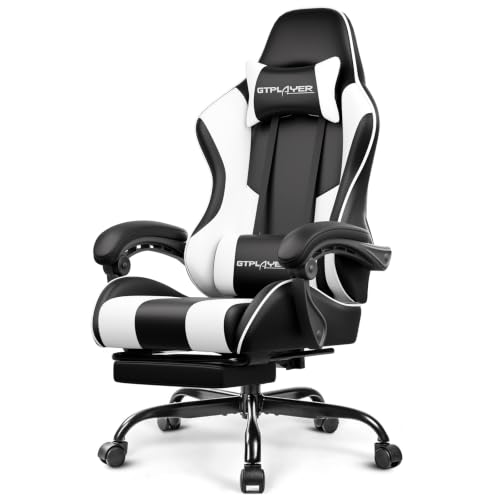
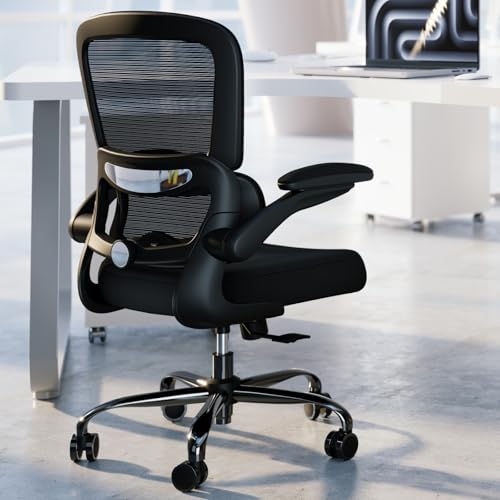
Buying your first desk chair is harder than it looks, because every listing shows a tidy photo and a long list of features while nothing on the page tells you how the seat will feel after a full afternoon. This guide starts with the plain basics and builds toward a confident choice, so you can judge best affordable desk chairs by fit and build instead of by styling alone. The product table gathers the main options in one place for a quick first look.
Three ideas run through everything that follows. Foam quality and fit matter more than extra gadgets at this price, the right casters depend on your floor rather than on looks, and a fair return policy protects you because padding cannot be judged from a photograph. Keep those three in mind and the rest of the terms become easy.




Desk Chairs 101: The Basics
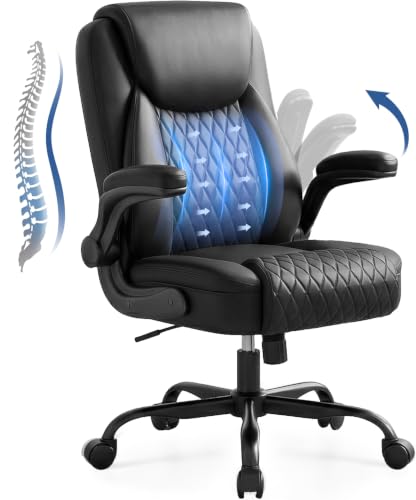
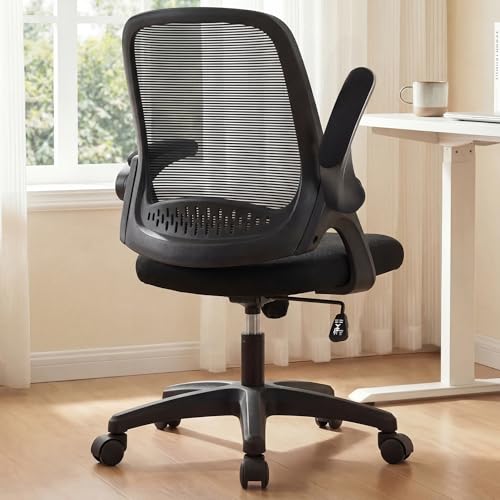
A desk chair is a seat built for working at a surface about 28 to 30 inches high, and it has five parts that each do a job. The seat is where your weight rests, the back supports your spine while you lean and shift, and the gas lift cylinder raises and lowers the seat when you pull a lever under the side. The base spreads your weight across five points for stability, and the casters at the ends of the base let you roll between desk, drawer and shelf without standing.
The vocabulary on listings is simpler than it sounds. Seat height means the distance from the floor to the top of the seat cushion, and seat depth means the distance from the front edge of the seat to the backrest. Lumbar support means a curve or a small pad that fills the space behind your lower back, tilt means the back and seat lean rearward, and a tilt lock lets you hold one leaning angle instead of floating freely.
One honest point belongs right at the start. A desk chair is a piece of furniture for sitting, and no chair at any price can treat, prevent or fix back pain or any other health condition. Words like ergonomic and relief on a listing are marketing language, not a medical promise, and a chair covered in those words can still fit you badly.
What a chair can honestly do is fit your body, offer enough adjustment to change position during the day, and pair with the simple habit of standing and moving at regular intervals. If pain persists or grows worse, or you notice numbness or weakness in a leg, that is a reason to see a doctor rather than a reason to buy a different chair. Judge every model on fit and adjustment, and treat comfort claims with calm suspicion.
A desk chair also differs from the chairs you already own. A dining chair has a fixed height and no roll, and a lounge chair sits low and deep for relaxing. For study, homework and computer work in a small room, the plain adjustable desk chair is the class built for the job.
Key Specs Explained in Plain English
What You Can Realistically Get on a Budget
At the lowest band, under about $80, you are buying the essentials and little else. Expect a single seat height lever, a thin layer of padding over a firm shell, a fixed or lightly padded back, and a short warranty that may cover parts for about one year. Chairs in this band can serve a student through a school year of daily homework, but the foam flattens sooner and the lift cylinder is usually the lightest class in the range.
The middle band, about $80 to $150, is where the first purchase usually makes sense. Padding gets thicker and denser, backs gain a lumbar curve or a removable pad, armrests start to adjust, and warranties stretch to about two or three years on the frame and lift. The top of the affordable range, about $150 to $250, adds denser foam that holds its shape longer, smoother casters, a stronger base and better fabric, and those gains are about durability more than about appearance.
The step up that repays you most is seat foam density plus an adjustable back, because those two decide how the chair feels in month six. Gadgets at the bottom of the range, such as massage pillows, footrests and cup holders, are the first things makers should cut and the first things you should give up. Readers comparing the wider chair market can also see our guide to best affordable chairs, which shows how prices move once a chair is no longer built mainly for a desk.
Ergonomics and Adjustability
Start with seat height, because it anchors every other measurement. Most models in this class adjust from about 17 to 21 inches, and the right setting leaves your feet flat on the floor with your knees bent at roughly a level angle and your thighs resting without pressure at the front edge. Measure the underside of your desk as well, since your thighs and any armrests must slide beneath it with room to spare.
Seat depth is the fit check first time buyers most often skip. Sit with your back against the backrest and look for a gap of about 2 to 3 inches between the front edge of the seat and the back of your knees. A seat that is too deep presses into your legs and pushes you into a slouch, while a seat that is too shallow leaves your thighs without support and shifts your weight onto a small area.
Lumbar support only helps when it lands in the right place, so prefer a back whose curve or pad sits at your belt line rather than in the middle of your back. Adjustable armrests earn their cost when they let your shoulders hang relaxed with your elbows resting lightly, and fixed arms are acceptable only when their height happens to match your desk. A tilt lock with two or three positions is more useful for long study sessions than free floating tilt with no lock at all. Our guide to best ergonomic desk chairs explains these adjustment ideas in more depth for readers who want the fuller picture.
Warranty and Return Policy
Warranties at this price are split into pieces, and the split is where the truth lives. A listing may promise several years of cover while the fine print limits the gas lift cylinder and casters, the parts that wear first, to a much shorter term. Read which parts are covered, for how long, and whether the maker ships a replacement part free or asks you to pay postage on a heavy component.
Return terms matter even more than warranty length for a first purchase, because foam quality cannot be judged from photos or from a two minute sit in a showroom. Look for a return window of at least about 30 days, check whether you must keep the original box, and find out who pays for return shipping on a bulky item. A generous window from a seller with clear terms is worth about $20 of price difference, since a chair you can send back carries far less risk than a chair you must keep.
Keep the receipt and a photo of the box labels until the return window closes. If a lift starts sinking or a caster cracks inside that window, report it at once, because early faults are the easiest to resolve.
Style and Room Fit
Small rooms reward compact models, and compact here means real measurements rather than a label. A chair about 24 inches wide with arms that flip up or no arms at all can tuck fully under the desk and free floor space for walking. Measure the space under your desk and the doorway the box must pass through before you fall for a color.
Color and finish still matter, because you will look at this chair every day and a finish that fights the room will annoy you long after the price is forgotten. Neutral fabric hides dust and pet hair better than pale faux leather, dark mesh looks tidy in photos and in person, and bright colors show scuffs sooner. Readers who care most about appearance can compare styles in our guide to best looking desk chairs before deciding how much of the budget looks deserve.
Materials and Upholstery
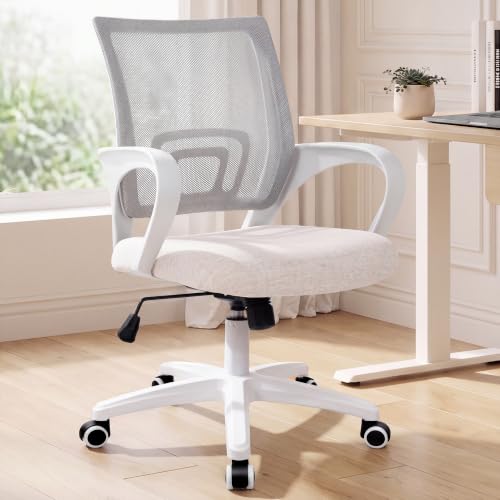
A mesh back is the most forgiving choice for warm rooms, because air moves through it and your back stays cooler during long sessions. Mesh quality varies, though, and a loose weave can sag into a hammock shape within a year, so look for a firm even weave and a frame edge that holds the mesh under tension. Mesh also gives less padding against the back, which some readers love and others find too firm.
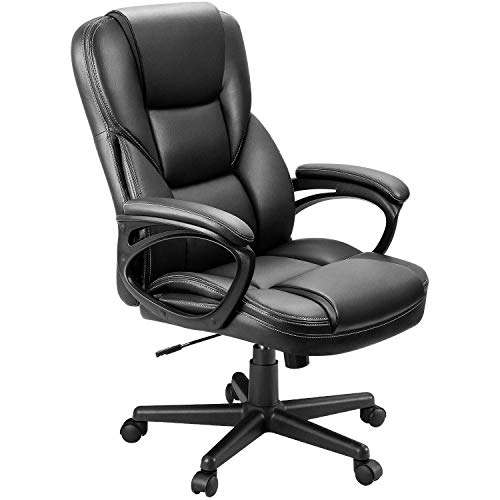
Fabric seats are the quiet workhorse of this price class. Woven fabric grips clothing, hides wear well and is easy to brush clean, and it pairs naturally with high density foam. PU leather, often listed simply as leather, is a coated material that wipes clean in seconds, but on low priced chairs the coating can crack and peel after a year or two of daily use, especially where elbows and belts rub.
The seat base under the foam matters as much as the covering. A shaped plywood or reinforced plastic shell spreads weight evenly, while a thin flat board can flex and creak. Bases follow the same pattern, with steel and aluminum lasting longer than plain nylon, though a well made nylon base is fine for lighter users within the stated weight capacity. Whatever you choose, vacuum or wipe the upholstery on a regular rhythm and keep the chair out of harsh direct sunlight, which fades fabric and dries coated finishes.
| Covering | Feels Like | Care Needed | Watch Out For |
|---|---|---|---|
| Mesh back | Cool and firm | Dust with a brush | Sagging weave over time |
| Woven fabric | Soft with good grip | Vacuum and spot clean | Stains if spills sit |
| PU leather | Smooth and padded | Wipe with a damp cloth | Coating cracks and peels |
Choosing the Best Affordable Desk Chairs for Your Situation
With the terms clear, match the chair to the room and the routine rather than to a feature count. The two situations below cover most first purchases, and each one values a different set of trade offs.
Getting the Most Value From a Small Budget
Shoppers hunting for the best and most affordable desk chairs at the same time are really asking one question, which is where a small budget does the most work. Put the money into foam that stays firm, a lift cylinder in a higher class and a return window you can actually use. Spend nothing on lights, speakers or novelty extras, because none of them changes how the chair feels in the third hour of study.
A simple value check helps before checkout. If two chairs cost about the same, pick the one with the thicker seat, the longer parts warranty and the plainer styling, since plain styling usually means the budget went into the parts you sit on. If a chair costs about $30 more only because of color or a taller back, keep the money and buy a small cushion or a chair mat instead.
Best Affordable Desk Chairs for Startups
A small startup team needs chairs that can be ordered again next quarter, swapped between desks and repaired without drama. One plain model in a neutral color beats a mix of stylish finds, because matching chairs share casters, cylinders and pads, and one spare chair can donate parts to the rest. Compact models also suit rented rooms where desks move whenever the team grows.
For shared spaces, choose fabric or mesh that tolerates many different users, set every chair to a middle height as a starting point, and keep the boxes until the whole team has sat through a full week. Teams furnishing a first room may also find our guide to best office chairs affordable useful when comparing desk seating with general office seating. Buy one chair first if the budget allows a trial, because a team wide mistake is the expensive kind.
Rookie Mistakes to Avoid
- Choosing by the photo alone. Styling hides thin foam and a short seat, so read the seat depth and height range before you admire the color, since dimensions decide comfort long after looks fade.
- Ignoring your floor type. The hard casters fitted to most low priced chairs roll beautifully on carpet but can scratch wood and laminate, so match the caster to the floor before the first roll marks it.
- Trusting the weight capacity headline. That figure is a maker rating for the whole chair under ideal conditions, and sitting near the limit every day wears the lift and base faster, so leave a comfortable margin instead of shopping right at the number.
- Buying a tall back for short work. A high back looks supportive, but if the lumbar curve lands between your shoulders it helps nothing, and many homework and laptop users sit better in a mid back chair that fits their torso.
- Throwing the box away on day one. Bulky returns without original packaging can cost more than the chair is worth, so keep the box and foam inserts until the return window has fully closed.
Getting Started: Setup and First Use
Assembly on models in this class usually takes about 20 to 30 minutes with the Allen key included in the box. Lay the parts out first and count them against the instruction sheet, because a missing bolt found at step one is a quick email while a missing bolt found at the final step means taking the chair apart again. Push the casters firmly into the base until each one clicks, set the cylinder into the base, and only then lower the seat mechanism onto the cylinder.
Attach the back and arms loosely at first, then tighten every bolt in turn once all of them are started, which lets the parts settle into alignment. Pair the finished chair with a desk at the right height, and readers still choosing that desk can start with our guide to best affordable desks for matching sizes and prices. Set the seat so your feet rest flat, your screen sits at about arm length, and your elbows rest near desk height without lifting your shoulders.
Expect a short settling period rather than perfection on the first evening. Foam softens slightly during the first week, bolts relax as parts bed in, and your own habits adjust to the new height, so retighten every bolt after about seven days and again every few months. If the chair squeaks, a loose back bracket is the usual cause, and a quarter turn on each bracket bolt is the first fix to try.
Casters deserve one last check once the chair is built. Standard hard casters suit carpet and low pile rugs, while softer roller style wheels suit wood, tile and laminate because they roll quietly and spread the load. Swapping a set later is cheap and needs no tools beyond a firm pull.
Frequently Asked Questions: Your Questions Answered
How do I choose the right desk chair size for my body and desk?
Measure yourself wearing the shoes you normally work in, because footwear changes your seated height more than most buyers expect. You need the seat to adjust low enough for flat feet, deep enough to support your thighs with a small gap behind your knees, and narrow enough that armrests do not push your elbows outward. Then check the chair width against the knee space under your desk, since a chair that cannot roll fully under the desk wastes room all day.
How long should an affordable desk chair last with daily use?
A realistic expectation is about two to four years of daily use in the middle band, and less at the lowest prices. The earliest warning signs are a lift that sinks slowly while you sit, casters that wobble or shed their smooth roll, and foam that stays dented after you stand. Catching those signs early matters because a sinking lift under warranty is a free part, while the same fault a month later is a repair bill.
What desk chair features matter most for long hours of sitting?
Firm supportive foam, a back that meets your lower back, and a seat height you can fine tune matter most for long hours. After those three, the habit that keeps a long day comfortable is not a feature at all, which is standing up, refilling water and walking briefly at least once an hour. A small phone timer is a more honest long hours tool than any padded accessory, and it costs nothing. Keep the product table in mind when weighing which of these features a given price actually includes.
Is an expensive desk chair worth it for a first time buyer?
Usually not as a first purchase, because you do not yet know your own fit preferences well enough to spend heavily with confidence. A middle band chair teaches you whether you like mesh or fabric, firm or soft foam, and arms or no arms, and that knowledge makes a later upgrade far more accurate. Spread over three years, even the middle band costs only a few cents per working day, so value comes from fit rather than from the badge.
Can one affordable desk chair work on both carpet and hard floors?
Yes, and the caster swap is what makes it possible. Hard standard casters roll with less effort on carpet because they are small and rigid, while soft wheels protect hard floors and run more quietly. Many chairs accept a replacement set with the same stem size, so moving from a carpeted bedroom to a wood floor study can mean a small wheel change rather than a whole new chair. Try any new set in a corner first to confirm it rolls straight.
Wrapping Up
Your first chair decision really rests on three checks: foam that stays supportive, dimensions that fit both your body and your desk, and return terms that let you change your mind after real use. Everything else, from color to extra padding for your head, is a preference you can indulge only after those checks pass. The product table pulls the main choices together so you can compare them against this short list.
Buy the plainest chair that passes all three checks and your budget will have gone exactly where your body notices it. Chosen that way, the best affordable desk chairs stop being a gamble on photographs and become a simple fit decision you can repeat with confidence whenever a room, a course or a job changes.