
Best Affordable Desks 2026: A Practical Buying Guide
Disclosure: We may earn a commission when you buy through links on this page, at no extra cost to you. As an Amazon Associate I earn from qualifying purchases. Learn more

Choose the best affordable desks by size, stability, storage and ergonomic setup for your room and equipment.
A good desk does not need a large budget, but it does need the right size, a stable surface, and room for the equipment you actually use. This guide to best affordable desks helps you measure, compare materials, and avoid wobbly or cramped choices. The comparison table below outlines the main desk types.
Many affordable desks look similar in photos yet differ greatly in stability, depth, and cable management. A desk that is too shallow crowds your monitor and keyboard, while a desk that is too wide wastes a small room. Measuring your space and equipment first prevents both problems.

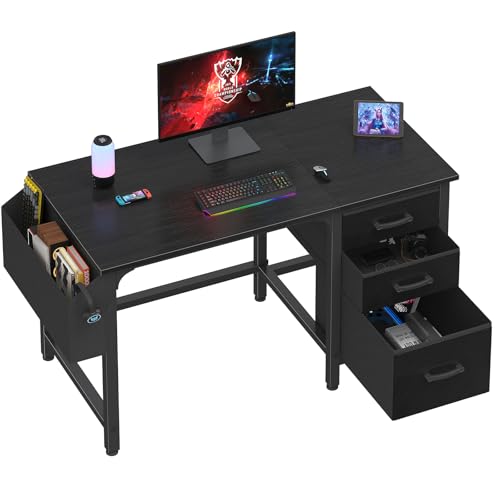
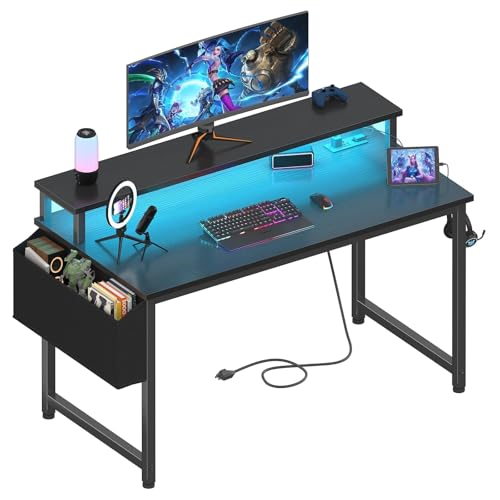
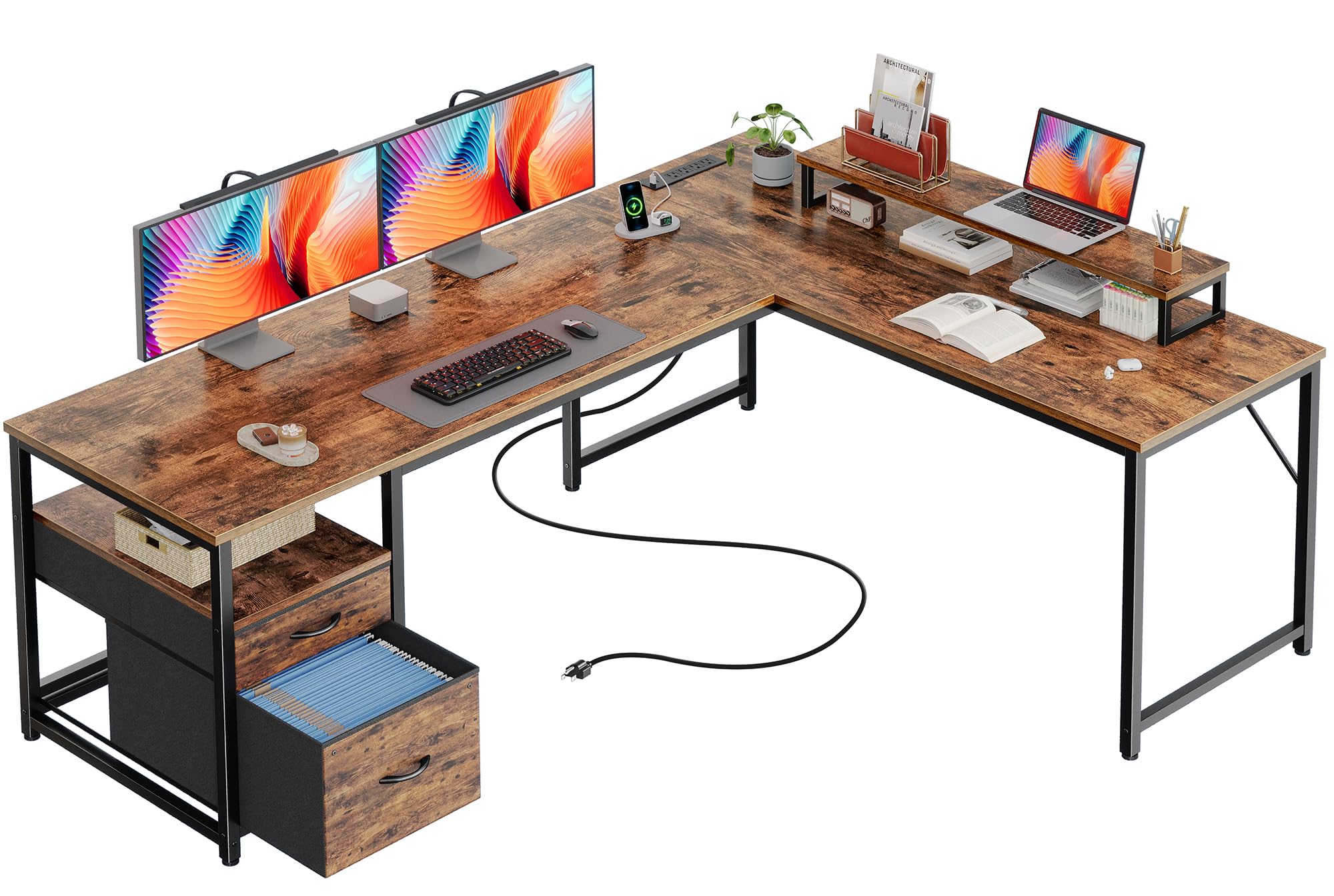
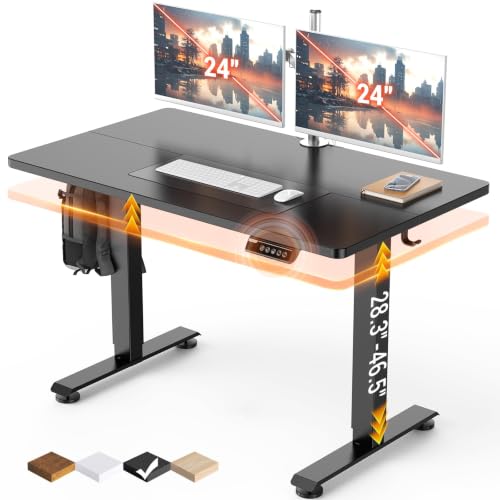

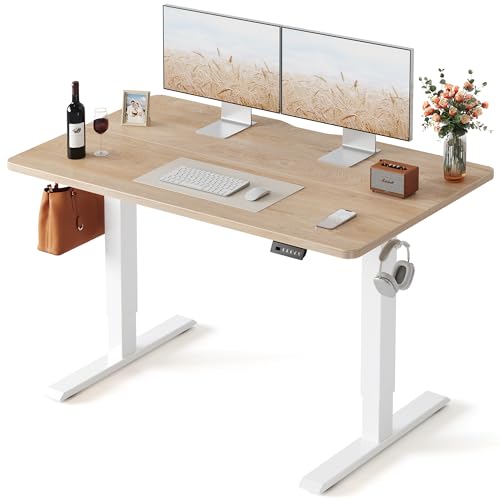
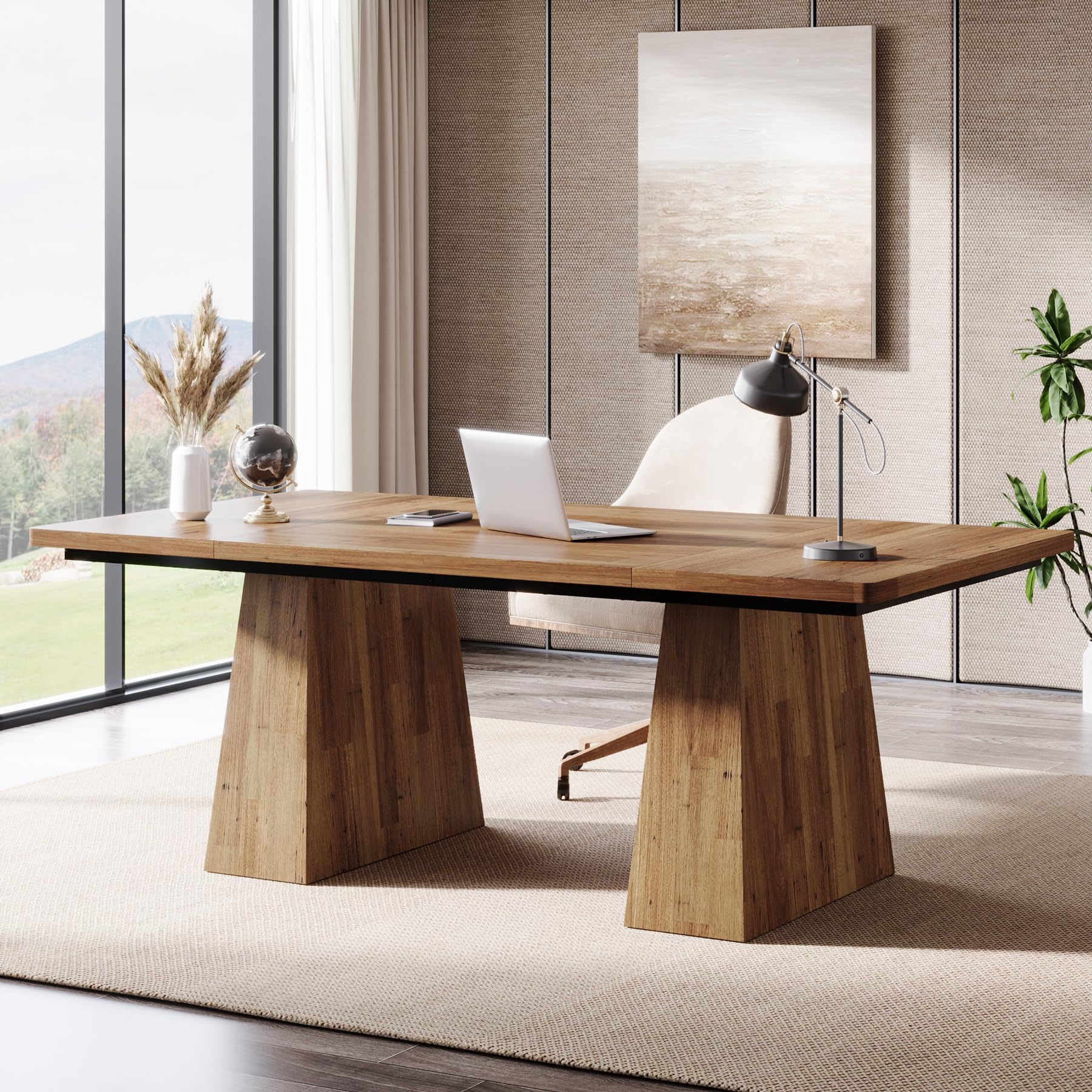


Who Should Buy Affordable Desks
Students, home workers, and hobbyists who need a reliable work surface will find affordable desks well suited, provided size and stability are checked. Writers and laptop users need less depth than dual monitor users, while crafters and artists need more surface area for materials. Naming your main use narrows the choice quickly. The same checks apply as you shortlist the best affordable desks.
If you work from home full time, invest slightly more in stability and ergonomics, since you will use the desk for thousands of hours. Occasional users can prioritise compact size and easy assembly. Either way, a desk that wobbles during typing will frustrate daily, so stability should never be the place to save.
Size, Depth, and Room Fit
Measure your room, doorways, and the wall space where the desk will sit, including skirting boards and radiators that reduce usable depth. A standard desk depth suits most monitor setups, while deeper desks suit large monitors and drawing tablets. Allow legroom depth as well, since a deep top with a modesty panel can still cramp knees.
Height matters for ergonomics. A fixed height desk should let you sit with elbows near right angles and feet flat on the floor, using a chair that adjusts to match. If household members of different heights share the desk, an adjustable height model is worth considering. For standing options, best affordable standing desks covers sit stand choices.
Materials, Stability, and Build
Laminate tops offer good value and easy cleaning, solid wood offers durability and repairability at higher cost, and metal frames add stability. Check top thickness, leg design, and cross bracing, since thin tops on spindly legs wobble under typing and monitor weight. A desk that feels solid in a showroom will feel solid at home.
Assembly quality affects stability as much as materials. Tighten fittings fully, check level with adjustable feet, and avoid overloading a desk beyond its stated capacity. Cable trays and grommets keep wires tidy and prevent strain on ports. For computer focused setups, best affordable computer desks emphasises monitor and tower space.
Storage, Cables, and Ergonomics
Drawers and shelves help only if they suit your workflow. A single drawer for stationery beats a bulky pedestal that blocks legroom, while open shelves suit printers and reference books. Plan cable routes before assembly, since retrofitting trays is harder once monitors are mounted.
Ergonomics depend on the whole setup, not only the desk. Position the monitor at eye level, keep the keyboard at elbow height, and leave space for a mouse at the same level. A monitor arm can free surface space on a small desk. For office focused layouts, best affordable office desks covers larger workstations.
Mistakes Worth Avoiding
Buying without measuring is the most common error, followed by choosing a desk that is too shallow for a monitor arm or dual screens. Another mistake is ignoring cable management, which leads to tangled wires and strained connections. Measure equipment footprints, including monitor stands, before ordering.
Do not overload a budget desk with heavy monitors, printers, and books beyond its rating. Distribute weight, use wall mounting where suitable, and check floor level if wobble appears. For higher quality long term options, best quality desks shows what extra budget buys in materials and stability.
Arranging a Desk for Comfortable Work
Comfortable desk arrangement starts with chair height, monitor position, and keyboard placement working together, since a good desk alone cannot fix a poor setup. Sit with feet flat on the floor, elbows near right angles, and the top of the monitor near eye level, using a monitor riser or arm where needed. Small adjustments to chair height often solve neck and shoulder discomfort that buyers blame on the desk itself.
Lighting also shapes comfort, since glare on screens causes eye strain and poor lighting encourages hunching. Place the desk perpendicular to windows where possible to reduce glare, use a task lamp for paper work, and avoid working in a dark room lit only by a screen. Good lighting keeps posture natural and reduces headaches during long sessions.
Keep daily items within easy reach and store occasional items elsewhere, since a cluttered desk forces awkward reaching and reduces usable surface. A small tray for pens, a stand for a phone, and a cable tray underneath keep the surface clear. Reassess the layout after a week of real use, since initial arrangements rarely survive contact with daily habits unchanged.
Desks for Small Rooms and Shared Spaces
Small rooms demand desks that fit without blocking doors, radiators, or walkways, so measure carefully and consider corner desks, wall mounted desks, or fold down designs where space is tight. A corner desk uses otherwise wasted space well, while a wall mounted desk frees floor area but needs solid wall fixing and limits weight capacity. Choose the form that matches both room and work style.
Shared spaces add noise, privacy, and storage considerations, since housemates or family members may use the same room for different purposes. A desk with a modesty panel or a room divider can create a sense of personal space, while headphones reduce distraction for both worker and household. Agree shared use rules early, including desk tidiness and equipment storage, to avoid friction.
Multi use rooms also benefit from desks that tidy quickly, since a work surface that doubles as a dining or craft table needs fast clearing. Choose a desk with easy clean surfaces, cable management that keeps wires contained, and storage nearby for work items. A desk that resets in minutes serves shared living far better than a sprawling setup that dominates the room.
A Final Check Before You Order
Before ordering, recheck measurements for the desk, your chair, and your equipment together, since a desk that fits the wall may still crowd your monitor stand or block legroom. Tape the footprint on the floor where possible, place your chair inside it, and check door swings and walkways. That physical check catches problems that paper measurements miss.
Also confirm weight capacity for monitors, printers, and books you plan to place on the desk, and check whether a monitor arm or wall mount would free surface space. Distributing heavy items centrally and using wall mounting where suitable prevents sag and wobble over time. A desk loaded beyond its rating will disappoint regardless of its appearance.
Finally, inspect assembly instructions and fitting quality before delivery day, and plan cable routes for power, monitor, and peripheral cables. A tidy cable plan keeps wires safe from chair wheels and feet, and it makes cleaning easier. Good assembly and cable care together keep a budget desk feeling solid for years.
Frequently Asked Questions
What size desk do I need for dual monitors?
It depends on monitor sizes and stand types, but a wider desk with adequate depth prevents crowding and eye strain. Monitor arms free surface space and allow closer positioning. Measure both monitors plus stands, leave room for keyboard and mouse, and allow legroom beneath. Check maker guidance and compare a few models before you decide.
Are standing desks worth it on a budget?
They can be, if you will actually alternate sitting and standing. A budget sit stand desk should move smoothly, hold its height under load, and remain stable at standing height. If you rarely stand, a fixed desk with good ergonomics offers better value. Revisit the choice after a short trial period to confirm it still suits you.
How do I stop a desk wobbling?
Check floor level and adjustable feet first, then tighten all fittings and ensure cross bracing is fitted correctly. Place heavy items centrally, avoid leaning on one corner, and consider wall fixing where the maker allows it. Persistent wobble on a level floor suggests a design or assembly issue. Ask a professional for help if specifications or safety rules are unclear.
What desk material is easiest to maintain?
Laminate is generally easiest, resisting stains and wiping clean with a damp cloth. Wood needs occasional care and protection from heat and moisture, while glass shows dust and fingerprints readily. Choose material for your use, cleaning habits, and room style together. Ask a professional for help if specifications or safety rules are unclear.
Can a small desk work for home office use?
Yes, with careful layout. Use a monitor arm, a compact keyboard, and vertical storage to free surface space. Keep only daily items on the desk and store the rest nearby. A small desk that is organised beats a large desk that accumulates clutter, and compare a few models before you decide.
Final Thoughts
An affordable desk works well when size, depth, and stability match your room and equipment. Measure first, check legroom and monitor space, and prioritise a solid frame over decorative extras. The product table above can help you compare desk types, and best affordable desks reward buyers who plan cable routes and ergonomics before assembly. If back or wrist pain persists despite a good setup, talk with your clinician or an ergonomics professional.

