
Best Affordable SSD Laptops for Every Need: How to Pick the Right One for 2026
Disclosure: We may earn a commission when you buy through links on this page, at no extra cost to you. As an Amazon Associate I earn from qualifying purchases. Learn more
Learn how to choose best affordable ssd laptops by your routine, with clear guidance on storage, RAM, display, battery life, and ports before you buy.
There is no single laptop that fits every routine, and paying less makes smart trade offs even more important. The best affordable ssd laptops for you depend on whether you write all day, edit photos, study, travel, or play games after work. This guide sorts buyers by use first, then explains the features that actually change daily comfort.
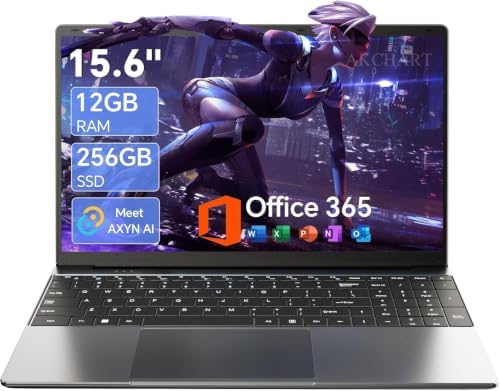
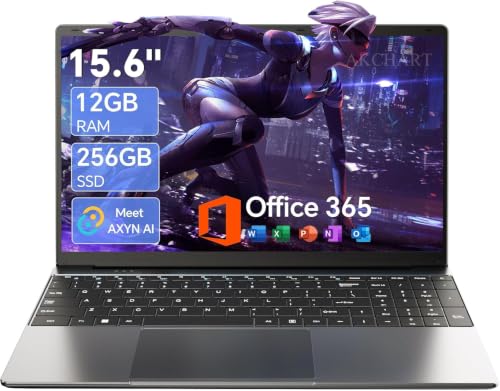
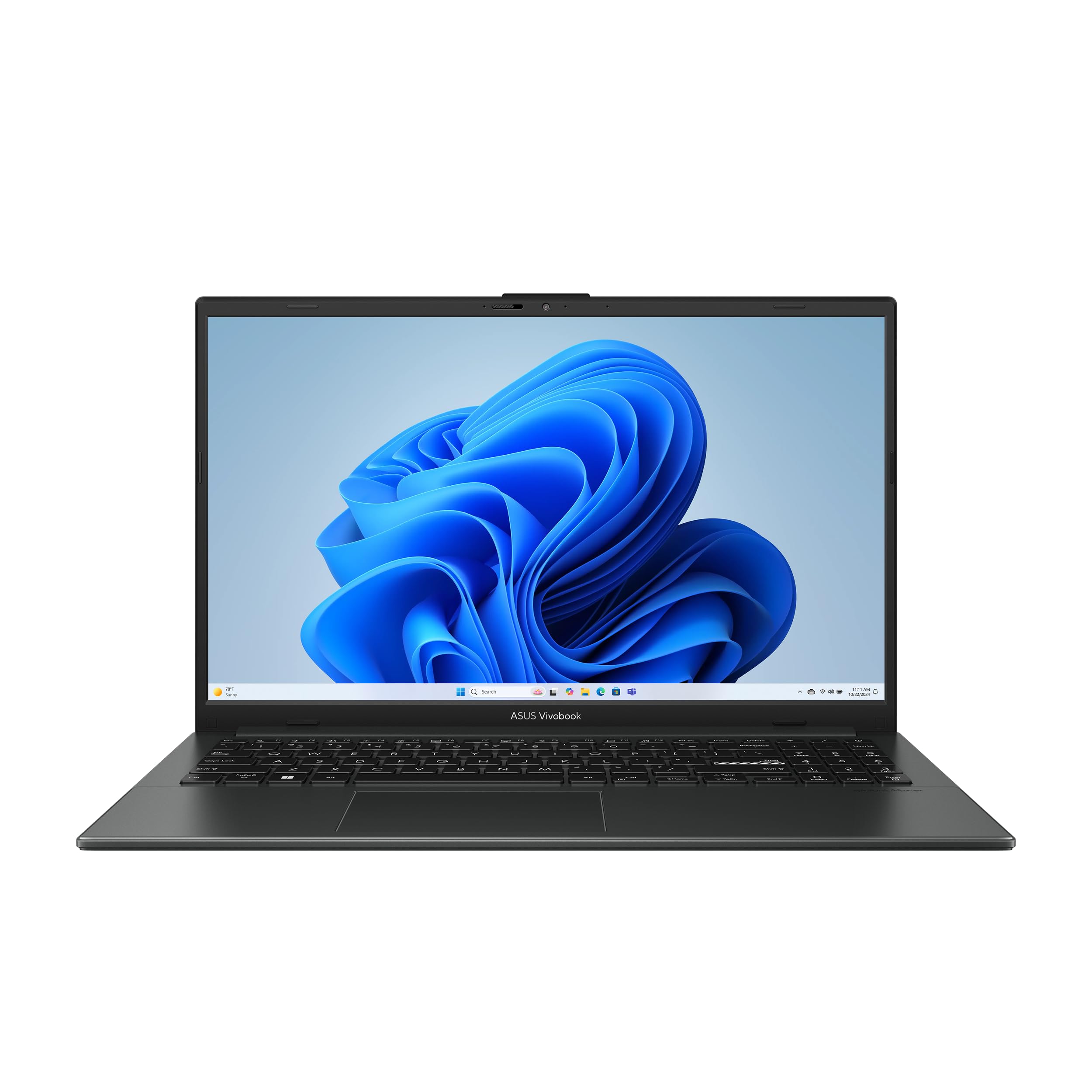
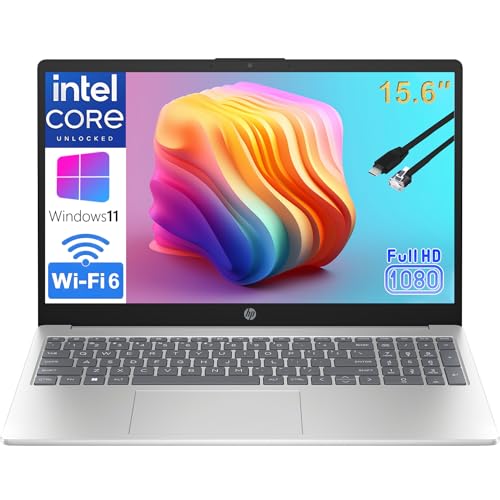
Use the comparison table below to spot patterns in weight, battery life, processor, RAM, and display size. Then use the sections that follow to decide what to prioritize and what you can safely skip.




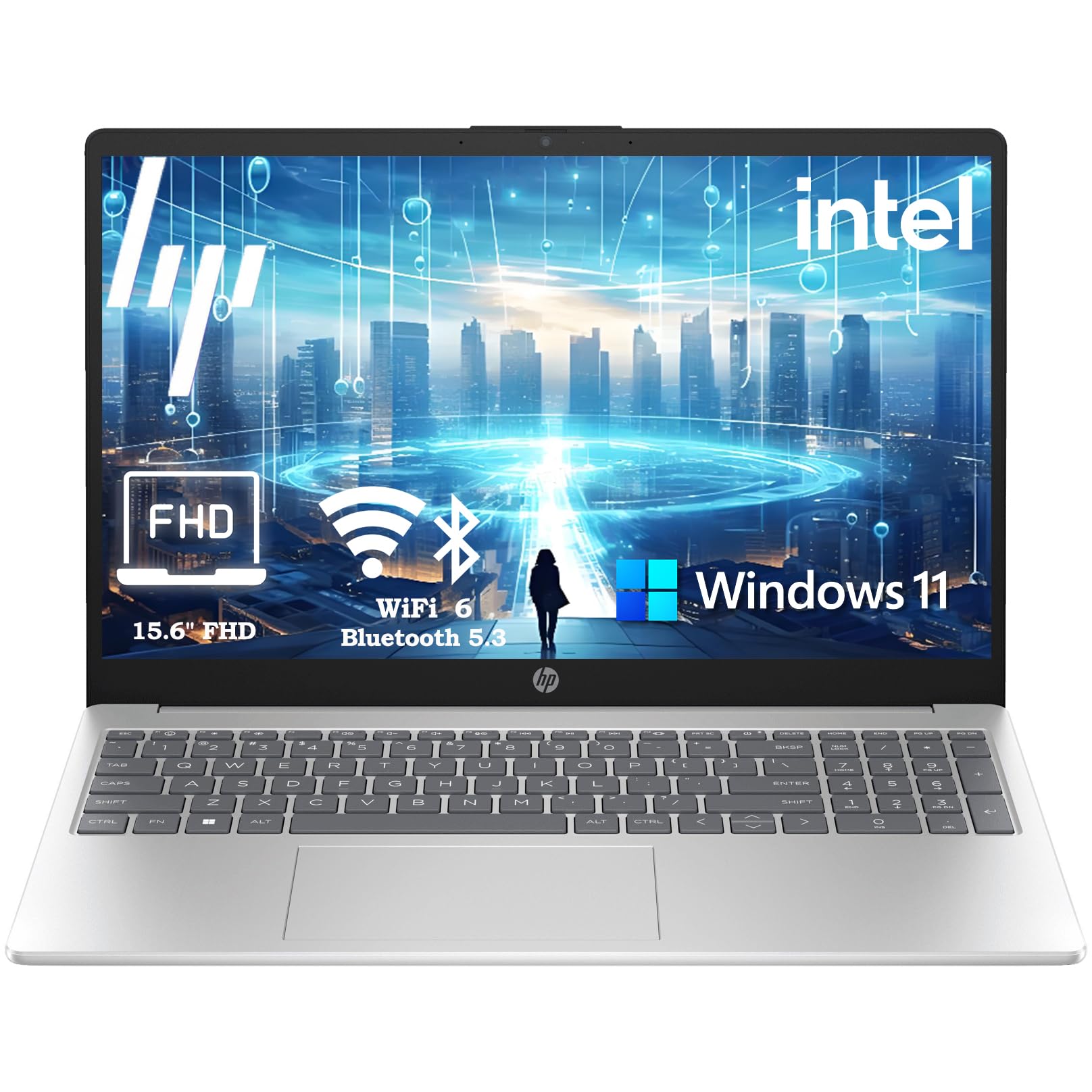
Who Should Buy Which SSD Laptops?
Start with your busiest normal day, not a rare task you might do once a year. A laptop that feels fast for email can still struggle with large spreadsheets, photo layers, or modern games. Match the groups below to your routine and note the one feature you should never cut.
For Remote Workers and Creators
You need a clear microphone, a sharp webcam, a screen that is easy on your eyes, and ports that work without a pile of adapters. Prioritize 16 GB of RAM if you keep many browser tabs and documents open at once. A bright display around 300 nits or more helps near windows. If you record voice or join calls daily, test microphone samples in store when you can.
For a broader shortlist focused on daily work value, see our guide to the best affordable laptops for work and compare its advice on keyboards and webcams with your shortlist.
For Gamers and Power Users
You need stronger graphics, better cooling, and a faster display more than you need the thinnest body. Look for a refresh rate of 120 Hz or higher if you play fast paced games, and check that storage is at least 512 GB because game installs fill space quickly. Weight and battery life will usually be weaker at this price. Accept that trade off only if performance is truly your main job for the machine.
If gaming value matters most, compare your options with our guide to the best gaming laptops affordable choices, where cooling and graphics tiers are explained in more detail.
For Students and Everyday Users
You need steady speed, long battery life, and a price that leaves room for a bag, a mouse, and software. An SSD of 256 GB can work if most files live in cloud storage, but 512 GB gives you more breathing room for photos and offline files. Chromebooks can suit simple writing and browsing, while Windows laptops give you wider app choice. Weight under about 3.5 lb makes a real difference on a full campus day.
Students who want a tighter campus focused shortlist can also read our guide to the best affordable laptops for students for notes on durability and battery claims.
For Travelers and Commuters
You need light weight, a compact charger, and a body that tolerates daily movement in a bag. Ultraportables around 13 to 14 inches balance screen space and portability well, and USB C charging lets you share a charger with a phone or tablet. Look for a sturdy hinge and a keyboard you can type on in a train seat. A padded sleeve is a cheap way to protect corners and screens.
Key Features to Compare in Best Affordable SSD Laptops
Features only matter when they solve a problem you actually have. Read each feature below with your routine in mind, and rank them before you look at prices. That order keeps a low price from hiding a weak screen, a small SSD, or a short battery that will bother you every day.
What You Can Realistically Get on a Budget
Around $400 to $700, you can expect a capable processor for office work, 8 to 16 GB of RAM, and a 256 GB to 512 GB SSD. Screens are usually good but not the brightest, and bodies may use more plastic than metal. Do not save money by accepting only 128 GB of storage or 4 GB of RAM for Windows use. Those cuts feel slow within months and are hard to fix later on many models.
Display Size, Resolution, and Brightness
A 13 to 14 inch display suits travel and small desks, while 15 to 16 inches helps with spreadsheets and split screen work. Full HD resolution is the sensible minimum for sharp text at this price. Brightness matters as much as resolution, so aim for around 300 nits if you work near windows. Higher refresh rates feel smoother for scrolling and games, but they can reduce battery life.
Processor and Performance Tier
Current Intel Core and AMD Ryzen processors handle office apps, video calls, and light photo editing with ease when paired with enough RAM. Apple M series chips in older or discounted models can offer strong battery life, but check software compatibility for your work. More processor power helps with video exports and large data files, yet it adds cost and heat. For writing and browsing, spend on RAM and storage before you spend on the fastest chip.
Battery Life in Real World Use
Maker claims often assume low brightness and light tasks, so expect real use to be shorter. A rating that suggests a full workday usually means you should plan for about 7 to 9 hours with calls, browsing, and documents. Fast charging over USB C is useful when you top up between classes or meetings. Battery health lasts longer if you avoid keeping the laptop at full charge and high heat all the time.
Ports and Connectivity
Check for at least two USB C ports or a mix of USB C and USB A, plus HDMI if you use an external monitor or classroom projector. WiFi 6E or WiFi 7 support helps on crowded networks, but your router must support it too. A headphone jack and an SD card slot still matter for creators and students. If a thin model drops a port you use weekly, budget for a hub and count that cost.
Readers who prefer the slimmest daily carry styles can compare notes in our guide to the best notebook laptops, which focuses on thin designs and travel weight.
Common Mistakes to Avoid When Buying SSD Laptops
- Choosing only by the lowest price and ignoring RAM, storage, and screen brightness that affect every session.
- Buying 128 GB of storage for Windows use, then paying for cloud space and external drives to work around it.
- Picking a screen that is too large for your bag or too small for the split screen work you do daily.
- Skipping warranty terms and return windows, especially for a laptop you depend on for work or school.
- Forgetting the cost of a case, a hub, or software, which can erase the saving from a cheaper model.
If you want a wider value view before you narrow down, our guide to the best and affordable laptops covers general budget trade offs that apply beyond SSD models.
Tips to Get the Most From Your SSD Laptop
Keep the operating system and firmware updated so security fixes and battery improvements reach your machine. Avoid running at full charge all the time when the laptop sits on a desk for weeks, and use any built in charge limit setting if one is offered. Use a padded sleeve when commuting and keep vents clear on soft surfaces. Back up important files to cloud storage or an external drive, because an SSD can fail without warning even when it is new.
A simple habit helps performance too. Close heavy apps you are not using, check which programs open at startup, and leave at least 15 percent of the SSD free so the system has room to work.
FAQs
Is a dedicated GPU worth it?
A dedicated GPU is worth it only if you play demanding games, edit video often, or use 3D software. For writing, browsing, and office work, integrated graphics use less power and cost less. Spend the saving on more RAM or a larger SSD instead. If you do buy a GPU model, check cooling reviews in general terms and expect a heavier body and shorter battery life.
Is a Chromebook enough for school?
A Chromebook is enough for school when your work lives in a browser, Google apps, and simple documents. It can struggle if your course requires specific Windows or Mac software, offline editing tools, or exam programs. Check your school software list before you buy. Also confirm storage needs, because many Chromebooks are small and rely on cloud files.
How much RAM do I need?
Most buyers need 16 GB of RAM for comfortable multitasking over several years. 8 GB can still work for light browsing and single document work, but it fills quickly with video calls and many tabs open. Creators and power users may benefit from 32 GB. If the RAM cannot be upgraded later, buy the higher amount now rather than planning a fix that may not exist.
How long should a SSD laptop last?
A SSD laptop should last about 4 to 6 years for everyday use if the battery, keyboard, and hinge hold up. The SSD itself has no moving parts, but battery wear is the most common limit over time. Software support length matters too, especially for Chromebooks with a set update end date. Check that date before you buy any discounted older model.
Should I buy a laptop or a tablet?
Buy a laptop if you type long documents, use full desktop apps, or need many ports and easy file management. A tablet suits reading, drawing, and media, but adding a keyboard and storage can close the price gap fast. Think about the software you must run, not just screen size. For school and office work, a laptop is usually the safer single device.
The Bottom Line
Match the laptop to your routine first, then protect the basics: enough RAM, at least 256 GB and preferably 512 GB of SSD storage, a bright screen, and honest battery life. Compare your finalists in the product table above and skip features you will not use weekly. Chosen that way, the best affordable ssd laptops feel fast for years without wasting money on power you do not need.


