Best Affordable Speakers for Vinyl: Budget, Midrange, and Premium Tiers for 2026
Disclosure: We may earn a commission when you buy through links on this page, at no extra cost to you. As an Amazon Associate I earn from qualifying purchases. Learn more

Want the best affordable speakers for vinyl without overspending? See what each price tier delivers, which upgrades matter, and how to choose with confidence.
Speakers for a turntable setup span a huge price range, from pocket money portables to pairs that cost more than the record collection itself. The hard part is knowing where extra money actually improves your records and where it just buys shinier cabinets. This guide maps the best affordable speakers for vinyl by price tier, so you can spend on the parts your ears will notice.
We will profile what each tier typically offers, then look at the features that matter specifically for vinyl playback, including the phono stage question that trips up many first setups. Start with the comparison table below, then match your budget to the tier sections that follow.


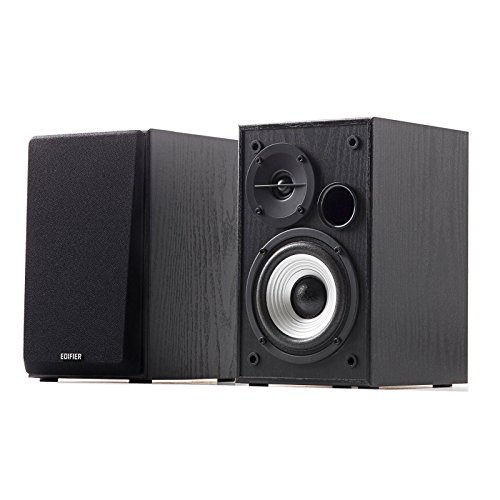
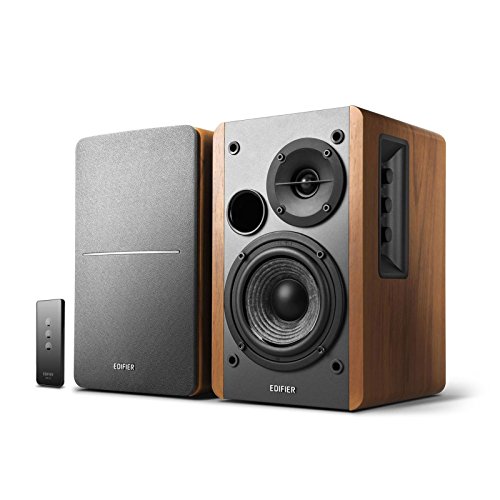
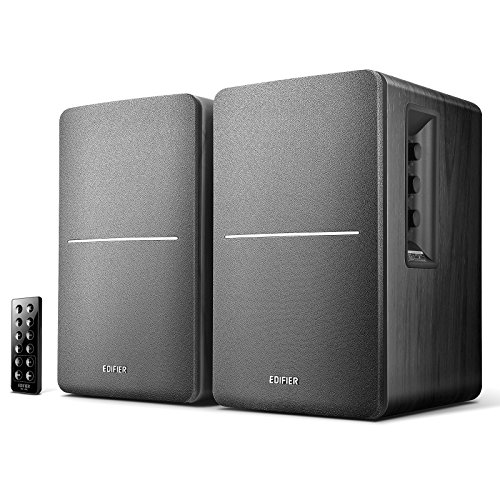
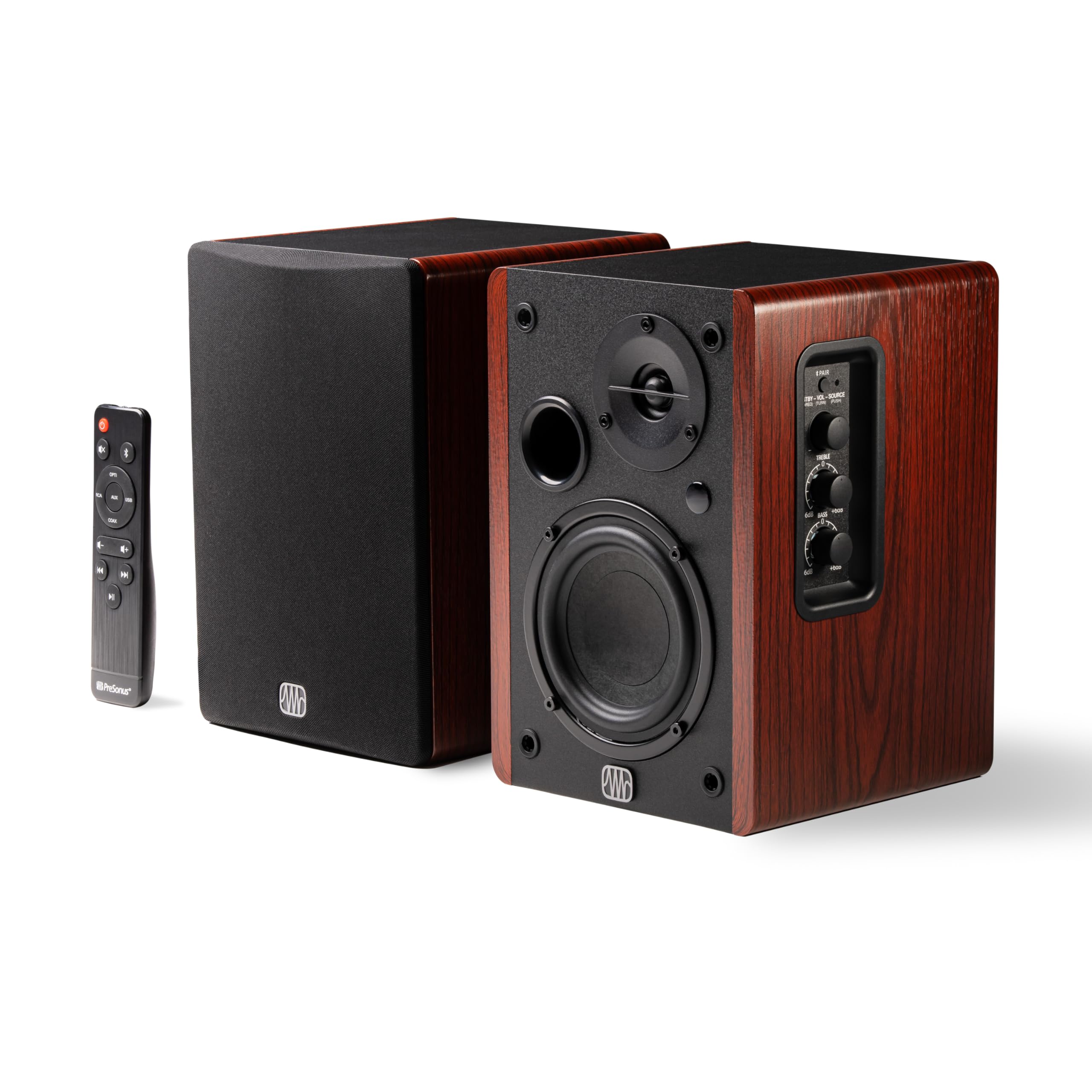
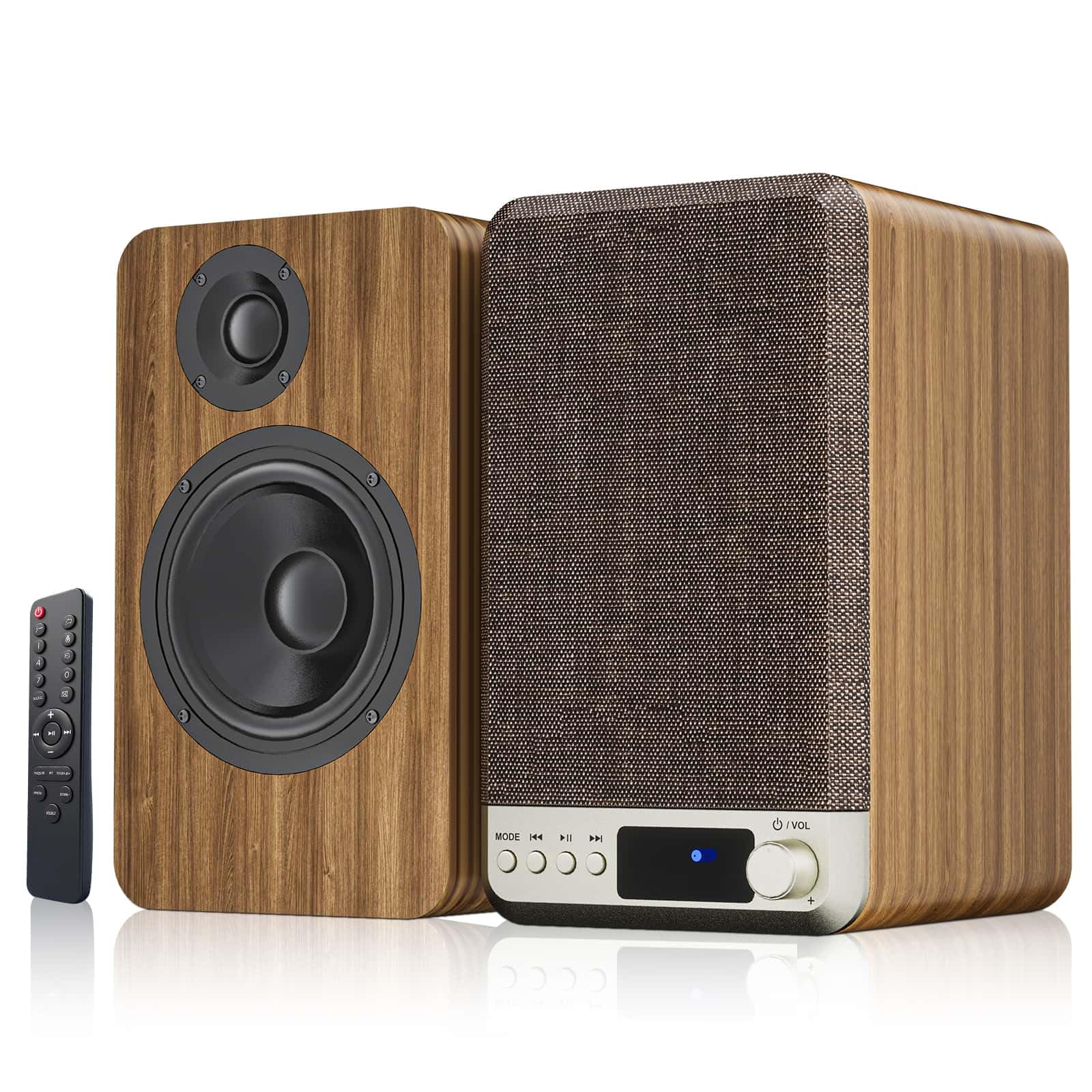
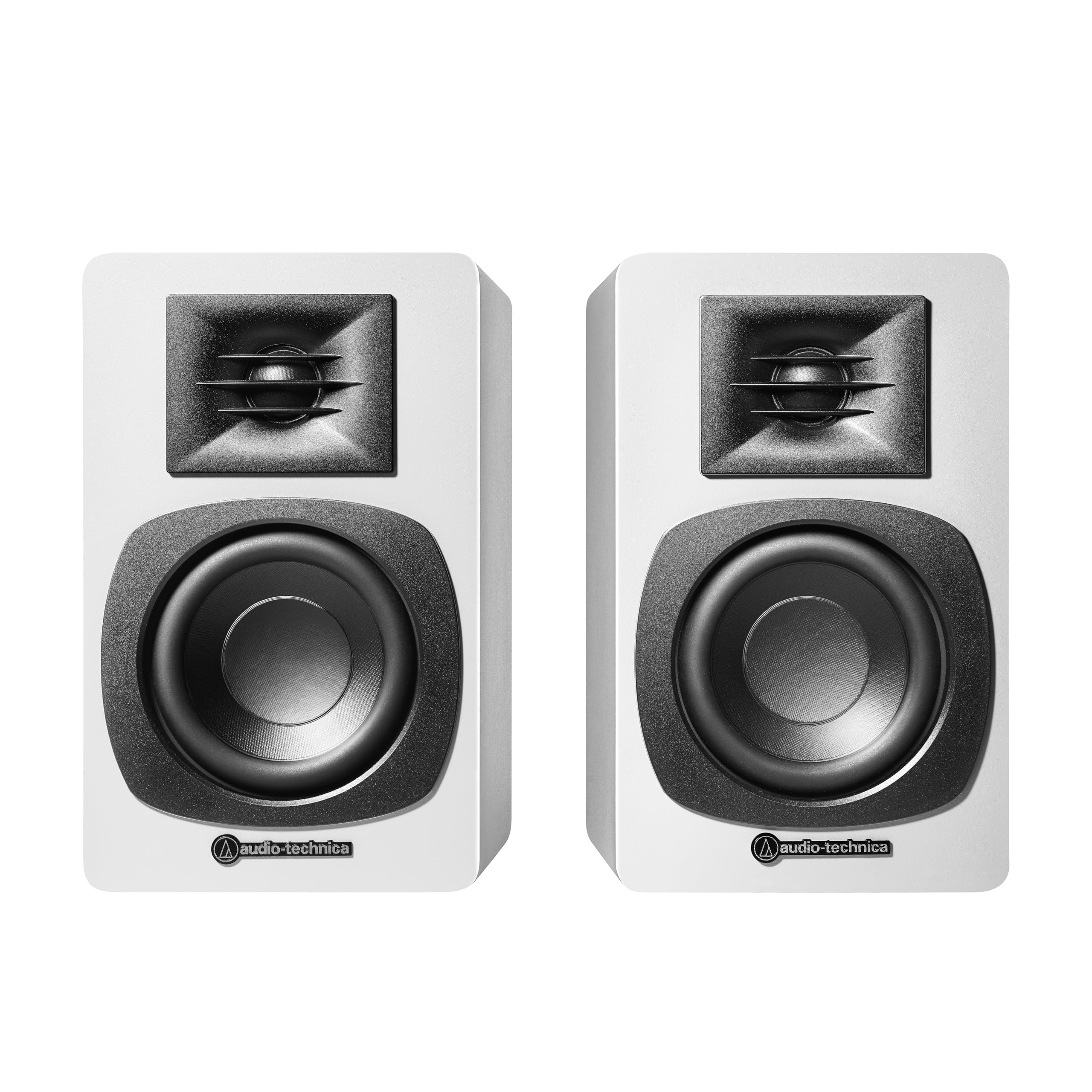
Price Tiers at a Glance
Think of these tiers as profiles rather than specific products. Any speaker that matches the profile for your budget is a sensible candidate, and the product table above gives you current examples to compare.
Best Budget Tier
Around $80 to $150, the sensible profile is a compact pair of powered bookshelf speakers with an RCA input for your turntable and Bluetooth for your phone. You get honest sound for small rooms, simple controls, and no separate amplifier to buy. The limits are modest bass depth and cabinets that can resonate at high volume. This tier suits a bedroom, dorm, or desk setup where records play at friendly listening levels a few feet from your chair.
Best Midrange Tier
Around $150 to $300, profiles improve where it counts: larger woofers around 5 inches, stiffer cabinets, and cleaner amplifiers with less hiss during quiet passages. Many models here add optical inputs for a television and a subwoofer output for later upgrades. This is the tier where vinyl starts to sound spacious and relaxed rather than merely loud enough. For most living rooms and dedicated listening corners, this is the value sweet spot of the whole category.
Best Premium Tier
Around $300 to $500, you are paying for refinement: flatter tuning, lower distortion at high volume, better built cabinets, and sometimes a built in phono stage of genuinely good quality. These speakers reward better turntables and well pressed records, and they fill medium rooms without strain. The honest limit is that room placement and your cartridge still matter as much as the speakers do, so buy this tier when the rest of your chain is ready for it.
What Your Money Gets You at Each Price Tier
Budget Tier: What to Expect
Budget powered speakers typically use 3.5 to 4 inch woofers, basic Bluetooth, and a single analog input. They sound best near a wall at a desk or on a shelf, where the room helps the bass. Expect to add your own phono preamp if your turntable lacks one, which adds about $20 to $50 to the true cost. What you should not expect is deep bass or party volume. Within those limits, a careful budget pair can make a starter turntable genuinely enjoyable.
Midrange Tier: The Sweet Spot for Most Buyers
Midrange money buys bigger drivers, better amplifiers, and more inputs, and those three upgrades solve the complaints budget owners raise most. Hiss drops, bass gains control, and an optical input lets the same speakers serve your television. Many listeners also find this tier in our wider roundup of the best affordable speakers, because the same models serve music streaming and vinyl equally well. If you buy one pair to keep for years, buy it here.
Premium Tier: When Spending More Pays Off
Spending more pays off when you listen critically, sit farther from the speakers, or own records and a cartridge good enough to expose flaws. Premium profiles deliver a steadier stereo image, so instruments hold their places, and quieter backgrounds, so surface noise stays a backdrop instead of a distraction. It does not pay off if your turntable sits in a corner on a wobbly stand, because vibration and placement problems will mask everything the extra money bought.
Features Worth Paying For (and Ones to Skip)
Sound Quality and Tuning
For vinyl, look for smooth, even tuning rather than boosted bass and treble. Records already carry warmth, and a speaker that adds more bass weight will blur bass lines and male vocals. A stated frequency response reaching about 50 to 60 Hz at the low end covers most music on vinyl without a subwoofer. If a listing shouts about wattage but says nothing about response or driver size, treat that silence as your answer.
Features That Matter for Vinyl
The defining vinyl question is the phono stage. A turntable puts out a very weak signal that needs phono preamplification and equalization before any normal input can use it. That stage can live in the turntable, in a small separate box, or, on some powered speakers, in the speaker itself. Confirm one of the three exists in your chain or you will hear thin, quiet sound. A ground terminal also helps cure hum. For a deeper category view, see our guide to the best speakers for vinyls.
Size, Weight, and Shelf Space
Bookshelf speakers still need real space: most sound best with the front baffle at least a few inches from the wall and the tweeters near ear height. Measure your shelf depth before ordering, because powered pairs run deeper than they look once cables plug into the back. Heavier cabinets usually signal thicker walls and less resonance, which is good, but confirm your shelf or stands can carry the pair safely before you commit.
Inputs and Controls
Count your sources before you buy. A vinyl focused setup needs at least one analog RCA input, and Bluetooth adds easy phone streaming for guests and casual listening. A remote control matters more than people expect, because powered speakers put their volume knob on the back or top of one cabinet. Tone controls or a simple EQ can help tame a bright room. If wireless freedom is your priority, our guide to the best affordable bluetooth speakers covers that trade in detail.
What You Can Realistically Get on a Budget
On a tight budget you can realistically get clean stereo sound, simple setup, and enough volume for one small room. You will likely give up a built in phono stage, a remote, and deep bass. Spend your limited money on the speakers themselves rather than cables or accessories, and keep about $30 in reserve for a basic phono preamp if your turntable needs one. That reserve prevents the classic dead end of a new setup that plays at a whisper.
Long Term Costs to Factor In
The sticker price is only part of ownership. Budget a phono preamp if your chain lacks one, plus speaker stands or isolation pads, about $30 to $80, which also improve sound by steadying the cabinets. Records played on speakers placed on the same surface as the turntable can cause feedback rumble, so a separate stand may be a need, not a luxury. Electricity costs are trivial for powered speakers. Finally, check the warranty length and whether the brand sells replacement parts in the US, because a powered speaker with a dead amplifier is landfill unless it can be repaired.
FAQs
What features matter most in speakers for vinyl?
An available phono stage somewhere in the chain matters most, followed by even tuning and enough inputs. Without phono preamplification the sound will be quiet and thin no matter how good the speakers are. After that, steady cabinets and sensible placement protect the low frequencies your records carry. Check those basics before paying for extras like app control.
What IP rating do I need for outdoor use?
For a vinyl setup, almost certainly none, because turntables and records belong indoors away from weather. IP ratings apply to portable speakers, not to the powered bookshelf pairs most record listeners buy. If you want music outside as well, buy a separate portable speaker for that job instead of dragging your vinyl speakers onto a patio, where humidity and dust will shorten their life.
Do I need a special codec?
No codec affects your records at all, because vinyl playback through the RCA input is a wired analog path. Codecs only matter for the Bluetooth side of a powered speaker, where AAC or aptX support gives cleaner phone streaming. Choose your speakers for their wired performance first, and treat any codec support as a small bonus for casual listening.
Is ANC worth the extra cost?
ANC is a headphone feature and does not exist on room speakers, so it is never worth paying for in this category. The comfort features that do translate are low amplifier hiss during quiet passages and a remote you can use from your chair. Listeners who want a flatter, more measured sound may also enjoy our guide to the best affordable studio speakers, which covers neutral nearfield models.
How long does the battery last?
Speakers built for vinyl are almost always mains powered, so battery life does not apply to them. They draw power from the wall and are ready whenever you drop a needle. If a listing for a supposed vinyl speaker leads with battery hours, it is a portable Bluetooth model that will need an extra cable and a phono stage to work with your turntable at all.
Wired or wireless: which sounds better?
For vinyl, wired is the only real path, since the turntable connects by cable and that analog signal carries the full sound of the record. Wireless links serve your phone, not your turntable, unless you own a Bluetooth turntable, which converts the record to digital and gives up some of the simplicity people buy vinyl for. Use wired for records and wireless for everything else.
The Bottom Line
Confirm your phono stage, choose even tuning over boosted bass, and buy the largest tier your room and budget honestly support. Those three checks prevent nearly every disappointing vinyl setup. Compare the tiers in the product table above, and settle on the best affordable speakers for vinyl that fit your turntable, your shelf, and the way you actually listen.