Best Affordable Speakers for Turntable 2026: A Practical Buying Guide
Disclosure: We may earn a commission when you buy through links on this page, at no extra cost to you. As an Amazon Associate I earn from qualifying purchases. Learn more

Learn how to choose affordable speakers for turntable setups by powered vs passive design, phono input, and room size, with vinyl listening tips.
Vinyl listening needs speakers that suit the warm, detailed character of records. Turntable setups also raise a practical question: powered or passive speakers. Best affordable speakers for turntable cover both paths, and the right choice depends on your turntable, room, and budget.
This guide explains powered versus passive designs, phono stages, and room placement. It helps new vinyl listeners avoid mismatched gear and enjoy records without overspending on features they may not need.


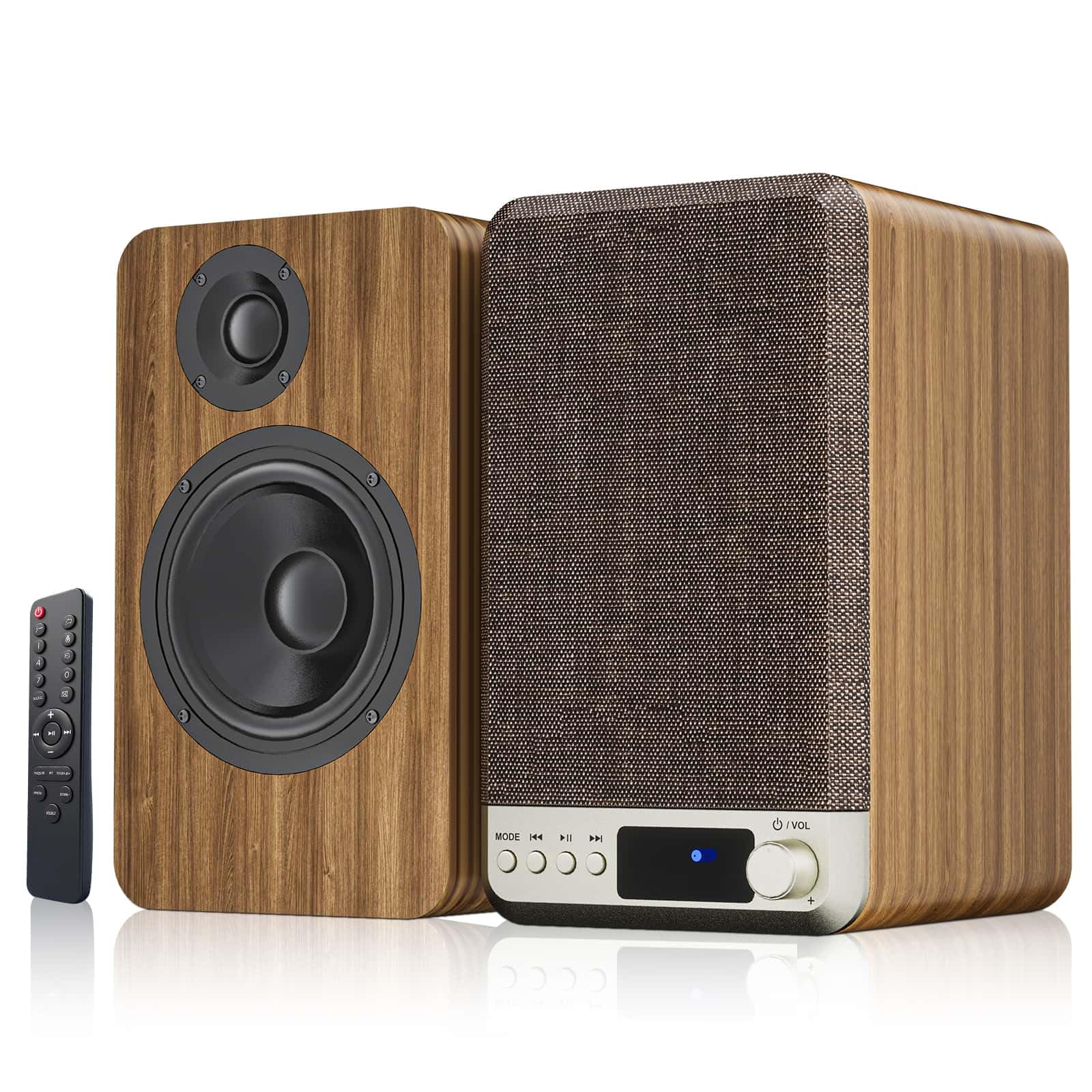


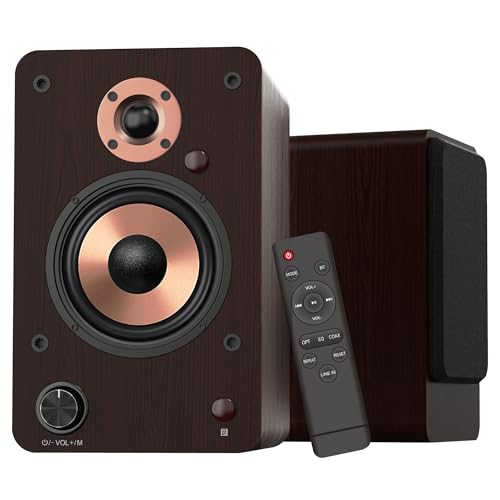
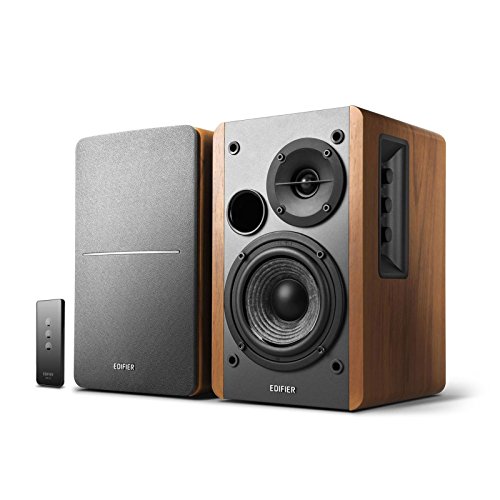
The comparison table below gives a quick overview of the main choices. The sections that follow explain types, features, and everyday use, so you can match a model to your routine rather than to a showroom display.
Who Should Buy Which Model
These speakers suit new vinyl listeners, small room listeners, and anyone building a first turntable setup. They work well for living rooms, bedrooms, and home offices where records play at moderate volume. They also suit collectors who value simplicity.
They are less suited to large rooms or high volume listening, where larger speakers and stronger amplifiers matter more. If you already own a quality amplifier, passive speakers may give more upgrade flexibility than powered models.
Types Compared
Most choices fall into a few clear types. The differences below matter more than small specification gaps, because they decide how the product feels in daily use.
Powered speakers for turntables
Powered speakers include a built in amplifier, so you connect a turntable directly in many cases. They suit simple setups with minimal boxes and cables. Many include Bluetooth and auxiliary inputs for other sources.
Powered speakers tie you to the built in amplifier, which cannot be upgraded separately. If you later want a stronger amplifier, you may need new speakers too.
Passive speakers with an amplifier
Passive speakers need an external amplifier or receiver. They suit listeners who enjoy building a system over time and swapping components. Sound quality can be excellent when amplifier and speakers match well.
Passive setups cost more overall and need more space and cables. They also require attention to amplifier power and impedance matching, which can confuse beginners.
Bookshelf speakers for small rooms
Bookshelf speakers suit small to medium rooms, where their size and sound balance shine. They sit on stands or shelves and give clear vocals and detailed highs. Many affordable vinyl setups use this size.
Bookshelf speakers produce less deep bass than floor standing models. A subwoofer can help later, but many listeners find bookshelf bass sufficient for vinyl at moderate volume.
Key Features to Compare
Phono stage and inputs
A phono stage boosts the tiny turntable signal to line level. Some turntables include one, some speakers include one, and some setups need a separate box. Check which parts of your chain already include a phono stage before buying.
Driver size and sound balance
Driver size affects bass and overall fullness. A 4 to 5 inch woofer suits small rooms, while larger woofers give more bass. Balance matters more than bass alone, since vinyl detail lives in mids and highs too.
Room placement and stands
Placement affects sound more than small specification differences. Speakers should sit at ear height, away from walls if possible, and angled slightly toward the listener. Stands help bookshelf speakers reach proper height.
Bluetooth and extra inputs
Bluetooth adds convenience for streaming beside vinyl, but it should not replace core sound quality. Check auxiliary and optical inputs if you connect a television or computer. Extra inputs add flexibility without hurting vinyl playback.
Common Mistakes to Avoid
A common mistake is connecting a turntable without checking the phono stage. Without a phono stage, or with two stages in series, sound will be too quiet or distorted. Confirm one phono stage is active in the chain.
Another mistake is placing speakers directly against a wall or inside a closed shelf. Bass can boom and detail can blur. Give speakers breathing room and test placement with a familiar record before finalizing setup.
Budget and Long Term Value
Powered bookshelf speakers for turntables cost about $100 to $250, while passive speakers plus a basic amplifier often run about $200 to $400 total. Stands add about $40 to $100. For most beginners, a powered pair in the middle range is the simplest value.
Long term value comes from driver quality, cabinet build, and input flexibility. A well built powered pair can serve for years, while a cheap pair with weak amplifiers may distort sooner. Check warranty and driver replacement options.
A Final Check Before You Order
Before you order, confirm whether your turntable has a built in phono stage. Check speaker inputs against your turntable outputs, and measure shelf or stand space for the speaker size you want.
Think about room size and listening volume. Small rooms suit bookshelf speakers well, while larger rooms may need bigger drivers or a subwoofer later. Start simple and upgrade one part at a time.
Related guides can help you compare nearby choices before you decide. Readers who want a wider view often look at best turntable and speakers, best affordable speakers, best affordable bluetooth speakers and best affordable studio speakers alongside this guide, then return here to check size, fit, and daily use against their own routine.
Getting the Most From Your Choice
A shortlist helps more than a long list. Pick two or three best affordable speakers for turntable options that fit your space and your budget, then compare them on comfort, durability, and ease of use. Ignore features you will rarely touch, since they add cost without improving daily satisfaction. The best option is often the one that feels simplest to live with.
Give the product a fair trial in real use, not just a quick unboxing check. Use it for the tasks you bought it for, at the times you normally need it. If something feels awkward after several real uses, that feeling is useful information, not a flaw in your expectations.
Simple maintenance makes a real difference to longevity. Clean the product as directed, store it where it will not get knocked or damp, and replace worn parts promptly. These small habits keep performance steady and avoid sudden failures at inconvenient moments.
Total cost includes time as well as money. A product that saves ten minutes a day, cleans easily, and rarely needs attention is worth more than the price gap suggests. Weigh daily time saved alongside purchase price when you make the final call.
Questions to Ask Before You Order
Use these questions as a final checklist before you buy. They help you catch fit, cost, and upkeep issues while a change is still easy.
- Does this option fit my space, my routine, and the people who will use it most?
- What will I need to clean, maintain, or replace in the first year?
- Which features will I actually use every week, and which are only nice to have?
- Can I return or exchange it easily if the fit or comfort is wrong?
- Does the total cost, including accessories and upkeep, stay within my budget?
Frequently Asked Questions
Do I need powered or passive speakers for a turntable?
Powered speakers are simpler for beginners, since the amplifier is built in. Passive speakers suit listeners who want to upgrade amplifiers later. Both can sound excellent when matched correctly to your turntable.
What is a phono stage and do I need one?
A phono stage boosts and equalizes the turntable signal so it plays at normal volume. You need exactly one in your chain, either in the turntable, the speakers, the amplifier, or a separate box. Check your gear before buying.
Can I use Bluetooth speakers for vinyl?
You can, but Bluetooth adds compression and delay compared with a wired connection. For best vinyl sound, use a wired connection from turntable to speakers. Bluetooth suits casual listening when convenience matters more.
How should I place turntable speakers?
Place them at ear height, roughly as far apart as your listening distance, and angled toward you. Keep them away from walls and out of closed shelves when possible. Small placement changes can improve sound a lot.
Do I need a subwoofer for vinyl?
Not necessarily. Bookshelf speakers give enough bass for many listeners at moderate volume. A subwoofer helps for deep bass genres and larger rooms, but it can also overwhelm small rooms if set too loud.
A final practical tip is to keep your notes from this guide beside you when you shop. Compare the shortlisted options on the same points, in the same order, so a flashy feature on one option does not distract from a missing basic on another. For best affordable speakers for turntable, that discipline usually leads to a calmer decision and a product that still feels right months later, when novelty has faded and daily use is what counts.
Final Thoughts
Turntable speakers sound best when the chain is simple, matched, and placed well. Powered simplicity suits beginners, while passive flexibility suits builders who enjoy upgrading over time.
Check the phono stage, match speaker size to your room, and test placement with familiar records. With those steps, best affordable speakers for turntable make vinyl listening warm, clear, and easy to enjoy daily.
Use the product table above to shortlist two or three options, then check measurements, fit, and running costs once more before you buy.