Best Affordable Speakers for Music for 2026: The Buyer Checklist We Use
Disclosure: We may earn a commission when you buy through links on this page, at no extra cost to you. As an Amazon Associate I earn from qualifying purchases. Learn more

Use this checklist to find the best affordable speakers for music, with plain guidance on sound tuning, codecs, room size, and battery trade offs.
Speaker listings are full of watt claims and driver counts that tell you almost nothing about how music will actually sound in your room. A checklist works better: define your space, your connection type, and the sound balance you like, then judge every candidate against those fixed points. That is how this guide to the best affordable speakers for music is built.
Affordable here usually means under $200 per speaker or pair, with strong options around $50 to $150. Work through the evaluation criteria first, compare your shortlist in the comparison table below, and only then look at price tiers.




How to Evaluate Speakers
What You Can Realistically Get on a Budget
Around $50 to $150, you can realistically get clear vocals, honest midrange, and enough bass for a desk, kitchen, or bedroom, especially from a well tuned bookshelf pair or a larger portable model. What gets cut is deep bass below about 60 Hz, premium cabinet materials, and the widest stereo separation from a single small box. Do not cut corners on connection stability or build quality to gain a longer feature list. A simple speaker that plays cleanly at the volumes you use beats a feature packed one that distorts or drops its Bluetooth link.
Features That Matter for Music
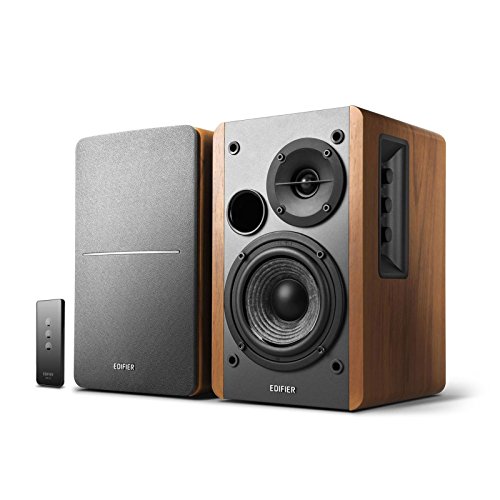
Music rewards accuracy more than effects. Look for a stated frequency response that reaches down toward 60 Hz to 80 Hz without wild swings, a tweeter paired with a woofer rather than a single tiny full range driver, and a wired input alongside Bluetooth so you can bypass compression when you want. Stereo pairing support matters if you may add a second unit later. Listeners focused on acoustic detail can also explore our guide to the best affordable speakers for classical music, where wide dynamic range and clean strings matter even more.
Sound Quality and Tuning
Tuning is the balance between bass, midrange, and treble, and it decides whether you enjoy a speaker for years. Neutral tuning keeps vocals and instruments close to the recording, while bass boosted tuning feels exciting for a week and tiring over long sessions, and it can bury lyrics. Driver size helps low notes but does not guarantee good sound; cabinet design and digital processing matter just as much. If a speaker offers an equalizer in its app, mild boosts you set yourself are safer than a permanently heavy factory tune you cannot undo.
Placement and Room Size
Match speaker size to room size before anything else. A small portable speaker fills a bathroom or desk area, a medium bookshelf pair suits a bedroom or living room, and a large room needs either bigger cabinets or a pair spread apart for real stereo. Place bookshelf speakers at ear height with tweeters aimed near your listening spot, and keep some space from walls if bass sounds boomy. Two speakers separated by roughly the same distance as you sit from them will image far better than one premium box in a corner.
Battery Life and Charging
For portable models, treat the stated battery life as a best case at moderate volume; loud outdoor listening can cut it nearly in half. Ten to twenty hours is a useful real world range for a day of music, and USB C charging is worth seeking because one cable then covers your phone and speaker. Home speakers that plug into the wall skip this concern entirely and often sound better per dollar, since none of your money buys a battery. Decide honestly whether the speaker will leave the house before paying for portability.
Portability, Size, and Weight
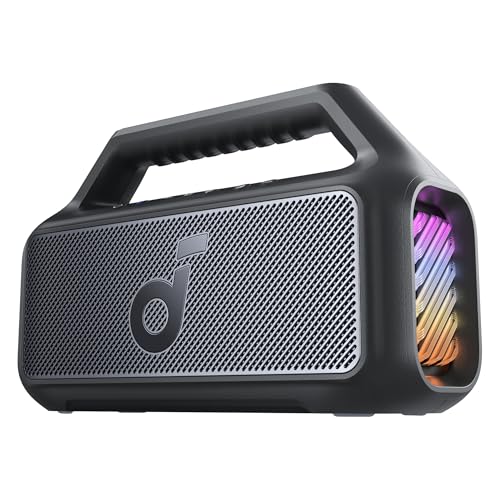
Weight shapes how a portable speaker actually gets used. Models under about 2 lb travel in a bag without thought, midweight models around 3 lb to 5 lb suit car trips and backyard use, and anything heavier tends to stay in one room. A handle or strap matters more than a few ounces on paper. For home only listening, ignore weight and spend on cabinet size and driver quality instead. If you mostly listen at a desk, compact powered speakers save space and remove the need for a separate amplifier.
Listening Clearly in Busy Rooms
Speakers do not cancel noise the way headphones do, so clarity in a busy kitchen or workshop comes from clean output at the volume you need, not from a noise feature. A speaker that stays clear at moderate volume beats a louder one that hardens and distorts when you push it. Direction matters too: a front firing speaker aimed at you needs less volume than one firing upward into a noisy room. If your listening space is loud, budget for size and power headroom rather than smart features.
Three Price Tiers That Pass the Checklist
Best Overall Tier
The overall sweet spot sits around $120 to $200, where powered bookshelf pairs and larger portable speakers deliver full range sound, stable Bluetooth 5.3 connections, and useful extras such as a remote, optical input, or app equalizer. At this level you can expect honest bass to near 50 Hz to 60 Hz, stereo pairing on portable models, and cabinets that do not rattle at normal listening levels. This tier suits a main living space and listeners who keep a speaker for many years. The limit is still deep cinema style bass, which needs a subwoofer at any affordable price.
Best Value Tier
Value tier speakers around $60 to $120 give up finish and features, not core sound. Expect simpler cabinets, fewer inputs, and basic Bluetooth without multipoint, but still clear mids and satisfying everyday bass for desks and small rooms. This is the right tier for a first upgrade from a phone or TV speakers, and for second rooms where reference quality is unnecessary. Check the return policy and listen with your own music during the return window, because tuning taste is personal and specs will not settle it for you.
Best Compact Tier
Compact models under around $80 trade bass depth for size, and the good ones admit it gracefully instead of faking low notes with heavy processing. Choose this tier for travel, bathrooms, and small desks, and favor models with an IP67 rating if water is part of the picture, since that rating covers dust and short immersion. A compact speaker that pairs in stereo with a second unit gives you an upgrade path. Set expectations by physics: a pocket sized box will make podcasts and background music pleasant, but it will not fill a party.
Quick Buyer Checklist
- Is the speaker sized for your room, or are you paying for portability you will not use?
- Does it offer the inputs you need, such as Bluetooth, aux, USB, or optical?
- Is the tuning neutral enough for long listening, or heavily bass boosted?
- Can it pair in stereo or accept a second unit later if you want more?
- For portable models, is real world battery life at your volume at least one full day?
- Is the Bluetooth codec support a match for your phone, and is multipoint included if you switch devices?
- Does the warranty run at least one year from a seller you can reach?
Red Flags to Watch For
Be wary of huge watt numbers with no stated measurement standard, since peak watt claims can be many times the real continuous output. Vague frequency response figures with no tolerance range are another warning sign. Check for missing basics: no stated Bluetooth version, no water resistance certification on a speaker sold as rugged, or a warranty shorter than a year. A flood of similar five star reviews posted in a short window deserves skepticism. Finally, avoid models with no wired input at all if you plan to connect a TV or record player later. For a wider view of the category before you decide, see our roundup of the best speakers for music at every budget.
How to Make Your Speaker Last Longer
Keep firmware updated through the maker app, since updates often fix connection bugs and improve battery management. Store portable speakers indoors away from heat, and charge them before long storage rather than leaving them empty for months. Wipe cabinets and grilles with a dry cloth, and keep charging ports free of sand and lint. Avoid running any speaker at maximum volume for long stretches, because heat and distortion shorten driver life. If your model uses a companion app, note your equalizer settings so a reset does not erase a tuning you liked.
FAQs
What features matter most in speakers for music?
Sound tuning, driver layout, and connection stability matter most. A two way design with a separate tweeter usually renders vocals and cymbals more cleanly than a single small driver, and a frequency response reaching near 60 Hz gives music body without a subwoofer. After that, choose the inputs and form factor your room needs. Listeners comparing the wider market can start with our overview of the best affordable speakers to see how music models differ from general purpose ones.
Do I need a special codec for better Bluetooth sound?
Not usually. Standard Bluetooth audio sounds good on a well tuned speaker for casual and most focused listening. Higher quality codecs such as LDAC or aptX can preserve more detail, but both your phone and the speaker must support the same codec, and the gain is modest on small affordable speakers. A wired connection still offers the cleanest signal when you sit near the speaker. Spend codec money only after cabinet, drivers, and tuning are right.
What IP rating do I need for outdoor use?
IP67 is the practical target for a speaker that will live outdoors, because it means dust tight construction and survival after immersion in shallow water for a short time. IPX5 or IPX7 ratings cover splashes and rain for occasional patio use. Remember that ratings assume fresh water and intact seals, so rinse off salt and chlorine and let ports dry before charging. A rating does not protect against drops, so a rugged shell matters too for poolside and trail use.
Wired or wireless: which sounds better for music?
Wired usually sounds slightly better because it avoids Bluetooth compression and never drops out, and powered speakers with an optical or USB input can sound excellent from a computer or TV. Wireless wins on convenience and placement freedom, and modern Bluetooth 5.3 connections are stable across a typical room. Many listeners keep both options open by choosing a speaker with Bluetooth plus an aux or optical input. If you stream from your phone across the room daily, wireless convenience will matter more than the small quality gap.
Is active noise cancelation relevant for speakers?
No, noise cancelation is a headphone technology, and speakers do not use it to quiet your room. What a product page may mean is echo cancelation for speakerphone calls, which helps your voice on calls but does nothing for music. For music in a noisy space, choose a speaker with clean output and enough headroom to play clearly at the level you need. Do not pay a premium for a cancelation claim on a speaker; put that money toward size, drivers, or a second unit for stereo.
How long does a portable speaker battery last?
Most affordable portable speakers run about ten to twenty hours at moderate volume, with small models near the low end and larger ones lasting longer. Loud volume, heavy bass tracks, and cold weather shorten that range noticeably. Makers rate battery at modest volume, so discount the claim by roughly a third for outdoor use. If all day events are common for you, choose a model with USB C charging so a common phone power bank can extend your listening. Home listeners can skip battery math entirely with a plug in model, like many of the best affordable bluetooth speakers alternatives that trade portability for sound per dollar.
Wrapping Up
Decide your room and form factor first, then judge tuning and connections, then price. That order keeps the checklist honest and stops spec sheet noise from steering you. Compare your finalists in the product table above, and remember that the best affordable speakers for music are the ones whose sound you still enjoy an hour into a favorite album, not the ones with the longest feature list.