
Best Affordable Quality Watches for 2026: Everything to Know Before Your First Purchase
Disclosure: We may earn a commission when you buy through links on this page, at no extra cost to you. As an Amazon Associate I earn from qualifying purchases. Learn more

Shopping for the best affordable quality watches for the first time? Learn the terms, compare options, and avoid rookie mistakes with this easy guide.
Your first good watch should feel like a small daily pleasure, not a gamble. The hard part is that listings throw around terms like sapphire, lume, and automatic without explaining what they are worth. This guide decodes the best affordable quality watches in plain language, from how movements work to how a case should sit on your wrist.
Start with the comparison table below to see the spread of prices and styles, then read on to learn which specs justify their cost. By the final section you will have a simple checklist: movement, size, crystal, and water resistance, judged in that order for your own routine.


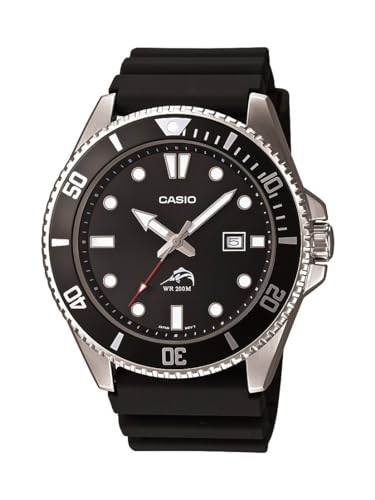


Watches 101: The Basics
A watch is a small timekeeping machine worn on the wrist, and its engine is called the movement. Quartz movements use a battery and a vibrating crystal to keep time with excellent accuracy. Automatic movements use a tiny weighted rotor that winds a spring as your arm moves, so the watch runs on motion instead of a battery. Solar movements charge a cell with light through the dial, and smart movements are small computers with screens.
The case holds the movement, the crystal protects the dial, and the strap or bracelet attaches everything to your wrist. Numbers you will see include case diameter in millimeters, water resistance in meters or ATM, and lug width, which is the strap size the case accepts. If you want the broadest view of the category first, our guide to the best affordable wrist watches maps the main styles and price bands in one place.
One more basic term is worth learning before you shop: crystal material. Plastic scratches easily, mineral glass resists everyday knocks at a fair price, and sapphire is the premium option that only harder materials can mark. You will also see the word calibre, which is simply the specific model name of a movement. Knowing these few terms turns confusing listings into simple comparisons, and it helps you spot when a high price is paying for decoration instead of substance.
Key Specs Explained in Plain English
What You Can Realistically Get on a Budget
Around $50 to $250 buys a genuinely well made everyday watch if you spend on the right things. In this range you can expect a stainless steel case, a mineral or even sapphire crystal at the top end, and a quartz movement that keeps time within seconds per month. What gets cut is usually finishing polish, brand prestige, and elaborate complications. Never cut corners on the crystal or the movement source to save a small amount, because both decide how the watch ages. A plain watch built properly beats a flashy one built cheaply every single time.
Movement Type (Quartz, Automatic, Solar, Smart)
Quartz is the low stress choice: accurate, inexpensive, and happy to sit in a drawer for a week. Automatic brings mechanical charm and no battery changes, but it stops after a day or two unworn and needs servicing every few years. Solar removes battery anxiety almost entirely, since light keeps it charged. Smart movements add notifications, GPS, and health tracking, at the cost of charging every day or two and a shorter useful life. Shoppers leaning digital can compare options in our guide to the best affordable smart watches before deciding.
Case Size and Wrist Fit
Case diameter between 38 and 44 mm covers most wrists, and the right size is the one where the lugs do not hang past the edges of your wrist. Thickness matters as much as width: a slim case slides under a shirt cuff, while a thick one catches on sleeves. Lug to lug length, the full span across the strap attachments, is the number that truly decides fit on smaller wrists. Measure your wrist with a soft tape before ordering. Sizing charts written for the best affordable watches for men follow the same measurement logic and work for anyone.
Legibility and Style
A quality watch is readable at a glance. Look for strong contrast between hands and dial, clear markers, and lume, the glow material that charges in light and reads in the dark. A busy dial with tiny subdials may look impressive in photos and frustrate you in daily use. Style should match where the watch will live: clean and slim for office wear, bold and rugged for weekends and sport. Runners who want timing and visibility features pushed further can look at our guide to the best affordable running watches as a specialist alternative.
Brand Reputation, Warranty, and Value
Established watch brands earn their premium through consistent quality control and service networks, not just logos. A two year warranty is the normal floor for a quality watch, and brands with United States service centers make repairs far less painful. Value also includes resale and longevity: a classic styled quartz or automatic from a respected maker can run for decades with basic care. Check that the seller is authorized, because gray market bargains sometimes arrive with no valid warranty at all.
Rookie Mistakes to Avoid
- Buying by diameter alone. Lug to lug length and thickness decide comfort, and ignoring them is why first watches often feel wrong.
- Trusting fashion branding. A famous clothing logo on the dial says nothing about the movement inside or the warranty behind it.
- Misreading water resistance. A 30 m rating means splash protection, not swimming, no matter what the product photo shows.
- Skipping the crystal check. Cheap plastic crystals scratch fast and make a decent watch look tired within months.
- Chasing complications you never use. Extra dials and bezels add cost and clutter; pay for build quality first.
Getting Started: Setup and First Use
When your watch arrives, set the time by pulling the crown out gently, and avoid changing the date between about 9 in the evening and 3 in the morning on mechanical models, since the date mechanism is engaged then. Try the strap or bracelet for a full day before removing any protective film, because fit problems are easiest to solve while a return is still simple. A good fit leaves room for one fingertip between strap and wrist.
Build two habits early. Service automatic watches every 5 to 7 years so the oils inside stay fresh and wear stays low. Rinse after saltwater exposure with clean fresh water, even on watches rated for swimming, because salt and sand attack seals and bracelets. Store the watch away from speakers and magnetic clasps, since strong magnetism can disturb a mechanical movement.
Watches: Your Questions Answered
What case size fits my wrist?
Measure your wrist, then match it to lug to lug length first and diameter second. Wrists under about 6.5 inches usually suit 36 to 40 mm cases, while larger wrists handle 42 to 44 mm comfortably. The lugs should sit on top of your wrist, not float past its edges. If you are between sizes, choose the smaller one; watches wear larger in person than in photos.
How long does a watch battery last?
A typical quartz watch battery lasts about 2 to 3 years. Power hungry features like backlights and alarms shorten that span, while simple three hand models can stretch longer. Replace the battery promptly when the watch stops, because a dead battery left inside can leak and damage the movement. Solar models avoid this cycle entirely, which is a quiet advantage many first time buyers overlook.
Quartz or automatic: which is better?
Quartz is better for accuracy and low upkeep, while automatic is better for craft and long term charm. A quartz watch gains or loses only seconds per month and asks for a battery every few years. An automatic needs regular wear and periodic servicing, but many owners enjoy the smooth sweeping second hand and the absence of batteries. Neither is wrong; your tolerance for maintenance decides.
How water resistant should a watch be?
For daily wear with hand washing and rain, 50 m is a comfortable minimum. Choose 100 m if you swim with your watch, and 200 m with a screw down crown for diving or serious water sport. Ratings assume still water and new seals, so have the gaskets checked every few years. Never press the buttons of a non diving watch while it is underwater.
Is a smartwatch worth it over a classic watch?
A smartwatch is worth it if you will actually use its notifications, GPS, and health tracking every day. It asks for frequent charging and will feel outdated within a few years. A classic watch does one job for decades and never needs a software update. Many owners end up with both, and our guide to the best affordable fitness watches covers the training focused middle ground between the two.
Wrapping Up
Judge any candidate by movement, fit, and crystal, and ignore decorative extras until those three are right. Follow that order and the best affordable quality watches sort themselves quickly, whatever your budget. Take your shortlist to the product table above, confirm the lug to lug length against your wrist one last time, and choose the watch you can picture wearing on an ordinary Tuesday, not just on your best day.


