
Best Bikini Sets: A Buying Guide for 2026
Disclosure: We may earn a commission when you buy through links on this page, at no extra cost to you. As an Amazon Associate I earn from qualifying purchases. Learn more

Compare bikini sets by fit, support, fabric, and coverage, so you can find swimwear that stays comfortable in the water and flatters on the beach.
Finding best bikini sets that fit well takes more than picking a pretty print. The comparison table below sorts the main styles by coverage and support, so you can narrow the choice before you try anything on. A good set should stay put in the water, feel comfortable for hours, and suit the activities you actually do.
This guide explains top and bottom styles, support options, fabric qualities, and sizing quirks. It also covers care, since swimwear lasts far longer when it is rinsed and dried properly after every swim.
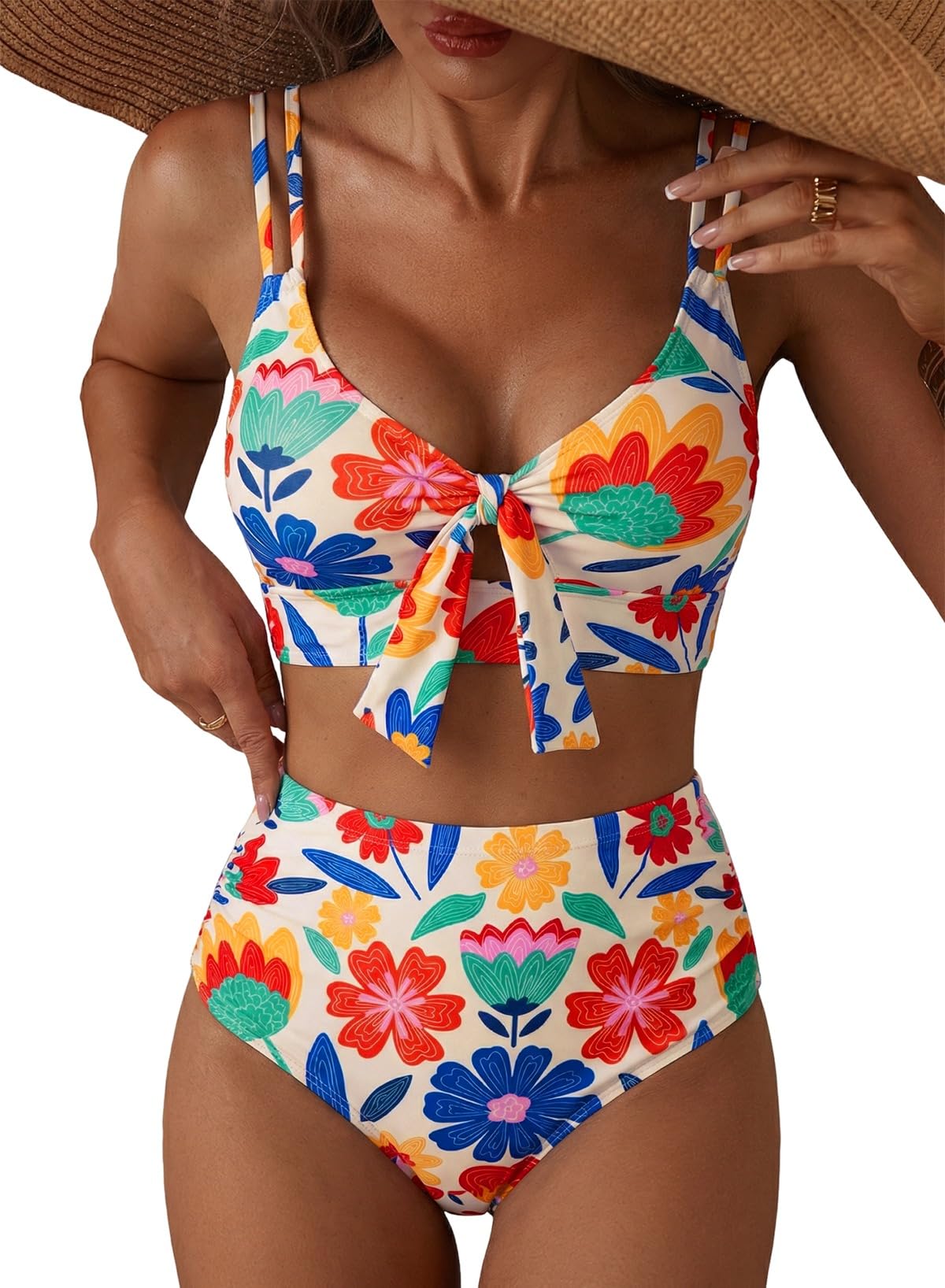
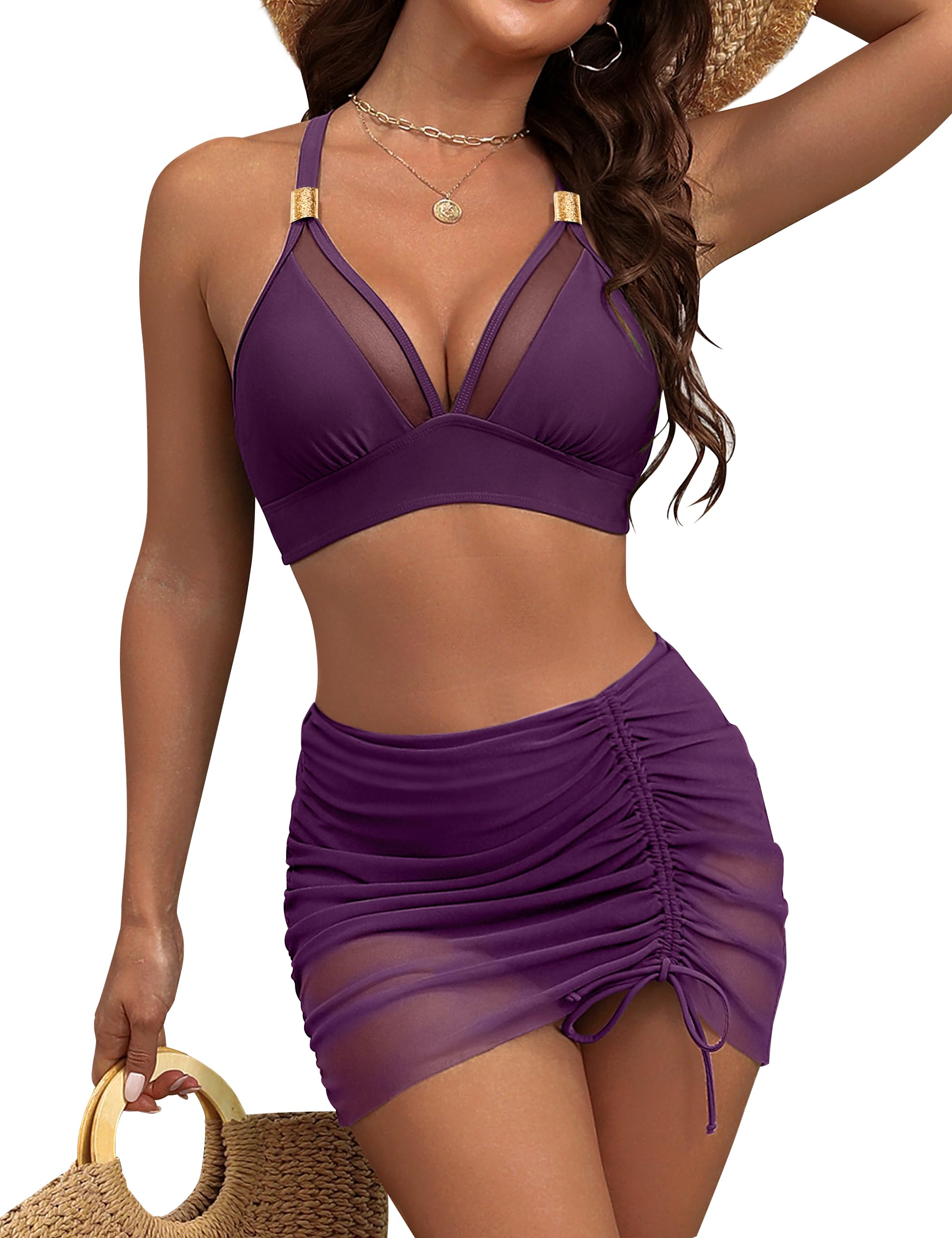
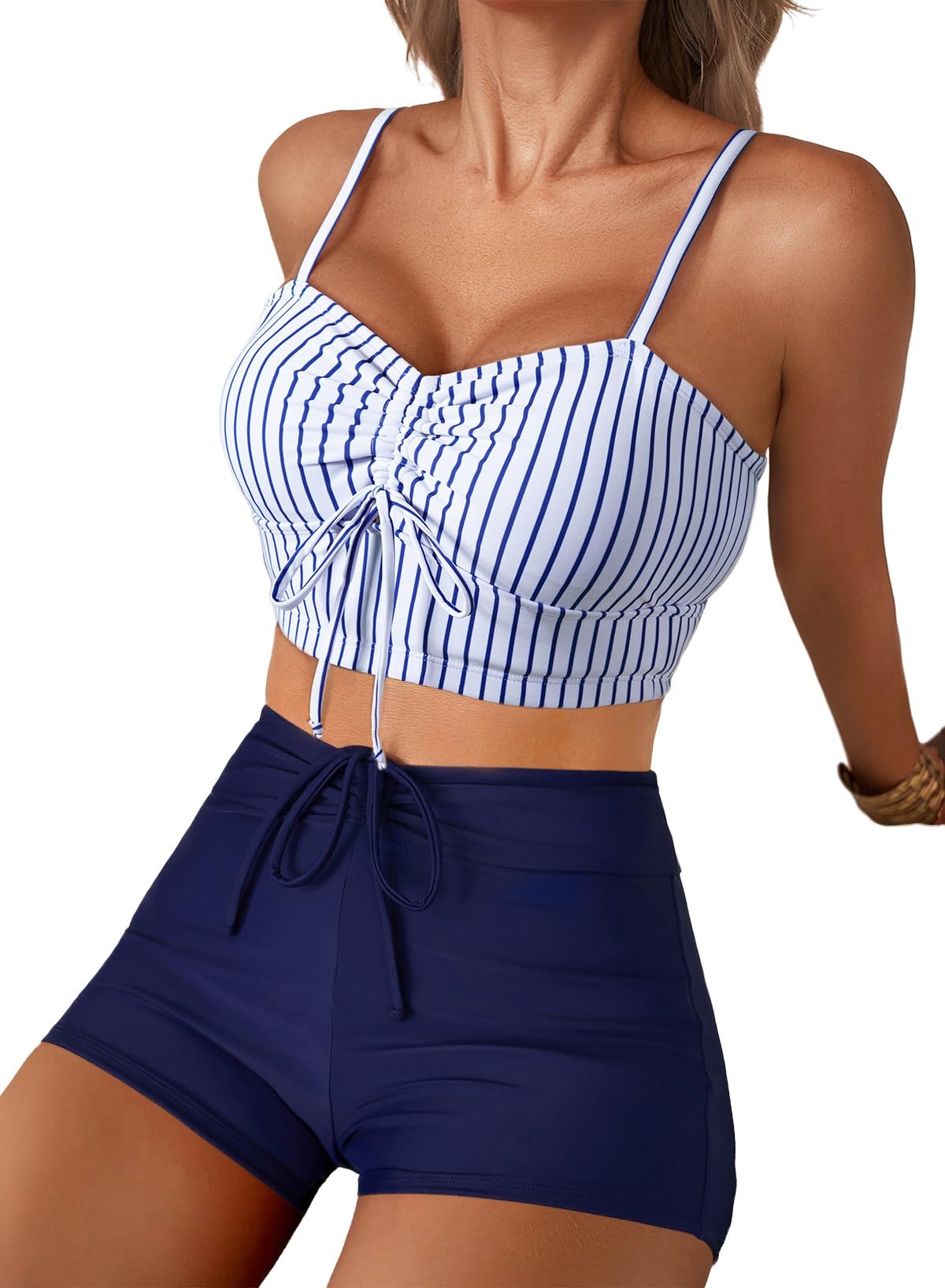
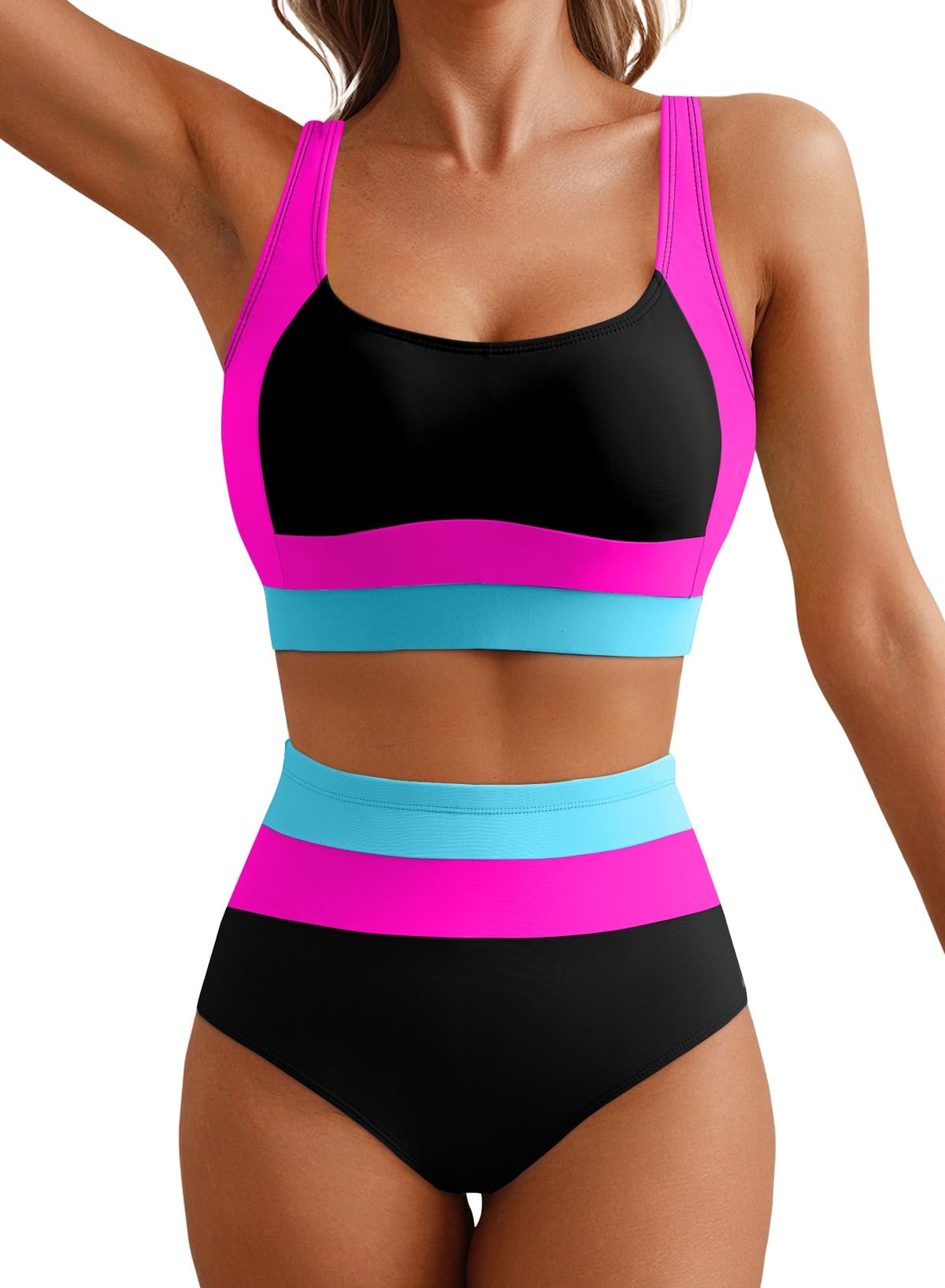


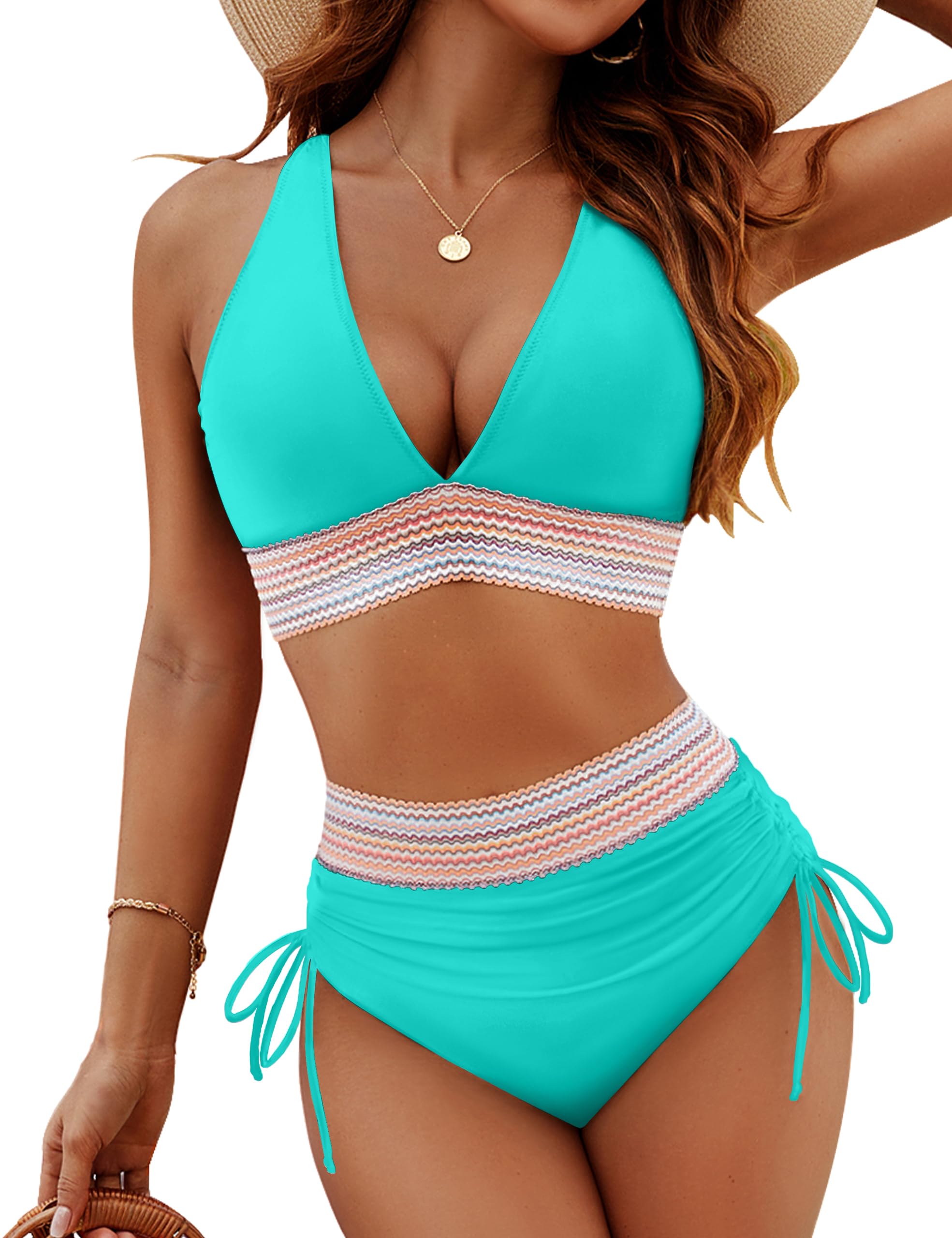
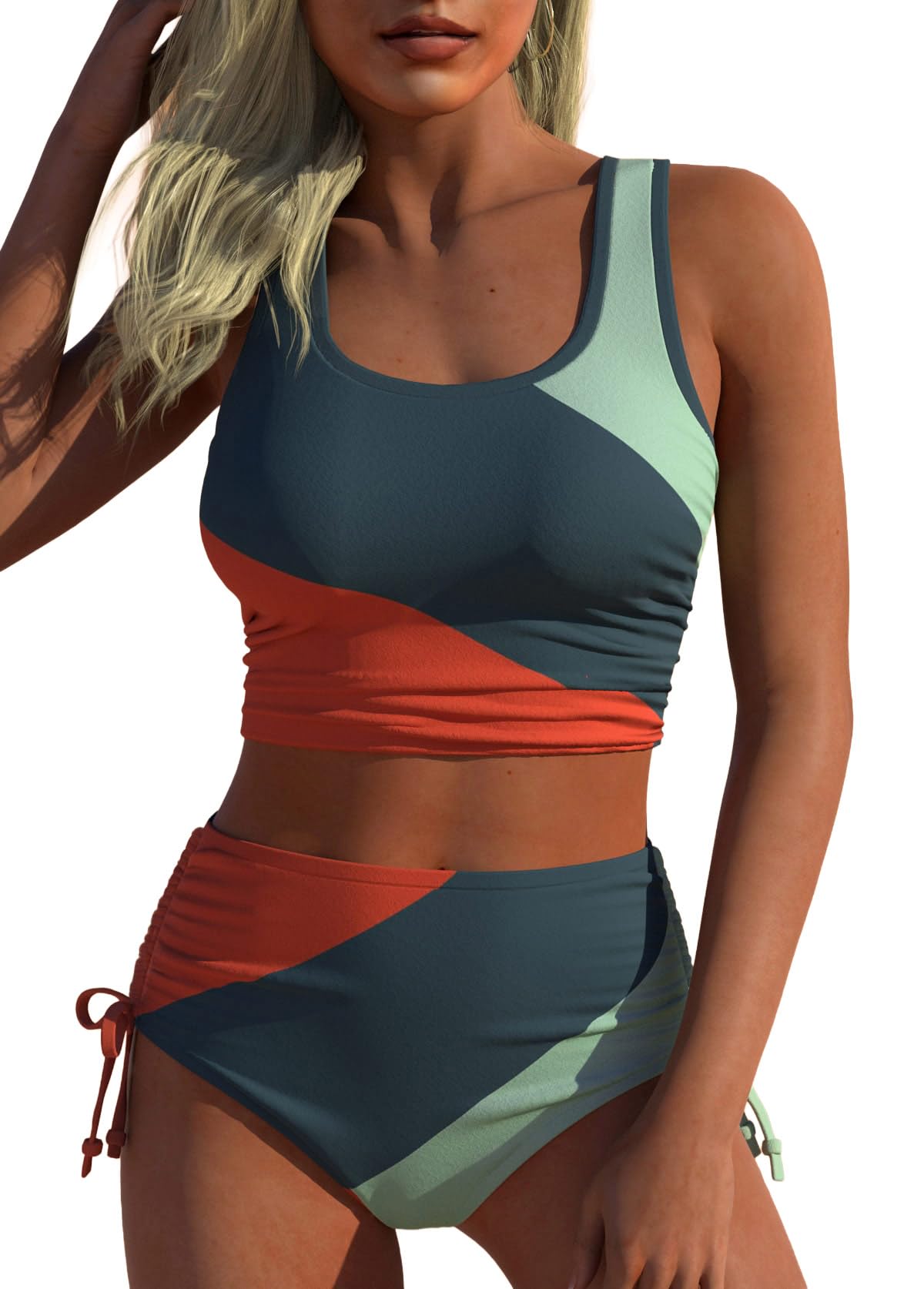
Who Should Buy
For Active Swimmers
If you swim laps, surf, or play beach volleyball, support and stay put fit matter most. Sport style tops with wide straps and secure backs hold up during movement, while high waisted or full coverage bottoms reduce adjusting. Avoid delicate ties and thin straps for active use, since they shift and loosen when wet.
For Sunbathers and Resort Wear
If your time in swimwear means mostly lounging, style and comfort can lead the choice. Triangle, halter, and bandeau tops all suit relaxed wear, and softer fabrics feel better against skin for hours. Sun protection still matters, so consider a rash guard or cover up for long sun exposure.
For Mixed Use Days
If your beach day mixes swimming, walking, and lunch, a versatile set earns its place. Adjustable straps and removable padding let one set adapt across the day. A bottom with moderate coverage suits both swimming and walking without constant adjusting.
Key Features to Compare
Top Styles and Support
Triangle tops suit smaller busts and offer light support, while halter tops tie at the neck and lift more. Underwire and moulded cup tops suit larger busts and give structured support. Sport tops with wide straps distribute weight best for active use, so match the top style to your support needs first.
Bottom Styles and Coverage
Bottom coverage ranges from cheeky cuts to full coverage briefs and high waisted styles. Cheeky cuts suit sunbathing and confident wearers, while full coverage suits active swimming and longer wear. High waisted bottoms add tummy coverage and a retro look, and they pair well with many top styles.
Fabric and Stretch Recovery
Good swim fabric blends nylon or polyester with elastane for stretch and shape retention. Chlorine resistant fabrics last longer in pools, while quick dry fabrics suit beach days with repeated swimming. Check that fabric feels soft inside and out, since rough linings irritate skin when wet.
Sizing and Adjustability
Swim sizing varies widely between makers, so measure bust, waist, and hips and compare with the size chart. Adjustable ties and straps forgive small sizing errors, while fixed sizes demand more precise measurement. If your top and bottom sizes differ, mix and match sets save you from compromising on fit.
How to Get the Fit Right
Try swimwear on and move in it: raise your arms, bend, and walk, since a set that fits standing still may shift in the water. Straps should sit firm without digging, and the band should stay level around the body. If a top rides up when you lift your arms, size up in the band or choose a style with more coverage.
Price tiers are straightforward. Sets at about $25 to $50 suit occasional wear and trend led styles. Sets at about $50 to $100 add better fabrics, linings, and construction for regular swimming.
Above $100 you pay for premium fabrics, refined fit, and longer chlorine resistance. The product table above compares styles across those tiers.
Common Mistakes to Avoid
- Buying by dress size alone without checking the swim size chart.
- Choosing delicate ties for active swimming, then adjusting constantly.
- Ignoring chlorine resistance for regular pool use.
- Wringing swimwear dry, which stretches fabric and weakens elastic.
Setup and Care Tips
Rinse swimwear in cool fresh water after every swim to remove chlorine and salt. Hand wash with mild soap and lay flat to dry away from direct sun, since heat and sunlight degrade elastic. Never wring a wet set hard, and never tumble dry it, since both shorten its life sharply.
Rotate between two sets if you swim often, so elastic recovers between wears. Store swimwear dry and unfolded where possible, and keep it away from rough surfaces that snag delicate fabric.
Choosing Swimwear That Lasts the Season
Trying swimwear on properly takes a little patience, but it prevents most fit disappointments later. Move, bend, and raise your arms in the fitting room, since a set that fits standing still may shift once you swim. Check straps, band, and bottom coverage in each position, and choose the size that stays put through movement rather than the size that merely looks right.
Rotation extends swimwear life more than any single care product, so owning two sets you alternate beats owning one expensive set worn daily. Elastic recovers between wears when given a day off, which keeps fit firm far longer. If you swim several times a week, a second set pays for itself in longevity alone.
Sun protection deserves a place in swimwear planning, since long beach days expose skin far beyond swim time. A rash guard or cover up over your bikini during peak sun protects shoulders and back without sacrificing swim time. Reapply sunscreen around straps and edges, since tan lines and burns often appear exactly where straps shift.
Packing swimwear for travel needs care too, since damp sets packed tightly grow musty quickly. Rinse and dry swimwear fully before packing, and store it in a breathable pouch rather than a sealed plastic bag. Pack a spare set for long trips, so a forgotten rinse never leaves you without dry swimwear.
At season end, wash sets gently, dry them fully, and store them flat in a cool dry place away from sunlight. Check elastic and straps before storing, so you know what needs replacing next season. A little end of season care means next summer starts with swimwear ready to wear, not a shopping emergency.
A Final Check Before You Order
Before ordering swimwear online, measure bust, waist, and hips with a soft tape and compare those numbers with the maker size chart. Sizes vary widely between brands, so your usual dress size is a poor guide for swimwear. If you fall between sizes, favour the larger size for fixed styles and the smaller size only when straps and ties adjust generously.
Order early enough to try the set at home and move in it before a holiday or pool visit. Raise your arms, bend, and walk around the room, checking that straps stay put and coverage feels secure. A set that passes a living room movement test usually performs well in the water, while one that shifts indoors will shift far more when wet.
Frequently Asked Questions
How do I choose between sizes in swimwear?
Measure bust, waist, and hips, then compare with the maker size chart rather than your dress size. If you fall between sizes, size up for comfort when the set has little stretch, and size down only if the fabric is very stretchy. Mix and match sets solve the common problem of different top and bottom sizes.
Does chlorine damage bikini sets?
Chlorine weakens elastic and fades colour over time, especially in standard swim fabrics. Chlorine resistant fabrics last noticeably longer for regular pool swimmers. Rinsing in cool fresh water after every swim also slows damage a great deal, even for standard fabrics. A quick cool rinse after every pool visit is the single habit that most extends swimwear life.
What bikini style suits a larger bust?
Underwire tops, moulded cups, and wide strap sport tops suit larger busts best, since they distribute weight and hold shape. Halter tops also lift well when the neck tie adjusts firmly. Avoid thin triangle ties for larger busts, since they offer little support during movement. Support matters more than style trends here, so choose structure first and let colour follow.
Can I mix and match bikini tops and bottoms?
Yes, mixing tops and bottoms is one of the best ways to get a good fit, since few people share one size across top and bottom. Match solid colours with prints for a coordinated look, or keep one colour family across both pieces. Check that fabrics feel similar in weight so the set wears evenly.
How should I wash a bikini set?
Hand wash in cool water with mild soap after every few wears, and rinse in fresh water after every swim. Lay flat to dry away from direct sun and heat. Avoid washing machines, hot water, and tumble dryers, since all three weaken elastic and fade prints quickly. Gentle hand washing also protects prints and linings that machine cycles fade surprisingly fast.
Final Thoughts
Fit, support, and fabric decide swimwear far more than prints or trends. Match the top style to your support needs, the bottom to your coverage comfort, and the fabric to pool or beach use. The product table above gives you a clear way to compare styles before you buy.
Measure carefully, move in the set before you commit, and care for it after every swim. Those habits make best bikini sets a choice you feel good about all season long.


