Best Affordable Running Watches 2026: A Runner Guide
Disclosure: We may earn a commission when you buy through links on this page, at no extra cost to you. As an Amazon Associate I earn from qualifying purchases. Learn more

Learn how to choose an affordable running watch, from GPS accuracy and pace data to battery life, comfort, and training features for new and regular runners.
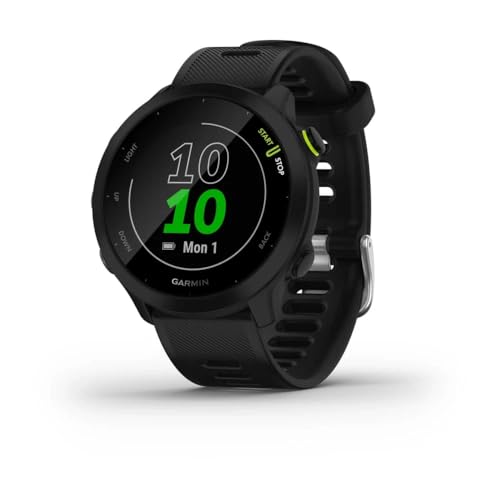
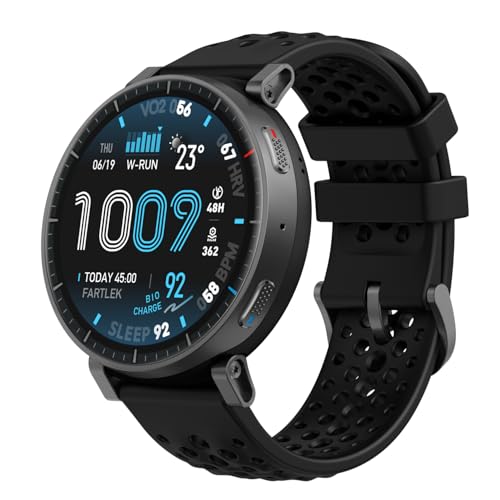
Running watches promise pace, distance, and heart rate at a glance, but affordable models vary in GPS accuracy, screen clarity, and battery life. A clear best affordable running watches guide helps runners focus on the data that improves training, rather than a maze of metrics. The comparison table below gives a quick overview.
Whether you run for fitness, train for a race, or simply enjoy morning jogs, the right watch should be light, readable in motion, and easy to start. This guide explains GPS, heart rate, training features, and comfort in plain language, so you can choose a watch that supports your running rather than distracting from it.




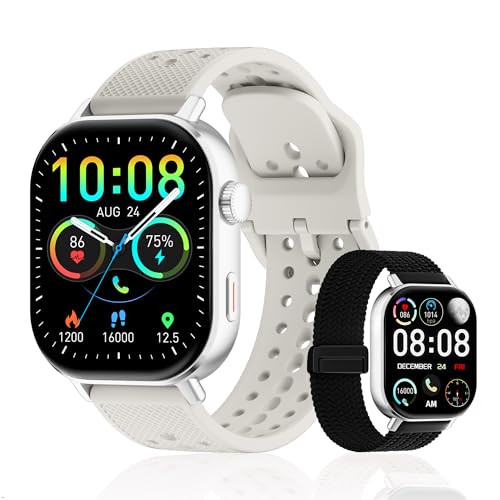
GPS Accuracy and Pace You Can Trust
GPS accuracy decides whether pace and distance feel trustworthy, especially on routes with turns, tree cover, or tall buildings. Affordable watches vary in how quickly they lock onto satellites and how smoothly they track pace changes, so check real world feedback for your typical routes. A watch that jumps wildly in pace is hard to train with, even if its total distance looks roughly correct.
Pace display matters as much as raw accuracy, since runners need current pace, average pace, and lap pace without hunting through menus mid run. Customisable data screens help, and a clear lap button lets you mark intervals and kilometres reliably. If you train by heart rate, check whether the watch pairs with a chest strap, since chest straps often track rapid changes more accurately than wrist sensors.
Heart Rate, Training Load, and Recovery
Wrist heart rate tracking helps most runners monitor effort during steady runs and long slow distance sessions, though it may lag during sprints and intervals. Use heart rate trends over weeks to judge fitness and fatigue, rather than reacting to a single high or low reading. If you feel chest pain, dizziness, or unusual breathlessness during exercise, stop and seek medical advice promptly, regardless of what any watch shows.
Training load and recovery scores can guide how hard to train, but they are estimates based on algorithms, not medical measurements. Use them as one input alongside sleep, soreness, and motivation, and take extra rest when your body signals fatigue even if the watch suggests you are ready. A watch should support sensible training, not push you through illness, injury, or exhaustion.
Battery Life for Training Weeks
Battery life should cover your weekly training plus daily wear without constant charging anxiety, since a dead watch on a long run day is useless. GPS workouts drain batteries much faster than daily wear, so compare battery claims in GPS mode, not just in smartwatch mode. A watch that lasts a week in daily use may last only a few hours with GPS active, which matters for marathon training.
Charging convenience matters too, since a proprietary cable left at home can ruin a race weekend, while a common cable or fast top up can save it. Pack the charger for trips, charge after long runs as a habit, and check whether the watch warns you in time before a planned workout. A reliable charging routine is part of owning a running watch, not an afterthought.
Comfort, Display, and Buttons in Motion
Comfort decides whether a watch stays on through long runs, rain, and sweat, so weight, strap material, and case size matter greatly. A light watch with a breathable strap feels better after an hour than a heavy metal case that slides and chafes. Check strap adjustment, since a strap that is either too loose for heart rate or too tight for comfort will frustrate you on every run.
Display readability in sunlight and rain is essential, since a beautiful screen that washes out outdoors fails at its main job. Physical buttons often beat touchscreens during runs, because sweaty fingers and gloves make touch controls unreliable. Test button feel with wet hands if possible, and choose a display layout that shows pace and distance large enough to read at a glance.
Budget Tiers and Race Day Value
At lower prices, prioritise GPS reliability, readable pace, and comfortable wear over maps, music, and advanced training scores. Mid range affordable models often add longer GPS battery, better screens, and multisport modes, which suit runners who also cycle or swim. Higher affordable prices may add onboard maps or music storage, but only pay for those if your runs truly need them.
Think about race day needs as well, including whether the watch survives a marathon on one charge, whether it pairs with a chest strap, and whether you can read it while tired. A simple reliable watch that performs on race day beats a feature rich watch that dies at kilometre thirty. Choose for your longest run, not for your average run, and the watch will serve you when it matters most.
Related guides include best looking affordable watches, best looking running watches, best garmin running watches, and best affordable wrist watches.
A Final Check Before You Buy
Before you order, wear the watch on a test run covering your usual terrain, including turns, tree cover, and any tall buildings that challenge satellite reception. Notice whether pace stays steady or jumps erratically, whether the display stays readable in sunlight and rain, and whether buttons work reliably with sweaty hands. A shop try on cannot reveal GPS behaviour or button feel in motion, so a real run trial during the return window is the most valuable test you can perform before committing to a training partner.
Check battery performance on your longest planned run, not just on a short jog, since GPS drain, screen use, and cold weather all reduce runtime compared with daily wear claims. Charge fully before the trial, run your longest route, and note remaining battery at the finish, then judge whether the margin feels safe for race day. Also test charging convenience, including cable type and whether a quick top up before a run is practical when you have forgotten to charge overnight.
Finally, judge training data by whether it changes a decision, such as resting an extra day, slowing a long run, or adding a recovery week, rather than by how impressive the charts look. A watch that encourages sensible training and consistent running is worth more than one with advanced scores you never act on. If pain, chest discomfort, dizziness, or unusual breathlessness appears, stop and seek medical advice promptly, since no watch score overrides what your body tells you.
Frequently Asked Questions
Do I need a running watch if I already carry a phone?
A phone can track runs, but a watch offers pace and heart rate at a glance without holding a device or checking a bouncing phone screen. It also frees you from carrying a phone on short runs and survives rain and sweat better. If you always run with a phone and only need basic distance, a phone app may suffice.
Is wrist heart rate accurate enough for training?
Wrist heart rate is generally useful for steady runs and effort trends, though it may lag during intervals and sprints. For precise interval training, a chest strap paired with the watch usually tracks changes faster. Use wrist data for patterns over weeks, and seek medical advice for chest pain, dizziness, or unusual symptoms regardless of readings.
How much GPS battery do I need?
You need enough GPS battery for your longest run plus a safety margin, since cold, poor satellite conditions, and screen use drain batteries faster. Marathon trainees should favour watches with long GPS mode claims and a proven track record. For short runs, even modest GPS battery suffices, but always charge before a long run.
Are buttons better than touchscreens for running?
Physical buttons are usually better during runs, since sweat, rain, and gloves make touchscreens unreliable. Buttons let you start, lap, and pause without looking closely, which keeps focus on the road. Touchscreens can work for daily use, but runners often prefer at least a start and lap button for workouts.
Should beginners buy a simple or advanced running watch?
Beginners usually benefit from a simple watch with reliable GPS, clear pace, and comfortable wear, since complexity can distract from building a running habit. Advanced training scores become useful later, once you understand your own pace and effort. Start simple, run consistently, and upgrade when a specific training need appears.
Final Thoughts
A running watch should fade into the background while giving you pace, distance, and effort data you trust. Test it on a real run. The product table above can help you compare GPS and battery, but your longest run and your comfort should decide the choice. Choose the watch that keeps you running consistently, and fitness will follow.
Compare best affordable running watches on GPS reliability, battery in GPS mode, display readability, and comfort, and pick the watch that supports your training week. A reliable, comfortable watch is a training partner, not just a gadget.