Best Affordable Fitness Watches 2026: A Daily Activity Guide
Disclosure: We may earn a commission when you buy through links on this page, at no extra cost to you. As an Amazon Associate I earn from qualifying purchases. Learn more
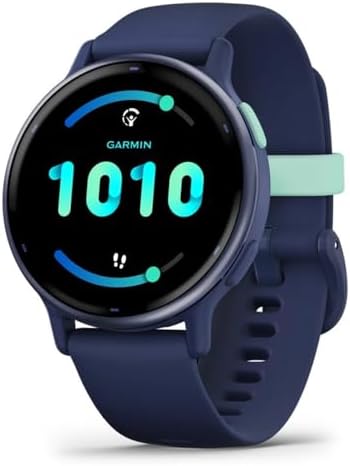
Tracking accuracy, battery life, and comfort: a plain guide to choosing the best affordable fitness watches for your budget.
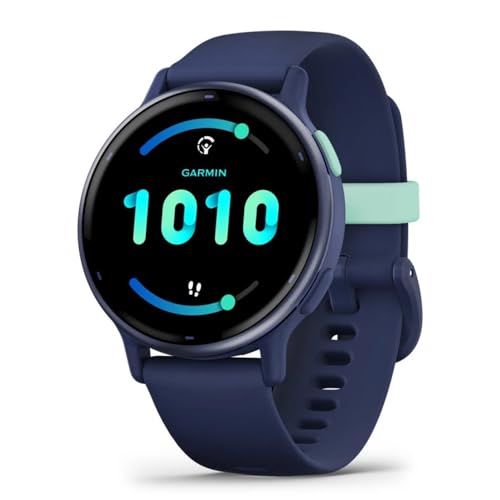
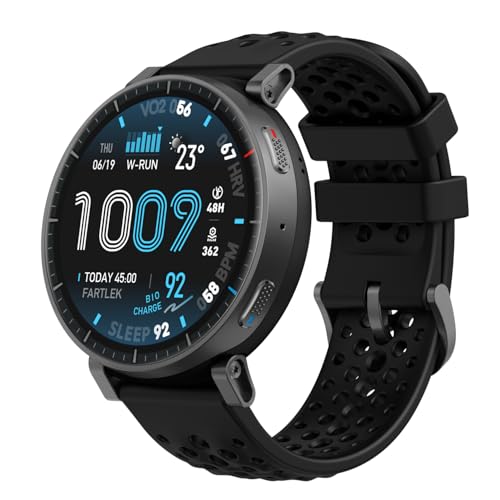
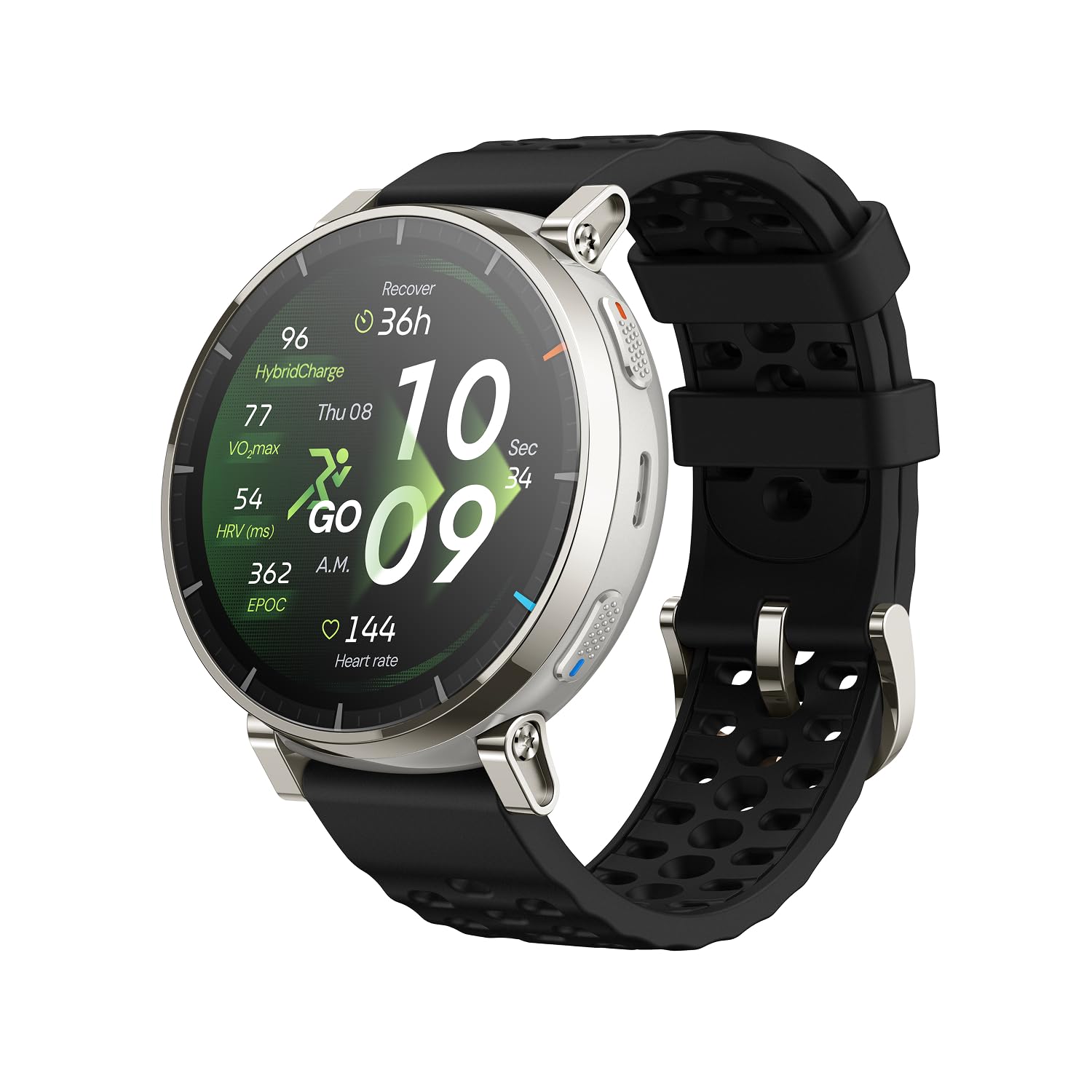
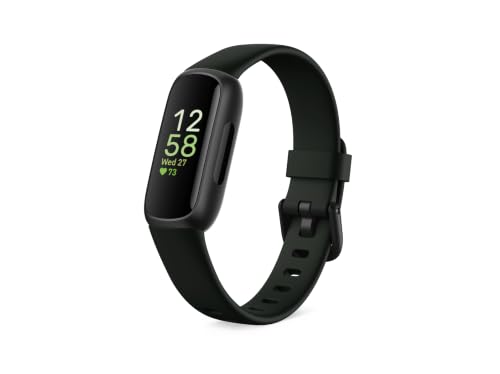
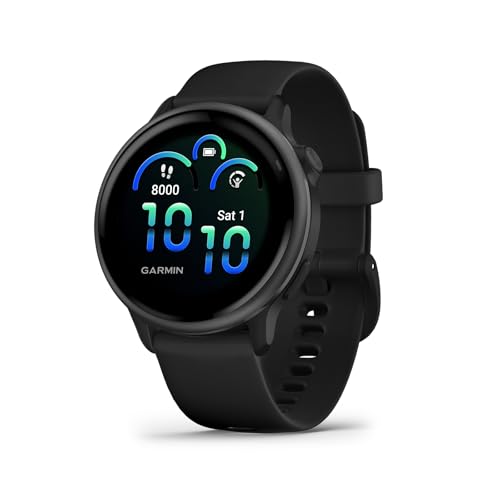
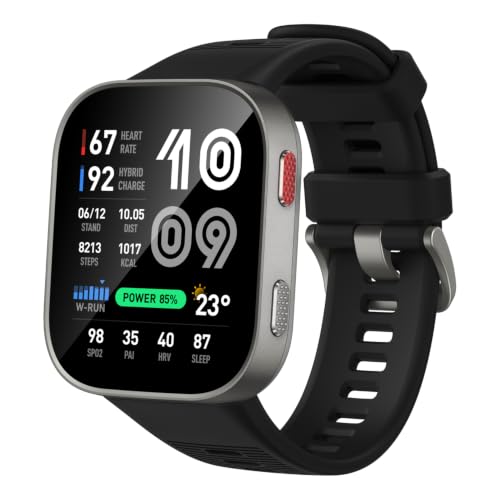
A fitness watch can motivate daily movement, track workouts, and reveal sleep patterns, but affordable models differ in accuracy, battery life, and comfort. A clear best affordable fitness watches guide helps you focus on the features you will actually use, rather than a long list of sensors you ignore. The comparison table below gives a quick overview.
Start with your activity, since a walker, a runner, a gym goer, and a swimmer each need different strengths from a watch. Battery life, screen readability, strap comfort, and app simplicity often matter more than exotic metrics, and this guide explains each factor in plain language so you can choose well.


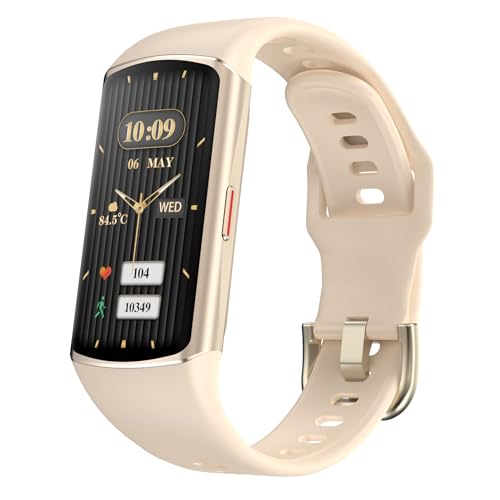

Tracking Basics: Steps, Heart Rate, and Sleep
Step counting motivates daily movement, but accuracy varies with wrist movement, walking style, and watch placement, so treat steps as a trend rather than an exact count. Heart rate tracking during steady exercise is generally useful, while very fast interval changes may lag behind a chest strap. Use watch data to spot patterns over weeks, not to judge a single workout in isolation.
Sleep tracking can reveal bedtime consistency and rest duration, though it cannot diagnose sleep disorders or replace medical advice. If you notice persistent poor sleep, loud snoring with breathing pauses, or daytime sleepiness, discuss it with a clinician rather than relying on watch scores. For most users, a simple sleep trend and a consistent bedtime routine matter more than detailed sleep stage charts.
GPS, Workouts, and Sport Modes
Built in GPS tracks outdoor runs, walks, and rides without a phone, which suits runners and cyclists who prefer to travel light. Phone connected GPS saves battery and cost but requires carrying your phone, which may be fine for walkers and casual exercisers. Check GPS accuracy in your usual environment, since tall buildings and tree cover can affect tracks, especially on budget models.
Sport modes should cover your main activities with clear screens for pace, distance, heart rate, and time, without burying key numbers in menus. Customisable screens help, since a runner and a strength trainer need different data at a glance. If you swim, check water resistance and swim mode specifically, since a watch that handles rain may not suit regular pool use.
Battery Life, Display, and Comfort
Battery life shapes daily habit, because a watch that needs charging every day is easy to forget and may miss sleep tracking overnight. Longer battery models often use simpler displays, while bright color screens look vivid but drain faster. Choose a balance that fits your charging routine, and check whether fast charging can top up the battery during a shower or breakfast.
Comfort decides whether you wear the watch all day and night, so strap material, case weight, and size matter greatly. A light watch with a soft strap suits sleep and long workouts, while a heavy metal case may irritate during exercise. Try the watch on, check strap adjustment range, and consider a spare strap for sport and sleep if the standard strap feels stiff.
Apps, Notifications, and Data Ownership
The companion app matters as much as the watch, since it displays trends, sets goals, and syncs with other health apps you may use. A clear, fast app encourages regular checking, while a cluttered app quickly becomes ignored. Check whether data exports easily, whether goals are customisable, and whether the app requires a paid subscription for basic history and trends.
Notifications can motivate or distract, so choose a watch that lets you control alerts by app and by time of day. Do not disturb modes for sleep and workouts help the watch support your routine rather than interrupt it. Also check privacy settings, since fitness data is personal, and choose sharing options that you understand and control.
Budget Tiers and Choosing for Your Routine
At lower prices, prioritize accurate basic tracking, comfortable wear, and battery life over advanced metrics you may never open. Mid range affordable models often add GPS, better displays, and swim tracking, which suit runners and multisport users. Higher affordable prices may add maps, music storage, or advanced training scores, but only buy those if your routine truly uses them.
Match the watch to your week, not to an ideal week, since a walker who buys a triathlon watch pays for features that stay unused. List your three most common activities, then compare only watches that handle those well. A simple watch worn every day gives better data and motivation than an advanced watch left in a drawer because it feels bulky or complex.
Related guides include best affordable fitness tracker watches, best looking affordable watches, best looking fitness watches, best affordable wrist watches, and best women fitness watches.
A Final Check Before You Buy
Before you order, list the three activities you actually do each week, then check that the watch tracks those activities well, displays the numbers you care about at a glance, and lasts through your longest workout plus sleep tracking overnight. A watch bought for an ideal routine full of triathlons and mountain runs will disappoint if your real week is walking, gym sessions, and occasional swims, because unused features add cost and complexity without benefit. Honest activity matching is the single best predictor of whether a fitness watch stays on your wrist.
Test the companion app before you commit if possible, since the app is where trends, goals, and history live, and a confusing app quickly kills motivation. Check whether basic history is free, whether data exports to other apps you use, and whether notifications can be controlled by time of day and by app. A watch that buzzes through sleep and meetings will be abandoned, while a watch with sensible quiet hours supports rest and focus as well as activity.
Finally, wear the watch for a full trial week covering work, exercise, and sleep, and judge comfort, battery, and charging habit together. Notice whether the strap irritates during workouts, whether charging fits naturally into your routine, and whether the data actually changes any decision, such as walking more or going to bed earlier. If the watch earns its place in that trial week, it will likely serve you for years; if it annoys you daily, exchange it early rather than hoping you will adapt.
Frequently Asked Questions
How accurate are affordable fitness watches?
They are generally useful for trends in steps, heart rate, and sleep, though exact numbers vary by activity and wrist placement. Steady exercise heart rate is often fairly reliable, while rapid interval changes may lag. Use the data to spot patterns over weeks, and do not treat a single reading as a medical measurement.
Do I need built in GPS?
You need built in GPS if you run, walk, or ride outdoors without carrying a phone and want accurate route and pace data. If you always carry a phone, phone connected GPS can save money and battery. Walkers and gym users often do fine without built in GPS, while runners usually benefit from it.
Can a fitness watch help me sleep better?
It can help by showing bedtime consistency and sleep duration trends, which support a regular routine. It cannot diagnose sleep disorders, and detailed sleep stage scores should be treated as estimates. If poor sleep, snoring with breathing pauses, or daytime sleepiness persist, seek clinician advice rather than relying on watch data alone.
How long should the battery last?
Battery needs depend on display type, GPS use, and notification load, so compare real world claims for your usage pattern. A watch that lasts a week on basic use may last only a day or two with daily GPS workouts. Choose a battery life that survives your week with a comfortable margin, including sleep tracking overnight.
Should I pay for a fitness app subscription?
Pay only if the subscription adds features you will actually use, such as advanced training plans or long term trend analysis beyond basic history. Many watches offer steps, heart rate, sleep, and workout history without a subscription. Check what is free before buying, since a watch that locks basic data behind a paywall costs more over time.
Final Thoughts: Best Affordable Fitness Watches
An affordable fitness watch should encourage movement, fit comfortably all day, and present data clearly without overwhelming you. The product table above can help you compare tracking and battery, but your daily routine should decide which features matter. Choose the watch you will actually wear, and it will reward you with useful trends.
Compare best affordable fitness watches on tracking basics, GPS needs, battery life, and app clarity, and pick the model that supports your real week. Wear it daily, review trends weekly, and let small consistent improvements build into lasting healthy habits over months and years. A simple, comfortable watch worn daily beats an advanced watch abandoned after a month. Choose comfort and clarity first, and the data will follow naturally from daily wear. Small steps each day matter more than occasional intense efforts.