Best Affordable Printers for Students for 2026: Matching the Right Model to Your Routine
Disclosure: We may earn a commission when you buy through links on this page, at no extra cost to you. As an Amazon Associate I earn from qualifying purchases. Learn more
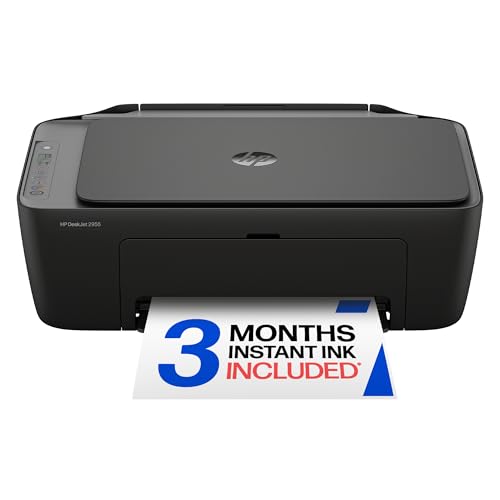
Match the best affordable printers for students to your budget with a simple guide to cost per page, printer types, dorm friendly size, and ink costs.
There is no single perfect printer for every student, because a dorm resident printing essays lives a different life from a design student printing color proofs. The best affordable printers for students are the ones that match your weekly routine, your space, and your ink budget. This guide sorts buyers by routine first, then explains the features that matter for each one.
Glance at the comparison table below to see the price and size range you are working with. Then read the routine sections and be honest about which one sounds like you. Choosing by routine, rather than by the lowest sticker price, is how students avoid buying twice.
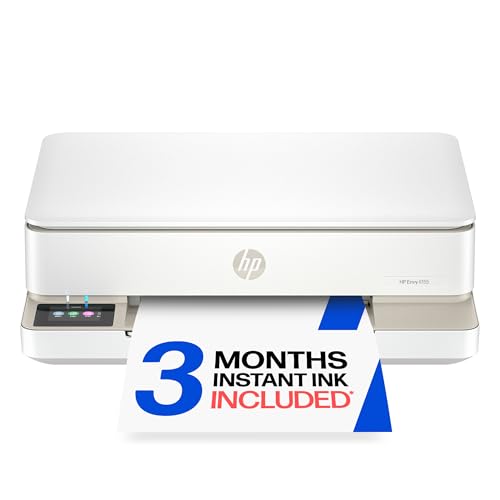
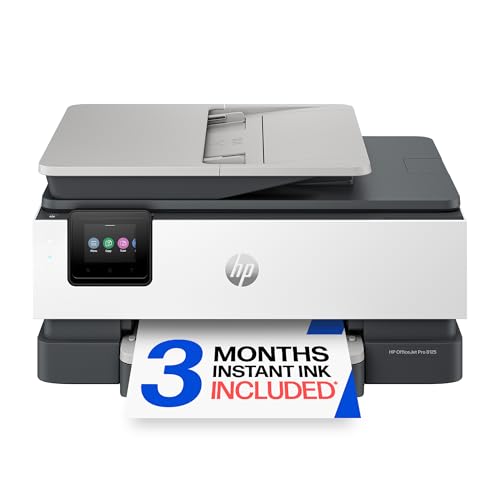
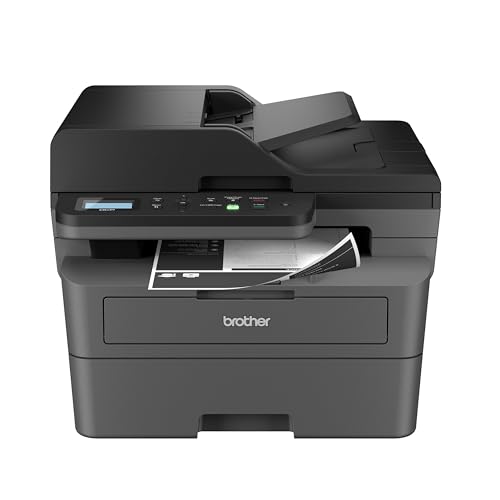


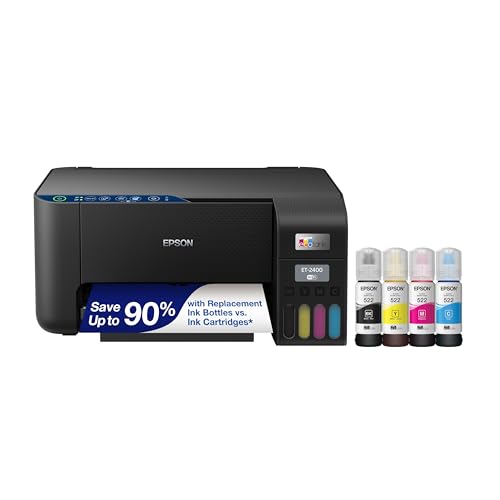
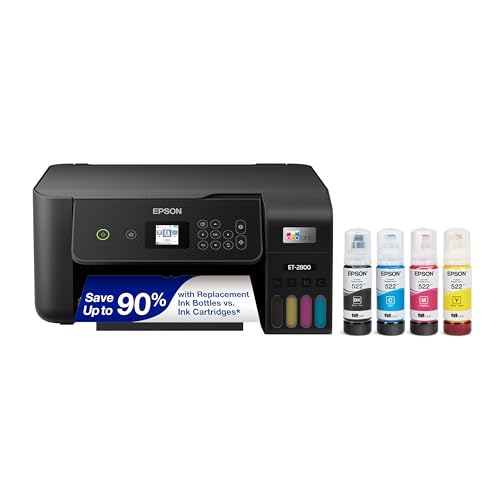
Who Should Buy Which Printers?
For Students and Everyday Users
If you print essays, lecture slides, and the odd form, you need reliability more than speed or color flair. A basic inkjet or compact laser that connects easily to your laptop and phone will cover nearly everything. Prioritize a model with affordable cartridges, a simple paper tray, and a manufacturer app that makes scanning to PDF painless. Stability matters: a printer that wakes up and prints without drama during finals week is worth more than extra features you never open.
For Remote Workers and Creators
Students who also freelance, run a small shop, or study design and photography need stronger color and better paper handling. Look for borderless photo printing, a rear feed for thicker stock, and scanning with an automatic document feeder if you digitize paperwork often. Creators sharing a flat with roommates should also value quiet operation and individual ink tanks, so one empty color does not block a whole deadline. Our guide to the best printers for students looks deeper at these heavier use cases.
For Travelers and Commuters
If you move between home, campus, and part time work, size and weight decide everything. Compact printers that fit a shelf or a wide backpack pocket exist, but they trade tray capacity and speed for portability. A more practical answer for many commuters is a small, light desktop model that stays in one place and accepts jobs from your phone anywhere. Whatever you choose, check the packed dimensions and weight before ordering, and favor a sturdy build that tolerates being moved each term.
Key Features to Compare
Features only matter when they map to something you actually print. A nursing student printing care plans needs crisp text and reliable scanning, while an architecture student needs accurate color and larger paper support. As you read each feature below, picture your busiest printing week of the term. If a feature would not change anything that week, it should not change what you pay either.
What You Can Realistically Get on a Budget
Around $80 to $200 covers most student friendly printers, and at that level WiFi, mobile printing, and basic scanning are standard. What gets cut is usually speed, tray size, and cheap feeling plastic on the output support. Do not cut corners on ink costs or warranty length to save a small amount upfront. A slightly pricier model with high yield cartridges will usually cost less across a three or four year degree than the cheapest box on the shelf.
Footprint and Noise
Dorm desks are small, so measure yours and compare it with the printer footprint, including space for the paper tray to open. Some models need surprising clearance above them for the scanner lid. Noise matters too when a roommate sleeps a few feet away. Inkjet models are generally quiet, while budget lasers add fan noise after each job. If your desk also holds your study computer, our guide to the best affordable laptops for students can help you plan a compact setup that fits both machines.
What Students Should Look For
Students should look for low running costs, simple controls, and printing from a phone without a computer in between. AirPrint and similar phone printing standards save real time when a class portal only gives you a PDF on your phone. Duplex printing, meaning automatic two sided output, halves paper use on long readings. Also check whether your school charges for library printing; if it does, even moderate home printing can pay for the printer within a year or two.
Ease of Setup and Calibration
Setup should take minutes, not an afternoon. Modern printers guide you through an app, connect to WiFi, and print a test page with little input. Avoid models known for fussy cartridge recognition or complicated driver installs, especially if you use a Chromebook, since many campus laptops rely on built in printing support. The same logic applies to hobby machines: on a three dimensional printer, auto bed leveling removes the hardest calibration step, which is why beginners value it so much.
Printer Type (Inkjet, Laser, Tank, 3D FDM/Resin)
Inkjet suits mixed work: essays one day, color charts and photos the next. Laser suits heavy text loads, prints fast, and never clogs during a quiet month. Tank printers are inkjets with refillable reservoirs, ideal if you print readings every week and hate cartridge shopping. Three dimensional printers are a separate hobby or engineering tool that builds objects from PLA filament or resin, not a way to print essays. For a broader view of the budget market before you decide, see our guide to the best affordable printers.
Common Mistakes to Avoid When Buying Printers
- Looking only at the sticker price. Ink costs over a degree can pass the purchase price several times over, so compare cost per page first.
- Ignoring what you can realistically get on a budget. Expecting fast, quiet, photo quality printing for under $100 leads to disappointment and returns.
- Buying too big or too small. An oversized machine eats a dorm desk, while a tiny one with a 30 sheet tray makes big assignments painful.
- Skipping the warranty check. Confirm the warranty length and whether your school city has a service option before you buy.
- Forgetting your computer. Check Chromebook, Mac, or Windows compatibility in writing, not by assumption.
How to Make Your Printer Last Longer
Print a page weekly to prevent clogs, especially with inkjet models that sit idle over breaks. Use genuine or reputable ink, because bargain refills can leak or clog nozzles right before a deadline. Keep paper stored flat and dry, since damp paper is the hidden cause of many jams. If you own a small three dimensional printer as well, keep its bed clean with IPA between prints. Finally, unplug your printer during long holidays and run one cleaning cycle when you return, rather than printing a full assignment through a clogged head.
Printers: Your Questions Answered
What makes printers for students different?
Low running cost, small size, and easy phone printing make a printer student friendly. Students print in bursts around deadlines, share tight spaces, and rarely have spare cash for ink. A good student model forgives idle weeks, connects to any laptop a classmate brings, and keeps cost per page low enough that printing readings at home beats paying per page at the library.
What does cost per page mean?
Cost per page is what the ink or toner for one page costs, calculated by dividing a cartridge price by its stated page yield. A cartridge costing around $25 with a 300 page yield works out to roughly 8 cents per page before paper. Color pages cost more than text pages. Comparing this number matters more than comparing printer prices, and our guide to the best printers with affordable ink shows how wide the gap can be.
Inkjet or laser: which is cheaper long term?
Laser is usually cheaper long term for text heavy courses. Toner yields thousands of pages, never dries out, and suits students who print readings and essays in volume. Inkjet is cheaper to buy and better for color, and a tank inkjet can rival laser running costs. Count your color printing honestly: a few charts a term favors laser, while weekly design work favors inkjet.
Are ink tank printers worth it?
Yes for students who print every week. Tank models cost more at purchase, often around $180 to $280, but the included ink can last a year or more of coursework. Students who print only a few pages a month may graduate before the savings catch up. One more plus: fewer cartridge swaps means fewer chances to run dry the night before a deadline.
Which 3D printer is easiest for beginners?
A filament printer with auto bed leveling is the easiest entry point for coursework and hobbies. It removes manual calibration, uses inexpensive PLA, and needs no chemical post processing. Resin machines give sharper detail for miniatures and prototypes but add washing and curing steps plus ventilation needs. Most beginners should start with filament and treat resin as a later upgrade. If that path appeals to you, compare starter options in our guide to the best affordable 3d printers.
The Bottom Line
Match the printer to your routine, keep cost per page low, and respect your desk space. Do that and the best affordable printers for students become an easy, one time purchase instead of a yearly regret. Check your routine against the product table above, confirm phone and laptop compatibility, and choose the model you will still be happy feeding with ink in your final year.