
Best Affordable PC Gaming Laptops: Matching the Right Model to Your Routine for 2026
Disclosure: We may earn a commission when you buy through links on this page, at no extra cost to you. As an Amazon Associate I earn from qualifying purchases. Learn more

Learn how to choose the best affordable pc gaming laptops with clear guidance on processors, displays, RAM, battery life, and value for your daily routine.
There is no single laptop that suits every player, student, and worker at once. A machine that feels fast in a dorm room may feel heavy on a train, and a screen that looks great for games may drain the battery before lunch. This guide helps you sort best affordable pc gaming laptops by the way you actually live and play.
Start with your routine, then match the processor, graphics, display, and battery to it. The comparison table below gives you a quick way to compare the basics once you know which features matter most for you.

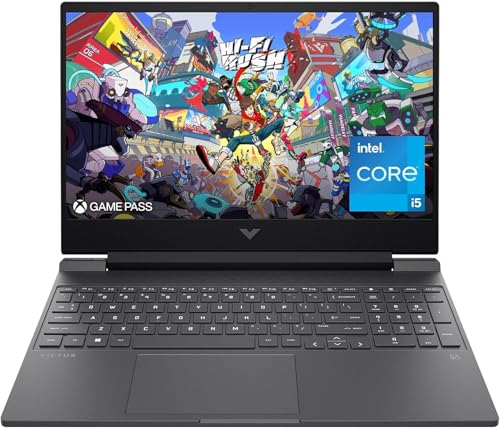


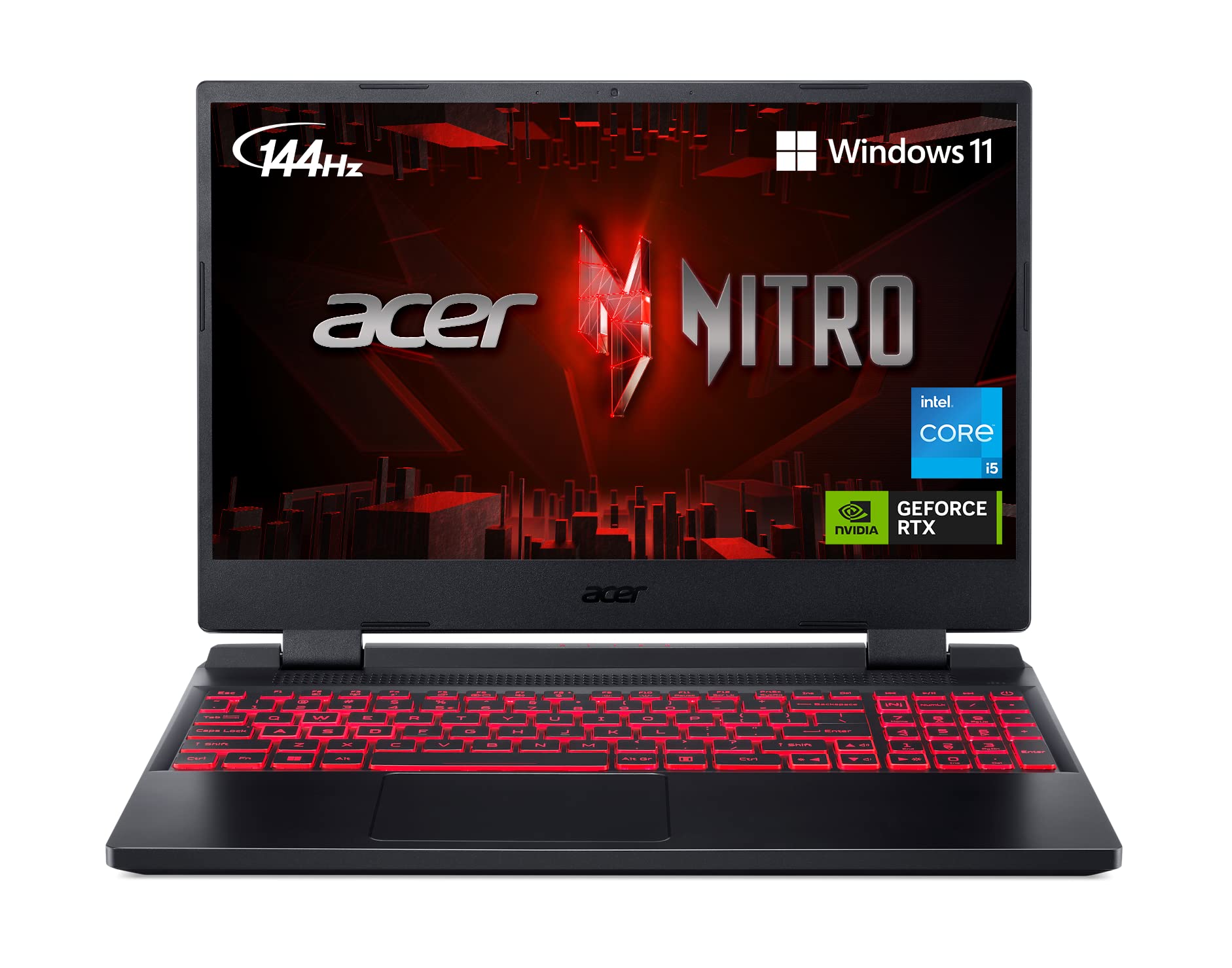


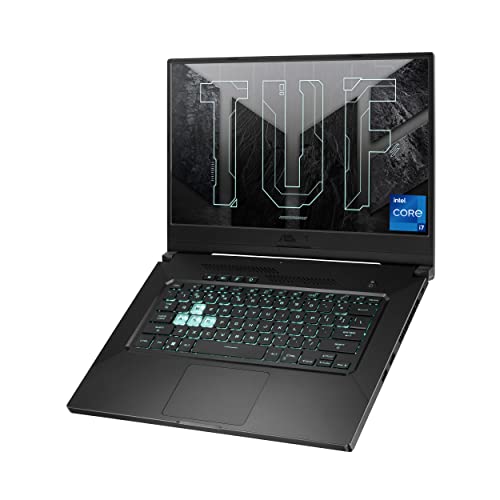

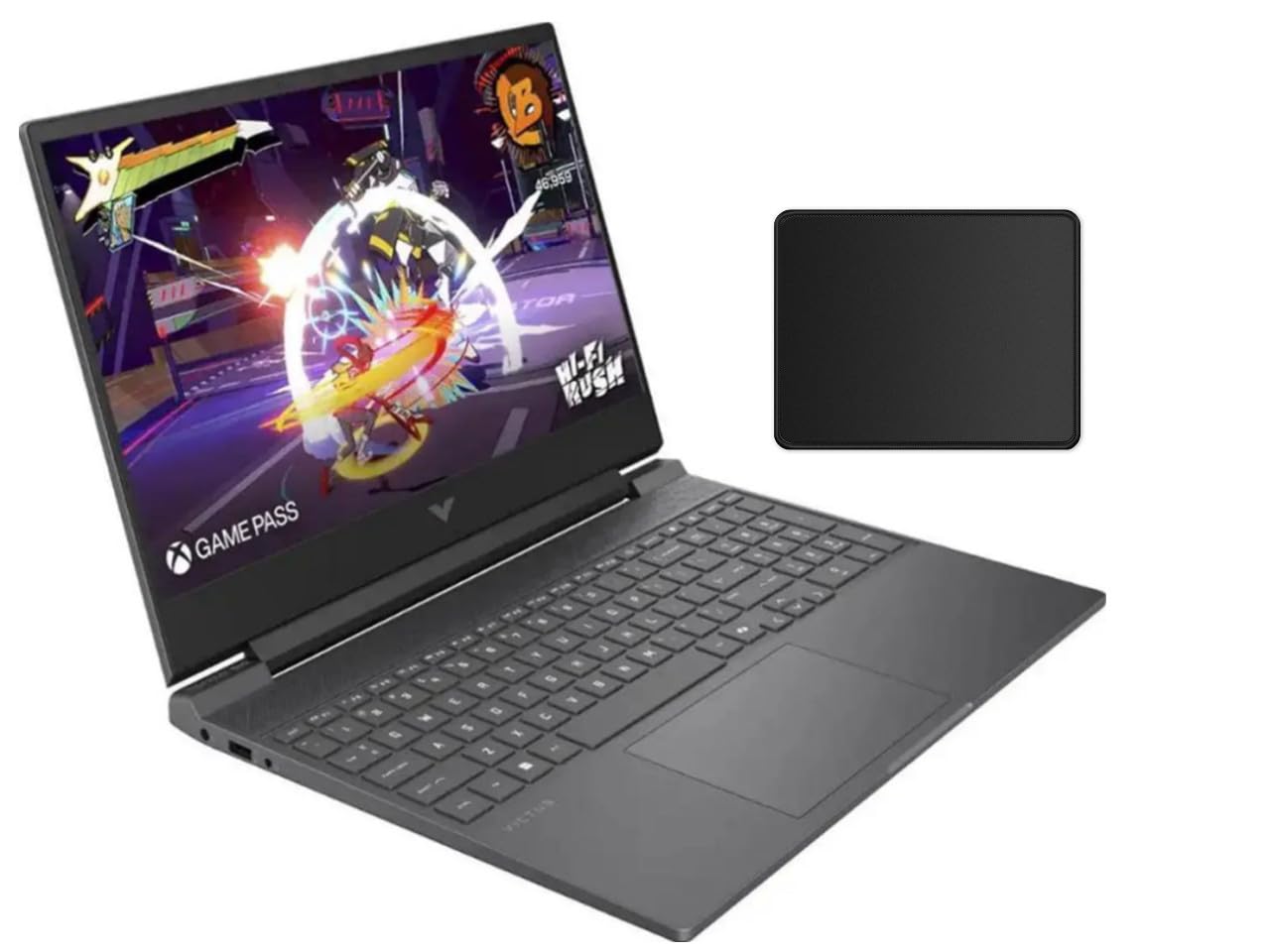
Who Should Buy Which PC Gaming Laptops?
Your daily pattern should drive the choice more than any single specification. Two laptops at a similar price can feel very different in use, because one may favor screen speed while the other favors battery life, weight, or a quieter keyboard for long work sessions.
For Students and Everyday Users
You need a laptop that starts quickly, handles classes and browsing without fuss, and still plays popular games at sensible settings. Look for a modern processor, at least 16 GB of RAM if your budget allows, and a solid state drive that keeps loading times short. Battery life matters more than peak frame rates here, because you may spend hours away from an outlet. A clear 1080p display, a comfortable keyboard, and a weight you can carry across campus will serve you better than chasing the fastest graphics chip in this price range.
For Gamers and Power Users
You should put graphics power and cooling at the top of your list. A dedicated graphics processor lets you raise settings and hold smoother frame rates, while a display with a refresh rate of 120 Hz or higher makes fast movement look cleaner. Check that the laptop has vents that are not blocked by the hinge and fans that can run without constant loud bursts. Storage fills quickly with large game installs, so 512 GB is a sensible floor. If you play with friends online, also value a stable WiFi connection and enough ports for a headset, mouse, and external drive.
For Travelers and Commuters
Weight and size shape your experience every single day. A 14 inch or slim 15 inch model is easier to carry, slide into a bag, and use in a tight seat than a bulky 16 inch machine. Aim for a strong case, a battery that lasts a full workday on light tasks, and charging through USB C when possible, because one small charger can then serve your laptop and phone. Brightness matters outdoors and in bright stations, so look for a screen that stays readable under strong light. Durability and a good warranty matter more when the laptop travels daily.
For Remote Workers and Creators
You need a balance of game performance and work comfort. A color accurate display helps with photo and video tasks, while a clear webcam and microphone make calls sound professional. More RAM helps when you edit video, keep many browser tabs open, or run design software beside a game launcher. Quiet fans are a real plus during calls. If you want broader context on laptop first choices, see our guide to the best affordable pc laptops and note which work features you would miss if you chose a pure gaming design instead.
Key Features to Compare
Specifications only help when you connect them to a real task. Read each feature below with one question in mind: will this change how my games, classes, or work feel each week?
Operating System
Windows is the natural choice for PC gaming, because most game stores, launchers, and accessories are built for it first. ChromeOS can suit light school work but limits many desktop games, and macOS supports a smaller game library even though the hardware can be fast. Think about the software you already own, the apps your school or employer requires, and whether your games rely on specific launchers or mods. Choosing the right system at the start avoids the frustration of owning capable hardware that cannot run the programs you use most.
What You Can Realistically Get on a Budget
Around $600 to $900, expect a capable processor, integrated graphics or an entry level dedicated graphics chip, 8 GB to 16 GB of RAM, and a 1080p display. Around $900 to $1,200, you can often find stronger graphics, faster screens, and better cooling. What usually gets cut at lower prices is screen brightness, speaker quality, and case materials. Do not save money by accepting too little storage or a dim display, because you will notice those limits daily. Spend first on graphics, RAM, and the screen, since those shape gaming most.
Processor and Performance Tier
The processor handles game logic, school software, video calls, and background tasks. Recent mid range chips from major processor families are plenty for most players, especially when paired with a dedicated graphics chip that does the heavy visual work. More cores help with streaming, editing, and heavy multitasking, while single core speed still matters for many games. Avoid very old processor generations sold at a discount, because they may use more power and lack modern WiFi and USB C features. A balanced pairing matters, since a strong processor cannot fix weak graphics.
Battery Life in Real World Use
Gaming on battery will drain almost any laptop in one to two hours, so quoted battery figures usually reflect light work such as writing, browsing, and video playback. For classes or office days, look for models known for efficient low power modes and a battery size that supports six hours or more of light use. Fast charging through USB C is useful for short top ups between classes. A practical know how point is to cap frame rates and lower screen brightness on battery, which can add meaningful time without changing how a light game feels.
Display Size, Resolution, and Brightness
A 15 inch or 16 inch 1080p screen is the sweet spot for value, giving you room to play and work without pushing the graphics chip too hard. Higher resolution looks sharper but demands more graphics power and can lower frame rates. Refresh rate matters for fast games, with 120 Hz or 144 Hz feeling smoother than 60 Hz when the graphics can keep up. Brightness around 300 nits or more helps in bright rooms. If you compare options side by side, our guide to the best gaming laptops affordable explains how screen choices trade against price.
Common Mistakes to Avoid When Buying PC Gaming Laptops
- Choosing by price alone and ignoring graphics power, which decides how well games actually run.
- Forgetting to check the operating system and whether your games and school or work apps run on it.
- Buying a large, heavy model for daily travel, or a tiny model when you mostly play at a desk.
- Accepting 8 GB of RAM and a small drive to save a little money, then outgrowing both within a year.
- Skipping the warranty terms and return window, which matter if a fan, hinge, or key fails early.
One more useful check is port selection. Count the USB ports, confirm an HDMI output if you use a monitor, and make sure you will not need a bag full of adapters every day.
Setup and Care Tips
Keep the operating system and firmware updated, because updates often improve fan control, battery behavior, and security. Avoid running at 100 percent charge all the time if your laptop offers a charge limit for desk use, since holding a battery at full charge for months can age it faster. Use a padded sleeve when commuting, and keep vents clear by playing on a hard surface rather than a bed or sofa. A simple stand that lifts the rear of the laptop can improve airflow during long sessions. Clean the keyboard and vents gently with dry air on a regular schedule.
When you first set up the machine, remove trial software you do not need, set your game launchers to update on a schedule you control, and back up important files to cloud storage or an external drive. Readers who are still weighing laptop gaming against a desktop can read about the best gaming pc route and compare total cost, including a monitor and keyboard.
PC Gaming Laptops: Your Questions Answered
How long should a pc gaming laptop last?
A well chosen model should handle everyday work for four to five years and play games well for about three years before you need to lower settings. Longevity improves when you buy enough RAM and storage at the start, keep vents clean, and avoid constant heat. The battery will age sooner than the processor, so expect shorter unplugged time after a few years of daily charging.
Is a dedicated GPU worth it?
Yes, if you play modern 3D games regularly, a dedicated graphics processor is usually worth the extra cost. It raises frame rates, allows higher settings, and keeps games smooth at 1080p. If you mainly play light browser games, older titles, or strategy games with simple graphics, strong integrated graphics may be enough and can give you better battery life and a lower price in return.
How much RAM do I need?
Sixteen GB is the right target for most buyers because it lets games, voice chat, and a browser run together without slowdowns. Eight GB can work for light games and school tasks, but it leaves little headroom and may force you to close apps often. Thirty two GB only makes sense if you edit large video projects, run virtual machines, or stream while gaming. Also check whether RAM can be upgraded later.
Is a Chromebook enough for school?
A Chromebook can be enough for writing, research, and classroom web apps, but it is rarely enough for PC gaming. Many desktop games and some school programs for science, design, or coding need Windows. Cloud gaming can fill part of the gap, yet it depends on a fast and stable connection. If games matter to you beyond the browser, choose a Windows laptop and treat the Chromebook as a light secondary device only.
Should I buy a laptop or a tablet?
Buy a laptop if you type often, play PC games, or need full desktop software, because the keyboard, ports, and file system make work far easier. A tablet suits reading, drawing, and video, and it can pair with a keyboard for light notes. Tablets also limit many game stores and upgrade options. For a single main device on a budget, the laptop is almost always the safer and more flexible purchase.
Final Thoughts
Match the machine to your routine first, then compare graphics, RAM, and the display within your price range. Use the product table above to check how the options you are considering line up on those core points. When you narrow the field with your heaviest weekly task in mind, the best affordable pc gaming laptops become much easier to spot, and you can also explore our guide to the best laptops for pc gaming for a wider view before you decide.


