Best Affordable Outdoor Rugs: Every Type Explained Side by Side for 2026
Disclosure: We may earn a commission when you buy through links on this page, at no extra cost to you. As an Amazon Associate I earn from qualifying purchases. Learn more

Compare the best affordable outdoor rugs by material, size, and care needs with this clear buying guide to polypropylene, natural fiber, and more.
Outdoor rugs all promise easy style for a patio or deck, yet the materials behind them behave very differently in sun, rain, and heavy foot traffic. The best affordable outdoor rugs are not simply the cheapest ones with a pattern you like. They are the ones whose fiber, weave, and size fit your space and your climate.
This guide compares each main type side by side, with honest pros and cons and typical prices, so the trade offs are clear before you buy. Start with the comparison table below, then read the type that matches your space.
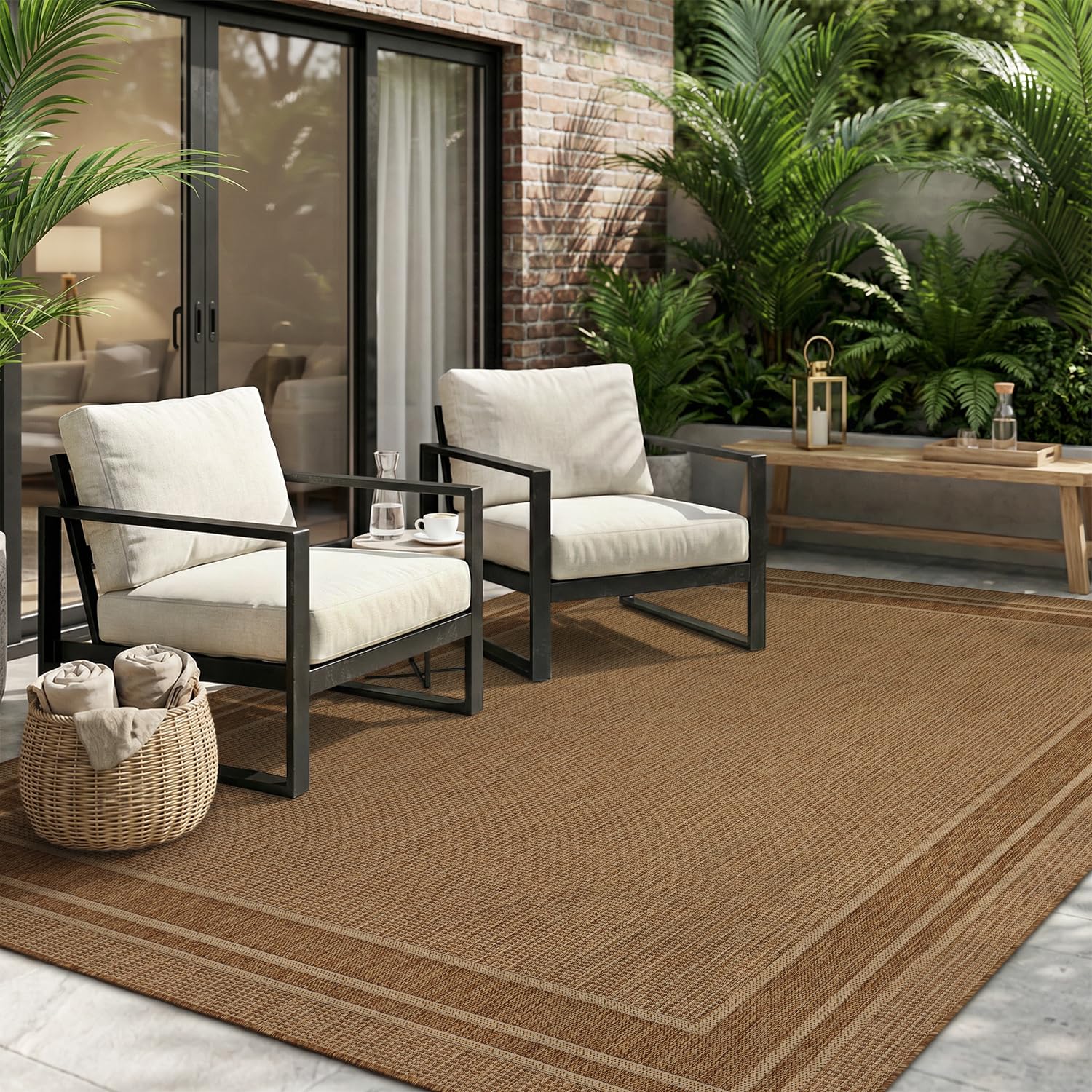
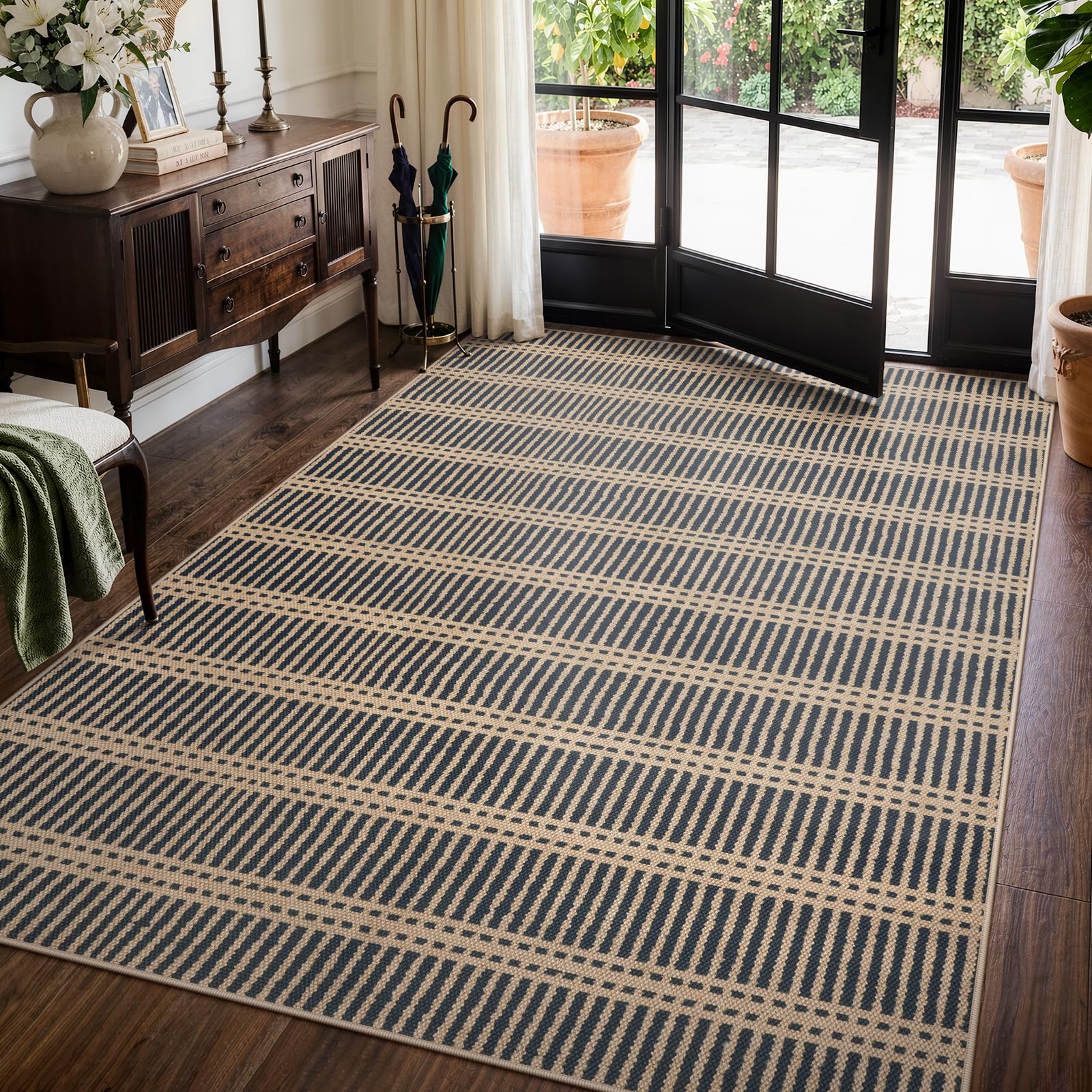
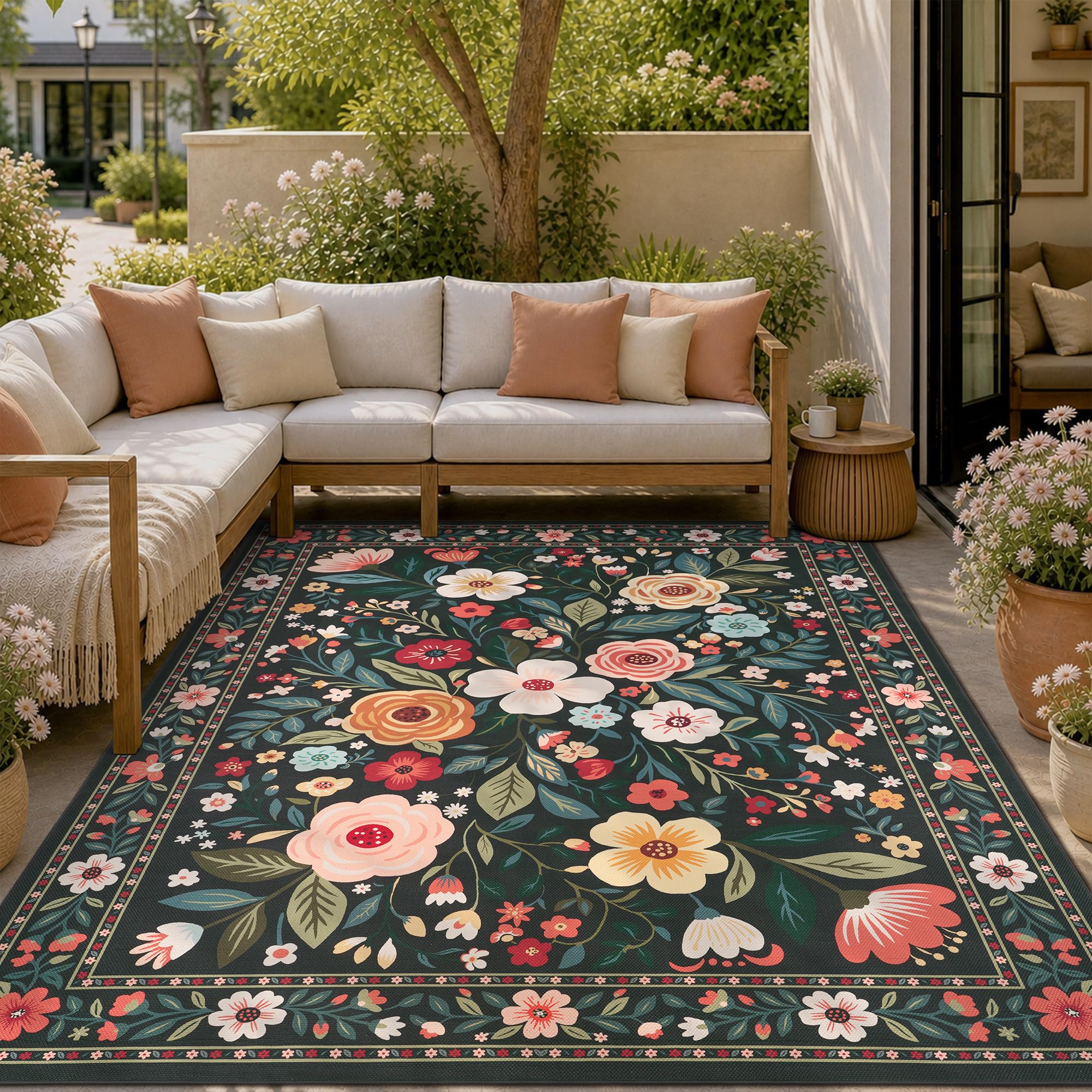
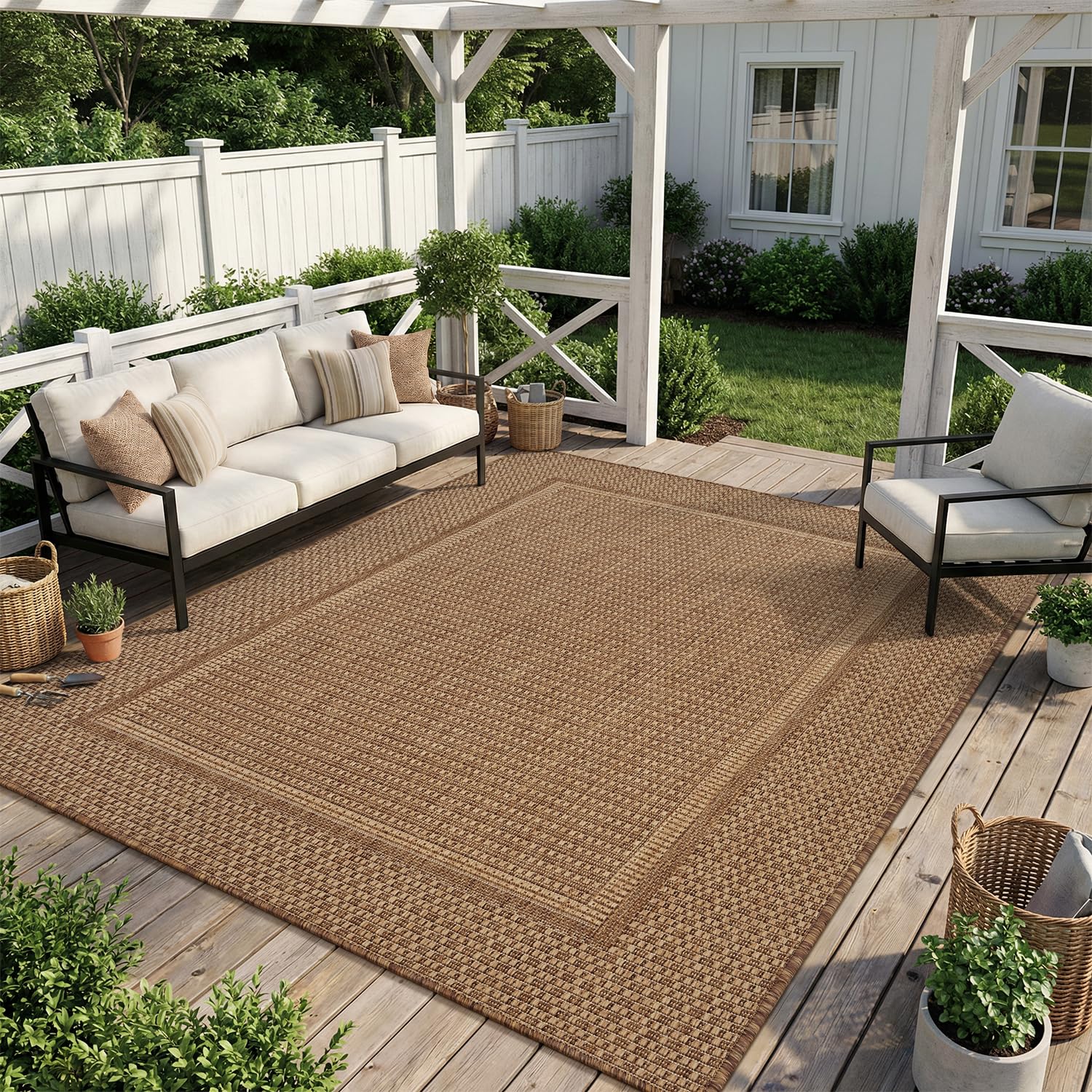
Types of Outdoor Rugs Compared
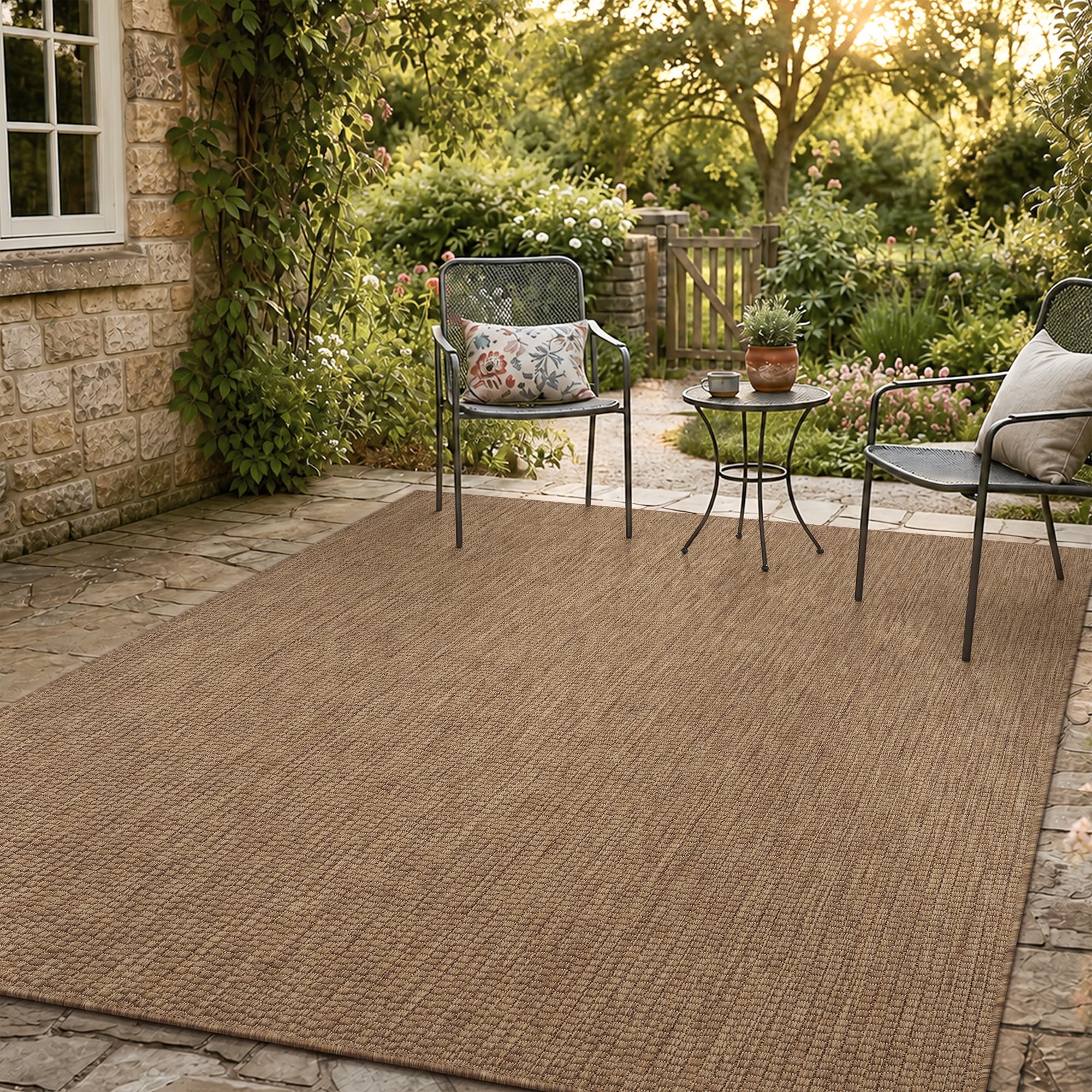
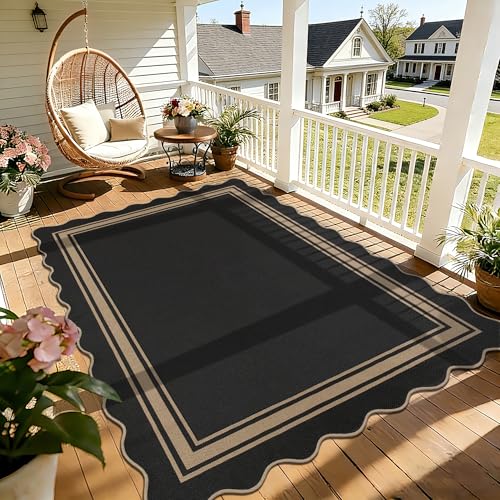
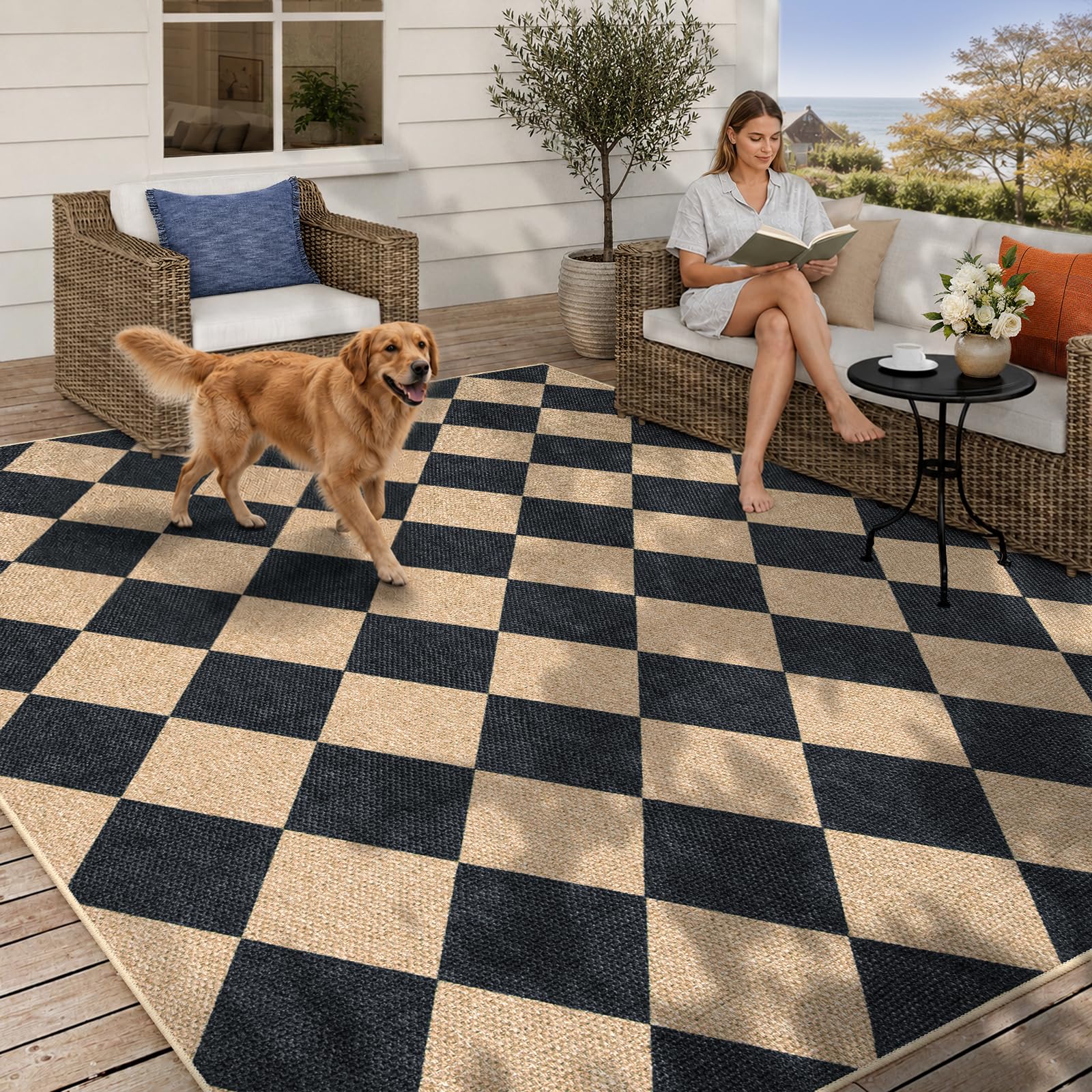
Four material families cover nearly every affordable outdoor rug you will see. Polypropylene leads on weather resistance and price. Polyester offers soft color and quick drying at a small premium. Natural fibers such as jute bring warm texture but dislike standing water. Woven plastic styles, often made from recycled material, shrug off almost anything and hose clean in minutes.
Price follows material and size more than pattern. A small polypropylene rug for a balcony may cost around $30 to $60, while a large natural fiber rug for a covered porch can pass $200. Knowing the families first keeps you from paying a premium price for a budget material.
Polypropylene Rugs
Polypropylene is a synthetic fiber that barely absorbs water, resists fading, and cleans with a hose and mild soap. It is woven or looped into flat, low pile rugs that dry quickly after rain, which makes it the default choice for uncovered decks and pool edges. Most affordable lines lean on this fiber for good reason.
The trade offs are feel and heat. Polypropylene can feel slightly slick or plasticky under bare feet compared with natural fibers, and dark colors get warm in strong sun. For open, weather exposed spaces, its durability and price, often around $40 to $120 for mid sizes, are hard to beat. Shoppers comparing fiber choices in depth can read our guide to the best material for outdoor rugs before deciding.
Polyester and Recycled PET Rugs
Polyester rugs, including versions spun from recycled bottles, take dye beautifully, so patterns stay rich and detailed. The fiber dries fast, resists staining well, and feels a touch softer than polypropylene. It suits covered patios and busy family decks where spills are common and bare feet are the norm.
Polyester costs a little more and can hold onto oily stains if they sit, so blot spills promptly. In full, harsh sun it may fade sooner than polypropylene over several seasons. For most covered or partly shaded spaces, though, its comfort and color range make it a strong value around $50 to $140.
Natural Fiber Rugs: Jute and Similar Weaves
Natural fiber rugs woven from jute or similar plant fibers bring a warm, textured look that synthetics imitate but rarely match. They feel firm and earthy, pair well with wood furniture, and suit covered porches, sunrooms, and three season spaces where rain rarely reaches them.
Water is their weakness. Natural fibers absorb moisture, can develop mildew if they stay damp, and break down faster under direct sun and rain. Treat them as fair weather rugs: beautiful and affordable, often around $60 to $180, but happiest under a roof with good airflow beneath.
Polypropylene vs Natural Fiber: Which Should You Choose?
Choose polypropylene when the rug lives outdoors full time. It wins on water handling, fade resistance, cleaning ease, and price per square foot. A hose, a broom, and an hour of sun return it to service after almost any storm or spill, and it tolerates chair legs and pet claws without complaint.
Choose natural fiber when the rug lives under cover and looks matter most. It wins on texture, warmth, and the relaxed feel it gives a porch. If your space sits between the two, a covered deck with blowing rain, polyester splits the difference nicely. Riders of this same decision for patios specifically can see our guide to the best outdoor patio rugs for space by space advice.
How to Choose the Right Outdoor Rug
Size and Fit
Measure the seating area, not the whole deck. On a patio, a rug should fit under the front legs of sofas and chairs at minimum, so the grouping reads as one space. Common sizes such as 5 by 7 ft suit small sets, while 8 by 10 ft handles most full seating groups.
Leave a border of bare floor around the rug, roughly 8 to 18 inches, so the deck still frames the area. For dining sets, add about 24 inches on each side so chairs stay on the rug when pulled out. Deck focused layouts get more detail in our guide to the best outdoor rugs for deck spaces.
What You Can Realistically Get on a Budget
Around $30 to $70 buys a small to mid size polypropylene or woven plastic rug with a simple pattern and a thin, flat weave. Around $70 to $150 adds larger sizes, richer patterns, and better edge binding. Premium natural fibers and thick, cushioned weaves mostly live above that range.
Do not save money by buying too small. A rug that floats under a coffee table only looks lost and trips feet at the edges. If the budget is tight, choose a simpler pattern in the right size over a fancy pattern in the wrong one.
Material and Weave
Flat weave rugs dry fastest and slide easily under doors, which matters for rugs near thresholds. Low loop piles add a little cushion and hide dirt well between cleanings. Thicker piles feel plush but hold water and debris, so reserve them for covered spaces.
Check the backing too. Some rugs have a latex style coating that grips the deck, while others need a separate pad. On smooth concrete or tile, a pad also adds comfort and airflow. If you are comparing indoor and outdoor value in one purchase plan, our guide to the best affordable rugs covers the indoor side of the family.
Sun, Rain, and Drainage
Sun fades every fiber eventually, so lighter colors and partly shaded spots age most gracefully. If your deck bakes all afternoon, polypropylene with solution dyed color holds up best. Rain matters just as much: a rug that traps water against wood decking can stain or soften the boards beneath.
Lift the rug after heavy rain so both sides dry, especially on wood. Good drainage under the rug, such as deck boards with small gaps, prevents the musty smell that comes from a rug sitting in a puddle for days.
Pile Height and Foot Traffic
Busy households with kids, dogs, and frequent guests should choose low, tight weaves that release dirt with a shake and a hose. High traffic flattens plush piles quickly, and crushed fibers rarely spring back. Dining areas also favor flat weaves because chair legs glide instead of digging in.
Quiet reading corners can carry a softer, slightly higher pile, since feet there are bare and traffic is light. Match the pile to the punishment: the more chairs scrape and paws cross, the flatter the rug should be. Shoppers who want maximum lifespan can compare notes in our guide to the best quality outdoor rugs and what drives durability.
How to Make Your Outdoor Rug Last Longer
Shake or sweep the rug weekly so grit does not grind into the weave, and hose it down whenever dirt builds up. Let it dry fully, ideally draped over a railing, before putting furniture back. Rolling the rug for winter storage, rather than folding it, prevents creases that crack the backing.
Rotate the rug a half turn every month or two so sun and traffic wear it evenly. Move heavy planters occasionally, because constant pressure and trapped moisture under a pot can mark both the rug and the deck below.
Frequently Asked Questions
How do I wash outdoor rugs safely?
Most synthetic outdoor rugs wash safely with a hose, a soft brush, and a little mild soap, followed by a full rinse. Skip bleach and harsh solvents, which can strip color and weaken fibers. Natural fiber rugs should be spot cleaned only and kept as dry as possible. Always let any rug dry completely on both sides before use.
How often should I replace my outdoor rug?
A polypropylene rug in full weather often lasts three to five seasons before fading or edge wear shows. Covered polyester rugs can last longer with gentle use, while natural fiber rugs in damp spots may tire within two seasons. Replace a rug when edges curl into a trip hazard or the backing flakes and crumbles.
What outdoor rug size works best for a dining set?
Choose a rug that extends about 24 inches beyond the table on every side, so chairs stay on the rug when guests sit down and slide back. For a table seating six, that usually means an 8 by 10 ft rug or larger. Measure with chairs pulled out, not tucked in, to avoid the common too small purchase.
Does outdoor rug material really matter in strong sun?
Yes, material decides how fast strong sun fades and weakens a rug. Polypropylene, especially solution dyed versions, resists ultraviolet damage best among affordable fibers. Natural fibers dry out and turn brittle fastest in full sun. If your space has no shade at all, pick the synthetic and rotate it monthly to spread the exposure.
Do I need a rug pad under an outdoor rug?
A pad helps on smooth surfaces such as tile, sealed concrete, and composite decking, where rugs can slide underfoot. Outdoor pads also lift the rug slightly, improving airflow and drying after rain. On rough wood decks a pad is optional, but it still adds cushion. Choose a pad made for outdoor use so it does not hold water.
Wrapping Up
Let exposure lead the decision: full weather calls for polypropylene, covered comfort suits polyester, and dry covered porches can enjoy natural fiber. Then size the rug to your furniture, not your hopes, and pick the flattest weave your traffic allows. The product table above gathers current options once those basics are set.
Matched that way, the best affordable outdoor rugs quietly do their job for seasons: softening hard decks, defining the seating area, and cleaning up with nothing more than a broom and a hose.