Best Affordable Rugs 2026 Guide
Disclosure: We may earn a commission when you buy through links on this page, at no extra cost to you. As an Amazon Associate I earn from qualifying purchases. Learn more
Discover how to choose affordable rugs for living rooms and bedrooms, with size, material, pile height, and cleaning advice on a budget. Shop with confidence.
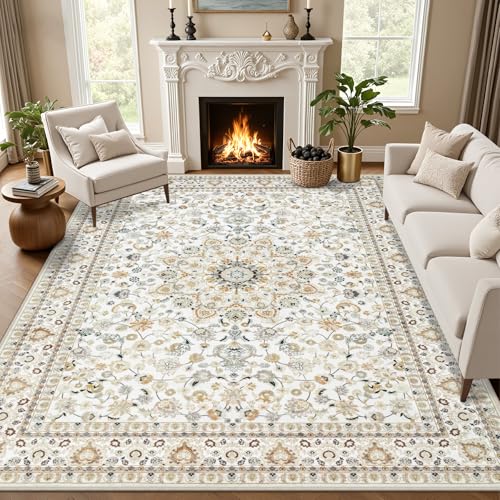
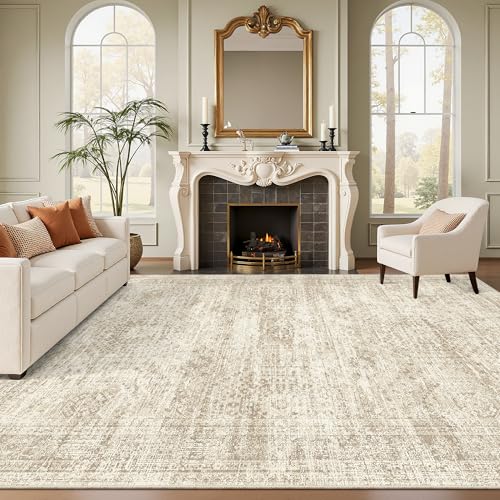
Choosing best affordable rugs is about size first, because a rug that is too small makes a room feel disjointed, while the right size anchors furniture and pulls the space together. A living room rug should sit under the front legs of sofas and chairs, not float in the middle like an island. The comparison table below compares the main options, so you can weigh size, material, pile, and price.
Material decides durability and cleaning: wool feels luxurious and lasts, cotton is soft and washable, synthetics resist stains and suit busy homes, and natural fibres such as jute add texture but need care with spills. Think about pets, children, and foot traffic before falling for a colour or pattern.





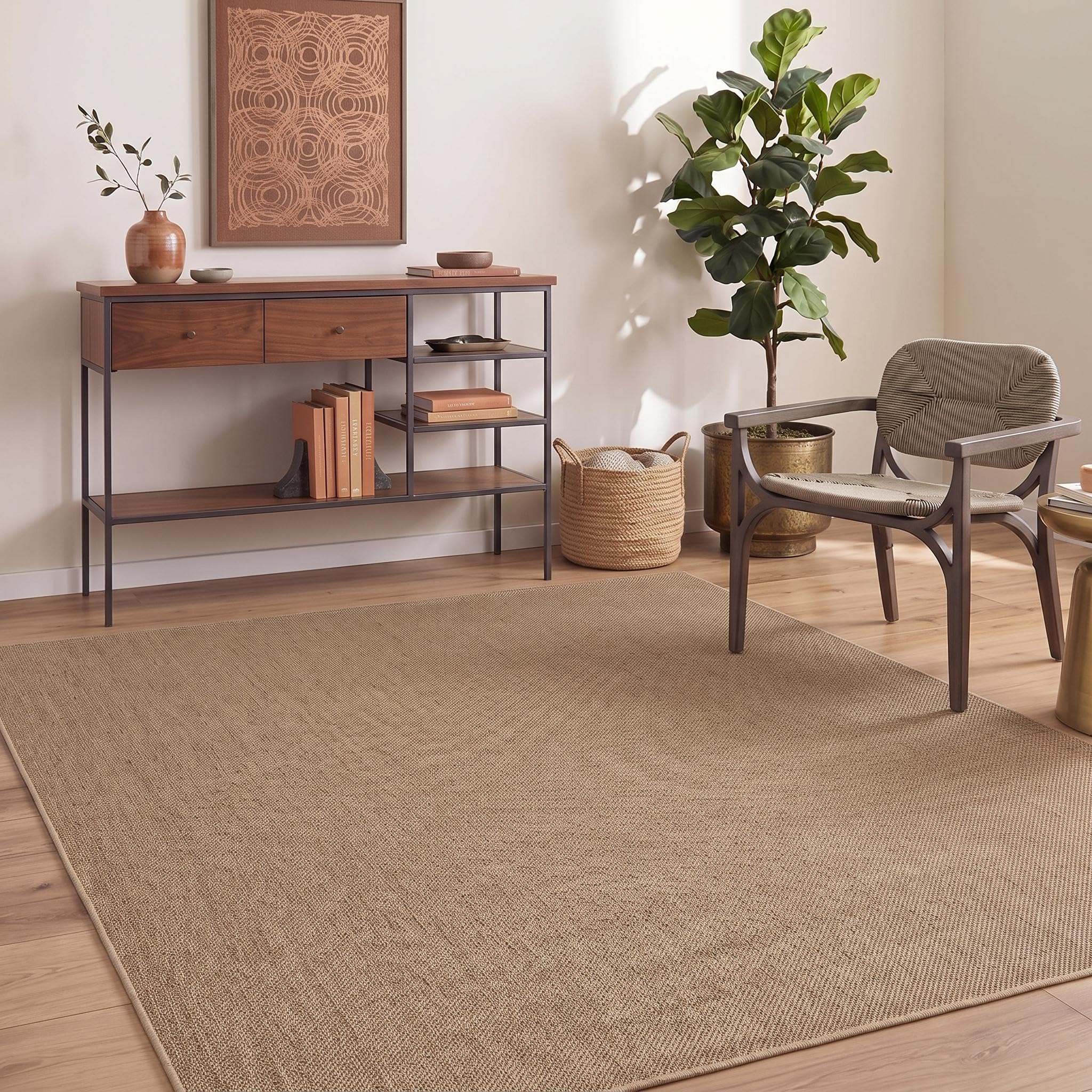
Who Should Buy an Affordable Rug
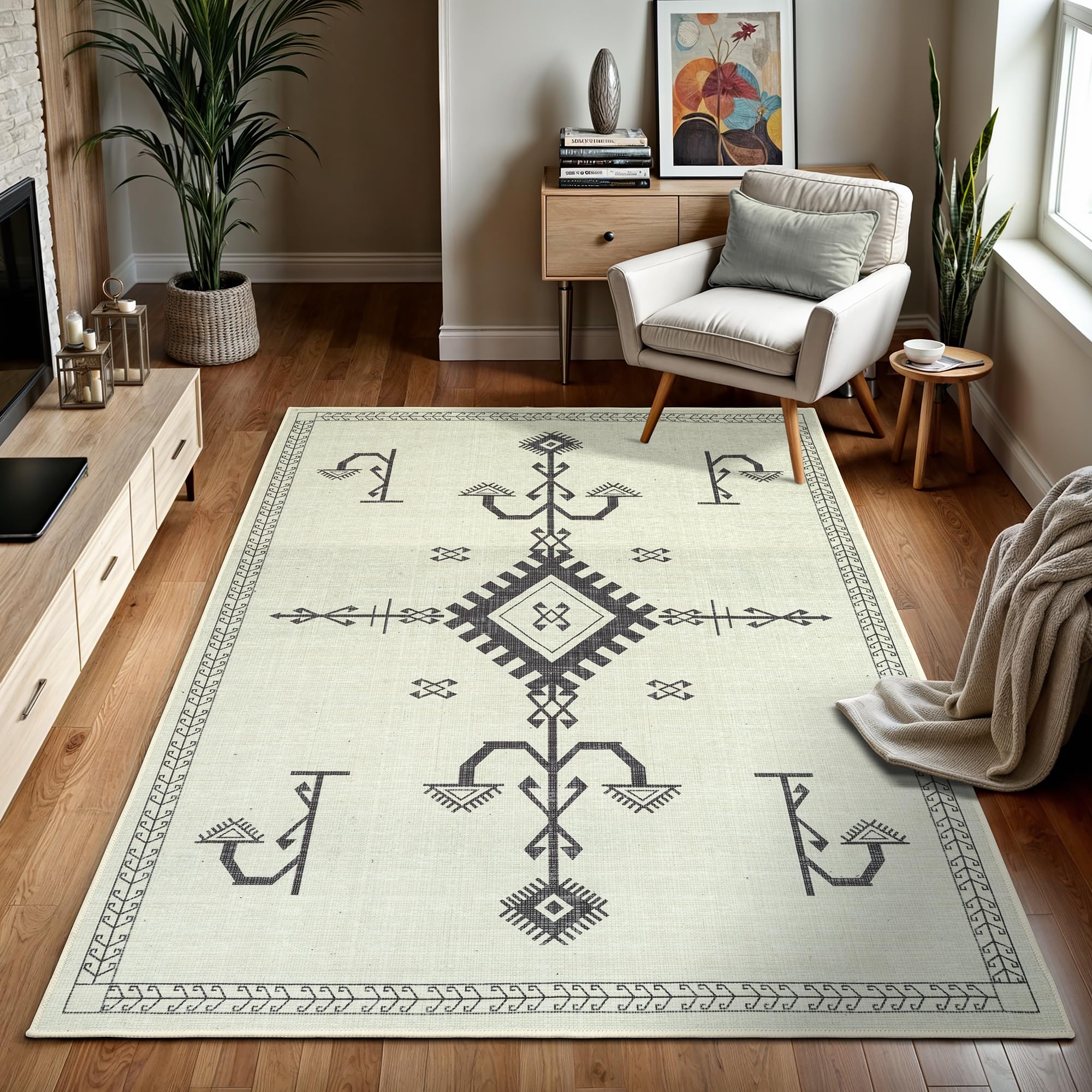
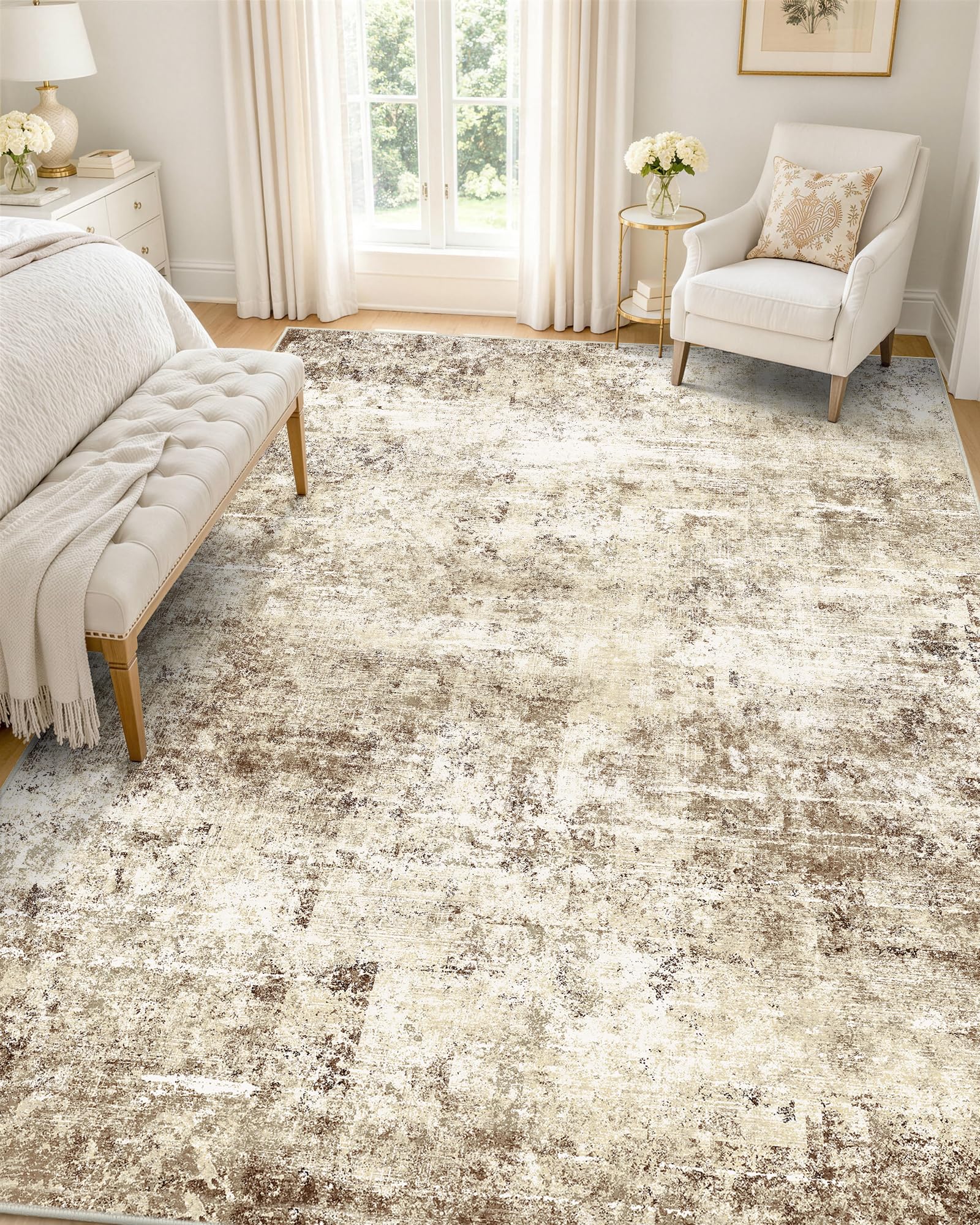
Affordable rugs suit renters, first home buyers, families with children or pets, and anyone refreshing a room without a large budget. They also suit seasonal decorators who like to change styles. If you need a heirloom quality rug for a low traffic formal room, a premium wool rug may be a better long term choice.
- Renters
- First home buyers
- Families with pets or children
- Budget decorators
Key Features That Matter Most
Size is the top decision: measure the seating area and choose a rug that extends beyond furniture edges, typically 8 by 10 feet for a standard living room. Pile height affects feel and cleaning: low pile suits dining areas and high traffic, while high pile feels plush in bedrooms but traps dust. Backing and a rug pad prevent slipping and add cushioning.
Material trade offs matter daily: wool resists dirt and lasts but costs more and needs care, polypropylene resists stains and suits kitchens and entryways, cotton washes easily but wears faster, and jute looks natural but stains easily. Colour and pattern hide dirt differently, with mid tones and patterns forgiving busy households.
Room by Room Guidance
In living rooms, anchor the seating group with a rug large enough for front furniture legs. In bedrooms, place a rug under the bed extending on both sides for warm feet. In dining rooms, choose a rug large enough for chairs pulled out, with low pile for easy cleaning. In hallways, use runners with non slip backing and washable materials.
For allergy sufferers, low pile washable rugs trap less dust than high pile rugs, and regular vacuuming matters more than material alone. If anyone in the home has asthma or dust sensitivity, choose washable options and clean them on a schedule. A rug pad also reduces wear and keeps the rug in place.
Budget and Long Term Value
Affordable rugs often cost from about $50 to $200, with good value around $80 to $150 for a well made synthetic or cotton rug in a standard size. Larger rugs cost more, so measure before falling for a small cheap rug that will look lost. A rug pad costs extra but extends rug life and improves safety, making it money well spent.
Consider cleaning costs too: a rug that needs professional cleaning yearly costs more over time than a washable rug. Check care labels before buying, since some beautiful rugs demand dry cleaning only. A rug you can clean at home will stay fresher in a busy household.
Common Mistakes to Avoid
The most common mistake is buying a rug too small for the room, which makes furniture look scattered. Another is choosing a high pile white rug for a home with pets and children. A third is skipping a rug pad, leading to slipping and premature wear. Measure the room, consider lifestyle, and always use a pad on hard floors.
Planning for Everyday Use
Vacuum regularly, rotate the rug every few months to even wear and fading, and clean spills promptly by blotting, not rubbing. Keep the rug out of prolonged direct sun where possible, since colours fade unevenly. For washable rugs, follow the care label exactly, since hot water or harsh detergent can shrink or damage fibres.
Related Guides Worth Reading Next
For more on a related option, see our guide to best affordable area rugs for detail that complements this guide.
For more on a related option, see our guide to best affordable rugs online for detail that complements this guide.
For more on a related option, see our guide to best affordable outdoor rugs for detail that complements this guide.
For more on a related option, see our guide to best quality rugs for detail that complements this guide.
For more on a related option, see our guide to best affordable rugs for living room for detail that complements this guide.
A Final Check Before You Order
Before you order, tape the planned rug outline on the floor with masking tape and live with it for a day, checking furniture placement and walking routes. This simple test reveals size mistakes before delivery, since rug sizes are hard to judge from a screen. Check door clearances too, since a thick rug plus pad can catch a door.
Confirm the care label matches your lifestyle: a dry clean only rug in a home with children or pets will either stay dirty or cost a fortune to maintain. A washable rug suits busy homes far better, even if the pattern is slightly less luxurious. Choose maintenance reality over showroom beauty.
Finally, order a rug pad at the same time, sized slightly smaller than the rug, so the rug is safe and comfortable from day one. A pad prevents slipping, adds cushioning, and extends rug life, making it one of the best value extras in home furnishing.
Caring for Your Rug Over Time
Vacuum at least weekly in high traffic areas, rotate the rug every few months to even wear and sun fading, and blot spills immediately rather than rubbing them deeper. For washable rugs, follow the care label exactly, since hot water can shrink fibres. Keep the rug dry after cleaning, since damp rugs develop odours.
If edges curl, a rug pad and furniture weight usually flatten them over time. For persistent curling, rug tape designed for floors can help without damaging finishes. With regular care, an affordable rug can look good for years, even in a busy family home.
Frequently Asked Questions
What size rug for a living room?
A living room rug should be large enough for the front legs of sofas and chairs to sit on it, typically 8 by 10 feet for a standard seating group. Smaller rooms may suit 5 by 8 feet. Measure your furniture arrangement before ordering, and tape the outline on the floor to visualise it.
Are affordable rugs durable?
Affordable rugs can last several years with the right material for the traffic level and regular care. Synthetics and low pile wool blends wear well in busy rooms. Very cheap thin rugs may wear quickly in high traffic areas, so spend a little more for hallways and living rooms.
What material is best for pets?
Polypropylene and other synthetics suit pets best, since they resist stains and clean easily. Low pile constructions trap less hair than high pile. Avoid delicate natural fibres in pet areas, and choose patterns and mid tones that hide hair between cleans.
Do I need a rug pad?
Yes, a rug pad prevents slipping, adds cushioning, and extends rug life by reducing friction with the floor. It is especially important on hard floors. Choose a pad slightly smaller than the rug, and replace it when it flattens or crumbles.
How do I clean an affordable rug?
Vacuum regularly, blot spills immediately, and follow the care label for washing. Many cotton and synthetic rugs are machine washable, while wool and jute need gentler care. Test any cleaner on a hidden corner first, and dry rugs fully before relaying them.
Are jute rugs good for high traffic areas?
Jute rugs look natural and textured, but they stain easily and are harder to clean than synthetics, so they suit low traffic rooms better than hallways or dining areas. For high traffic, choose polypropylene or a durable wool blend. Reserve jute for bedrooms or formal rooms where spills are unlikely.
Can I layer rugs?
Layering rugs works well when a large neutral rug anchors the room and a smaller patterned rug adds interest on top. Keep the top rug smaller and centred, with non slip pads between layers. Layering suits living rooms and bedrooms, but avoid it in dining areas where chairs must move freely.
How do I stop a rug sliding on hard floors?
Use a rug pad sized slightly smaller than the rug, with a grippy surface matched to your floor type. Rug tape can help edges, but test it on a hidden area first, since some tapes damage finishes. A quality pad is the safest long term solution for sliding rugs.
Final Thoughts
The best affordable rugs prove that good size, sensible material, and regular care matter more than a high price. Measure first, match material to lifestyle, and use a pad, and your rug will anchor the room beautifully. The product table above helps you compare the strongest budget options. Take time with this final check, since a careful choice now avoids returns and disappointment later, and it ensures the option you buy genuinely fits your room, routine, and budget.