Best Amphibious Shoes 2026
Disclosure: We may earn a commission when you buy through links on this page, at no extra cost to you. As an Amazon Associate I earn from qualifying purchases. Learn more

How to choose amphibious shoes: drainage, wet grip, quick drying uppers, fit when wet, and protection for river, beach, and paddle outings today.
Choosing best amphibious shoes means finding a shoe that works in water and still feels right on land, because a shoe that drains well but slips on wet rock, or grips well but stays soggy, will disappoint on a river walk. Look first at drainage, grip, and drying speed, then at fit and protection.
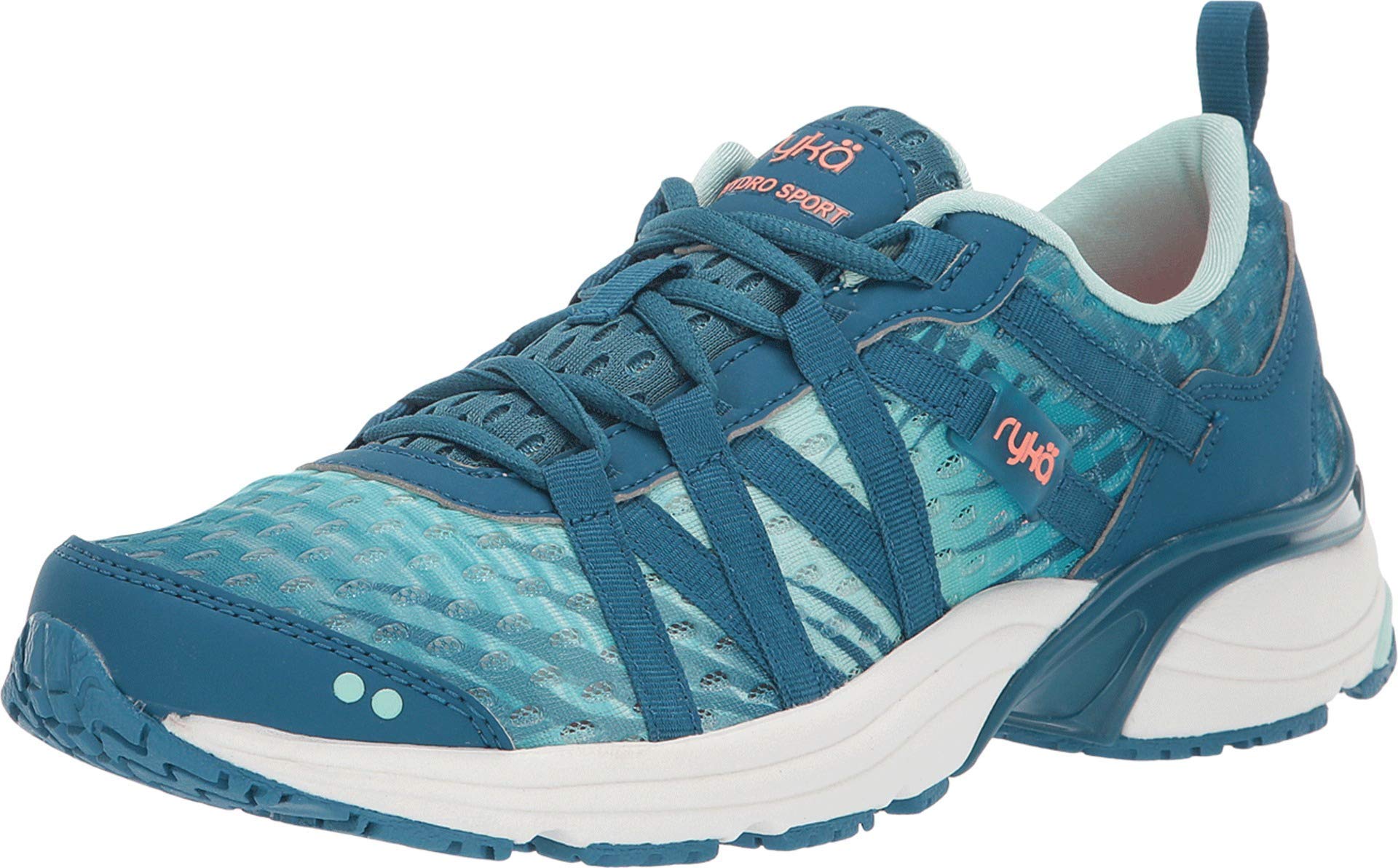
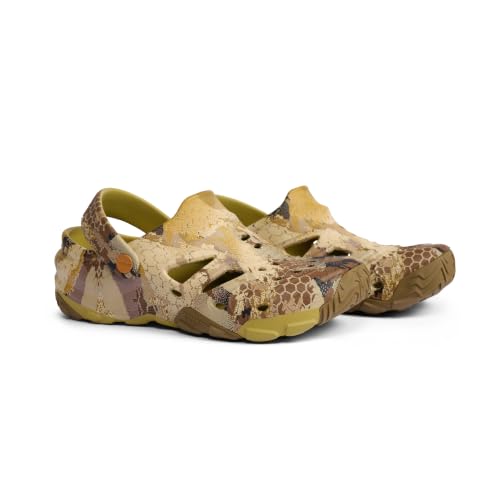
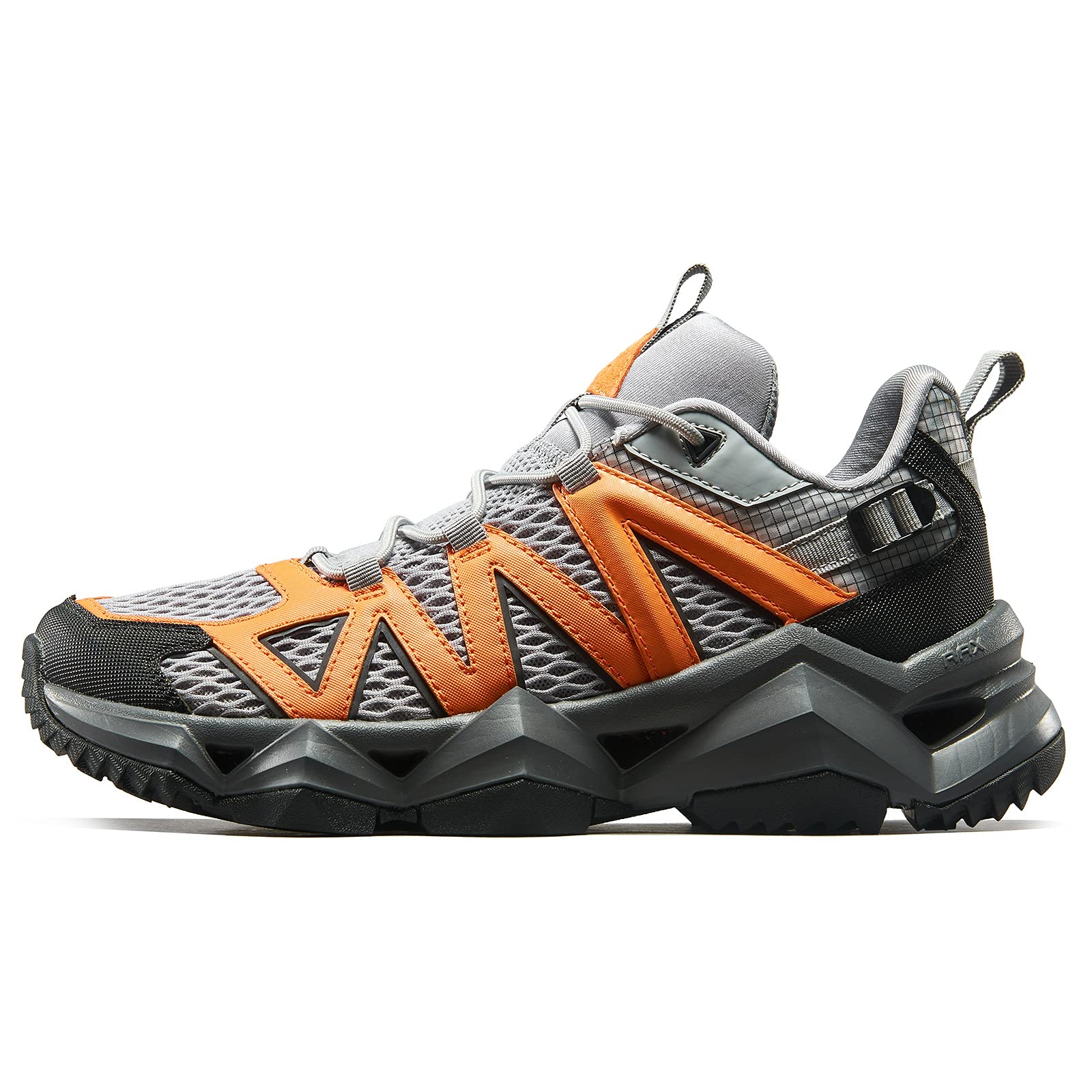
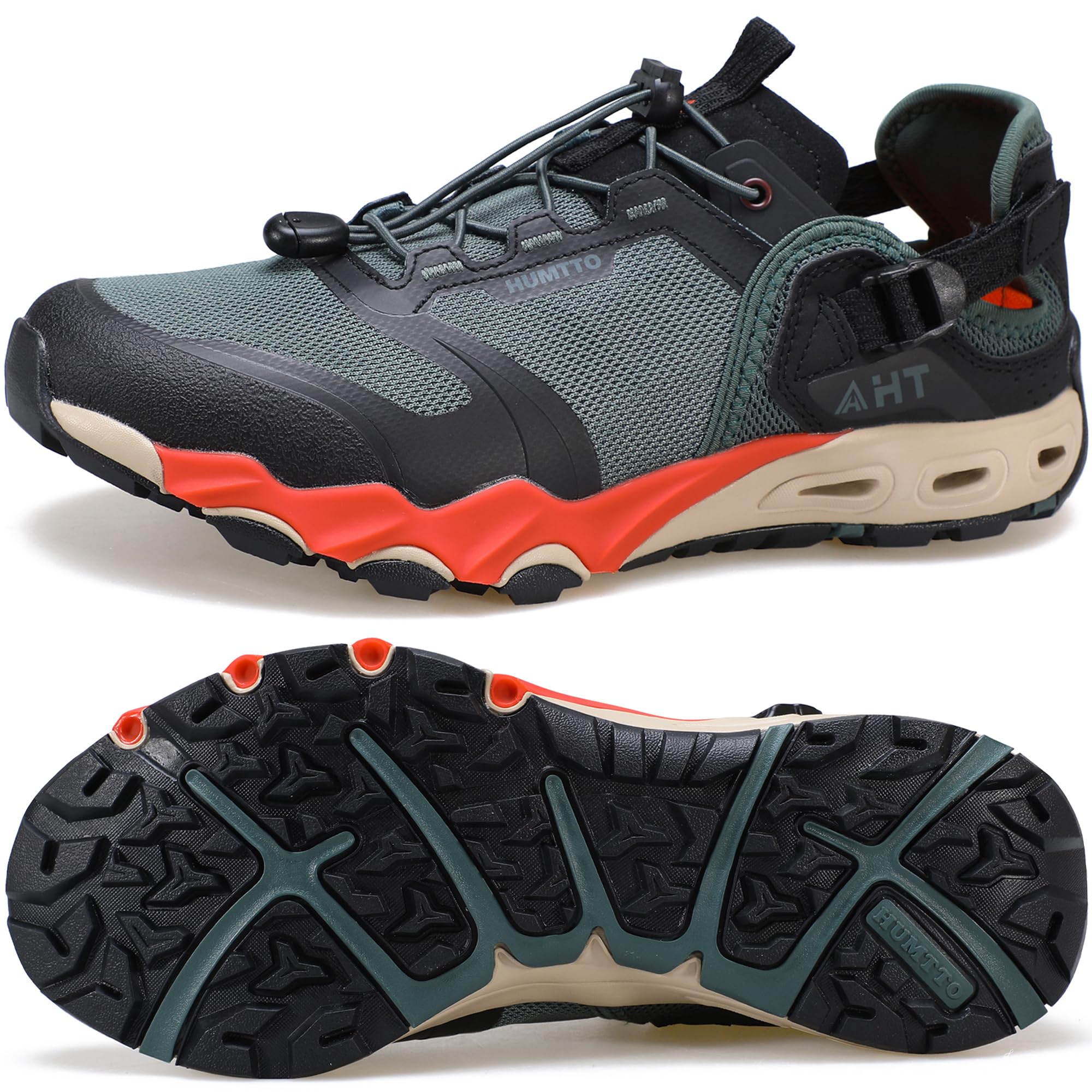
The comparison table below shows how light water shoes, trail style hybrids, and sandal style designs differ in protection, weight, and drying time. Use it to pick a style, then work through the checks in this guide.





Who Should Buy Amphibious Shoes
Amphibious shoes suit river walkers, kayakers, paddle boarders, and beach explorers who move between water and land many times in one outing. They also suit anglers and canyon walkers who wade through shallow water and then hike on trails.
They are a poor choice as a main hiking boot for rough mountain trails, where ankle support and stiff soles matter more than drainage. For long dry hikes, a dedicated trail shoe will serve you better.
Drainage and Drying Speed
Good drainage lets water escape quickly so the shoe does not stay heavy after each crossing. Look for mesh panels, drainage ports, and a footbed that does not soak up water and hold it against your foot.
Drying speed matters on multi day trips. Synthetic uppers and linings dry far faster than leather or thick foam, and a shoe that dries overnight is much more pleasant on the second day.
Grip on Wet Rock and Mud
Wet rock is one of the most slippery surfaces you will meet, so look for a soft rubber outsole with a siped tread pattern that channels water away from the contact patch. Deep lugs help in mud, but a flatter, stickier compound grips better on smooth wet stone.
Test the tread with your weight on it if you can. A sole that feels grippy in a shop on dry flooring may still slide on algae covered rock, so read the compound description and favour designs made for wet use.
Fit, Protection, and Comfort
Fit should be snug enough that the shoe does not slip when wet, since a loose wet shoe blisters quickly and can come off in current. A secure lacing or strap system that you can adjust with wet hands is a real advantage.
Toe protection matters on rocky riverbeds. A rubber toe cap or a reinforced front guards against stubbed toes, while a closed upper keeps gravel and sand out better than an open sandal style design.
Weight, Packability, and Durability
Light shoes are easier to carry when you switch to dry footwear, and they dry faster too. If you pack them for a paddling trip, check that they fold or compress without damaging the sole or upper.
Durability depends on stitching and sole bonding. Shoes that will meet sand, salt, and sun need seams and glues that resist those conditions, so rinse them in fresh water after use and dry them out of direct sun.
Socks, Blister Care, and Safety
Thin synthetic or wool blend socks reduce friction and blister risk far better than cotton, which stays wet and softens skin. If you feel a hot spot, stop and deal with it early rather than pushing on through a river crossing.
Never wade in fast or deep water in shoes alone. Check the current, wear a buoyancy aid where appropriate, and tell someone your route. If you feel unsteady, turn back, since no shoe makes a dangerous crossing safe.
Budget and Long Term Value
Spend on grip and drainage first, since those traits decide safety and comfort in the water. Cosmetic features and brand names matter far less than a sole that holds on wet rock and an upper that dries overnight.
The product table above shows how styles differ, so match the design to your mix of water and land. The right shoe is the one that feels secure wet and dry across a full day out.
Related Guides Worth Reading Next
If you want to compare nearby options, read our guide to best amphibious hiking shoes for a closer look at a related choice that may suit a different room, budget, or daily routine.
Choosing for Your Main Activity
River walkers need toe protection and grip on slippery stone, while kayakers need a light shoe that slips on easily and dries fast between launches. Paddle boarders need a secure fit that will not slip off in the water, and beach walkers need sand shedding and comfort on hot sand.
Match the shoe to the activity you do most, not to every activity you might try once. A shoe that excels at your main use and copes with the rest serves you better than a compromise that excels at nothing.
Common Mistakes to Avoid
A common mistake is buying a size that fits dry but slips when wet. Wet feet swell slightly and wet uppers stretch, so a snug dry fit often becomes loose in the water. Test fit with wet socks if you can, and choose a lacing system you can tighten quickly.
Another mistake is trusting dry floor grip. A sole that grips a shop floor may slide badly on algae covered rock, so favour compounds and tread patterns designed for wet use, and move cautiously on unfamiliar surfaces.
A Final Check Before You Order
Before you order, check drainage ports, sole compound, toe protection, and drying time together, and confirm the return policy. Trying the shoe in shallow water during the return window tells you more than any product description.
Also think about socks. Thin synthetic socks reduce blisters and improve fit, while cotton socks stay wet and increase friction. Pack a spare pair for longer outings.
Living With Your Choice
After each outing, rinse the shoes in fresh water, remove sand and grit from drainage ports, and dry them fully out of direct sun. Sand left in seams wears stitching quickly, and damp storage breeds smells that are hard to remove.
Inspect soles and seams regularly, especially before a trip involving fast water or remote terrain. A shoe that fails far from help is a serious problem, so retire worn pairs before they let you down.
Reading Water Before You Wade
Before wading, read the water carefully. Look at current speed, depth markers, and the riverbed where visible, and watch how debris moves. If water pushes hard against your legs or you cannot see the bottom, choose another crossing or turn back.
Cross at an angle facing upstream, use a stick or trekking pole for a third point of contact, and unbuckle your pack waist belt so you can slip free if you fall. Good judgement matters far more than any shoe feature.
Frequently Asked Questions
Can I hike in amphibious shoes?
Yes, for short, wet, and easy trails, but they are not a substitute for a hiking boot on rough or steep ground, where ankle support and stiff soles matter more. Use them where water crossings are frequent and the land sections are gentle. For long dry hikes, choose a dedicated trail shoe.
How do I stop blisters in wet shoes?
Wear thin synthetic or wool blend socks, keep the fit snug so the shoe does not slip when wet, and stop early to treat any hot spot before it becomes a blister. Cotton socks stay wet and soften skin, which raises blister risk. Dry feet and shoes whenever you get a chance.
Do amphibious shoes dry overnight?
Most synthetic designs dry overnight in a ventilated room, while thick foam or leather lined shoes may still feel damp in the morning. Remove insoles, open the shoe fully, and keep it out of direct sun to speed drying. Stuffing with dry cloth helps draw moisture out.
Are they safe on slippery rocks?
They are safer than ordinary trainers on wet rock, thanks to sticky rubber and siped treads, but no shoe grips algae covered rock perfectly. Move slowly, test each step, use a stick or trekking pole for balance, and avoid crossings where the current is strong. If a step feels unsafe, turn back.
How do I care for them after salt water use?
Rinse them in fresh water after every salt water outing, remove sand from drainage ports, and dry them fully before storage. Salt and sand left in seams and soles speed up wear and can cause smells. Check stitching and sole bonding regularly for early damage.
Final Thoughts
Start with drainage and wet grip, then choose a fit that stays snug when wet and an upper that dries overnight.
The product table above makes the styles easy to compare, so match the design to your mix of water and land, and never trust any shoe to make a dangerous crossing safe.