
Best and Worst Treadmills: A Practical Buyer Checklist for 2026
Disclosure: We may earn a commission when you buy through links on this page, at no extra cost to you. As an Amazon Associate I earn from qualifying purchases. Learn more

Learn how to tell the best and worst treadmills apart with a clear checklist for motor, belt size, build, noise, warranty and lasting value at home.
Price alone tells you almost nothing about a treadmill. A strong model feels steady at speed, fits your room and stride, and keeps working for years, while a weak one shakes, strains and ends up folded away. Sorting the best and worst treadmills comes down to a short checklist of motor, belt, frame and warranty facts. You can check each one before you order using the comparison table below.
This guide walks through that checklist in order: who each type suits, which numbers matter, which warning signs to avoid, and how to care for the machine.
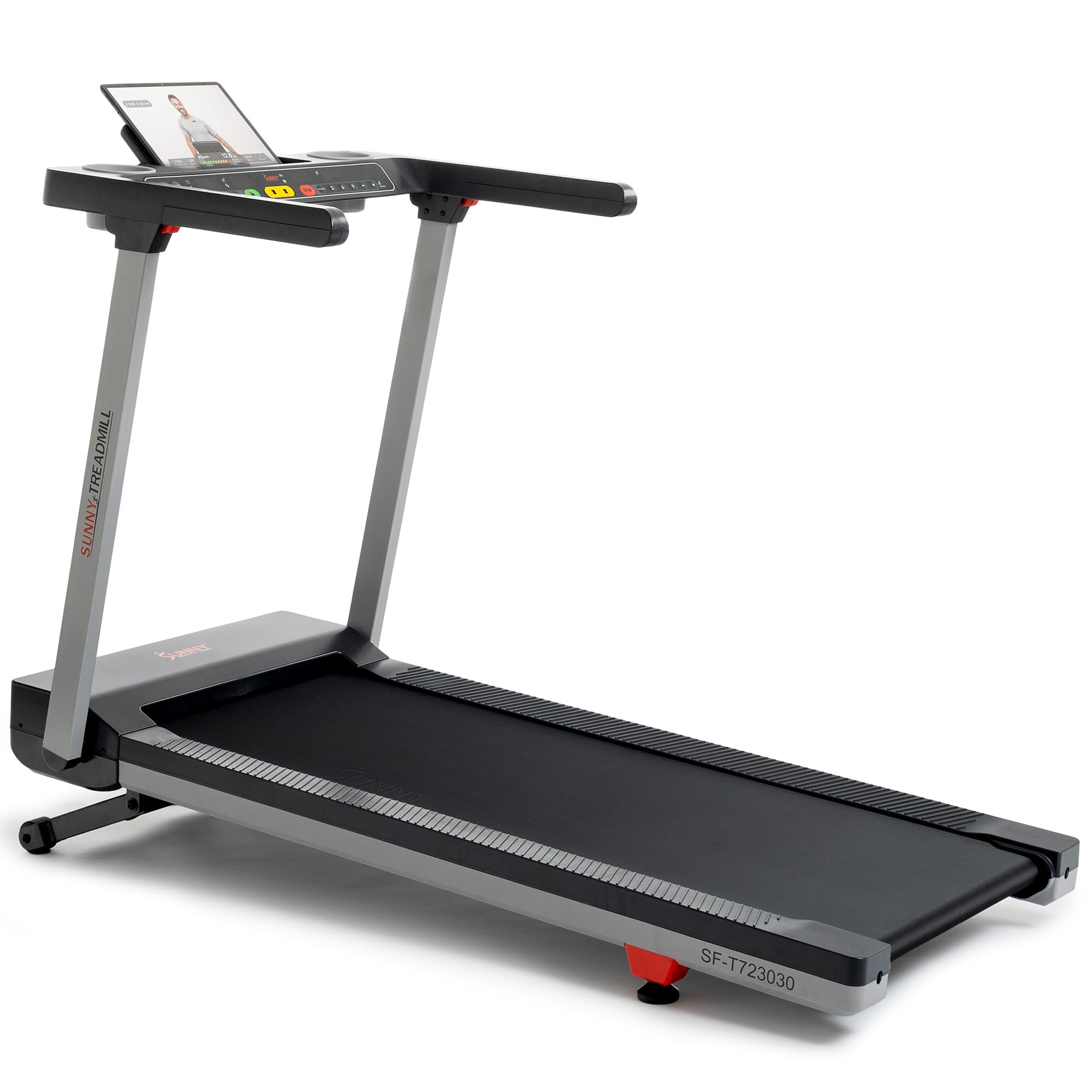

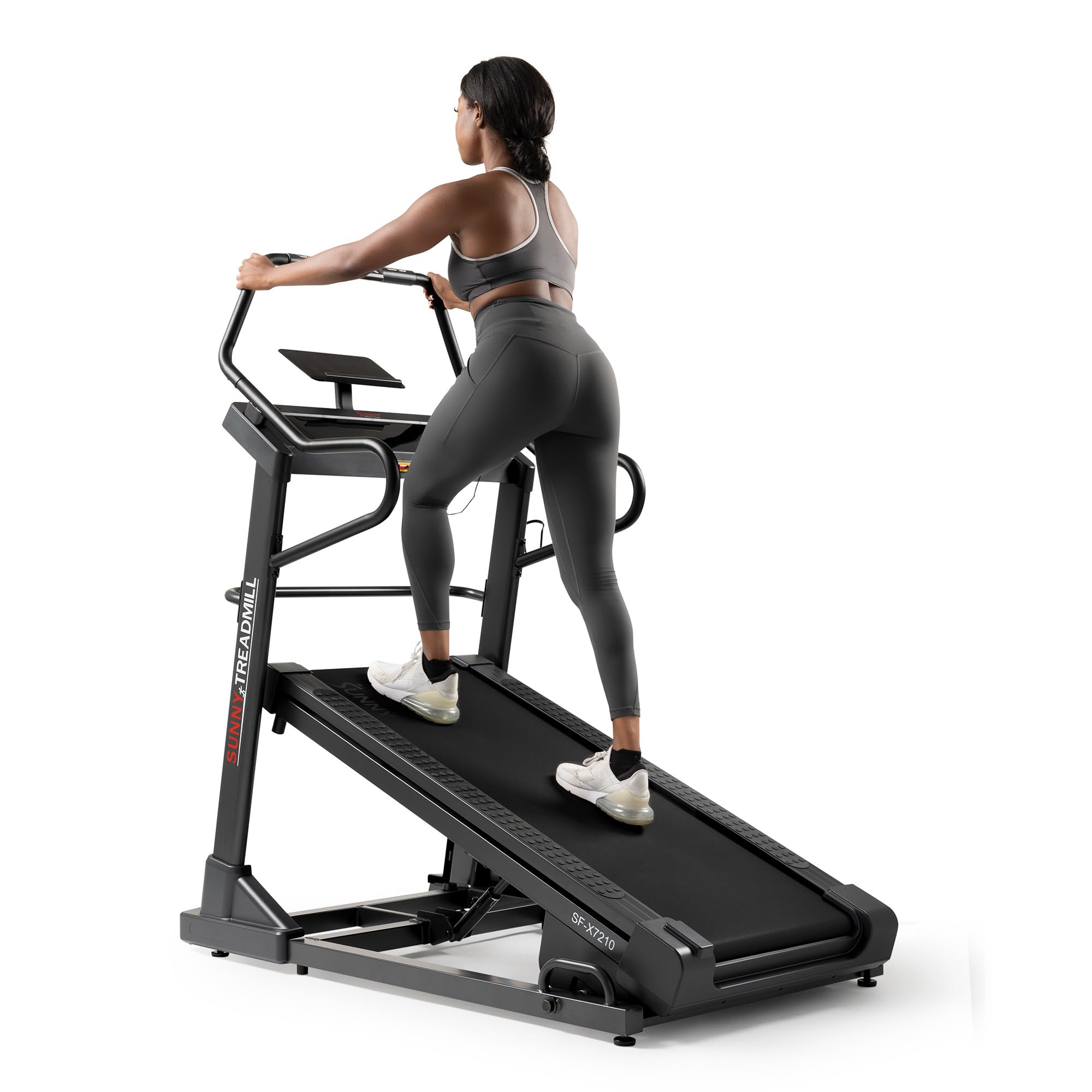
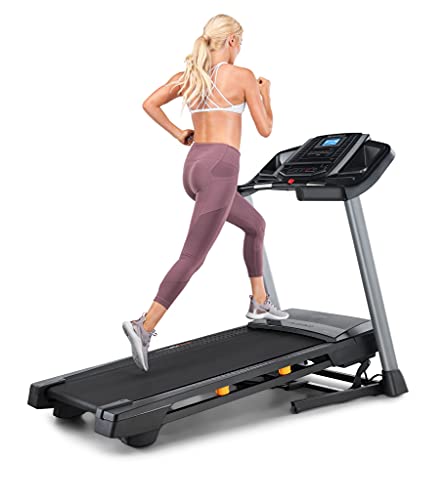
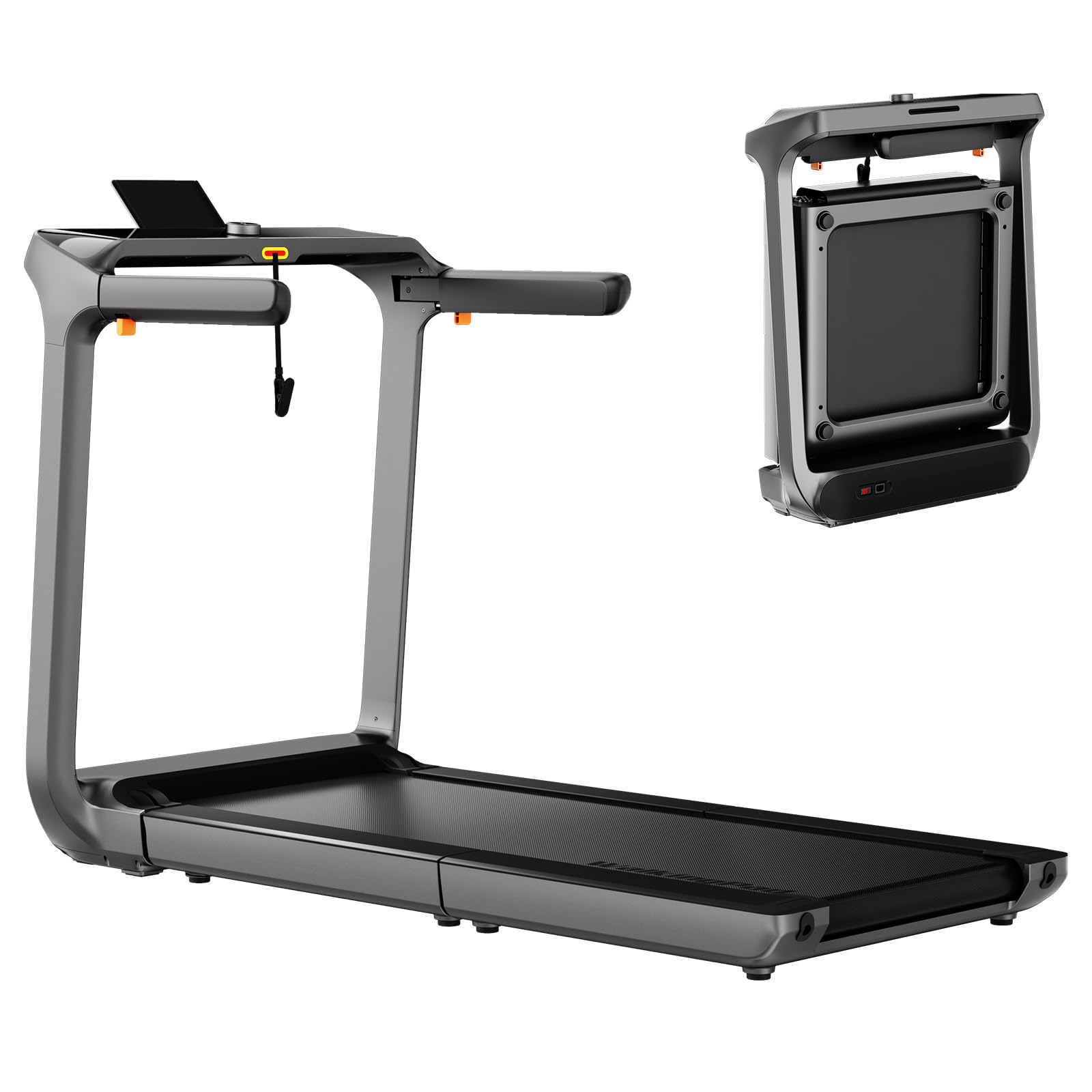
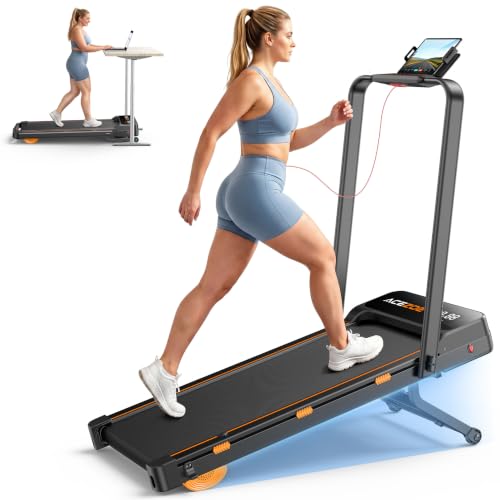
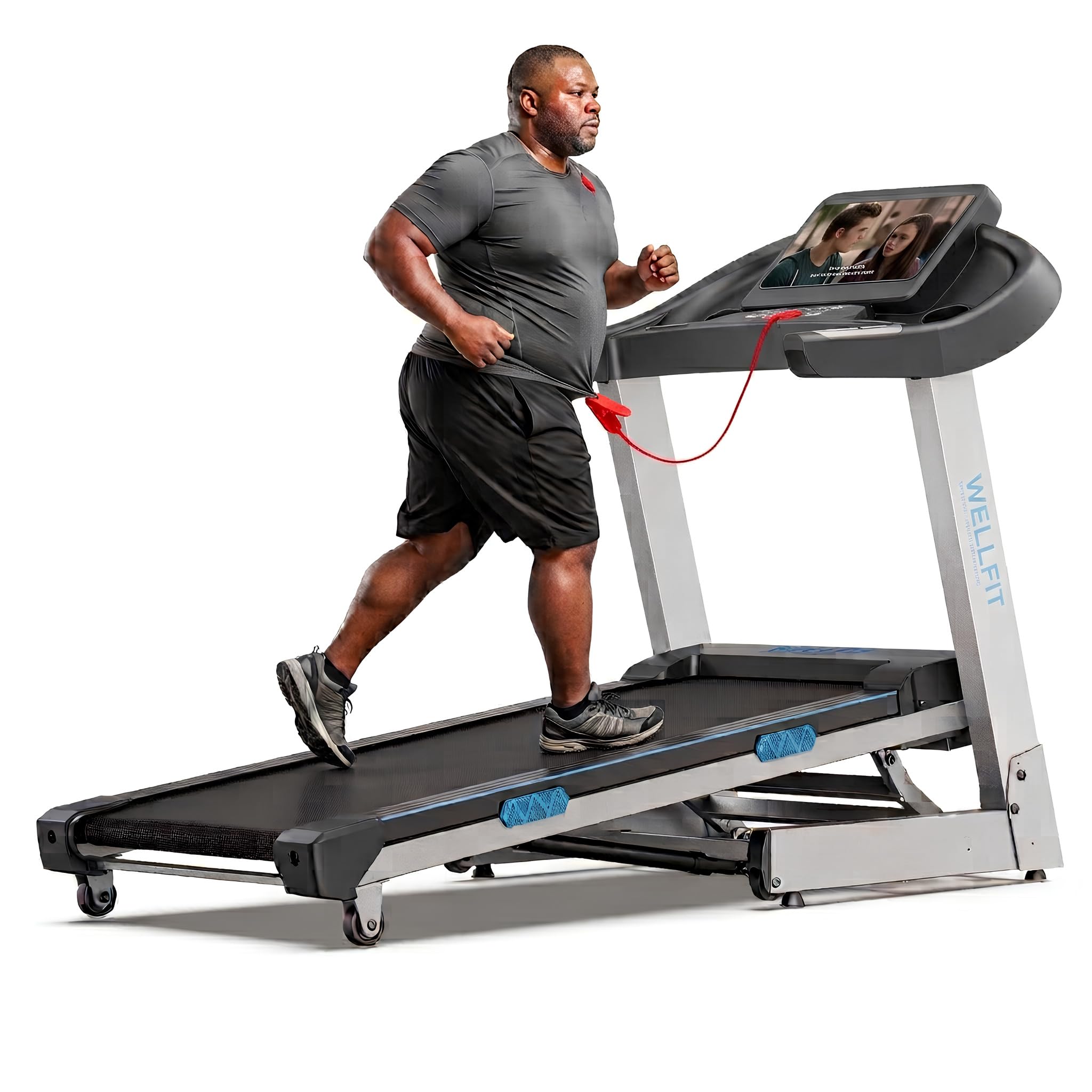

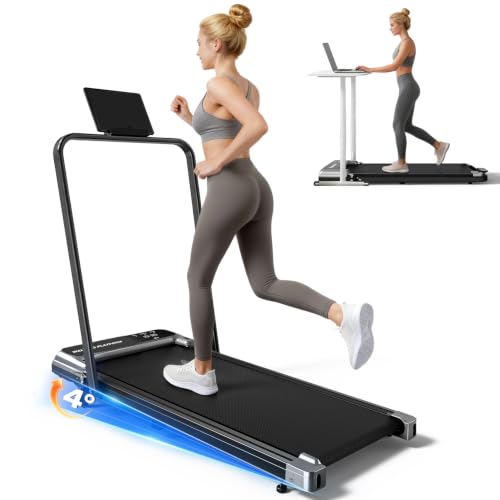
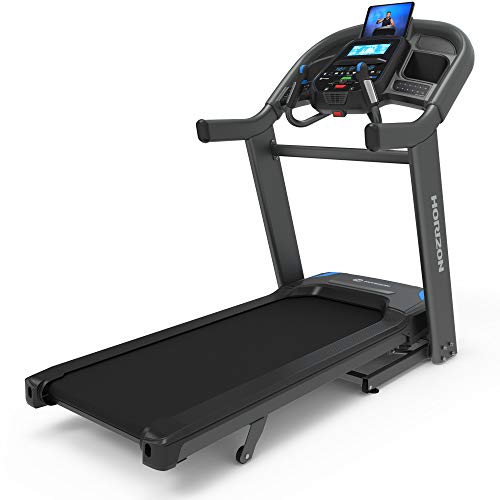
Who Should Buy Which Kind of Treadmill?
Start with the workout you will repeat most weeks, because that habit decides the motor, belt and frame you need.
Walkers Who Want Daily Steps at Home
You need a machine that starts easily, runs quietly at low speed and invites short, frequent sessions. A modest motor is fine for walking, but the belt still needs enough width that you never feel crowded near the edges. Simple controls matter more than a large screen for ten minute sessions. Choose a model you can leave set up, because a walking routine fails fast when every session starts with unfolding.
Runners Who Train Indoors Several Days a Week
You place far more load on a treadmill, so you need a stronger motor, a longer belt and a frame that stays planted during intervals. Look for quick speed changes and an incline range that supports hill work. For tempo run needs, see our guide to the best treadmills for jogging. Stop and seek care promptly if you feel chest pain, faintness or sharp joint pain, and talk with your clinician about training loads that suit your health.
Apartment Dwellers and Shared Space Users
You need a compact machine that respects your floor space and the people below or beside you. A foldable deck, transport wheels and a footprint you can measure in advance matter as much as top speed. Noise travels through shared floors, so a quiet motor and a cushioned belt protect your routine. Measure your storage spot before ordering.
Key Features to Compare
Work through these factors in order, because a model that fails an early one rarely earns back trust with screen features.
Motor Power, Speed and Incline Range
The motor drives the belt under your weight, and makers rate that power in horsepower, though ratings are not measured the same way across brands. Steady walking needs less power than running, and heavier or faster users should choose toward the upper end of a range. Speed should rise in small steps so you can fine tune pace, and incline adds training load without forcing you to run faster. A motor that sounds strained at your normal pace is a warning sign.
Belt Size and Cushioning Underfoot
The belt is the surface you run on, so its length and width shape safety and comfort. Taller runners and anyone with a long stride need a longer belt, since a short deck forces shorter steps or drift toward the rear roller. Width matters when you tire and your foot placement wanders. Cushioning softens impact compared with pavement, but should feel firm rather than bouncy. For footwear, see our guide to the best shoes for treadmill.
Steel Frame Build, Weight Capacity and Warranty
A steel frame gives the deck its stiffness, and you feel the difference at speed. Check the stated weight capacity and keep a clear margin above your own weight, because ratings assume even, centred use. Welded joints and a deck that does not flex underfoot point to stronger build quality. Warranty terms tell the same story: longer cover on frame and motor than on parts and labor is the normal pattern, and very short cover suggests a short expected life.
Footprint, Ceiling Height, Folding and Assembly
Measure the room where the machine will run, not only where it will rest. Leave space behind the belt so a stumble has a safe landing zone. Check ceiling height by adding your height to the deck height and the rise at full incline. Foldable models lift the deck to free floor space, but confirm folded height clears shelves and doors. Assembly usually means attaching the uprights and console with a second person helping.
Noise and Vibration on Your Floor
Most treadmill noise comes from three sources together: the motor, the belt moving over the deck, and your foot strike passing into the floor. Hard floors carry vibration further than carpet, and upper floor rooms pass more sound below. A thick mat under the frame softens noise and floor marks. If you can, run when building noise is already highest, since a machine loud at dawn may blend in by early evening.
Treadmill Types Compared, From Manual to Smart Connected
Manual treadmills use your own steps to move the belt, cost the least and need no outlet, but pace is harder to hold steady and most suit walking only. Standard motorised models cover the widest ground, with set speeds and incline on many versions. Compact and foldable models trade deck length and motor strength for storage ease.
Smart connected models add large screens, Bluetooth app links, streaming classes and automatic speed changes, at a higher price and often with a subscription. Heavy duty models use stronger frames and higher weight capacity for tall, heavy or high mileage users. If value matters most, see our guide to the best bargain treadmills for where lower prices still keep core parts sound.
Short List Questions That Separate Strong Treadmills From Weak Ones
Treat any no below as a reason to pause. Timing can change what you pay, so see our guide to the best time to purchase treadmills if your purchase can wait, and use these questions to sort the best and worst treadmills on your short list.
- Does the belt length suit the tallest user and their stride?
- Is the weight capacity safely above the heaviest user?
- Does the motor rating match walking, running, or both?
- Have you measured the room, ceiling and storage spot?
- Is warranty cover on frame and motor longer than on parts?
- Do console controls work well without a subscription?
- Can the boxed machine pass through your doors?
- Is there clear space behind the belt for a safe stop?
Common Mistakes to Avoid
Watch listings too: vague motor claims, missing warranty terms and photos that hide the deck and frame are red flags for weak hardware.
- Buying by top speed alone leaves a machine whose short belt cramps every stride.
- Skipping the ceiling check means your head may meet the ceiling once incline rises.
- Placing the belt tight against a wall removes safe space after a stumble.
- Ignoring subscription costs lets a low price grow into a higher yearly total.
- Choosing the lightest frame for daily running brings shaking and worn parts fast.
- Storing a folded deck in a damp garage invites rust.
Setup and Care Tips for a Home Treadmill
Set the machine on a level floor with a mat beneath it, plug it in as the manual directs, and keep the safety key within reach. Check that the belt runs centred before your first session, and adjust it only in the small steps the manual describes. Leave clear space on all sides so you can step off safely.
Wipe sweat from the console, rails and belt after each workout, because salt and moisture age electronics and paint. Tighten accessible bolts about once a month and add belt lubricant only at the interval your manual states. Unplug the machine before cleaning under the cover, and stop using it if the belt slips or a burning smell appears, since those faults need a technician.
FAQ
Is a treadmill quiet enough for an apartment?
Yes, many treadmills are quiet enough for an apartment if you manage vibration as well as motor sound. One step owners miss is timing: tell downstairs neighbours your usual workout window and ask whether they hear it, because early feedback lets you add a thicker mat or shift your hour. Walking makes far less impact noise than running, so save faster work for gym sessions when you can.
Does a smart treadmill require a subscription to work?
No, a smart treadmill does not require a subscription for basic manual mode on most models. You can normally set speed and incline yourself and use simple built in programs without paying. The fee unlocks filmed classes, live sessions and deeper tracking. Before buying, confirm the screen still shows pace, time and distance if the subscription lapses.
How long does a home treadmill usually last?
A home treadmill usually lasts about seven to ten years with regular care and moderate weekly use. Keeping a log of weekly hours helps you judge wear honestly, because two machines of the same age can have very different mileage. Belt wear shows first as a polished centre strip and slower starts, and catching that early lets you plan a belt change.
How much space does a folding treadmill need?
A folding treadmill needs its full running footprint while in use, plus clear space behind the belt, even though it stores in far less room. One point buyers forget is the entry route: measure stair turns and lift doors if you live above ground level, since a machine that fits your room is still a problem if the box cannot reach it.
Which type of treadmill is better for beginners?
A standard motorised treadmill is better for beginners because it holds a steady pace while you learn. That steady belt lets you start with short walking intervals and add a minute at a time. Use the handrails only for brief balance checks, because holding them throughout changes your posture and lowers the work your legs do. Manual models demand more effort, which can discourage a new routine.
Our Verdict
Judge every model by three tests: a belt that fits your stride, a motor and frame matched to your pace and weight, and warranty terms that show the maker stands behind both. Screens and classes only add value after those basics pass. Use the product table above to compare your short list against each test.
When you weigh the best and worst treadmills that way, the gap is rarely about price alone. Buy the simplest machine that passes every test, and it will earn its place in your week.


