Best Affordable Mountain Bike for Women of 2026: Complete Buying Guide
Disclosure: We may earn a commission when you buy through links on this page, at no extra cost to you. As an Amazon Associate I earn from qualifying purchases. Learn more

Compare the best affordable mountain bike for women by frame fit, suspension, gearing, and brakes, with clear sizing tips for trail and gravel riding.
Finding a trail bike that fits well and respects a budget can feel harder than it should. Many affordable bikes are simply smaller versions of a unisex frame, with a saddle and touchpoints that ignore how most women sit, reach, and grip. This guide to the best affordable mountain bike for women shows you how to judge fit first, then suspension, gearing, and brakes, so the bike you bring home feels right on the first ride and the fiftieth.
Use the comparison table below to build a shortlist, then work through the sizing and component sections with your height, inseam, and local trails in mind.

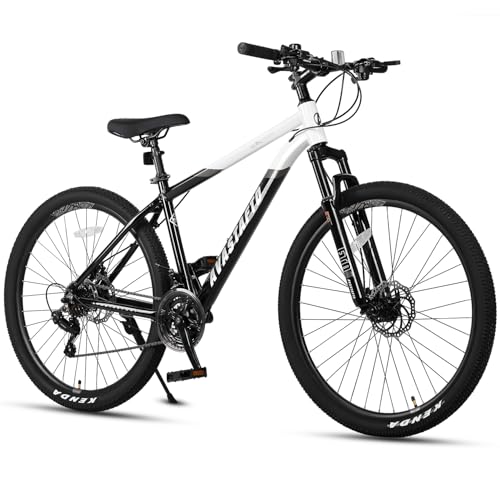


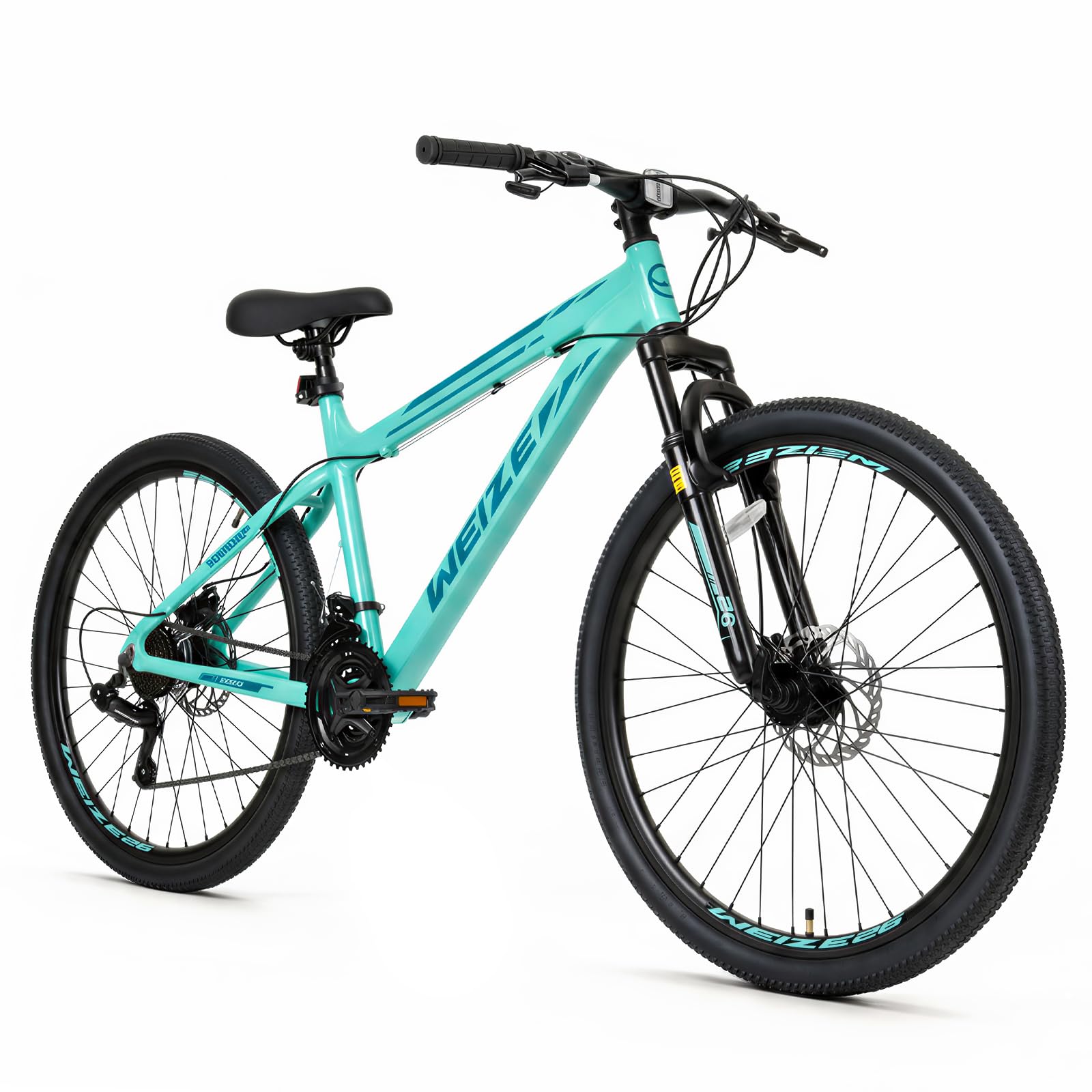

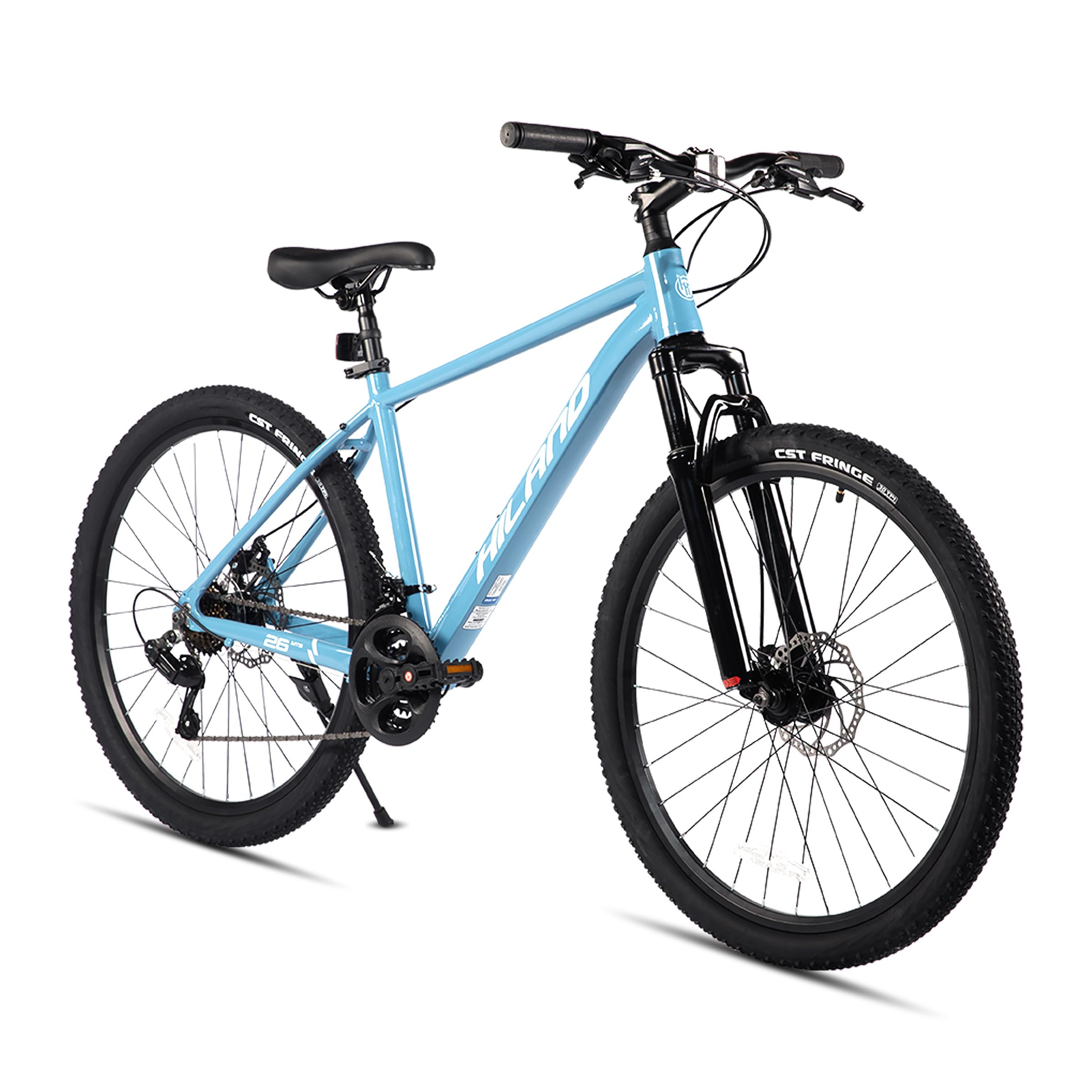

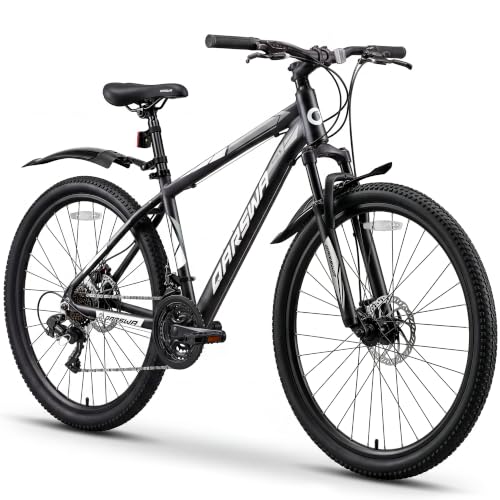
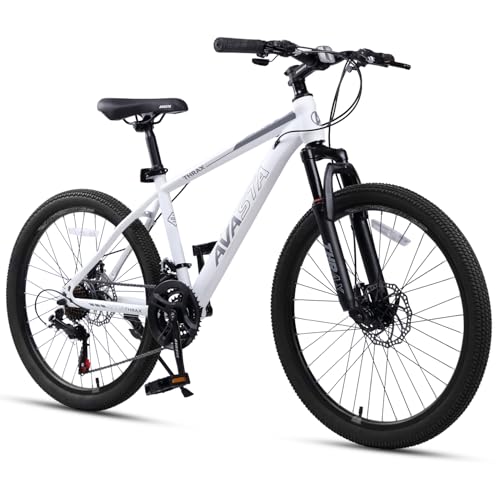
Price Tiers at a Glance
Rather than chasing named models, judge any bike against the tier profiles below. Prices shift with sales, but each tier has a stable component pattern, and that pattern is what you feel on the trail. If a bike charges an upgrade tier price while carrying entry tier brakes, keep looking.
Best Overall Tier
Bikes in this tier, usually around $700 to $1,000, pair an aluminum hardtail frame with an air spring fork, hydraulic disc brakes, and a wide range 1x drivetrain. Fit details are better here too, with narrower handlebars, shorter reach options in small sizes, and saddles shaped for women. This tier suits riders who plan to ride trails weekly and want components that last beyond one season.
Best Value Tier
Value tier bikes, around $450 to $700, keep the essentials and trim the extras. Expect a coil spring fork, hydraulic brakes on the stronger examples, and an 8 or 9 speed drivetrain with a wide enough low gear for most climbs. This is the smartest tier for newer riders still learning which trails they love. Avoid models here that use mechanical disc brakes if your trails involve long descents.
Best Upgrade Pick Tier
Upgrade tier bikes, around $1,000 to $1,500, add a lighter air fork with better damping, stronger brakes, tubeless ready wheels, and sometimes a dropper post. The ride feels calmer at speed and climbing gears get lower. Choose this tier if you already ride and know your size, since the gains are refinement rather than basics. Riders comparing the whole budget field can browse our general guide to the best affordable mountain bike options.
How to Choose the Best Mountain Bikes: Buying Guide
What You Can Realistically Get on a Budget
Around $400 to $700 buys a genuine trail capable hardtail with an aluminum frame, disc brakes, and gearing that covers real hills. Around $700 to $1,200 adds air forks, hydraulic brakes as standard, and tubeless ready rims. Full suspension at honest quality rarely starts below about $1,200 to $1,500, and very cheap full suspension bikes usually carry heavy frames and forks that perform worse than a good hardtail.
Do not spend your whole budget on the bike alone. A helmet, a floor pump, a spare tube, and basic tools are part of the real purchase price.
What Women Should Look For
Fit is the women specific issue that matters most, because average proportions differ: many women have shorter torsos and arms relative to leg length, narrower shoulders, and smaller hands. Look for reach figures that suit your torso, handlebars around 720 to 760 mm wide that can be trimmed, and brake levers with reach adjustment so smaller hands can brake with one or two fingers comfortably.
Saddle shape deserves real attention, since width and cutout design decide comfort on longer rides, so plan a swap if pressure or numbness appears. For more on women focused geometry, see our guide to the best women mountain bike designs.
Bike Type and Riding Style
Match the bike to your trails. Cross country bikes favor light weight and efficient climbing for smoother, faster routes. Trail bikes, with slacker angles and around 120 to 140 mm of fork travel, are the most versatile choice for mixed terrain. Enduro bikes add travel and strength for steep descents but feel heavy and slow on gentle paths, and they stretch an affordable budget thin.
If most of your riding is gravel roads and smooth park paths, a gravel or hybrid style bike may serve you better, since unused suspension still adds weight, cost, and maintenance.
Motor, Battery, and Range (for E Bikes)
Electric help changes the budget picture, so judge it separately. Hub motors cost less and feel like a push from behind, while a mid drive motor sits at the pedals, balances better, and climbs more naturally. Battery size is quoted in watt hours, written as Wh, and around 400 to 625 Wh covers most trail days, with range depending heavily on assist level, rider weight, and climbing.
Class 1 e bikes assist only while you pedal, up to 20 mph, and are allowed on the most trails, while class 2 and class 3 models face more restrictions. Check that any battery and charger carry proper safety certification, and see our guide to the best affordable e mountain bike if electric help is your main plan.
Frame Material and Geometry
Aluminum dominates this price range because it delivers a light, stiff, corrosion resistant frame at a fair cost. Steel feels smooth and repairs easily but weighs more, while carbon fiber saves weight yet rarely appears at honest quality in this budget. Geometry shapes handling: a slacker head angle feels stable downhill, a steeper one feels nimble on climbs, and reach tells you how roomy the bike feels when you stand on the pedals.
Use the maker size chart with your height and inseam, then check standover height, since you should clear the top tube when standing over the bike. When between sizes, most trail riders prefer the smaller frame for control.
Drivetrain and Gearing
A 1x drivetrain, with a single front chainring and a wide range cassette, is the modern standard for good reason: shifting is simple, the chain stays on better, and there is one less lever to think about mid climb. Look for a low gear pairing such as a 30 tooth chainring with a 51 tooth largest cog if your terrain is steep, because spinning a gentle gear saves knees and energy.
Older 2x setups still work and can cost less, but front shifting under load is clumsier. Either way, confirm that replacement cassettes and chains are common sizes that shops stock.
Types of Mountain Bikes
Kids' Bikes
Kids and youth bikes use smaller wheels, very low standover, and simple gearing sized for young riders. A petite adult should not buy one as a cheap shortcut, because cranks, reach, and weight limits are designed for children. Teenagers who outgrow youth sizes are better served by the smallest adult frame with a proper fitting.
Hardtail Mountain Bikes
A hardtail has suspension only at the front, which keeps it lighter, cheaper, and easier to maintain than a full suspension bike. It climbs efficiently and teaches clean line choice, and at this budget it is almost always the best value. The limit shows on rocky descents, where your legs become the rear suspension.
Road and Gravel Bikes
Road and gravel bikes use drop bars, narrower tires, and no suspension, which makes them fast on pavement and dirt roads but unforgiving on real trails. They suit riders whose off road riding means rail trails and farm roads. If your routes include rocks, roots, or steep loose climbs, stay with a mountain bike and its wider tires and lower gearing.
Electric Mountain Bikes
An electric mountain bike adds a motor and battery to a trail frame, flattening climbs and extending range for riders returning from injury, riding with faster friends, or short on time. Expect more weight, higher prices, and extra care around charging and storage. Trail access rules vary by park and class, so verify local rules before buying.
Best Mountain Bikes for Specific Needs
Best Affordable Mountain Bike for Womens Fit Priorities
When sellers use the phrase best affordable mountain bike for womens in a listing, check whether the fit work is real or only paint. Real fit work means size runs that reach genuinely small frames, shorter reach per size, narrower bars, lighter fork tunes for lighter riders, and saddles in more than one width. Riders new to trails can narrow their search further with our guide to the best beginner mountain bike for women, which focuses on confidence building setups.
Setup and Care Tips
- Check tire pressure before every ride, since a few psi either way changes grip and comfort, and most trail riders land somewhere around 22 to 30 psi depending on tire width and weight.
- Set saddle height so your knee keeps a slight bend at the bottom of the pedal stroke, and mark the post with tape once it feels right.
- Clean and lube the chain every 100 to 200 miles, wiping off excess so it does not collect grit.
- Have a professional tune up yearly, or sooner if shifting skips or brakes squeal and feel weak.
- Charge e bike batteries at room temperature with the certified charger supplied, and store them partly charged during long breaks.
- Wear a properly fitted helmet on every ride, and stop and check with a doctor after any crash involving head impact or lasting pain.
Shoes change control more than most upgrades. Flat pedal shoes with grippy soles keep your feet planted, and our guide to the best mountain bike shoes for women explains fit and sole stiffness.
Mountain Bikes: Your Questions Answered
What makes mountain bikes for women different?
The useful differences are fit details rather than a separate kind of bike: smaller size runs, shorter reach, narrower handlebars, brake levers set closer to the bar, and saddles shaped for wider sit bones. The frame, wheels, and components work the same way as any mountain bike. A women labeled bike that only changes color offers nothing, so read the geometry chart before paying for the label.
Hardtail or full suspension for beginners?
A hardtail is the better first bike for most beginners, because it costs less, weighs less, and needs less maintenance while teaching good habits. Full suspension earns its price once your trails are rough enough that rear wheel traction limits your riding. At a fixed budget, a quality hardtail beats a cheap full suspension bike with a poor fork.
How much should I spend on my first bike?
Plan on about $450 to $900 for a first trail bike that stays enjoyable as your skills grow, plus a helmet, pump, and basic tools. Spending less often means brakes and gearing that frustrate you within months, while spending far more risks paying for features your trails never use.
What e bike class is legal where I live?
Rules vary by state, park, and trail system, so there is no single national answer. Class 1 pedal assist bikes enjoy the widest access to mountain bike trails, while throttle equipped and faster classes are often limited to roads and motorized routes. Check the land manager rules for the exact trails you plan to ride before buying, and look for posted signs at trailheads, since fines and closures do happen.
How far can an e bike go on one charge?
Most trail e bikes cover about 20 to 50 miles per charge, with the low end reflecting high assist, steep climbing, and heavier riders. Eco modes, smooth pedaling, and moderate terrain stretch range toward the top of that span. Treat maker range claims as best case figures, and size the battery to your longest planned ride with room to spare, because a flat battery turns an e bike into a very heavy regular bike.
Our Verdict
Fit first, then brakes, then gearing: that order will steer you well at every price in this guide. A hardtail with hydraulic brakes and a wide range 1x drivetrain covers most riders and most trails, and money left for a saddle that suits you beats money spent on cosmetic upgrades. Compare your finalists in the product table above before you decide. Chosen by fit and components rather than by color, the best affordable mountain bike for women is the one you will still love riding a year from now.