Best Affordable Motherboards 2026 Guide
Disclosure: We may earn a commission when you buy through links on this page, at no extra cost to you. As an Amazon Associate I earn from qualifying purchases. Learn more
Learn how to choose affordable motherboards, with chipset, socket, memory support, form factor, and upgrade advice for PC builders. Shop with confidence.
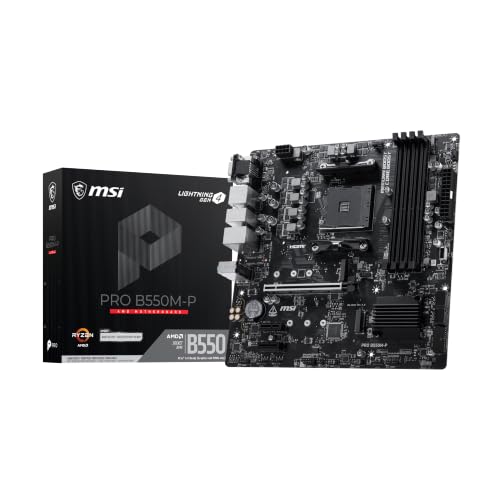
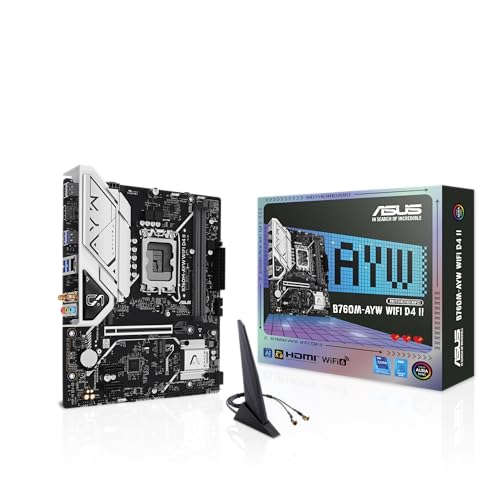
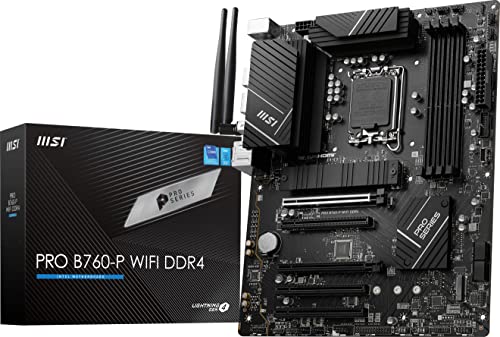
Choosing best affordable motherboards starts with compatibility, because the wrong socket or chipset wastes a whole build. The motherboard must match your processor, memory type, case size, and graphics card, and it should leave room for future upgrades. The comparison table below compares the main options, so you can weigh chipset, form factor, and features.
Affordable motherboards have closed the gap on premium boards for most users: they run the same processors, support fast storage, and offer solid connectivity. Premium boards add overclocking headroom, extra ports, and better cooling, which matter for enthusiasts but not for most everyday builds. Spend on the processor and graphics card first, and choose a board that supports them well.




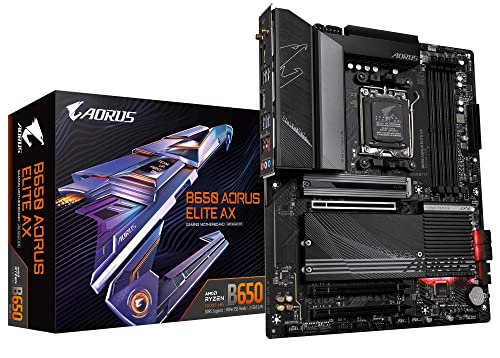

Who Should Buy an Affordable Motherboard
Affordable motherboards suit first time PC builders, office and home PCs, budget gaming builds, and family computers. They also suit upgraders replacing a failed board without rebuilding the whole system. If you overclock heavily or run many high speed drives and expansion cards, a mid range board with stronger power delivery may suit you better.
- First time builders
- Office and home PCs
- Budget gaming builds
- Family computers
Key Features That Matter Most
Socket and chipset decide processor compatibility, so confirm both against your chosen CPU before ordering. Memory support matters: check DDR4 or DDR5 type, maximum capacity, and speed support. Form factor must fit your case: ATX suits full towers, micro ATX balances size and expansion, and mini ITX suits compact builds with fewer slots.
Power delivery affects stability, especially with higher end processors, so look for adequate heatsinks on the voltage regulators. Storage options matter for modern builds: M.2 slots for fast NVMe drives, plus SATA ports for older drives. Rear ports for USB, audio, and networking should cover your peripherals without a hub.
Compatibility Checklist
Check processor socket and chipset, memory type and speed, case form factor, graphics card length and slot, power supply connectors, and cooler clearance. A board that fits the case but blocks the graphics card or cooler creates an avoidable rebuild. Read the maker CPU support list for your exact processor, including any BIOS update needed.
BIOS updates can add support for newer processors, but a board may need an older CPU to update, unless it supports USB BIOS flashback. If you buy a new processor with an older board, confirm flashback support or buy a board already updated. This single check saves many first build headaches.
Budget and Long Term Value
Affordable motherboards typically cost from about $80 to $150, with good value around $100 to $130 for solid power delivery and M.2 storage. Spending more buys better audio, more ports, stronger cooling, and Wi Fi, which may be worth it if you need those features. Avoid the cheapest boards for powerful processors, since weak power delivery can throttle performance.
Consider upgrade path: a board with four memory slots, two M.2 slots, and a current socket lasts longer than a board already at its limits. Keep the box, manual, and spare cables, since they help future upgrades and resale. A board chosen for compatibility today saves a rebuild tomorrow.
Common Mistakes to Avoid
The most common mistake is buying a board with the wrong socket for the processor, which cannot be fixed without a return. Another is ignoring memory type, ordering DDR5 for a DDR4 board. A third is choosing a board too large for the case. Use a compatibility checker and the maker support list before ordering, and double check every part.
Planning for Everyday Use
After building, update the BIOS and drivers from the maker site, and enable memory XMP or EXPO profiles for rated speeds. Keep airflow over the board, especially around power delivery heatsinks, and dust the case regularly. If the system becomes unstable, check memory seating and BIOS settings before assuming a faulty board.
Related Guides Worth Reading Next
For more on a related option, see our guide to best affordable motherboards for gaming for detail that complements this guide.
For more on a related option, see our guide to best looking motherboards for detail that complements this guide.
A Final Check Before You Order
Before you order, run through a compatibility checklist one final time: processor socket and chipset, memory type and speed, case form factor, graphics card slot and length, power supply connectors, and cooler clearance. A single mismatch can stall a build for days while parts are exchanged. Use a parts compatibility tool plus the maker support list for certainty.
Check BIOS support for your exact processor, including whether an update is needed and whether the board supports USB BIOS flashback. If you pair a new processor with an older board without flashback, you may need an older processor just to update. Confirm this before ordering, not after parts arrive.
Finally, think about future upgrades: spare memory slots, a second M.2 slot, and a current socket extend the board useful life. A board that already maxes out on day one will force an earlier rebuild. Spending a little more now for expansion room often saves money later.
Caring for Your Motherboard Over Time
Keep the case clean and airflow unobstructed, since dust and heat affect stability more than most builders expect. Update BIOS and drivers cautiously, only when an update adds needed support or fixes a known issue, and follow maker instructions exactly. A failed BIOS update can disable a board, so never interrupt one.
If the system becomes unstable, reseat memory and expansion cards, check power connections, and test with minimal parts before assuming board failure. Many instabilities trace to memory settings or a loose cable. Keep the manual and spare cables, since they help future upgrades and troubleshooting.
Frequently Asked Questions
How do I know if a motherboard fits my CPU?
Check the socket type and chipset against your processor on the maker CPU support list. Socket must match exactly, and chipset must support that processor generation. A compatibility checker can help, but the maker list is the final authority, including any BIOS version needed.
DDR4 or DDR5 motherboard?
Choose by processor and budget: DDR5 offers higher speeds and future headroom, while DDR4 offers lower cost and wide availability. The board and memory type must match, since DDR4 and DDR5 slots differ. For a new budget build, DDR5 makes sense if the price gap is small.
What size motherboard should I buy?
ATX suits full towers with many expansion cards, micro ATX balances size and slots for most builds, and mini ITX suits compact cases with fewer slots. Match the board to your case size first, then check expansion needs. A larger board in a small case simply will not fit.
Do affordable motherboards support gaming?
Affordable motherboards support gaming well when paired with a suitable processor and graphics card, since gaming performance depends mostly on those parts. The board must provide a full speed graphics slot and stable power. Premium boards add features, but they rarely raise frame rates alone.
What is BIOS flashback?
BIOS flashback lets you update the BIOS from a USB stick without a processor installed, which helps when a board needs a newer BIOS for a new CPU. It is valuable for first time builders pairing new processors with older boards. Check for a flashback button and USB port before buying if you need it.
What is VRM and why does it matter?
VRM stands for voltage regulator module, and it converts power supply voltage to the precise voltage your processor needs. Stronger VRMs with good heatsinks deliver stable power to powerful processors, while weak VRMs can throttle performance under load. For high end processors, VRM quality matters more than extra ports.
How many M.2 slots do I need?
One M.2 slot suits a basic build with a single fast drive, while two slots allow a separate drive for games or projects later. Most affordable boards offer one or two slots. If you store large games or video projects, two slots give useful expansion without replacing the first drive.
Does motherboard brand matter?
Motherboard brand matters less than chipset, power delivery, BIOS quality, and support for your parts. Major makers all offer solid affordable boards. Compare specific models on features, reviews, and warranty rather than choosing by brand loyalty alone.
Should I buy a motherboard with built in Wi Fi?
Built in Wi Fi saves buying a separate adapter and keeps a slot free, which suits rooms far from the router. If you use wired ethernet, Wi Fi adds little value. Compare the price gap: if built in Wi Fi costs little extra, it is handy future proofing for a later move.
Final Thoughts
The best affordable motherboards are the ones that match your processor, memory, and case without paying for features you will never use. Check compatibility carefully, favour solid power delivery, and leave room for upgrades. The product table above helps you compare the strongest budget boards. Take time with this final check, since a careful choice now avoids returns and disappointment later, and it ensures the option you buy genuinely fits your room, routine, and budget.