
Best Affordable Microsoft Laptops: Every Type Explained Side by Side for 2026
Disclosure: We may earn a commission when you buy through links on this page, at no extra cost to you. As an Amazon Associate I earn from qualifying purchases. Learn more

Pros and cons, ideal users and price range for the best affordable microsoft laptops, explained to help you pick the right style.
Choosing among best affordable microsoft laptops feels confusing because the word affordable covers very different machines. Some are thin and light for travel, some cut corners to hit a low price, and some add graphics power for games. This guide compares each type side by side so you can match the type to your daily work first.
You will learn what each type does well, where it struggles, and what specs actually matter at this price. Use the comparison table below to see the types at a glance, then read the sections that fit your routine.


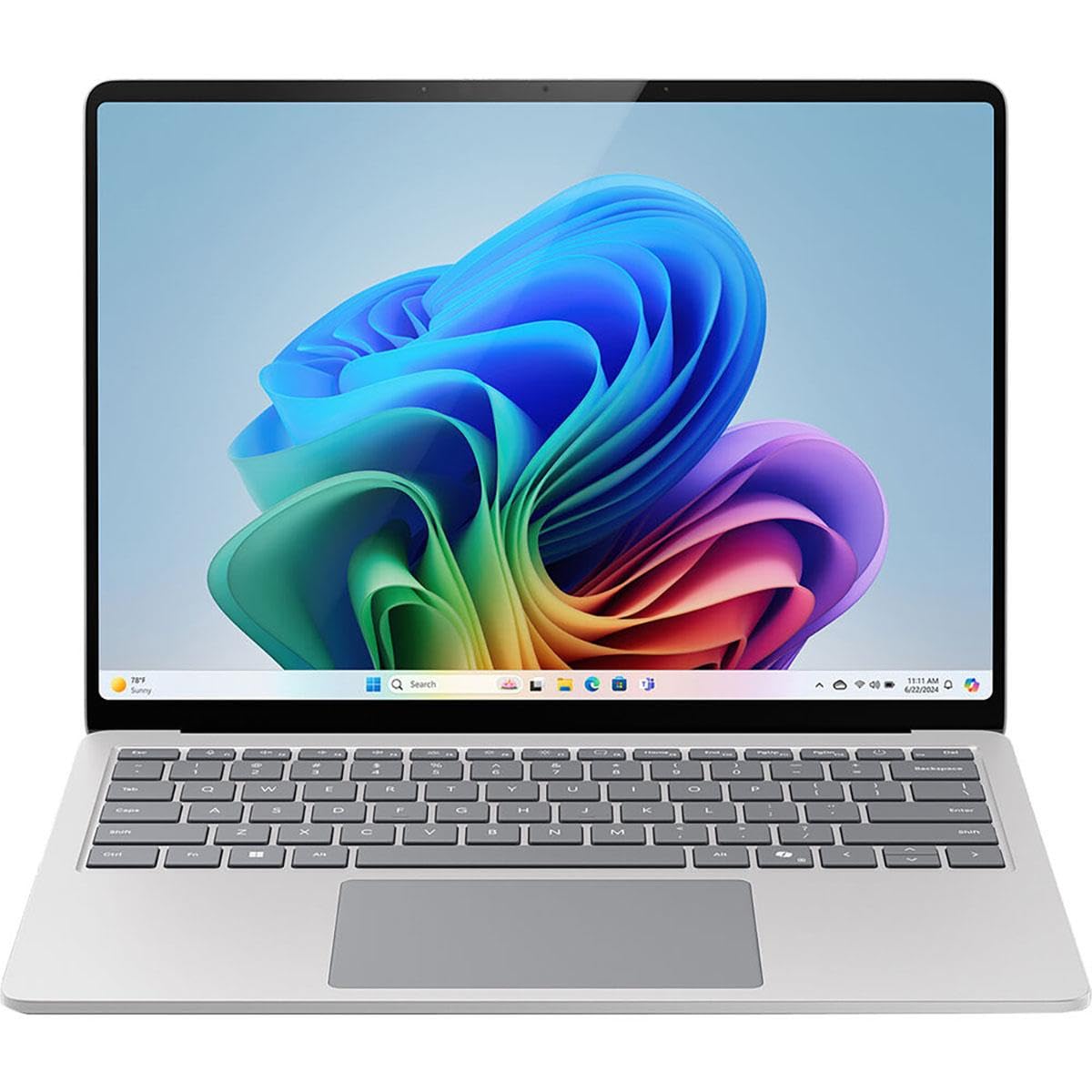


Types of Microsoft Laptops Compared
Microsoft laptops in this budget range run Windows and come from many makers, plus the Microsoft Surface line itself. Prices usually run from about $300 to $900, and the type you choose matters more than small spec differences. A daily writer, a student, and a casual gamer need three different machines even at the same price.
Ultraportables
Ultraportables are thin laptops built for carrying, usually under 3 lb with screens around 13 to 14 inches. They use efficient processors, solid state storage, and metal or sturdy plastic bodies. Battery life is their strength, often lasting a full workday of documents, browsing, and video calls.
The trade off is performance and ports. Cooling space is limited, so heavy video editing and gaming run slowly, and you may get only two or three ports. Choose this type if you move between rooms, classes, or coffee shops and value light weight and quiet fans over raw speed.
Budget Laptops
Budget laptops focus on the lowest workable price, often about $300 to $550, with 15 inch screens and plastic bodies. They handle email, web browsing, school platforms, and streaming without trouble. Displays and speakers tend to be basic, and keyboards can feel flexible.
These machines suit a shared family computer, a first laptop for a student, or a backup device. Check storage carefully, because small drives fill fast with Windows updates and photos. If you want a broader view of this tier, see our guide to the best and affordable laptops for how makers balance price and parts.
Gaming Laptops
Gaming laptops add a dedicated graphics chip, stronger cooling, and higher refresh rate screens. In the affordable range, around $700 to $900, they play popular titles at medium settings and also speed up video and photo work. They are heavier, often 4 to 6 lb, and battery life drops to a few hours away from the charger.
Pick this type only if games or graphics work are a real weekly need. For guidance on that narrower category, read about best gaming laptops affordable shoppers compare before buying. Everyone else usually gets better battery and lower weight by skipping the graphics chip.
Ultraportables vs Budget Laptops: Which Should You Choose?
Compare these two types on five points. For portability, ultraportables win clearly on weight and thickness. For screen size per dollar, budget laptops win, since a larger panel costs less in a thicker body. For battery life, ultraportables usually last several hours longer because their parts use less power.
For build quality, ultraportables feel firmer and their hinges and keyboards hold up better over years of travel. For price, budget laptops cost less up front, though a very cheap model replaced sooner can cost more over time. If the laptop leaves home daily, lean ultraportable. If it sits on one desk for light tasks, a budget model is the sensible spend.
How to Choose the Right Microsoft Laptop
Start with your three most common tasks and let them set the specs. Web and office work need modest power, while photo editing, coding, and games raise the bar. The sections below translate common listing terms into plain buying decisions.
Battery Life in Real World Use
Maker ratings assume dim screens and light tasks, so expect less in real use. Video calls, bright screens, and many open tabs can cut a 12 hour battery claim to about 7 or 8 hours. For a full day away from outlets, look for ratings of 10 hours or more.
Fast charging through USB C helps when you forget to charge overnight. A short charge during breakfast can add several hours. Carry the charger weight in your total too, since a heavy brick cancels some of the benefit of a light laptop.
What You Can Realistically Get on a Budget
Around $400 to $600, expect a capable processor for office work, 8GB of RAM, and a 256GB SSD in a plastic body. Screens at this level are usually 1080p, which looks sharp enough for text and video. What gets cut is speaker quality, webcam clarity, and premium materials.
Do not save money by accepting a spinning hard drive or only 4GB of RAM. Those two cuts make Windows feel slow every single day. Spend first on memory and storage, and accept a simpler finish or fewer ports instead.
Weight and Portability
Under 3 lb is the sweet spot for students and commuters who carry a laptop all day. Between 3 and 4 lb still works for short trips between home and office. Above 4 lb, most people leave the machine at home, which defeats the point of a laptop.
Measure your bag before buying, including the charger pocket. Thin models that resemble notebooks are covered in our guide to the best notebook laptops, which explains size classes in detail. Also check that the lid opens with a firm hinge, since wobbly lids annoy during travel.
RAM and Storage
Treat 8GB of RAM as the minimum for Windows today, and choose 16GB if you keep many tabs open or edit photos. More memory keeps the laptop smooth as software grows over the next few years. If memory is soldered and cannot be upgraded, that choice matters even more.
For storage, an SSD is essential because it makes boot times and file opening fast. A 256GB SSD suits cloud based work, while 512GB is safer for offline files, games, and large photo libraries. Avoid 64GB or 128GB drives unless almost everything you own lives online.
Processor and Performance Tier
The processor sets the speed ceiling. Entry chips handle browsing, documents, and streaming well. Mid range chips from recent Intel Core and AMD Ryzen families add headroom for light editing, spreadsheets with large data, and casual coding. Top tier chips in this price range appear mainly during sales.
Match the tier to your hardest weekly task, not your hardest yearly task. A laptop that edits one video a year slowly is fine. A laptop that stutters during daily calls is not, even if it was cheap. For the full range beyond budget limits, see the best microsoft laptops guide for context on higher tiers.
Tips to Get the Most From Your Microsoft Laptop
Keep the operating system and firmware updated, since updates fix battery drain and security issues. Avoid leaving the battery at 100 percent charge all the time if the laptop lives plugged in, and use any built in charge limit setting your maker offers. That habit slows battery wear over years.
Use a padded sleeve when commuting, even inside a backpack, to protect corners and the screen. Practical know how: set up a weekly backup to an external drive or cloud folder on day one, before files pile up. Also clean the fan vents with short bursts of compressed air every few months to keep cooling quiet and effective.
Frequently Asked Questions
Is a Chromebook enough for school?
A Chromebook is enough for school only when all classes run in a browser. Many schools use web based homework, email, and video calls, which Chromebooks handle well at low prices. But if a course requires Windows software, offline apps, or specific exam tools, choose a Windows laptop instead. Students comparing options should also read the best affordable laptops for students guide before deciding.
How much RAM do I need in a Microsoft laptop?
You need 8GB at minimum, and 16GB is the safer choice for most buyers. With 8GB, Windows plus a browser and office apps run fine, but heavy multitasking can cause slowdowns. With 16GB, you can keep calls, tabs, and documents open together comfortably. Since many thin models cannot be upgraded later, buying more memory now extends the useful life of the machine.
Is a dedicated GPU worth it in a budget laptop?
A dedicated GPU is worth it only if you play games or use graphics heavy software each week. It raises price, weight, and heat while cutting battery life. For office work, streaming, and school, integrated graphics are plenty and leave more budget for memory and a better screen. Decide based on your actual weekly software, not a game you might try once.
Should I buy a laptop or a tablet?
Buy a laptop if typing, file management, and multitasking are daily needs. A real keyboard, full Windows programs, and easier printing make school and office work simpler. Choose a tablet if you mostly read, watch video, draw, or take handwritten notes. Some buyers start with a laptop and add a cheap tablet later for reading, rather than forcing one device to do everything poorly.
How long should a Microsoft laptop last?
A Microsoft laptop should last about four to six years with normal care. Battery wear usually appears first, often after three or four years of daily charging. Performance stays acceptable longer when you start with 16GB of RAM and a 512GB SSD. Keeping storage below about 85 percent full and replacing the battery when runtime drops can add a useful extra year or two.
The Bottom Line
Choose the type first, then protect the basics: at least 8GB of RAM, an SSD, and battery life that fits your day. Ultraportables suit movers, budget models suit desk based light use, and gaming models suit players who accept extra weight. Compare your short list in the product table above before you buy.
The best affordable microsoft laptops are not the cheapest listings you can find. They are the ones whose type, memory, and battery match your routine so well that you stop thinking about the machine and just get your work done.


