
Best Affordable Laptops under 300: What Each Price Tier Delivers 2026
Disclosure: We may earn a commission when you buy through links on this page, at no extra cost to you. As an Amazon Associate I earn from qualifying purchases. Learn more

Best affordable laptops under 300: Three budget profiles show what a tight budget really delivers and which specs are worth protecting.
Shopping under $300 is less about finding a bargain and more about avoiding the wrong compromise. Two laptops can sit $80 apart and feel like machines from different decades. The best affordable laptops under 300 spend their limited budget on the parts you feel every day and cut the parts you will never miss.
This guide breaks the range into clear tiers, shows what each tier actually delivers, and points to the comparison table below so you can see how current models stack up at each price.

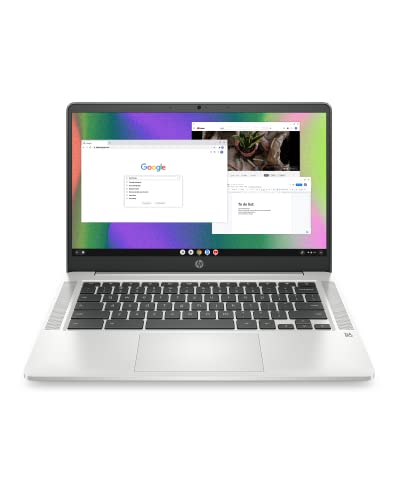
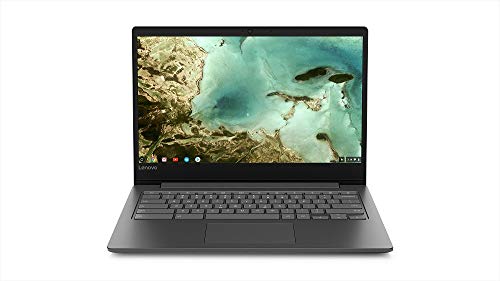


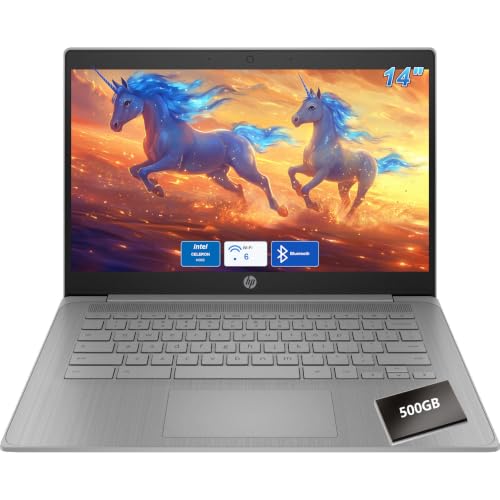
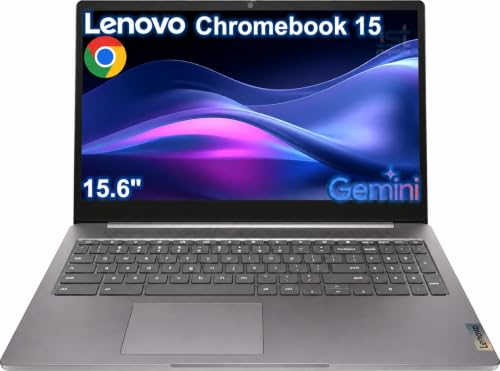

Three Profiles by Budget
Rather than naming winners, use these profiles to decide which tier deserves your money. The product table above shows models that match each profile.
The Budget Profile
Around $180 to $220 buys a basic machine for web browsing, email, documents, and video calls. Expect 4 to 8 GB of RAM, modest storage, and a plastic body. This tier suits a spare home laptop, a child first computer, or a dedicated writing machine. The limit to accept is speed: keep expectations to a few open tabs and one task at a time, and the machine will feel adequate rather than frustrating.
The Midrange Profile
Around $220 to $270 is where this market gets interesting. You gain 8 GB of RAM, a faster SSD, and often a brighter full HD screen. That combination handles school platforms, office documents, and streaming without constant waiting. For most buyers this tier is the sweet spot, because the step up from the cheapest models removes the daily annoyances while staying well under the cap.
The Premium Profile
Around $270 to $300, the top of this range, you may find a better processor, 256 GB of storage, a sturdier body, or a backlit keyboard. These details add up to a machine that stays pleasant in year three, not just month three. Buy this tier if the laptop will be your main computer. If it is a secondary device, the midrange profile usually serves you just as well for less.
What Your Money Gets You at Each Price Tier
Budget Tier: What to Expect
At around $150 to $220, most models are Chromebooks or entry level Windows laptops with basic processors and 64 to 128 GB of storage. Screens are often dimmer and smaller, and bodies are all plastic. They are honest tools for browsing and documents, but multitasking is limited and gaming is off the table. Treat this tier as a light duty device and it will not disappoint you.
Midrange Tier: The Sweet Spot for Most Buyers
At around $220 to $270, storage usually doubles, RAM reaches a comfortable 8 GB, and screens improve in both resolution and brightness. This is the tier where a laptop stops feeling like a compromise and starts feeling like a tool. Students and home office users on light workloads should start here. Our guide to the best laptops for under 300 compares this tier against slightly different priorities, such as screen size first shopping.
Premium Tier: When Spending More Pays Off
At around $270 to $300, spending more pays off in durability and storage rather than headline speed. Look for 256 GB SSDs, metal lids, and better keyboards. These machines also tend to hold driver and software support longer. If two models look equal on specs, the premium tier build quality is the tiebreaker that matters most over years of daily opening, closing, and carrying.
Best Affordable Laptops under 300: Features Worth Paying For (and Ones to Skip)
Operating System
ChromeOS is the low maintenance choice: fast updates, strong security, and great battery life, as long as your work lives in a browser. Windows costs more at this level but runs the full range of desktop programs, printers, and exam software. macOS does not exist at this price new. Decide by software, not by habit: list the three programs you use most and confirm each one runs well on the system you pick.
RAM and Storage
Eight gigabytes of RAM is the practical minimum for smooth browsing with several tabs, and 4 GB only makes sense on a Chromebook used lightly. For storage, insist on an SSD rather than slow flash storage where possible, and prefer 128 GB or more. Cloud storage can stretch a small drive, but it cannot fix a slow one. If a model offers a memory card slot, that is a cheap way to add document space later.
Processor and Performance Tier
At this price you will see entry level Intel and AMD chips and efficient ARM processors in Chromebooks. All handle documents and video, but they differ in patience: pages load a beat slower and big spreadsheets recalculate slowly. A newer entry chip beats an older midrange chip that runs hot. For school platform work, even the simplest current processor is fine, a point we expand in our guide to the best laptops under 300 for students.
What You Can Realistically Get Under $300
Realistically, under $300 buys a capable browsing and document machine, not a creative workstation. Expect integrated graphics, a 1080p screen on better models, and battery life of 7 to 10 hours on Chromebooks and less on Windows models. Do not save money by accepting a spinning hard drive or less than 64 GB of storage. Do save money by skipping touchscreens and fingerprint readers, which add cost without changing daily work.
If your needs creep past this ceiling, our guide to the best affordable laptops under 500 shows exactly what the next tier adds, mainly 16 GB of RAM and stronger processors.
Long Term Costs to Factor In
The sticker price is not the whole cost. Budget about $20 to $40 for a case or sleeve, about $30 to $60 if you want an external mouse and basic hub, and consider whether a one year warranty is enough for a machine a child carries daily. A replacement charger costs about $25 to $45, and keeping the original safe is cheaper. Electricity costs are tiny for laptops, usually a few dollars a year. The biggest hidden cost is time: a machine that is too slow gets replaced early, which is why the midrange tier often works out cheaper over three years than the cheapest tier bought twice.
Shoppers comparing near identical listings may also find our guide to the best laptops under 300 dollars useful, since it weighs warranty length and return policies alongside specs.
Laptops: Your Questions Answered
Can you get a good laptop under $300?
Yes, if good means reliable browsing, documents, email, and video calls. Under $300 you can get a smooth Chromebook or a modest Windows laptop that does everyday work without drama. Good does not mean fast for gaming, video editing, or heavy multitasking. Match the machine to light tasks and it will feel like money well spent rather than a compromise you fight daily.
How much RAM do I need?
Aim for 8 GB. It keeps a browser with ten tabs, a document, and a video call running smoothly at this level. Four gigabytes survives on a lightly used Chromebook but will reload tabs often. Sixteen gigabytes is rare under $300 and not necessary for the light workloads these machines target, so do not sacrifice storage or screen quality chasing it.
Is a Chromebook enough for school?
For most schoolwork, yes. Chromebooks run Google Classroom, Microsoft 365 web apps, research, and video calls well, and they update themselves quietly. The exceptions are courses needing installed Windows software, offline exam tools, or specialist science programs. A quick email to the school or a look at its device policy page settles this before you spend anything.
Should I buy a laptop or a tablet?
Buy the laptop for school and office work. A real keyboard, a trackpad, and full file management make homework and documents far easier. A tablet at this price is a media and reading device first, and its keyboard cases add cost while staying cramped. One exception: very young children often do better with a tablet simple touch interface for learning apps.
How long should a laptop last?
Plan on three to four years of light use. Chromebooks receive updates for many years from their release date, so check that date rather than the day you buy, since old stock can have a shorter support life. Windows models at this price stay useful while their modest processors age, which is another reason to buy the best tier you can afford now.
Is a dedicated GPU worth it?
No, and under $300 it is essentially unavailable in new machines anyway. Integrated graphics at this level handle video, casual browser games, and light photo viewing. Anyone who truly needs graphics power for gaming or 3D work should save toward a higher tier rather than hunting for a unicorn deal that will disappoint in every other area too.
Final Thoughts
Under $300, the winning formula is simple: 8 GB of RAM, an SSD, and the operating system your software needs. Spend into the midrange or top tier if this is your main machine, and use the product table above to confirm the specs before you buy. Chosen that way, the best affordable laptops under 300 deliver honest, useful service for years.


