
Best Affordable Laptops for Fashion Designers of 2026: Complete Buying Guide
Disclosure: We may earn a commission when you buy through links on this page, at no extra cost to you. As an Amazon Associate I earn from qualifying purchases. Learn more

A complete buying guide to the best affordable laptops for fashion designers, covering displays, RAM, storage and ports for design and studio work.
Fashion design lives on color and detail. A screen that shifts fabric tones, or a laptop that stalls with a large lookbook, can change real decisions about a collection. You need reliable color, enough memory for layered design files, and a machine light enough for studio, supplier, and client days. This guide to best affordable laptops for fashion designers explains exactly which specs protect your work and where a smart budget choice still performs beautifully.
Start with the product table below to see current options side by side. Then use the profiles and buying guide to match a laptop to your mix of sketching, pattern work, and presentation.


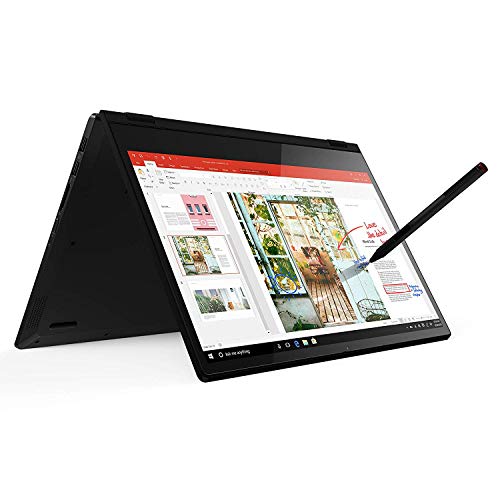
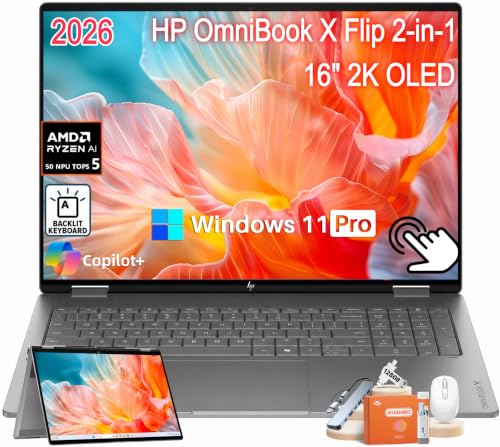
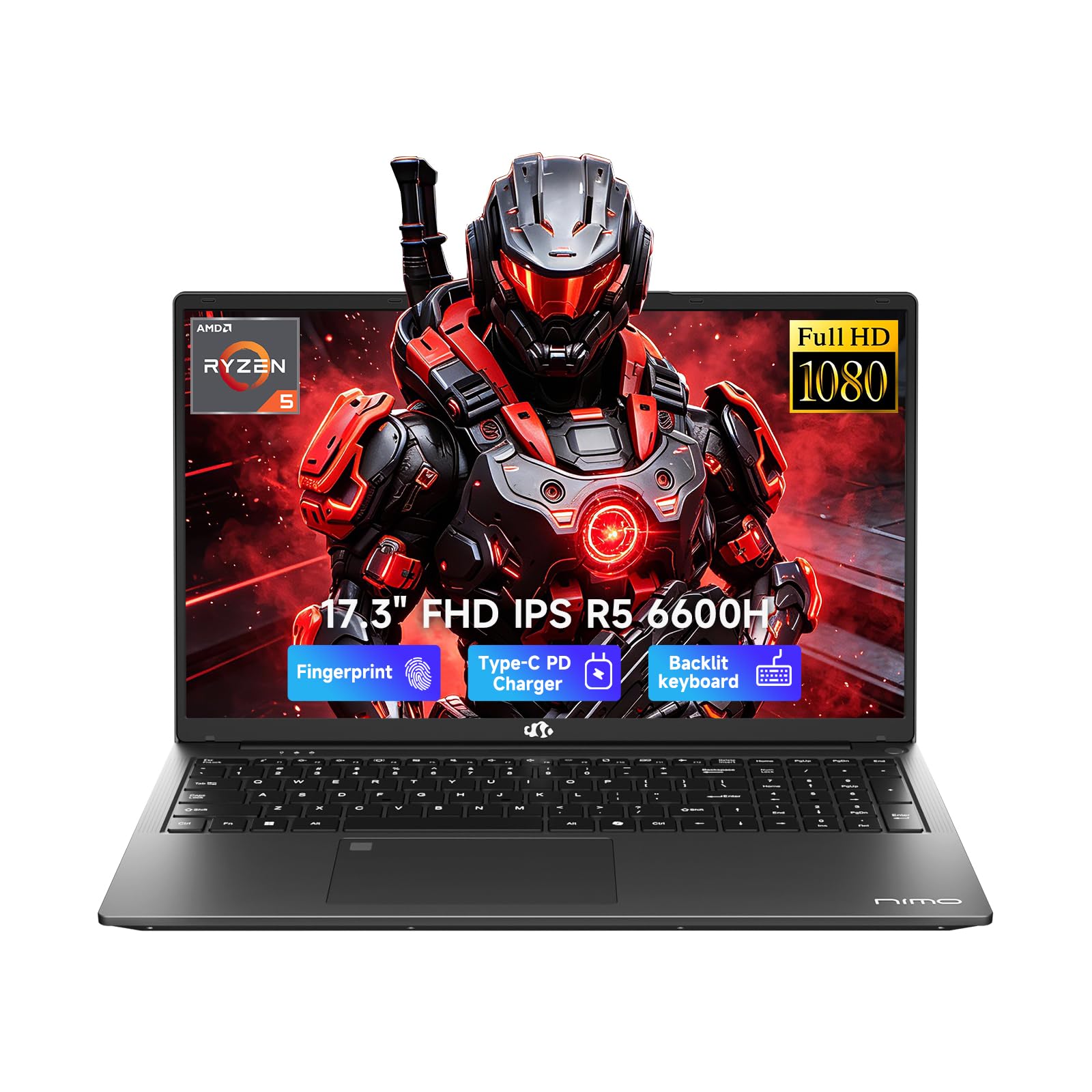


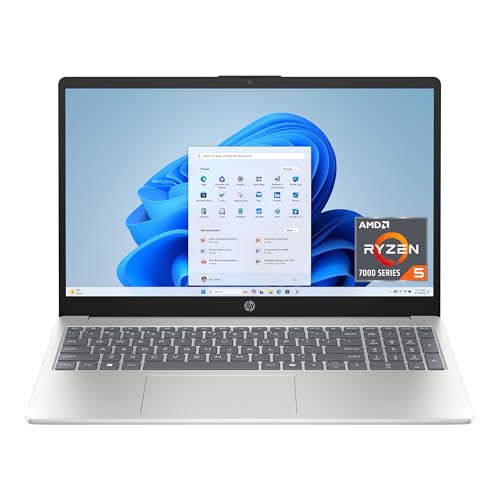

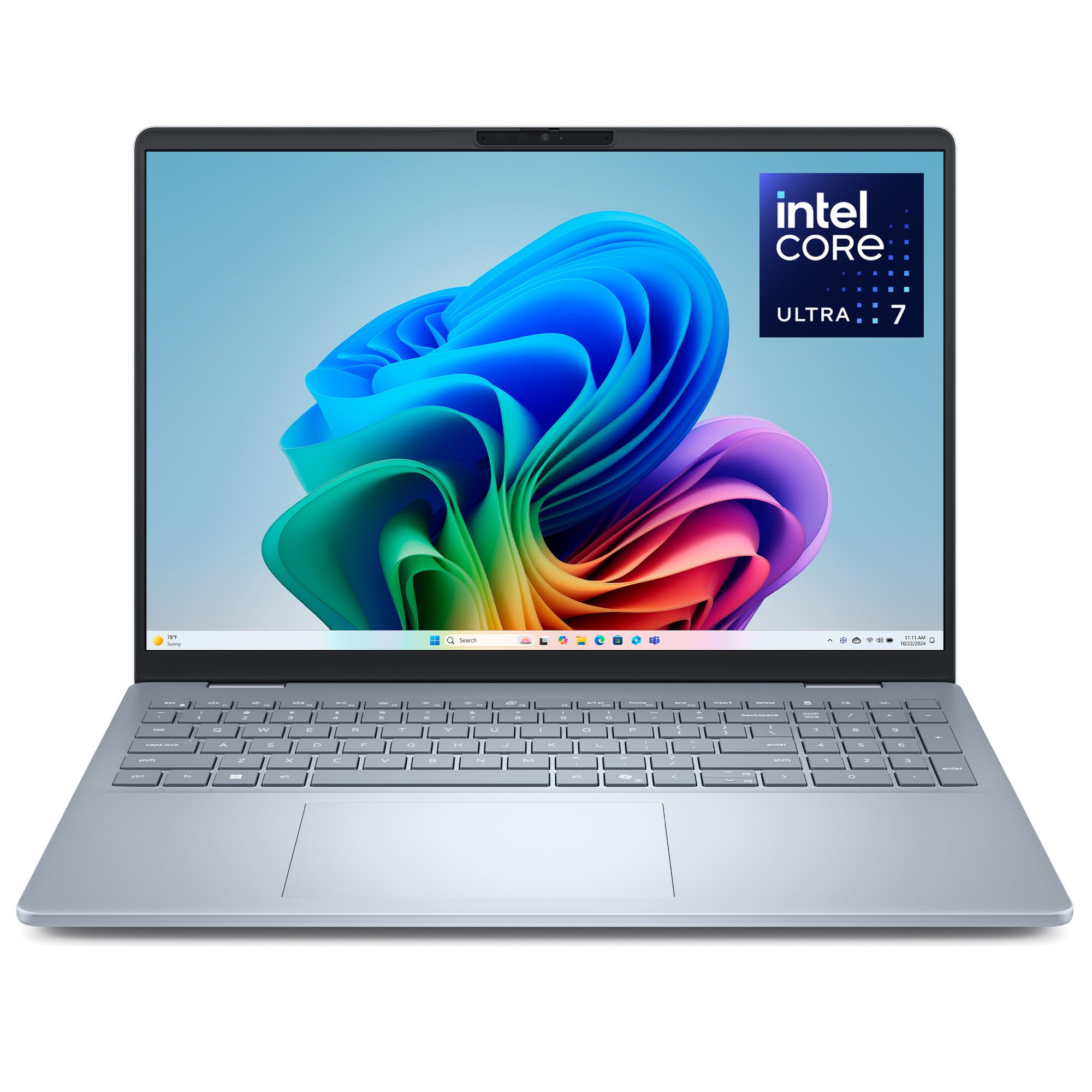
Three Buyer Profiles at a Glance
Profiles keep the choice honest. Each tier below names who it suits, what it does well, and the limit to accept, with prices kept approximate because offers change often.
Balanced Profile
The balanced tier, around $800 to $1,100, suits working fashion designers who present to clients and buyers. It offers a bright display with strong color coverage, 16 GB of RAM, and a 512 GB solid state drive, so tech packs, line sheets, and photo sets stay responsive.
The limit is graphics power for heavy 3D garment work, which needs a stronger tier. For illustration, pattern drafting, and photo based design, this profile feels dependable for years and travels well between studio and meetings.
Budget Profile
The value tier, around $600 to $800, suits freelance designers and advanced students. You still get a sharp screen and enough RAM for layered files, but bodies are often plastic and batteries smaller. Storage may start at 256 GB, so an external drive becomes part of the kit.
The strength is capable design work at a fair price. The limit is color range, which varies more at this level, so confirm display coverage in writing before you buy. A verified good screen beats a vague premium claim every time.
Beginner Profile
The starter tier, around $400 to $600, suits new students learning sketching, mood boards, and basic layout. Expect integrated graphics, 8 GB to 16 GB of RAM, and a screen that is fine for learning but not final color sign off.
The benefit is money left for software, a drawing tablet, or fabric and printing costs. The limit is growth room, since professional files and 3D tools will push this tier sooner. For wider context on designer needs, see our guide to the best laptops for fashion designers.
How to Choose the Best Affordable Laptops for Fashion Designers: Buying Guide
What You Can Realistically Get on a Budget
Around $600 to $900, you can expect a color decent display, smooth handling of design apps, and a full day of light studio work on one charge for many models. You will give up the slimmest metal designs, the widest color ranges, and top graphics speed.
Hold firm on display quality and RAM, because both shape every sketch review and client presentation. Save on storage size if you archive past seasons externally, or skip touch input if you draw with a separate pen tablet.
Features That Matter for Fashion Designers
Fashion designers judge color against physical fabric, so screen accuracy is not a luxury. Look for full sRGB coverage as a baseline and brightness around 300 nits or more for bright studios and showrooms. A matte finish helps under strong lights.
Pen support matters if you sketch garments on screen, so verify pen compatibility and pressure support for your drawing app. Fast storage keeps large photo shoots and scanned textile libraries quick to browse. Designers comparing adjacent categories can read our guide to the best affordable laptops for designers.
Processor and Performance Tier
The processor drives how fast filters apply, pages render, and files export for print or web. Recent midrange chips from the Intel Core Ultra, AMD Ryzen, and Apple M series families handle illustration and layout work well.
Choose more power if you build large tech packs, edit campaign video, or run 3D draping tools. For mostly 2D work, a midrange chip with 16 GB of RAM gives a better daily experience than a stronger chip paired with only 8 GB of RAM.
Graphics (Integrated vs Dedicated GPU)
Integrated graphics handle sketching, vector work, photo edits, and presentations without trouble, while using less power and keeping the laptop slim. That suits designers who move between locations all day.
A dedicated GPU helps with 3D garment simulation, motion content, and large video edits for shows and social campaigns. It adds weight, fan noise, and cost. Buy it for named tasks in your workflow, not as a general safety net, and let the savings fund a better screen otherwise.
RAM and Storage
Aim for 16 GB of RAM so design apps, browsers full of research, and music or chat tools can share the workspace smoothly. Eight GB is a floor for light student work only. Layered files and large photo sets quickly expose that limit.
Storage should be a solid state drive of at least 512 GB if you keep active collections, photo shoots, and font and texture libraries on the machine. Archive finished seasons to an external drive and cloud backup. That habit also protects you if the laptop is lost during travel.
Ports and Connectivity
Ports shape your presentation day. HDMI connects you to studio and client screens without fuss, while USB C with display output runs a desk monitor and charging through one cable. A card reader speeds up importing shoot photos.
Fast WiFi such as WiFi 6E or WiFi 7, where available, keeps cloud libraries and supplier file transfers moving. Bluetooth covers your mouse, pen tablet, and headphones. Count your weekly connections before you buy, because a missing port becomes a daily adapter hunt.
Types of Laptops
Chromebooks
Chromebooks are low cost, browser based laptops that suit research, email, mood boards, and writing. They start fast and need little upkeep. They fall short for full desktop illustration, pattern, and layout apps, and for offline work with large local libraries, so they work best as a second machine for fashion designers.
Budget Laptops
Budget laptops run full desktop systems at the lowest prices, giving you complete design app access per dollar. Some models allow memory or storage upgrades later. The trade offs are heavier bodies, dimmer base screens, and slower entry storage, so check display and RAM details with extra care in this group.
Ultraportables
Ultraportables are slim, light laptops built for travel between studio, campus, and client sites. They offer long battery life and quiet fans, with modern processors that handle 2D design work well. You pay more per level of performance, and graphics stay integrated on most models, which limits heavy 3D work. For general budget shopping, our guide to the best and affordable laptops adds useful context.
How to Make Your Laptop Last Longer
- Keep the operating system and firmware updated, because updates protect your collection files and fix known bugs.
- Avoid running at 100 percent charge all the time when a charge limit setting is offered, to slow battery wear.
- Use a padded sleeve when commuting, since bag bumps and pressure are a common cause of cracked screens.
- Clean vents with compressed air every few months so cooling stays effective during long exports.
- Back up each collection in two places, so a hardware failure never erases a season of work.
- Keep the screen clean with a soft cloth, because accurate color judging needs a clear, smudge free view.
Laptops: Your Questions Answered
What features matter most in laptops for fashion designers?
Display accuracy, RAM, and pen support matter most for fashion designers. Your screen must show fabric color honestly, and 16 GB of RAM keeps layered files smooth. One extra point is screen size for fittings and reviews, since a slightly larger display makes group sign off easier when you share one screen with a client or tutor.
How much RAM do I need?
Most fashion designers need 16 GB of RAM for comfortable work across design, photo, and browser research at the same time. It prevents the slowdowns that appear with large lookbooks and layered illustrations. Eight GB can serve early student projects, but plan an upgrade path or a sooner replacement if you start there.
Is a Chromebook enough for school?
A Chromebook is enough only if your fashion courses use browser tools for every project, including pattern and layout work. Most programs teach desktop design apps that need Windows or macOS. Ask your school for its software list and lab hours, because strong lab access can make a light personal laptop a workable plan.
Is a dedicated GPU worth it?
A dedicated GPU is worth it if you do 3D garment work, motion content, or frequent video editing for campaigns. For sketching, vector design, and photo work, integrated graphics are enough. Spend first on the display, because color accuracy affects every garment decision, while GPU speed helps only certain tasks.
How long should a laptop last?
A fashion design laptop should last about four to six years if you buy enough RAM and storage at the start. Style software evolves, but core design tools change slowly, so headroom pays off. The battery ages first, and a standard charger is cheaper to replace. Good backups make any eventual failure far less costly.
Should I buy a laptop or a tablet?
Buy a laptop as your main machine for full design apps, file control, and client presentations. A tablet is a strong companion for sketching and markup because pen input feels natural. Price any tablet with its keyboard and pen included, and confirm your main apps on it include the tools you actually use each week.
Final Thoughts
Put display accuracy first, then RAM and storage, then the graphics level your real tasks demand. Use the product table above to check current models against that order. The best best affordable laptops for fashion designers choice shows your colors honestly, carries easily to every meeting, and still feels ready when the next collection begins. Our broader guide to the best laptops for designers can help if your budget grows.


