
Best Affordable Laptops for Everyday Use: A Buying Guide for 2026
Disclosure: We may earn a commission when you buy through links on this page, at no extra cost to you. As an Amazon Associate I earn from qualifying purchases. Learn more

Compare the best affordable laptops for everyday use by processor, RAM, storage, display and battery life, with a clear checklist for daily tasks.
Everyday tasks rarely need raw power, but they do punish a slow, dim, or heavy laptop day after day. When you shop for the best affordable laptops for everyday use, the goal is a machine that opens fast, handles a dozen browser tabs, and stays comfortable through email, documents, video calls, and streaming.
Start by matching the laptop to your routine, then compare processor, memory, storage, screen, and battery before extras. The shortlist in the product table below follows that order, and you can also see our guide to the best everyday use laptops if your budget can stretch beyond the strictest price limits.

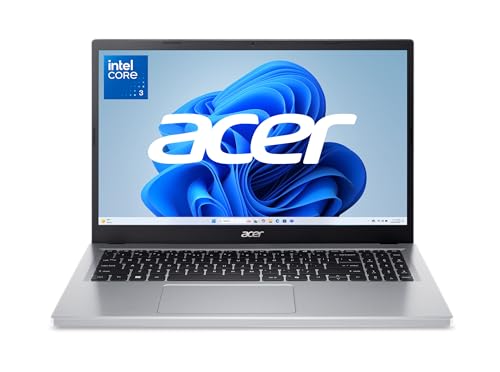
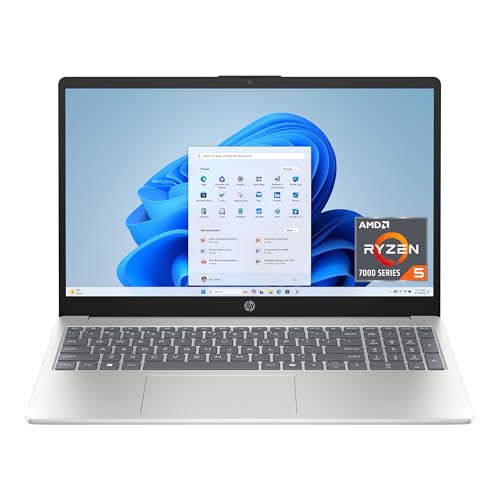
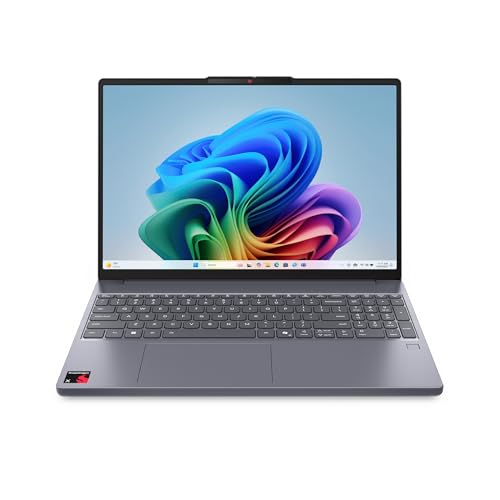


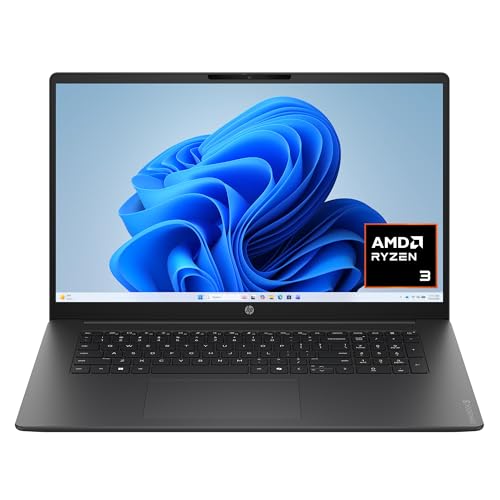


Who Should Buy the Best Affordable Laptops for Everyday Use?
Students Who Live in the Browser and in Documents
Course portals, shared documents, research tabs, and lecture video all run well on modest hardware, so students gain more from a bright screen and a light build than from extra graphics power. A laptop around 3 pounds travels easily between classes, and a battery that lasts a full school day removes the hunt for outlets. Choose 16 GB of memory if group projects keep many tabs open.
Home and Hybrid Workers on a Careful Budget
You need a clear camera, a clean sounding microphone, and a keyboard that stays comfortable through long writing sessions. A larger screen helps with spreadsheets, yet it adds weight you will feel if you move rooms often. If the laptop will mostly stay at one address, see our guide to the best affordable laptops for home use for models chosen around a fixed desk.
Families Sharing One Laptop for Everything
A shared family laptop faces school logins, photo sorting, bill paying, and weekend streaming, often under several user accounts at once. Storage fills faster in this group, so 512 GB is worth prioritizing over a slimmer design. A sturdy hinge and a spill resistant keyboard matter more here than peak speed, because the machine passes between hands and rooms every day.
Key Features to Compare
Processor and Performance Tier
The processor sets the pace for everything else, and daily work does not need the fastest tier. Recent entry level chips from the Intel Core and AMD Ryzen families handle browsing, office apps, and video calls with ease. Generation matters more than badge, because a newer budget chip often feels quicker and uses less power than an older premium one. Avoid very old processors in fresh looking bodies, since slow startup and short software support show up long before the machine wears out.
RAM and SSD Storage
Memory and storage shape how the laptop feels minute to minute. Choose 8 GB of RAM as a floor and 16 GB if you keep many tabs and documents open together. An SSD, short for solid state drive, makes startup and file searches feel instant compared with an old spinning drive. Pick 256 GB if most files live in cloud storage, and 512 GB for photo libraries and offline media.
Display Size, Brightness and Comfort
Screen size is a trade between desk comfort and carrying ease. A 13 or 14 inch display suits commuters and students, while a 15.6 inch model gives spreadsheets and split screen work more room. Look for full HD resolution as a minimum, since text stays sharp at these sizes, and aim for brightness around 300 nits so the screen stays readable near windows. An anti glare finish helps during long reading sessions.
Battery Life, Weight and Charging
Maker battery claims assume gentle use, so treat them as a ceiling rather than a promise. Real daily use with video calls, bright screens, and many tabs will land lower, often around 7 to 10 hours. Weight matters as a total, so add the charger to the listed figure before you judge a laptop for travel. USB C charging helps too, because one small charger can then serve your laptop, phone, and tablet.
Keyboard, Trackpad and Build Quality
You touch the keyboard and trackpad more than any other part, so small flaws here grow into daily irritation. Look for keys with steady travel and a layout that keeps the space bar and arrow keys full size. The trackpad should track smoothly without sticking, and clicks should feel even across the surface. Plastic bodies keep prices down, yet a metal lid or reinforced base flexes less in a bag and survives knocks better.
Ports, WiFi and Everyday Connections
Ports decide how easily the laptop joins gear you already own. One USB C port and one standard USB port cover modern drives and older accessories, while HDMI connects a monitor or TV without an adapter. WiFi 6 or newer keeps speeds steady on busy home networks, and Bluetooth handles wireless mice and earbuds. Count ports on devices you use weekly, since a missing card slot means carrying a hub.
Types of Affordable Laptops Compared
Chromebooks for Browser Based Days
Chromebooks run ChromeOS and center on web apps, cloud storage, and long battery life, often at the lowest prices in this category. They suit students and anyone whose work already lives in a browser. The limit is software, since full desktop programs may not run, so check your required apps before choosing one.
Standard Windows Laptops for the Widest App Choice
A standard Windows laptop runs the broadest range of everyday software, from office suites to niche work tools. Budget models trade slim design and premium materials for that flexibility. This is the safest default if you are unsure what programs you will need next year, because compatibility surprises are rare.
Tablets With Keyboards as a Light Alternative
A tablet with a detachable keyboard weighs less than most laptops and shines for reading, notes, and streaming. Typing long documents feels cramped, though, and file handling can be slower for school or office projects. Treat a tablet as a companion or light duty main device, not as a full replacement when you write and sort files daily.
Getting the Lowest Price Without Buying Twice
Best Inexpensive Laptops for Everyday Use
The cheapest listings earn their price by cutting the screen, memory, or storage, and those are exactly the parts you feel daily. When you compare best affordable laptops for everyday use at the lowest prices, hold three lines firm: 8 GB of RAM or more, an SSD rather than slow built in flash storage, and a full HD screen. Savings are safer on finish and speaker volume. If the laptop is mainly for one person, see our guide to the best affordable laptops for personal use for picks shaped around solo routines.
Common Mistakes to Avoid
- Buying 4 GB of RAM to save money leaves the laptop struggling with ordinary tab loads within the first year.
- Choosing a dim, low resolution screen makes every reading and writing session harder for the life of the machine.
- Judging weight without the charger can leave you carrying far more than you planned on every commute.
- Skipping a check of required school or work software can leave a Chromebook unable to run a program you must use weekly.
- Paying extra for a dedicated graphics chip you never use raises the price and cuts battery life for no daily benefit.
How to Make Your Laptop Last Longer
- Keep the system and browser updated, because updates close security gaps and often fix the slowdowns people blame on age.
- Use the laptop on battery sometimes instead of leaving it plugged in for months, because long stretches at a full charge can age the battery sooner.
- Carry the laptop in a padded sleeve, since corners and hinges take most of the damage from drops inside a loose bag.
- Clean the vents with short bursts of compressed air every few months, because dust buildup forces the fan to work harder and raises heat.
- Delete large downloads and keep some storage free, since a nearly full SSD has less room to manage files and can feel slower during updates.
Frequently Asked Questions
What features matter most in affordable laptops for everyday use?
The processor, memory, and screen matter most, in that order, for daily comfort. The best laptops for everyday use are balanced ones, not models with one headline spec and weak basics. One check many buyers skip is service life: choose a model whose maker still sells replacement chargers for its range, because budget laptops often end early over a lost or worn power brick.
How long should an affordable everyday laptop last?
About four to six years is a fair expectation for daily tasks if the battery and storage hold up. Software support sets the real limit, so check how long the operating system on that model will keep receiving updates before you buy. A fast laptop that loses security updates early is a poor bargain.
Is a Chromebook enough for school work on a budget?
Yes, a Chromebook is enough for school when classes run through a browser, shared documents, and video calls. The deciding check is the school portal itself, since some exam tools and science programs require Windows or a specific app. Ask the school for its app list before ordering.
Should I buy a laptop or a tablet for everyday tasks?
A laptop is the safer choice when typing, file sorting, and several open windows fill your day. A tablet wins for reading, handwritten notes, and couch streaming, especially with a pen. If you can own only one device for school or work, choose the laptop, since a mouse and keyboard rarely fix a tablet and its smaller screen.
Is a dedicated GPU worth it in an affordable everyday laptop?
No, a dedicated GPU is rarely worth it for documents, browsing, and streaming, and integrated graphics already handle light photo edits well. Pay for one only if you play modern games or edit long videos every week. If gaming is a real second job for this machine, see our guide to the best laptops for everyday use and gaming before you raise your budget.
Final Thoughts
Start with the screen, memory, and storage you will feel every day, then let price decide the finish and extras. The best affordable laptops for everyday use are not the cheapest listings; they are the balanced ones that still feel quick after years of updates. Compare your shortlist in the product table above and buy the model that fits your routine first.


