
Best Affordable Hunting Boots: Everything to Know Before Your First Purchase for 2026
Disclosure: We may earn a commission when you buy through links on this page, at no extra cost to you. As an Amazon Associate I earn from qualifying purchases. Learn more

Choosing the best affordable hunting boots? Compare fit, traction, waterproofing, and weight so your first pair works on real trails.
Best affordable hunting boots are not about finding the cheapest pair on the shelf. They are about finding a pair that fits well, grips uneven ground, and keeps your feet dry through a long morning outdoors. If you are shopping for your first pair, the choices can feel overwhelming. This guide walks you through the basics in plain language, so you can compare options with confidence using the product table.
A good budget pair will not do everything a high end pair does, but it can still cover the essentials. The trick is knowing which features matter most for the way you hunt, and which corners are safe to cut. Read on for fit advice, traction guidance, and the rookie mistakes that cause sore feet and wasted money.

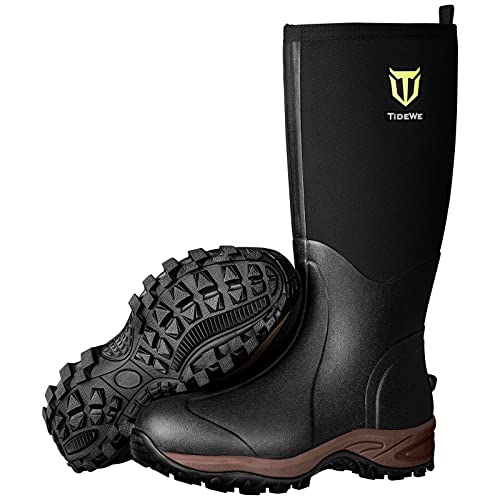

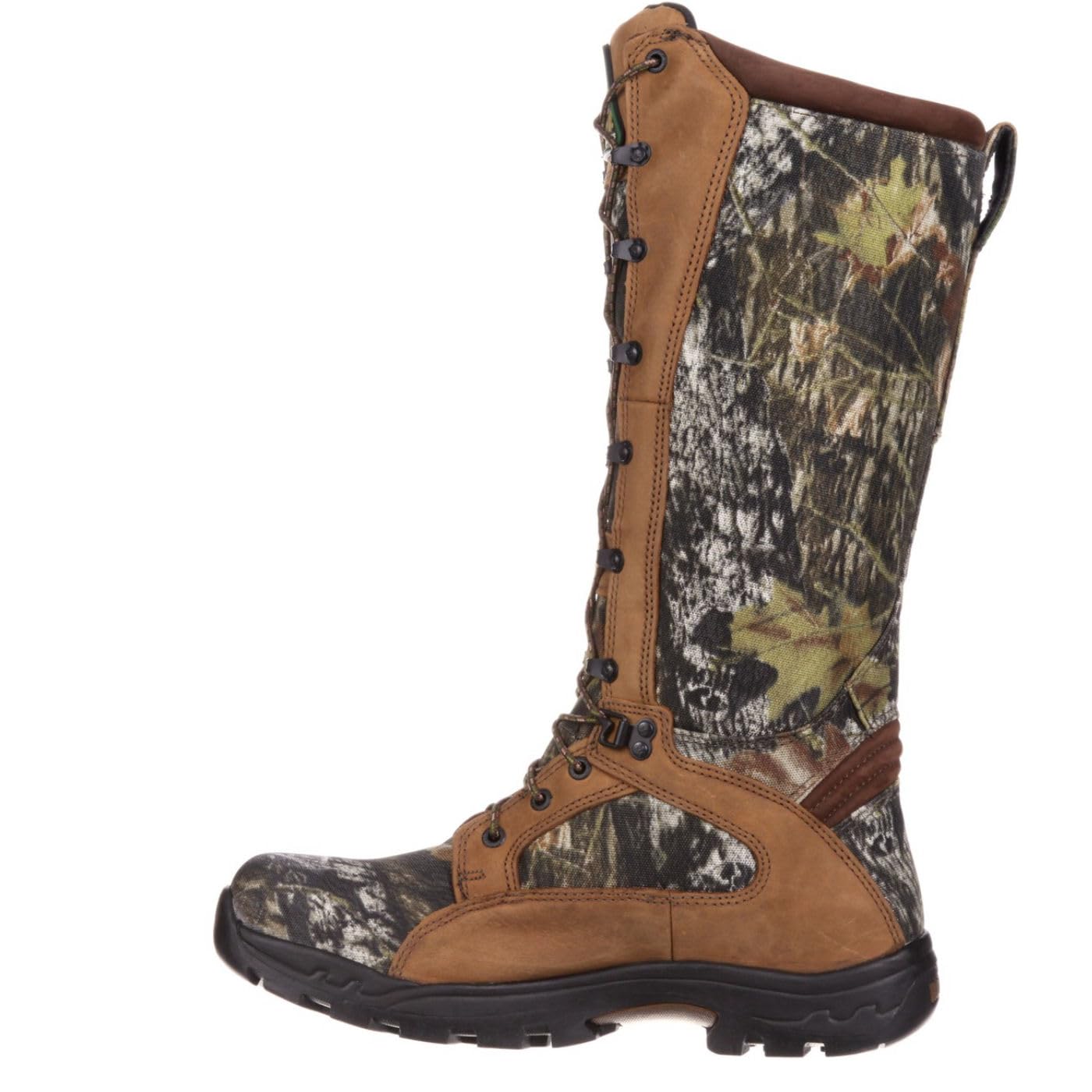
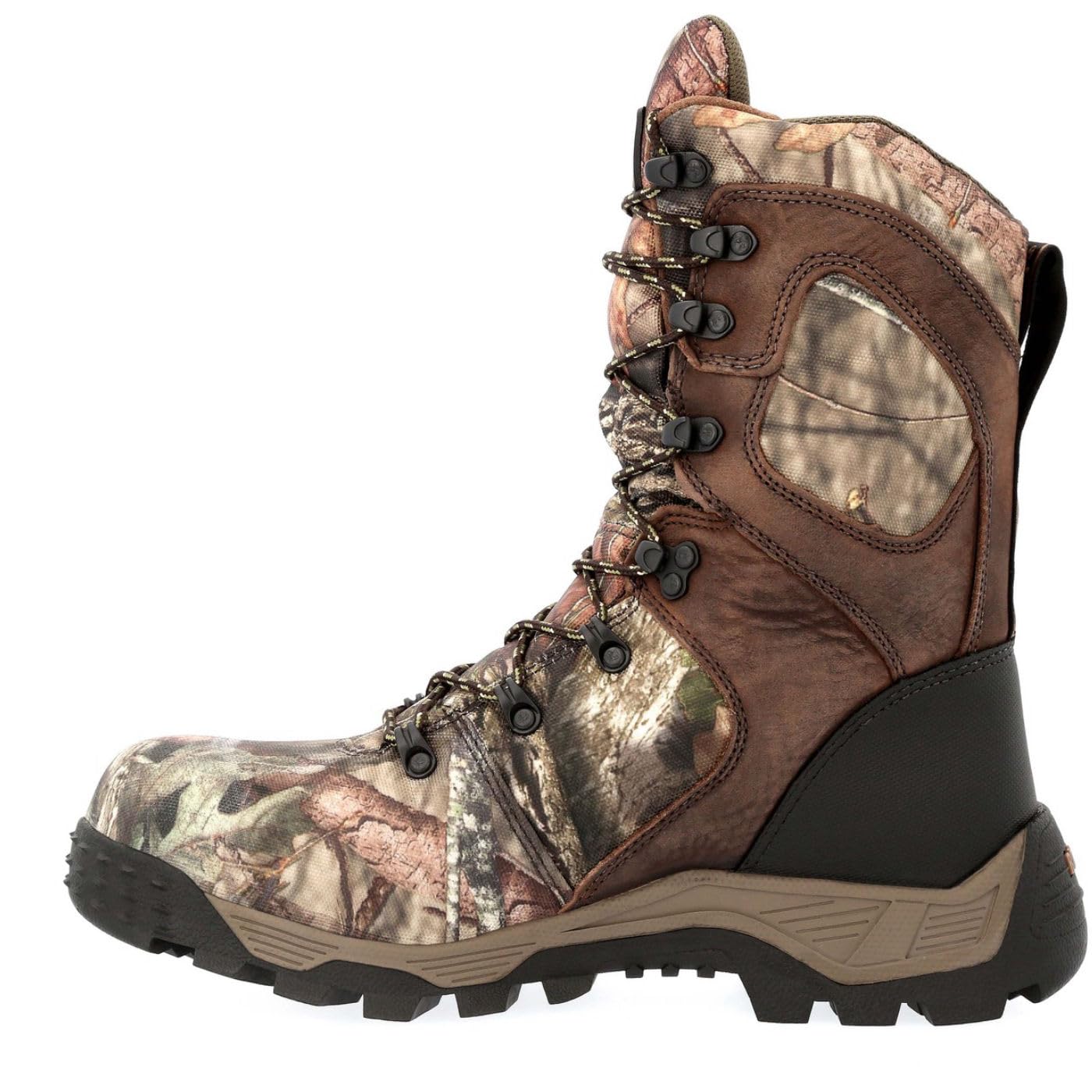
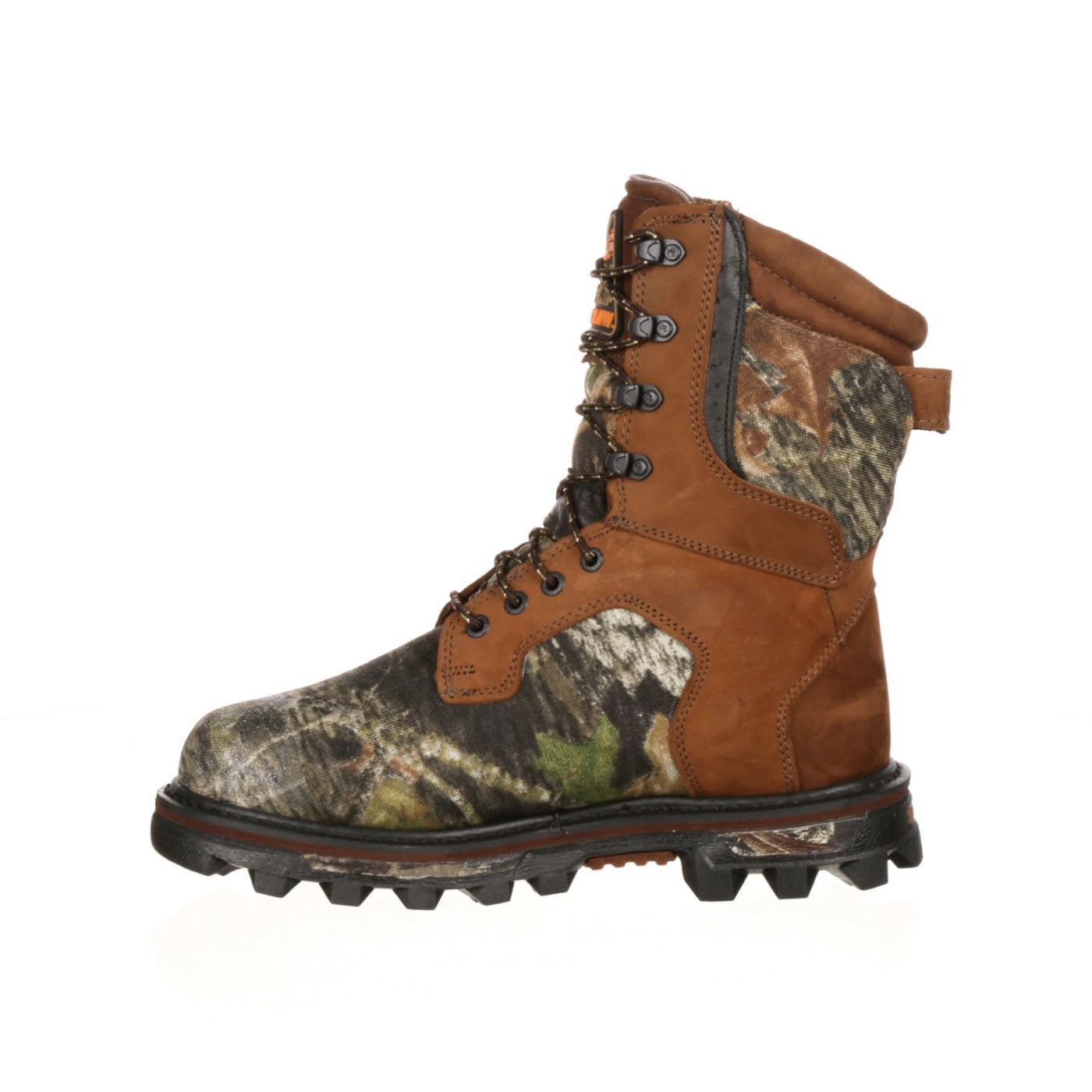


Hunting Boots 101: The Basics
A hunting boot is a tall, sturdy boot built for walking off trail, standing in wet grass, and carrying a pack over uneven ground. Unlike a regular hiking shoe, it usually has a higher shaft that supports the ankle, a thicker sole that resists punctures from sticks and rocks, and materials chosen to handle mud, water, and cold mornings. Some pairs focus on warmth, with thick insulation for late season sits. Others focus on lightness and breathability for early season walks in warm weather.
Before you compare prices, think about where and when you will hunt. A short, light boot works well for warm weather walks on dry trails. A taller, insulated boot suits cold mornings, deep mud, and long sits in a blind or stand. Your local terrain matters too.
Rocky ground calls for a stiff sole and strong ankle support. Soft, muddy ground calls for deep lugs that shed mud instead of packing it in. Matching the boot to your actual hunting conditions is the single best way to avoid disappointment.
Key Specs Explained in Plain English
What You Can Realistically Get on a Budget
At a budget price, expect solid basics rather than premium extras. You can usually get a waterproof membrane, a rugged rubber outsole, and decent cushioning for roughly $60 to $150. What you may give up is lighter weight materials, finer fit adjustments, and very thick insulation. A budget boot may also break in more slowly and may not last as many seasons as a pricier pair.
Do not skimp on fit or sole grip, since those two factors decide whether the boot is comfortable and secure on uneven ground. A cheaper pair that fits well will serve you far better than an expensive pair that rubs your heels raw.
Fit, Sizing, and Toe Box
Fit matters more than any other feature. Measure your feet in the afternoon, when they are slightly larger, and wear the socks you plan to hunt in. Your toes should have room to wiggle without sliding forward on downhill slopes, and your heel should stay put without lifting with each step. A roomy toe box helps on long walks, since feet swell during the day.
If you hunt in cold weather, leave a little extra room for thicker socks, but not so much that your foot slides around inside the boot. If you are torn between two sizes, try both with your hunting socks and walk around indoors for a while before deciding. For a broader look at how hunting footwear compares across price ranges, see our guide to best hunting boots alongside the budget options here.
Outsole Traction and Terrain
The outsole is the bottom of the boot, and its lug pattern decides how well you grip mud, wet leaves, and rocky slopes. Deep, widely spaced lugs shed mud and bite into soft ground. Shallower, tighter lugs feel smoother on hard trails and gravel roads. A rubber compound that stays flexible in cold weather grips better on frosty mornings than a hard, stiff sole.
Look for a sole that wraps slightly up the sides of the boot, since that edging protects against rocks and brush. If most of your hunting happens on steep or muddy ground, prioritize traction over a smooth walking feel.
Break In Period and Comfort Out of the Box
Very few hunting boots feel perfect on the first wear. Stiffer leather and heavy rubber need time to soften and shape to your feet. Plan to wear new boots around the house and on short walks for a week or two before a long hunt. Start with an hour or two at a time and build up gradually.
Some soreness in new pressure points is normal, but sharp pain, numb toes, or blisters that keep returning are signs of a fit problem, not a normal break in. Lighter synthetic boots often need less break in time, while heavier leather boots reward patience with a custom fit that lasts.
Weight and Flexibility
Weight adds up fast when you walk miles with a pack. A lighter boot feels easier on long approaches and warm days, but it usually offers less protection and support than a heavier boot. A stiffer boot protects your ankles on rocky ground and holds up better under a heavy load. A more flexible boot feels natural for walking and kneeling.
Think about your typical hunt. If you walk long distances on moderate ground, favor lightness. If you carry heavy loads or cross rough, rocky terrain, favor support and protection, even if the boot weighs a bit more. For a wider view of budget footwear in general, our guide to best affordable boots covers how the same trade offs play out across everyday and work styles.
Rookie Mistakes to Avoid
- Buying the wrong size online without measuring both feet, which leads to blisters and sore toes on the first long walk.
- Choosing a heavily insulated boot for warm early season hunts, which leaves feet hot, sweaty, and prone to blisters.
- Skipping the break in period and wearing brand new boots on an all day hunt, which turns small pressure points into painful problems.
- Judging a boot by looks alone instead of checking lug depth, ankle support, and waterproofing, which are the features that matter in the field.
- Ignoring local hunting rules and land access requirements, which can cut a trip short before you even reach your spot.
Getting Started: Setup and First Use
When your boots arrive, start by checking the fit with your hunting socks and lacing them the way you will in the field. Walk around your home for short periods over several days, and pay attention to heel lift, toe pressure, and ankle support. Treat leather uppers with a conditioner made for boots if the maker recommends it, and let the boots dry fully between wears. If you hunt with other gear, pack your boots with the rest of your kit the night before so nothing gets left behind.
Many hunters pair their boots with optics for scouting, and our guide to best affordable binoculars for hunting can help you round out a budget friendly kit without overspending on extras.
After a wet hunt, remove the insoles and let the boots air dry away from direct heat, since radiators and open flames can crack leather and warp soles. Stuffing them loosely with newspaper helps them hold their shape while they dry. Check the laces, eyelets, and sole edges regularly, and replace worn laces before they snap in the field. A few minutes of care after each trip keeps budget boots comfortable and extends the seasons you get from them.
Frequently Asked Questions
Can I Wear Affordable Hunting Boots All Day?
Yes, you can wear affordable hunting boots all day if they fit well and suit your terrain. Comfort depends more on fit, cushioning, and weight than on price alone. A well fitting budget pair with good arch support and a roomy toe box can handle a full day on moderate ground. Take breaks to adjust your laces if your feet swell, and change into dry socks at midday on wet hunts.
If your feet ache every time after a few hours, the fit or the sole stiffness is likely wrong for you, not the price tag.
Do I Need Waterproof Hunting Boots?
Waterproof hunting boots are worth it if you hunt in wet grass, mud, streams, or rain. A waterproof membrane keeps water out while letting some moisture escape from inside, which helps feet stay drier on long walks. On hot, dry days, a non waterproof boot breathes better and may feel cooler. If you only hunt dry trails in warm weather, breathability may matter more than waterproofing.
For most hunters who face mixed conditions, a waterproof pair is the safer first choice.
How Long Is the Break In Period for Hunting Boots?
The break in period for hunting boots usually runs from a few days to two weeks of regular wear. Lighter synthetic boots often feel comfortable after just a few short walks. Heavier leather boots take longer, since the leather needs time to soften and mold to your feet. Wear them for an hour or two at first, then build up to longer walks.
If sharp pain or numbness persists after two weeks of gradual wear, the fit is probably wrong and a different size or width is worth trying.
How Should Hunting Boots Fit?
Hunting boots should fit snugly around the heel and midfoot while leaving room for your toes to move. Your heel should not lift much when you walk uphill, and your toes should not hit the front of the boot on downhill slopes. Try them on with your hunting socks, and walk on a slope if you can. A fit that feels slightly roomy in the store often feels right after your feet swell during a long day.
If the boot pinches anywhere when you first try it on, that pressure will only grow worse in the field.
Are Expensive Hunting Boots Worth It?
Expensive hunting boots are worth it for hunters who log many days a season in harsh conditions, but they are not required for everyone. Higher prices often buy lighter materials, better waterproofing, and longer durability. For occasional hunters or first time buyers, a well chosen budget pair covers the essentials at a much lower cost. Spend the savings on good socks and proper fit instead.
If you later hunt more often or in tougher terrain, you can upgrade with a clearer idea of what you need.
How Often Should I Replace My Hunting Boots?
Replace hunting boots when the soles lose grip, the waterproofing fails despite cleaning, or the cushioning no longer supports your feet. For occasional hunters, a pair can last several seasons with basic care. For frequent hunters, worn lugs, cracked leather, or persistent leaks are signs it is time for a new pair. Inspect the soles and seams at the start of each season.
Replacing boots before they fail in the field is cheaper than pushing a worn pair through one more trip.
Final Thoughts
The right budget hunting boot is the one that fits your feet, matches your terrain, and handles the weather you actually hunt in. Focus first on fit, then on traction and waterproofing, and let weight and insulation follow from your hunting style. The product table can help you compare the options side by side once you know what matters most to you. With a careful choice and a proper break in, the best affordable hunting boots can carry you through many seasons without breaking your budget.
Check local hunting rules before you head out, and enjoy the time outdoors.


