
Best Affordable Binoculars for Hunting: Every Type Explained Side by Side for 2026
Disclosure: We may earn a commission when you buy through links on this page, at no extra cost to you. As an Amazon Associate I earn from qualifying purchases. Learn more

Best affordable binoculars for hunting, compared by size group, magnification, low light view and weather sealing, so you can match a pair to your hunts.
Choosing best affordable binoculars for hunting can feel confusing when every pair promises a clear view and a rugged build. The comparison table below gives you a quick way to sort the main types before you spend time on specs that matter less for your hunts.
Budget pairs can serve you well if you match magnification, objective size, weight and weather sealing to the country you hunt and the light you hunt in. This guide compares the types side by side, explains the specs in plain terms, and helps you decide where to spend and where to save.


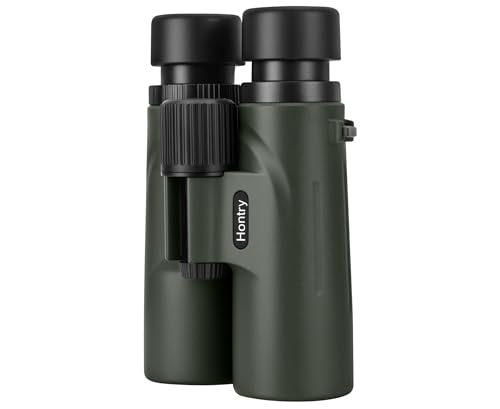
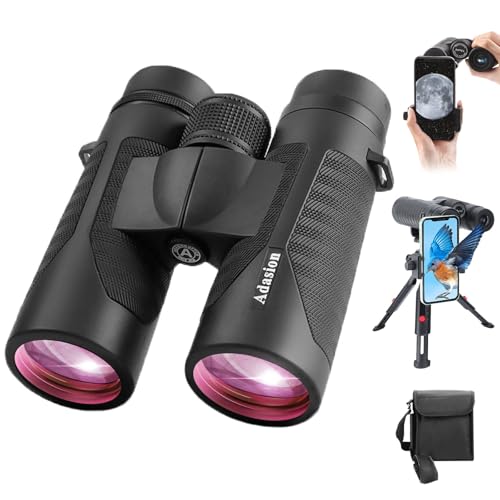


Best Affordable Binoculars for Hunting: Types Compared
Most affordable hunting pairs fall into three broad size groups. Compact pairs travel light and pack small. Mid size pairs balance brightness, weight and price for many hunters.
Full size pairs gather the most light and usually give the steadiest, brightest view at dawn and dusk. The table below sums up the trade offs, then each type is explained in more detail. For a broader look at top rated options, see our guide to best rated binoculars for hunting.
| Type | Best For | Pros | Cons | Typical Price |
|---|---|---|---|---|
| Compact binoculars | Still hunting and long walks | Light, easy to pack, quick to raise | Dimmer in low light, smaller view | About $60 to $140 |
| Mid size binoculars | All round hunting | Good brightness, manageable weight | Less bright than full size pairs | About $100 to $200 |
| Full size binoculars | Open country and low light | Brightest view, steady image | Heavier, bulkier to carry | About $140 to $250 |
Compact Binoculars
Compact pairs usually use smaller objective lenses, often around 25 mm to 32 mm, and fold or sit flat in a jacket pocket or a small pack pocket. They suit hunters who cover miles on foot, climb steep ground, or want a pair that is always within reach. Their small size also makes them easy to hold steady for short looks, and they pair well with a light harness that keeps them close to your chest. A related guide to best binoculars harness for hunting covers fit and carrying comfort in more detail.
The trade off is brightness. A smaller objective gathers less light, so the view can look dimmer at first light, last light, or under heavy tree cover. Eye relief can also feel tighter, which matters if you wear glasses. If most of your glassing happens in open light or at short range, a compact pair can be a smart, affordable choice.
Mid Size Binoculars
Mid size pairs, often built around 32 mm to 42 mm objectives, are the middle ground for many hunters. They gather noticeably more light than compact pairs while staying light enough to carry all day on a harness. A common setup in this group is 8x42, which gives a wide, steady view and a bright image without the bulk of a larger pair.
These pairs work well in mixed country, from timber edges to rolling fields, and they suit hunters who glass for minutes at a time rather than hours. They are also easier to hold steady than higher magnification pairs. If you want one pair for most hunts and do not want to carry extra weight, start your search in this group.
Full Size Binoculars
Full size pairs usually use 42 mm to 56 mm objectives and are built for long glassing sessions and low light. The larger objective gathers more light, which helps you pick out antlers, movement or body shape in shadow, fog or fading light. A wider exit pupil also makes the view feel more relaxed, since your eyes do not need to line up as precisely with the eyepieces.
The cost is weight and bulk. Full size pairs can tire your neck on a long walk unless you use a good harness, and they take more room in a pack. They suit open country, stand hunting, and hunters who glass from one spot for a long time. If low light performance matters more than pack weight, this group is worth the extra size.
Compact vs Full Size: Which Should You Choose?
Compare compact and full size pairs on four points: brightness, weight, steadiness and price. Full size pairs win on brightness and relaxed viewing in low light. Compact pairs win on weight, pack size and ease of carrying on a long, active hunt. Mid size pairs sit between the two on every point, which is why they suit so many hunters.
Steadiness also matters. Higher magnification shakes more in your hands, and a heavier pair can actually feel steadier once it is raised, but it tires you faster. For most hunters, 8x magnification is easier to hold steady than 10x, especially without support. Choose compact pairs when you move often and glass briefly, and choose full size pairs when you sit, wait and glass for long stretches in dim light.
How to Choose the Right Pair of Binoculars
Magnification and Objective Size
The numbers on a pair, such as 8x42 or 10x42, tell you two things. The first number is magnification, so 8x makes a distant animal look eight times closer than with your eyes alone. The second number is the objective lens size in millimeters, and a larger objective gathers more light. A pair marked 8x42 is often easier to hold steady and gives a wider view than a 10x42 pair, while 10x42 shows more detail at long range.
Lens Quality and Coatings
Glass quality and coatings shape the view more than a long list of numbers suggests. Fully coated lenses cut glare and let more light reach your eyes, which helps in shadow and at dawn. Good coatings also improve contrast, so an animal stands out from brush instead of blending into a flat, washed out scene. At a budget price, look for clear, honest descriptions of coatings and a bright, even view across the whole image, not just in the center.
Durability and Weather Sealing
Hunting pairs face rain, dust, cold and hard knocks, so build quality matters. Sealed pairs resist rain and dust, and nitrogen filled pairs resist internal fog when you move between cold air and a warm vehicle or tent. Check that the focus wheel turns smoothly, the eyecups lock in place, and the body feels solid without loose parts. A pair that fogs or lets in water on a wet morning will disappoint no matter how sharp it looks in a store.
Features That Matter for Hunting
Hunting puts specific demands on a pair. A wide field of view helps you scan a hillside or a field edge without moving your head too much. Generous eye relief matters if you wear glasses, since it lets you see the full view without pressing the eyecups hard against your lenses. Close focus matters less for most hunting, but a smooth focus wheel matters a lot when an animal appears for only a few seconds.
A tripod adapter socket can also help on long glassing sessions from a fixed spot. If deer are your main quarry, see our guide to best binoculars for deer hunting.
What You Can Realistically Get on a Budget
At a budget price, expect solid optics, decent coatings and a sealed body, but do not expect the edge to edge sharpness or the low light performance of a much more expensive pair. Some makers save money on the case, the strap or the lens caps rather than the glass, and those are sensible places to accept a simpler design. Do not save money by accepting a pair that fogs easily, has a stiff focus wheel, or feels loose in your hands. Spend your budget on glass quality, sealing and a comfortable harness first.
For general budget options beyond hunting, see our guide to best affordable binoculars.
Care and Maintenance Tips
Clean lenses with a soft lens cloth, not your shirt, since grit on fabric can scratch coatings over time. Blow loose dust off first, then wipe gently in a circle. Carry a spare set of lens caps if your pair uses them, and store the pair in a dry, padded bag when it is not in use. Check the strap and harness fittings before the season, and keep the pair away from direct heat, such as a vehicle dashboard in strong sun.
After a wet hunt, wipe the body dry and let the pair air dry before you close the case. If the pair gets muddy, clean the body with a damp cloth and dry it fully. Never look at the sun through binoculars, and follow the manufacturer's instructions for care. Follow local wildlife rules for where and when you may glass and hunt, and respect private land boundaries.
Frequently Asked Questions
What features matter most in binoculars for hunting?
The features that matter most are a steady magnification, a bright objective size for your light, sealed and fog resistant construction, and a comfortable fit for long carrying. A harness that spreads weight across your shoulders can matter as much as glass quality on a long day, since a pair you leave in camp helps no one. Also check that the diopter adjustment stays put once you set it for your eyes.
What specs matter most for hunting beginners?
Beginners should start with 8x magnification and a 42 mm objective, since that setup gives a wide, bright and steady view that is forgiving to hold. A smooth focus wheel and generous eye relief help you find animals quickly and see the full view with glasses. Avoid chasing the highest magnification first, since a shaky, narrow view makes it harder to learn how to scan country well.
Which binocular size is better for low light hunting?
Full size pairs with larger objectives are generally better for low light, since they gather more light and give a more relaxed view at dawn and dusk. An 8x42 or 8x56 setup often feels brighter than a compact pair in the same light, even when the magnification is the same. Your own eyes also matter, since pupils open wider in dim light, so a larger exit pupil can make the view feel easier and less strained.
How much should I spend on my first hunting binoculars?
Most first time buyers do well at about $100 to $200, where you can find sealed pairs with decent coatings and a usable harness. Below that range, check sealing and focus feel carefully, since those faults show up fast in the field. Above that range, you pay mainly for better low light clarity and build, which matters most if you glass for hours in open country.
Is a smartphone enough instead of hunting binoculars?
A smartphone can record a distant animal, but it is a poor substitute for glassing, since its small screen and digital zoom show far less detail and make scanning slow. Binoculars let you watch movement, body shape and behavior in real time with both eyes, which helps you judge distance and direction. A phone is best kept as a backup for photos and maps, not as your main glassing tool.
What does 8x42 or 10x42 mean on hunting binoculars?
The first number is magnification and the second number is the objective lens diameter in millimeters. A pair marked 8x42 magnifies eight times and uses a 42 mm objective, while a 10x42 pair magnifies ten times with the same objective size. Higher magnification shows more detail but gives a narrower, shakier view, so many hunters prefer 8x for scanning and choose 10x only for long range, open country work.
Final Thoughts
Start with how you hunt, then let that choice narrow the size group. Active hunters who walk far will value a light pair, while stand hunters and open country glassers will value brightness and a relaxed view. Check magnification, objective size, sealing and fit in that order, and use the comparison table above to weigh the types side by side before you buy.
For most hunters on a budget, a mid size pair hits the best balance of brightness, weight and price. If low light matters most, step up to a full size pair and a good harness. Whatever you choose, best affordable binoculars for hunting should feel comfortable after hours of carrying, stay clear in wet weather, and help you spot game early enough to plan your next move.


