Best Affordable Home Theater Projectors for 2026
Disclosure: We may earn a commission when you buy through links on this page, at no extra cost to you. As an Amazon Associate I earn from qualifying purchases. Learn more
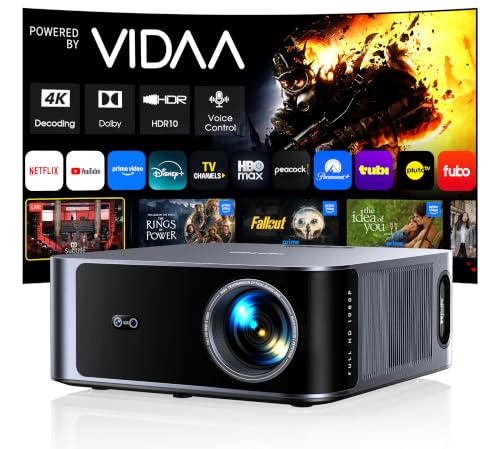
Best affordable home theater projectors suit dark rooms and tight budgets; compare brightness, throw distance and sound before you choose.
A home theater projector can turn a plain wall into a large screen for movies, sports and games, but a low price does not mean every model suits every room. Best affordable home theater projectors differ widely in brightness, throw distance, image sharpness and built in sound, so a checklist matters more than a single headline specification. This guide walks through the factors that shape everyday viewing, the spending levels you can expect, and the warning signs that should slow you down. Use the product table below to narrow the field.
Start with your room, not with a specification sheet. Measure the distance from the projector position to the screen, note how much daylight reaches the wall, and decide whether the projector will stay in one place or move between rooms. Those three facts will rule out many models at once and will keep you from paying for brightness or throw range you do not need.
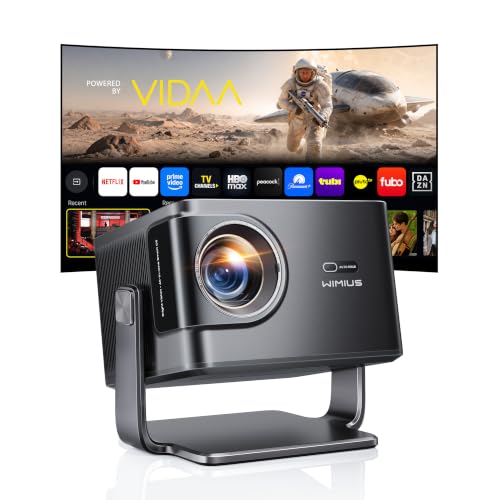

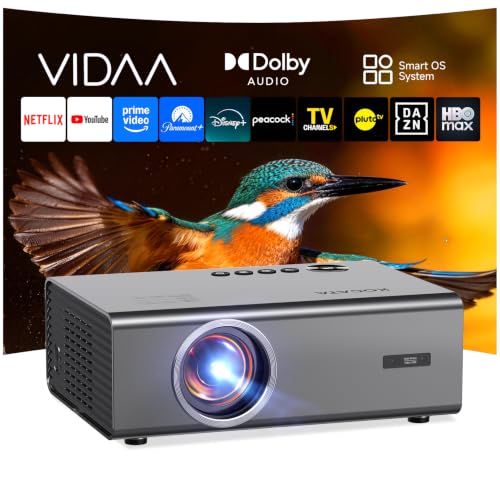

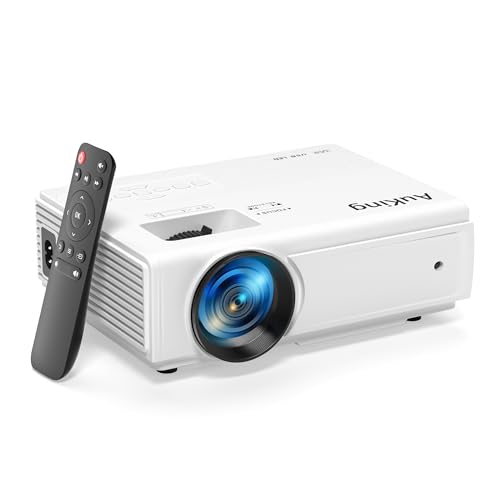
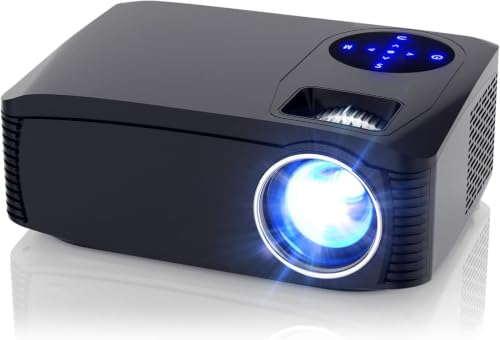

Key Features to Compare for Affordable Home Theater Projectors
Each feature below changes what you actually see and hear in your room. Read them in order, and mark the ones that matter most for your space before you look at prices.
What You Can Realistically Get on a Budget
At a budget price you can usually get a bright enough image for a darkened room, a sharp high definition picture, and simple streaming through a separate stick or box. You may give up the deepest blacks, the widest color range, and the quietest fan. Do not cut corners on brightness if your room has windows, and do not cut corners on throw distance if your seating position is fixed. A model around $300 to $600 often covers casual movie nights well, while a larger living room with daylight may need a brighter design at a higher price.
Light Source and Brightness
Projectors use a lamp, a diode array, or a laser light source, and each choice affects brightness, running cost and lifespan. Lamp designs are common at low prices but need a replacement lamp after many hours of use. Diode and laser designs usually last longer and start faster, yet they can cost more at the same brightness. Compare lumen figures only between similar designs, since makers measure them in different ways and a dark room needs far fewer lumens than a bright room.
Resolution and Contrast
Resolution sets how much fine detail the image can show, and high definition is a sensible floor for a home theater screen. Ultra high definition adds detail on a very large screen, but it matters less on a modest screen viewed from a normal sofa distance. Contrast shapes how deep dark scenes look and how much shadow detail stays visible, so it helps horror films and night scenes more than a small bump in resolution. If you watch mostly in a dark room, put contrast ahead of extra pixels.
Throw Distance and Room Fit
Throw distance is the distance a projector needs to fill a screen of a given size. A long throw model suits a large room with the projector behind the seating area, while a short throw model suits a smaller room where the projector sits close to the wall. Check the throw ratio and the screen size range before you buy, and measure twice, including the space taken by a mount or a shelf. Keep placement straight and centered for the sharpest result.
Connectivity and Ports
Look for enough high definition multimedia interface ports for your streaming device, game console and sound system at the same time, so you are not swapping cables every evening. A universal serial bus port can power a streaming stick or play files from a drive, and an audio output lets you send sound to a speaker system or soundbar. Wireless casting is handy for quick sharing, yet a wired connection usually gives a steadier picture for long films.
Sound and Smart Platform
Built in speakers are useful for a bedroom or a temporary setup, but they rarely fill a large living room with rich movie sound. If you already own speakers or a soundbar, treat built in sound as a backup rather than a deciding factor. A smart platform with popular streaming apps can simplify setup, while a plain projector paired with a streaming stick often gets faster app updates. Confirm that the apps you use most are supported.
Spending Levels Without Product Picks
Budget tiers describe what to expect from the best affordable home theater projectors, not which model to buy. Match the tier to your room and viewing habits, then compare models inside that tier.
Starting Out on a Tight Budget
A tight budget suits a dark room, a modest screen, and occasional movie nights. Expect high definition resolution, basic keystone correction, and a simple speaker that works for dialogue. You may need a separate streaming stick and a darker room to get the best picture. This tier works well when you want the big screen feeling without rebuilding your living room around it.
Comfortable Mid Priced Viewing
A mid priced tier adds brightness for a room with some ambient light, a sharper image on a larger screen, and quieter operation during quiet scenes. You may also get better color, a more flexible throw range, and a longer lasting light source. This tier suits regular viewers who watch several films a week and want a picture that holds up in a lived in room rather than a fully darkened theater.
Stretching Higher for a Brighter Living Room
A higher budget tier suits a bright living room, a very large screen, or frequent use as a main television replacement. Expect stronger brightness, deeper contrast, and better handling of daylight and lamps. You may also get a more flexible lens, smoother motion for sports, and a quieter fan. Spend here only if your room truly demands it, since a dark room viewer may see little gain over the middle tier.
Quick Buyer Checklist
Run through these questions before you order, and answer each one with a yes or a no based on your room.
- Does the throw distance fit your room and your planned screen size?
- Is the brightness enough for the daylight and lamps in your viewing space?
- Does the resolution suit your screen size and seating distance?
- Are there enough ports for your streaming device, console and sound system?
- Can you place the projector straight and centered, with room for airflow?
- Does the sound plan cover a large room, or will you add speakers?
- Is the light source lifespan and replacement cost clear before you buy?
- Does the return policy give you time to try the picture in your own room?
Red Flags to Watch For
Vague brightness figures with no measurement standard, missing throw distance data, and a warranty far shorter than competing models should all raise questions. Be wary of listings that promise cinema quality at a tiny price while hiding the native resolution. Unusual review patterns, such as many short reviews posted in a short period, are another reason to slow down and compare more models. If a key specification is missing, treat that gap as information in itself and look elsewhere, and see our guide to best affordable home theater speakers when you plan your sound setup.
Tips to Get the Most From Your Home Theater Projector
Start with a picture preset meant for movies or cinema rather than a vivid shop mode, then adjust brightness and color slowly in your normal evening light. Keep the projector lens clean with a soft cloth, and give the vents clear space so the fan can cool the unit. Use a smooth, light colored wall or a proper screen, since a textured or tinted wall dulls the image. If your model offers a lamp saving mode, try it for regular viewing and save full brightness for daylight sessions.
Follow the manufacturer's instructions and electrical guidance, keep small parts away from children, and place cables where no one can trip over them.
Home Theater Projectors: Your Questions Answered
What size screen should I choose for my room?
Choose a screen size that fits your viewing distance and your wall, not the largest size the projector can produce. A common guide is a screen width that lets you see the whole picture without turning your head, which for many living rooms means a screen around 100 inches viewed from about 10 to 12 feet away. Measure your wall, allow space for speakers and furniture, and check the projector throw range for that size before you buy.
How long does a home theater projector last?
A home theater projector can last many years when the light source, fan and lens are cared for, and the light source lifespan is the figure to check first. Lamp models often list several thousand hours, while diode and laser models often list far more, though real life use, brightness settings and ventilation all affect the result. Keep vents clear, avoid moving a hot projector, and follow the maker guidance on cooling and lamp replacement.
Is ultra high definition worth it on a budget projector?
Ultra high definition is worth it mainly on a large screen viewed from a moderate distance, where extra detail stays visible. On a modest screen in a small room, a sharp high definition image can look nearly as good and may leave budget for brightness or sound. Consider your screen size first, then your viewing distance, then your source material, since low resolution streaming will not gain detail from a higher resolution projector.
Does motion smoothness matter for viewers who do not play games?
Motion smoothness matters most for sports and fast action films, and less for slow dramas or dialogue driven shows. A higher refresh rate can make camera pans look steadier, but it can also make films look unnaturally smooth if motion processing is set too high. For non gamers, a standard rate with well tuned motion settings is usually enough, and picture quality in dark scenes matters more.
How do I pick between a laser and a lamp projector?
Pick a laser design when you want a longer lasting light source, faster startup and steady brightness over time, and accept a higher upfront price. Pick a lamp design when your budget is tight and you watch mainly in a dark room, and accept that a replacement lamp will be needed after many hours. Compare total cost over several years, not just the purchase price, and weigh brightness, room light and how often you watch.
Final Thoughts
The best choice starts with your room, your screen size and your light, then narrows to brightness, throw distance, contrast and sound. Best affordable home theater projectors reward buyers who measure first and chase specifications second, since a well matched budget model beats a brighter model that does not fit the space. Use the product table above to compare the models that pass your checklist, and favor the one that fits your room on every practical point rather than the one with the loudest headline figure. For a wider look at projector types, see our guide to best affordable home projectors and our guide to best movie projectors for home theater.