Best Affordable Hiking Boots for Women: Everything to Know Before Your First Purchase for 2026
Disclosure: We may earn a commission when you buy through links on this page, at no extra cost to you. As an Amazon Associate I earn from qualifying purchases. Learn more

Shopping for the best affordable hiking boots for women for the first time? Learn the key terms, compare features, and avoid common buying mistakes.
Buying your first pair of trail boots can feel confusing, because listings throw around terms like outsole, toe box, and heel to toe drop without explaining what they mean for your feet. This guide slows that process down. It explains the basics in plain English, shows you what a modest budget can and cannot buy, and helps you judge best affordable hiking boots for women by fit and trail use instead of by color or marketing claims.
Start with the comparison table below to see how boots in this price range differ on weight, height, and waterproofing. Then read on before you order, because a careful first choice saves you returns, blisters, and money spent twice.




Hiking Boots 101: The Basics
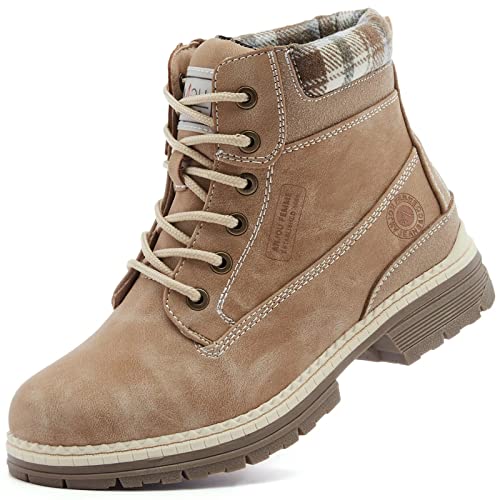
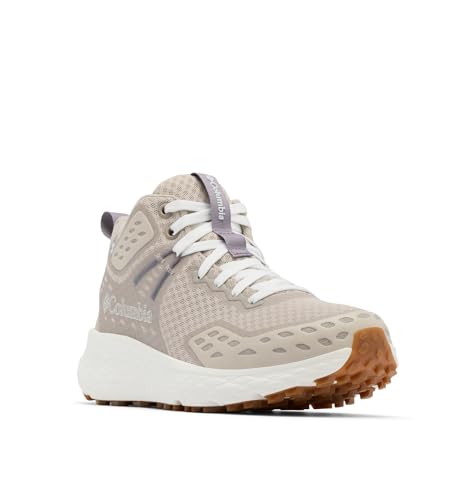
A hiking boot is footwear built for uneven ground, and it differs from a walking shoe in three main ways. The upper wraps higher around the ankle on many styles, the sole is stiffer so sharp stones press less into your foot, and the tread is deeper so you grip loose dirt and wet rock with more confidence.
Boots come in three heights. Low styles feel light and suit smooth, well kept paths. Mid styles cover the ankle bone and suit most day hikes, which is why first time buyers usually start there. High styles add the most ankle support and suit rough ground or a heavier pack.
You will also see a few parts named in every listing. The outsole is the treaded rubber layer that touches the ground. The midsole sits above it and provides cushioning and arch support. The upper wraps your foot, and it may be leather, synthetic fabric, mesh panels, or a mix.
A boot does not have to be expensive to work well, but knowing each part helps you spot where a lower price comes from. Savings from simpler materials are usually fine, while savings from thin cushioning or shallow tread are not.
Key Specs Explained in Plain English
The sections below translate the main listing terms into decisions you can actually make when you shop for best affordable hiking boots for women on a first purchase. Budget, shape, and waterproofing interact, so a boot that looks perfect on price can still be wrong for your foot shape or your usual weather.
What You Can Realistically Get on a Budget
At around $60 to $120, expect a synthetic or partly leather upper, a rubber outsole with a general trail tread, and foam cushioning that feels comfortable on day hikes. That is a fair package for most beginners. What usually gets trimmed is long term durability of the upper, plushness on rocky ground, and advanced waterproof membranes.
Do not save money by accepting a poor fit, a flimsy sole, or weak stitching around the toe, because those parts decide whether the boot is usable at all. Cosmetic extras are safer places to compromise. For a wider view of the general budget category, see our guide to the best affordable hiking boots.
What Women Should Look For in a Hiking Boot
Boots made for women are usually built on a different last, which is the foot shaped form used in production. Compared with a typical unisex model, that often means a narrower heel, a slightly wider forefoot, and a lower volume fit through the midfoot. The result should be less heel slip on climbs and less sliding forward downhill.
Sizing and calf shape matter too. A shaft that opens enough for thicker socks gives you options across seasons. If your everyday road shoes are stability shoes for overpronation, look for a firm heel cup and a midsole that feels steady rather than soft and wobbly under your arch. For a broader look at shapes across price levels, see our guide to the best boots for hiking women.
Fit, Sizing, and the Toe Box
Shop and measure late in the day, when your feet are at their largest. Wear the hiking socks you plan to use, because a thick sock can change the fit by half a size in feel. Stand up for the test, since your foot spreads under your full weight in a way it does not while you sit.
The toe box is the room at the front of the boot. Your toes should lie flat, wiggle freely, and never press the front when you kick the floor gently or stand on a slope in the store. A roomy front matters even more for women whose forefoot is wide relative to a narrow heel, a common shape that standard narrow boots squeeze.
Length alone is not the whole story. Check that the widest part of your foot lines up with the widest part of the boot, and that the heel stays mostly still when you walk. If you fall between sizes, size up slightly and adjust with lacing and sock thickness, rather than hoping a tight boot will stretch where it hurts.
Weight and Flexibility
Every extra ounce on your feet is lifted thousands of times on a hike, so lighter boots feel fresher at mile eight than heavy ones do. Flexible soles bend with your stride, which suits smooth trails and shorter distances. The trade is protection, because a very light boot lets you feel sharp stones and offers less structure on rocky ground.
Heavier, stiffer boots earn their place on rough terrain and under a loaded pack. To judge a pair in hand, hold the heel and twist the boot, then bend it at the ball of the foot. It should bend where your foot bends, while resisting a hard twist through the middle.
Heel to toe drop describes how much higher the heel sits than the toes, and it changes how a boot feels on climbs and descents. A modest drop feels familiar if you come from everyday trainers. If shaving weight is your top priority, see our guide to the best lightweight hiking boots for women.
Waterproofing With Gore Tex and Other Membranes
A waterproof boot uses a membrane inside the upper that blocks liquid water while letting some sweat vapor escape. Gore Tex is the best known name, and many budget brands use their own membranes that work in a similar way. This setup keeps feet dry through shallow puddles, wet grass, mud, and light rain.
The trade is breathability on hot days. A membrane boot feels warmer and dries slowly once water gets in over the top, because the barrier that keeps water out also slows drying. A breathable mesh boot with no membrane is cooler for dry summer trails and dries fast after a stream crossing.
Look at boot height alongside the membrane. Water pouring in over a low collar defeats any waterproofing below it, so gaiters or a taller boot matter more than the membrane brand in deep mud. Choose based on your wettest common trail.
Rookie Mistakes to Avoid
Most first purchase regrets come from a handful of avoidable errors rather than from the boot itself. Several only show up after a few miles on real ground, so read this list before you order.
- Buying your everyday shoe size without trying the boot with hiking socks, which leaves toes hitting the front on descents and causes bruised toenails.
- Choosing by looks or by a friends recommendation when her foot shape differs from yours, which gives you a boot that fits her feet but not yours.
- Wearing brand new boots on a long hike with no shorter walks first, which turns small pressure points into blisters that can end the day early.
- Paying extra for waterproofing you do not need, which leaves you with hotter feet all summer on dry trails.
- Ignoring the return policy and wearing the boots outdoors immediately, which can make a poorly fitting pair impossible to exchange.
- Picking the cheapest option with a thin, smooth outsole for muddy trails, which raises your chance of slipping where grip matters most.
Getting Started: First Steps After You Buy
When your boots arrive, wear them indoors first. Walk stairs, stand for a while, and note any spot that rubs or presses, while the soles stay clean enough for an exchange. Check the lacing from the toe upward, snug at the front and firmer over the ankle, so the heel locks in without cutting off circulation.
Then build up gradually outdoors. Start with a short flat walk, add hills, and only then plan a full day hike. This break in period lets stiff materials soften around your foot and lets you adjust socks and lacing first. Choose wool or synthetic hiking socks, since cotton holds sweat and raises friction.
Care starts on day one. Knock dried mud off after each hike, pull the insoles out so the inside can air, and let wet boots dry at room temperature away from direct heat, because hot air can crack leather and weaken glues. A soft brush and plain water handle most dirt.
For warm weather walks and for resting your feet at camp, many hikers rotate in sandals and recovery footwear so damp boots get a full day to dry between outings. If that appeals to you, see our guide to the best hiking sandals for women for trail capable options that let your feet breathe.
One safety note belongs here. Pressure points that fade are normal, but numbness, sharp joint pain, or pain that changes how you walk is not something to push through. Stop and relace once, and if the problem returns, get fitted in person or talk with a clinician about your feet.
Frequently Asked Questions
What makes hiking boots for women different from unisex hiking boots?
The main difference is the shape of the last, not the color. Womens models usually pair a narrower heel with more room across the forefoot and a lower overall volume, which reduces heel lift on climbs for many wearers. Some brands also tune cushioning and flex for a lighter average body weight. Check the size range too, since womens lines often include smaller sizes and width options that unisex lines skip.
How often should women replace affordable hiking boots?
Most affordable hiking boots last about 300 to 500 miles of trail use, depending on terrain and how well they are dried and stored between hikes. Rocky ground wears tread faster than soft forest paths do. Replace yours when the tread looks smooth in the middle, the midsole feels flat and harsh, or the upper splits near the toes. A rough note of your hiking mileage makes this judgment easier.
Do women need waterproof hiking boots for every trail?
No, waterproof hiking boots suit wet, muddy, and cold conditions, but they are not required for every trail. On dry summer routes, a breathable non waterproof boot often feels better and costs less. Beginners often miss that waterproof boots also keep water in after a deep crossing, so they can stay soggy all day. Match the boot to your usual trails, not to one rainy trip.
Are expensive hiking boots worth it for women who hike occasionally?
For occasional short hikes, expensive hiking boots are rarely necessary, because a well fitting budget pair covers smooth and moderate trails comfortably. Higher prices mainly buy tougher uppers, stickier rubber, and a longer working life, which matter most when you hike often or carry heavy loads. If you hike a few times a year, put the savings toward good socks and a proper fitting instead.
How should affordable hiking boots fit around the ankle and heel?
Affordable hiking boots should hold the heel firmly while the ankle collar feels padded rather than pinching. Your heel may move a tiny amount, but it should not lift clear of the insole with each step. Try a heel lock lacing pattern through the top hooks if the fit is close but slippery, since that anchors the heel without tightening the whole boot. Test it on stairs, where heel lift shows up fastest.
How long is the break in period for new hiking boots?
The break in period for most modern synthetic hiking boots is short, often just two or three walks totaling a few hours. Boots with thick leather take longer, sometimes several weeks of regular use. Wear new boots for an hour around the house on different days rather than all at once, which makes it easier to spot the exact spot that needs a thicker sock or a lacing change.
Final Thoughts
A good first purchase comes down to three things. Fit your foot shape with room in the toe box and a secure heel, match the weight and waterproofing to your real trails, and spend on fit and sole quality first. Use the product table above to compare those points side by side before you order.
If you keep those priorities in order, best affordable hiking boots for women stops being a confusing search term and becomes a simple checklist you can reuse for your next pair. Start with shorter hikes, care for the boots you choose, and let your own trails tell you what to change next time.