Best Affordable FRFR Speakers: Buying Guide for 2026
Disclosure: We may earn a commission when you buy through links on this page, at no extra cost to you. As an Amazon Associate I earn from qualifying purchases. Learn more

A plain guide to the best affordable frfr speakers: price tier, power, inputs, and features for modeler users.
Prices for FRFR cabinets range from under $200 to well past $800, and the listings rarely explain what the extra money actually buys you. This guide sorts the market into clear tiers so you can spend where it improves your tone and skip where it does not. If you are hunting for best affordable frfr speakers for a floor modeler or profiler, start with the comparison table below and then read the tier notes.
FRFR stands for full range flat response. Unlike a traditional guitar cabinet, which colors the sound, an FRFR speaker aims to reproduce exactly what your modeler sends it, much like a small PA speaker.


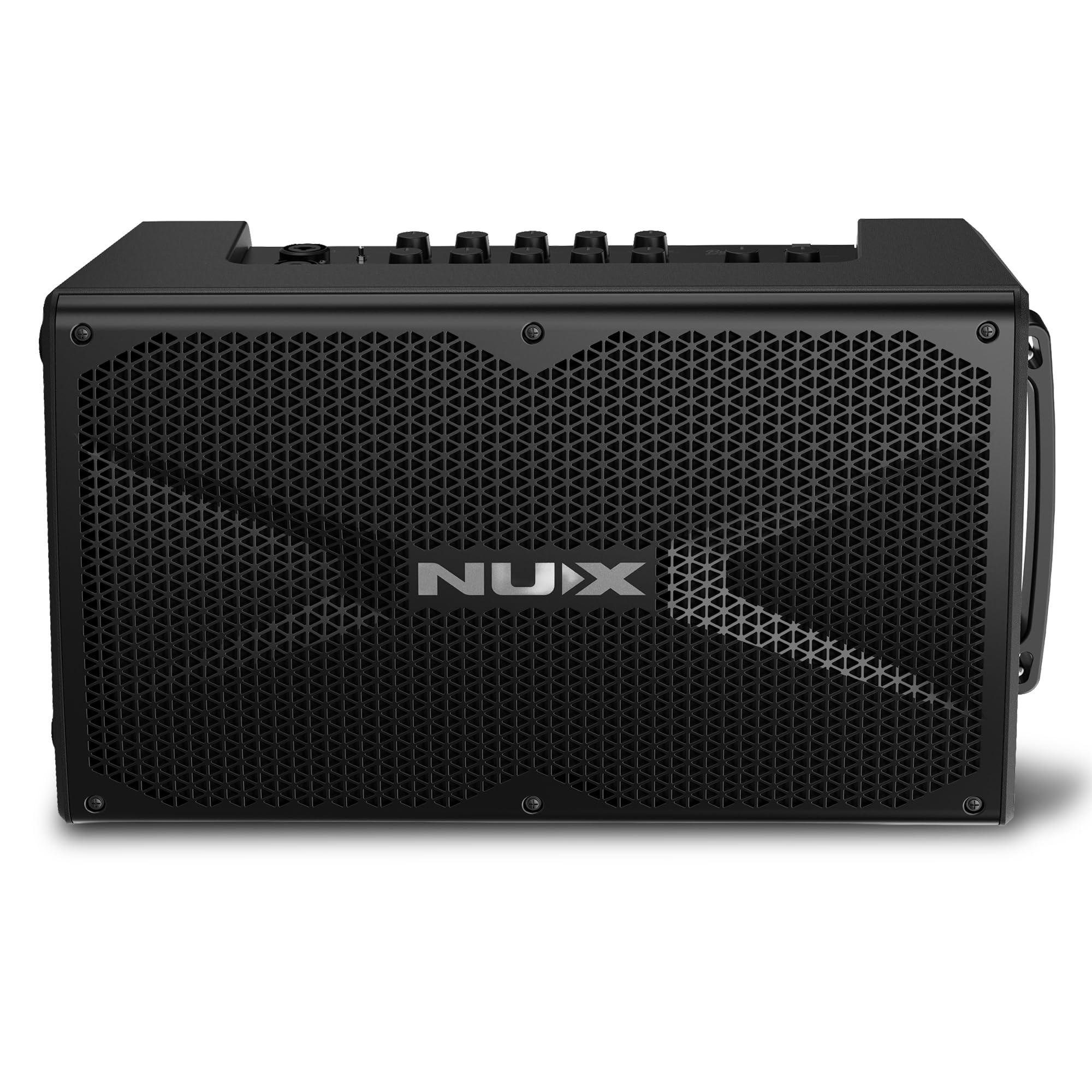
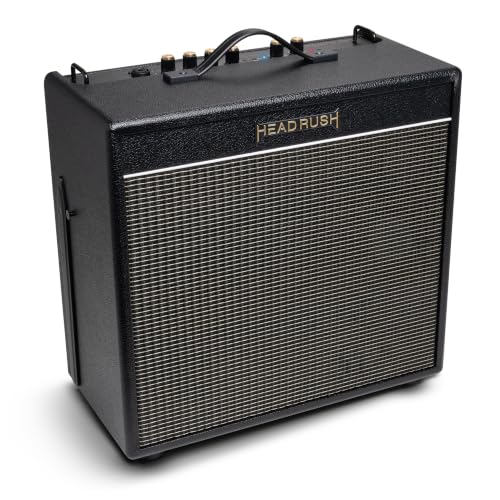
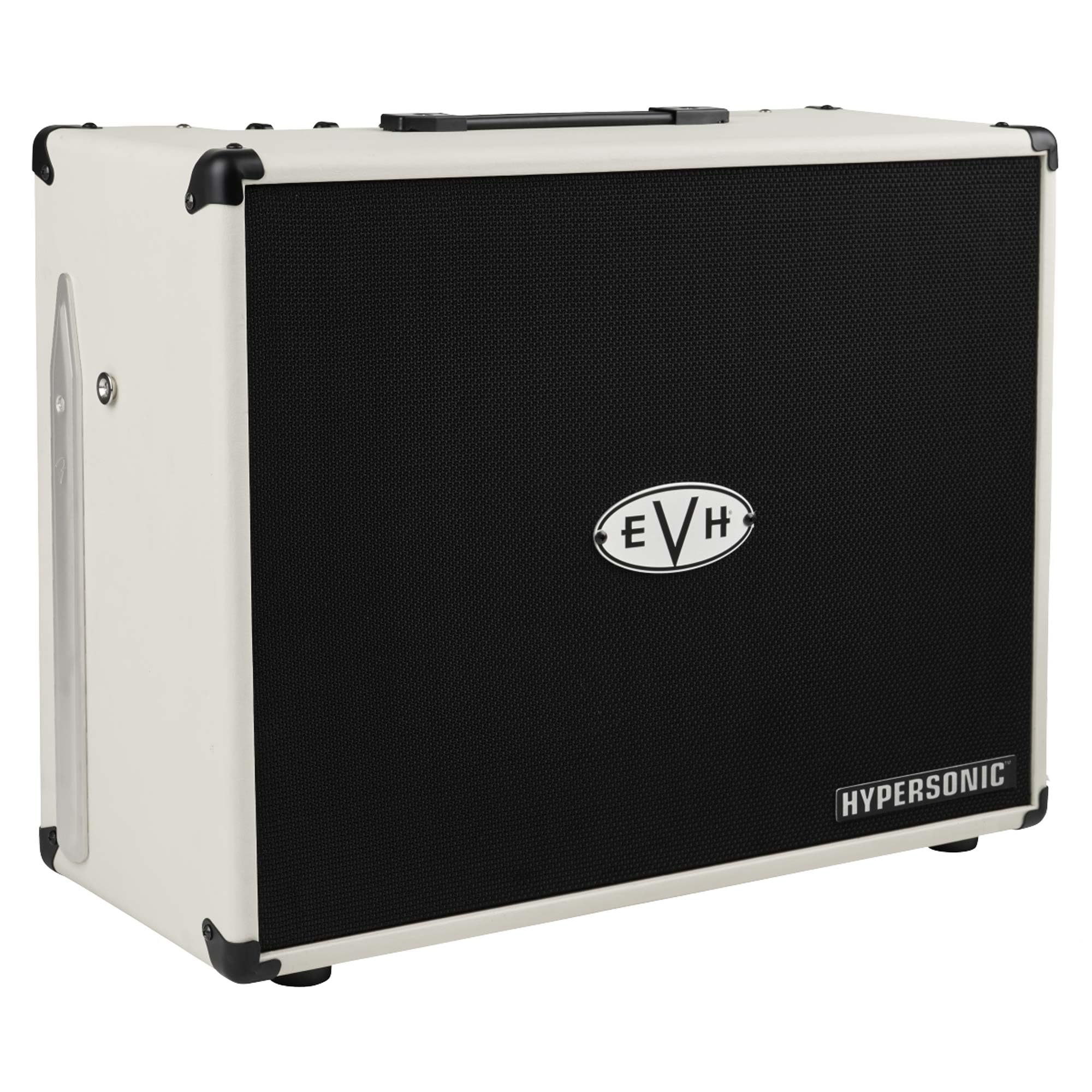


Buying Affordable FRFR Speakers by Budget: Three Tier Profiles
Budget Tier Profile
A budget FRFR cabinet, around $150 to $300, suits home practice and quiet rehearsal. Look for a powered cabinet with at least one combo input, a simple EQ section, and enough output to keep up with vocals in a small room. The strengths at this level are low cost and light weight. The main limit is headroom. Bass notes and loud clean patches can strain a small driver, so this tier works best when stage volume stays moderate and the PA handles the room.
Midrange Tier Profile
A midrange cabinet, around $300 to $550, suits gigging players who need their own reliable monitor. Expect stronger amplifiers, better cabinet construction, more inputs, and useful extras such as a second channel for backing tracks or an acoustic guitar. Output and clarity improve enough that your patches translate more predictably from home to stage. The trade off is extra weight and cost, but for most working players this tier removes the compromises that make budget cabinets frustrating at band volume.
Premium Tier Profile
A premium FRFR cabinet, around $550 to $900, suits players who rely on one cabinet as their main stage sound every week. You gain higher headroom, wider dispersion, tougher build, and often more flexible routing such as multiple outputs and ground lift switches. Patches stay clean and consistent at high volume, and the cabinet doubles as a small PA for solo shows. The limit is simple value. If you play only at home, this tier buys capability you will rarely use.
What Your Money Gets You at Each Price Tier
Budget Tier: What to Expect
Budget cabinets deliver honest flat response for practice, basic EQ, and one or two inputs in a plastic or light wood enclosure. They are ideal for learning how modeler presets behave through a real speaker instead of headphones. Expect to give up deep bass extension, very high volume, and advanced routing. For context across powered cabinets in general, see our guide to the best affordable speakers and note how similar driver and amplifier specs appear at similar prices.
Midrange Tier: The Sweet Spot for Most Buyers
Midrange cabinets add real stage headroom, sturdier enclosures, and features gigging players actually use, such as a pole mount socket, a monitor angle cut, and a separate level control per channel. Presets built at home hold together better at rehearsal volume. This is where spending more clearly pays off for anyone who performs. If you want the wider category view beyond budget models, see our guide to the best frfr speakers for how higher end cabinets differ.
Premium Tier: When Spending More Pays Off
Premium cabinets pay off when volume, reliability, and flexibility are non negotiable. Stronger amplifiers stay clean on loud stages, better drivers spread sound more evenly to bandmates, and pro connections suit house PA systems. You may also get firmware based EQ presets for floor or pole placement. Players who tour, run sound for others, or use one cabinet for guitar, bass, and vocals will feel the difference weekly. Casual players will not, and that honesty should guide your budget.
Features Worth Paying For (and Ones to Skip)
Comfort, Fit, and Weight
For a speaker, comfort means carry comfort. Weight, handle placement, and cabinet shape decide whether load in feels easy or miserable after a long day. A cabinet around 25 to 35 lb is manageable for most players, while heavier models earn their keep only with clearly better output. Check that handles sit where your hand naturally grips and that the cabinet can tilt back as a monitor without extra stands. A lighter cabinet you happily bring to every rehearsal beats a heavier one you leave at home.
Sound Quality and Tuning
Sound quality in an FRFR cabinet means accuracy, not excitement. A flat response lets your modeler cabinet simulations do their job, so what you hear on stage matches what the audience hears through the PA. Look for a published frequency response and avoid cabinets that hype bass and treble, since that boost makes home built presets sound thin elsewhere. Driver size matters less than overall design. A good smaller driver with a proper crossover can sound more faithful than a larger driver in a resonant box. The same accuracy goal applies at a desk, which is why readers comparing nearfield options may also see our guide to the best affordable studio speakers for home recording setups.
What You Can Realistically Get on a Budget
On a budget around $200 to $300, realistic expectations are clean practice volume, usable EQ, and one reliable input channel. Bluetooth streaming for backing tracks appears on some models and is a genuine bonus. What gets cut is usually amplifier headroom, cabinet rigidity, and extra routing. Do not cut corners on the basics. A cabinet with honest power ratings and a solid enclosure will serve you longer than one loaded with effects or lights that add cost without improving your modeler tone.
Placement and Feedback Control
Controlling stage bleed and feedback comes from placement and volume, not extra electronics. Angle the cabinet toward your ears and away from vocal microphones, and keep it off hollow stages that boom. Those habits do more for a clean mix than any feature label. Spend instead on a cabinet with a high pass filter if you play bass heavy material, since trimming low rumble helps every microphone on stage.
Long Term Costs to Factor In
Ownership costs stay modest but real. Budget for a padded cover or case if you gig, a quality instrument cable and power cable, and possibly a speaker stand for better dispersion at shows. Powered cabinets draw ordinary mains power, so energy cost is minor. Warranty length matters more at higher prices, and a cabinet used weekly should have service support in your country. Replacing a worn handle or grille cloth is cheap. Replacing a failed amplifier module out of warranty is not, which argues for proven designs over novelty.
FAQs
What does FRFR mean?
FRFR stands for full range flat response. The speaker aims to reproduce your modeler or profiler signal without adding its own color, so the sound you build in the preset is the sound you hear on stage.
Can I use a regular PA speaker instead?
Yes, many players do. A powered PA speaker with a fairly flat response works for modelers, and some models are sold as both. A purpose built FRFR cabinet usually adds a guitar friendly voicing, better monitor angles, and inputs designed for modelers.
How much power do I need?
For home practice, a few hundred watts is plenty. For gigs with a drummer, look for a cabinet rated around 500 watts or more so it stays clean at volume. Honest headroom matters more than the peak number on the box.
Do I need Bluetooth on an FRFR cabinet?
It is a nice extra for playing along with backing tracks, but your guitar signal should stay on a cable from the modeler. Wired is more reliable and adds no delay.
Is a more expensive FRFR cabinet always better?
Not for everyone. Higher tiers add headroom, build quality, and routing, which matter for weekly gigging. If you mostly play at home, a budget or midrange cabinet covers your needs.
The Bottom Line
Match the tier to your loudest real use, insist on honest flat response and enough headroom, and keep the modeler to cabinet link wired. The product table above shows how current options stack up across those tiers. For most gigging players, best affordable frfr speakers sit in the midrange, where stage ready volume and solid build arrive without premium pricing, while home players can save with confidence at the budget level.