Best Affordable Cameras for Beginners: A Guide for 2026
Disclosure: We may earn a commission when you buy through links on this page, at no extra cost to you. As an Amazon Associate I earn from qualifying purchases. Learn more

Best affordable cameras for beginners made simple: which sensor, lens, video and battery features matter at each budget.
Shopping for a first camera can feel confusing, because every listing seems to promise professional results at a low price. The truth is simpler: best affordable cameras for beginners should make it easy to get sharp, well exposed photos without a long learning curve. This guide explains what to compare, what to skip for now, and how to spend wisely.
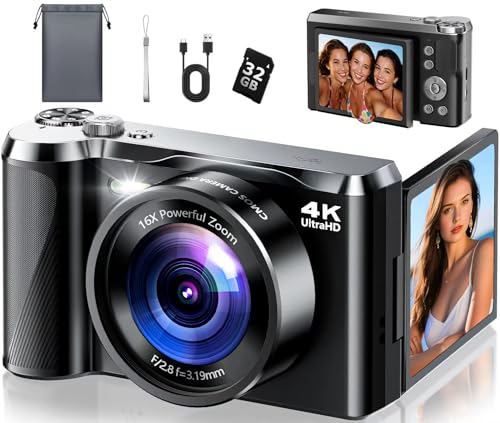
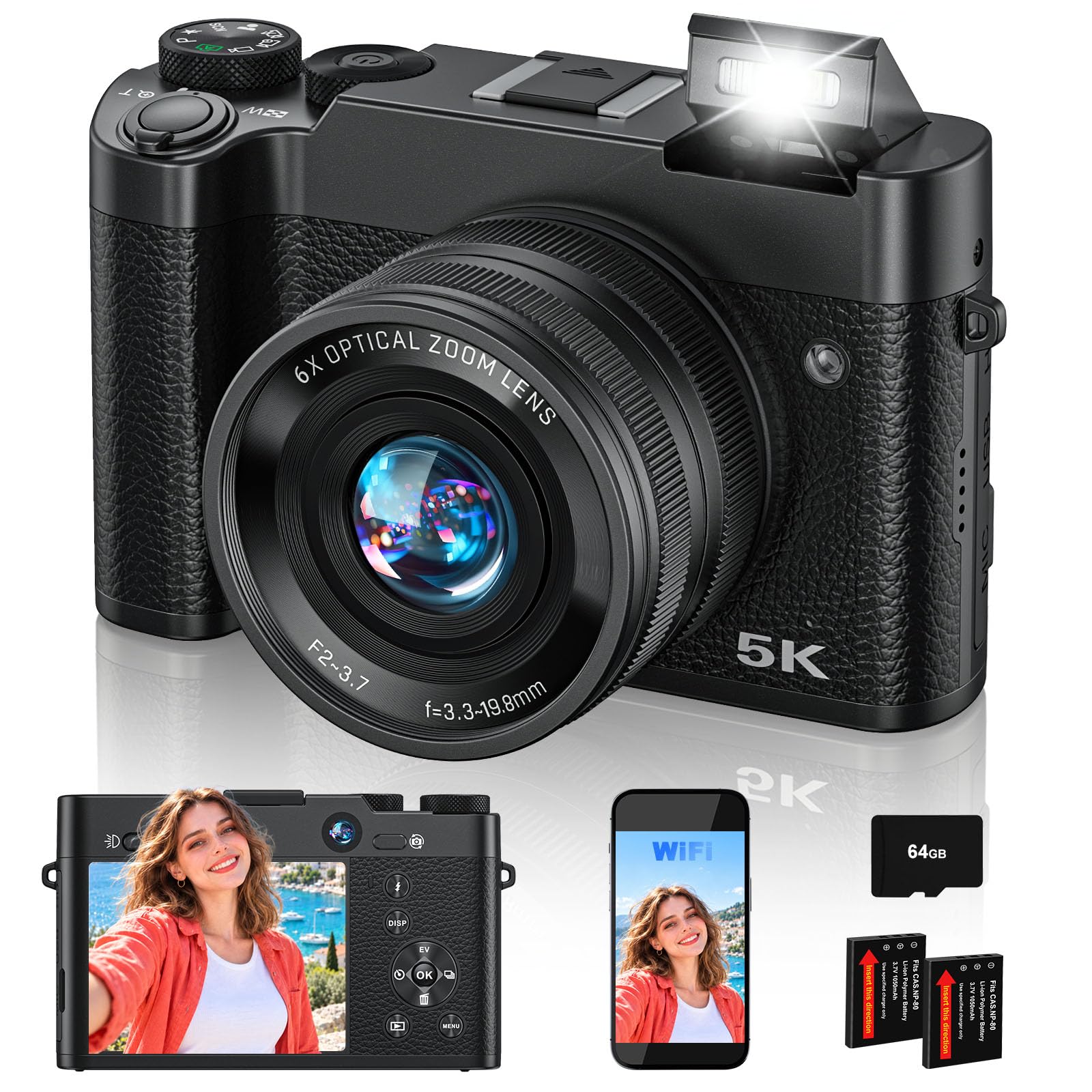
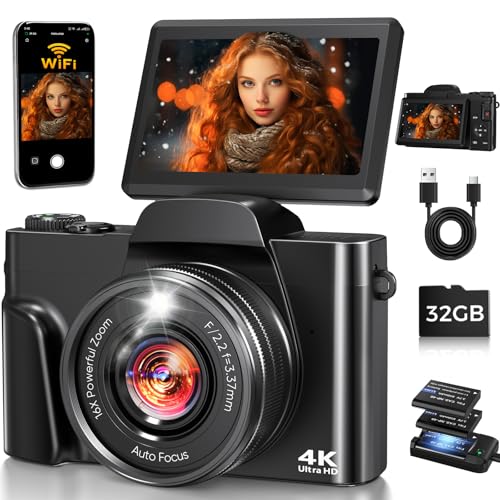
Start with the kind of photos you plan to take most often, then check sensor size, lens flexibility, video features, and battery life against that plan. The product table can help you weigh those trade offs side by side before you decide.



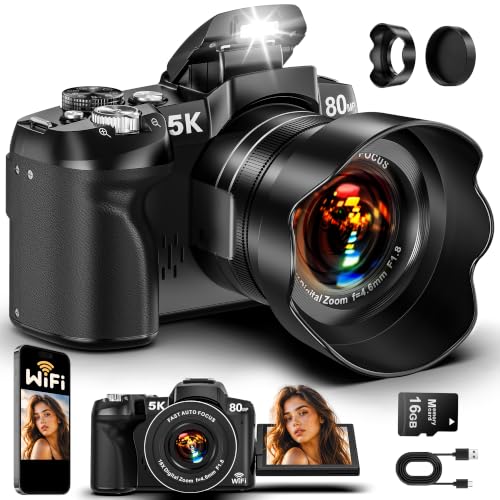
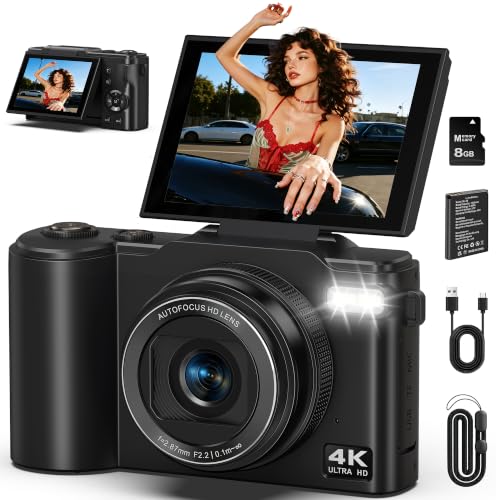
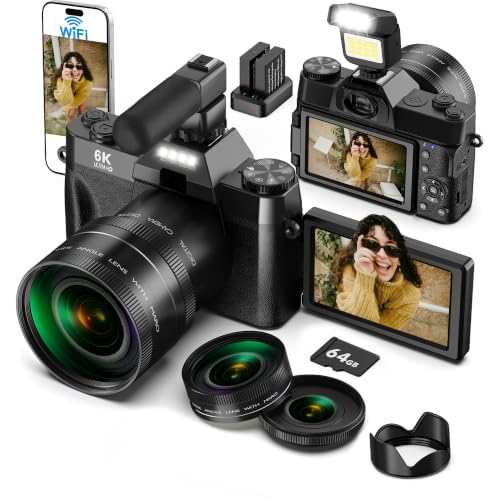
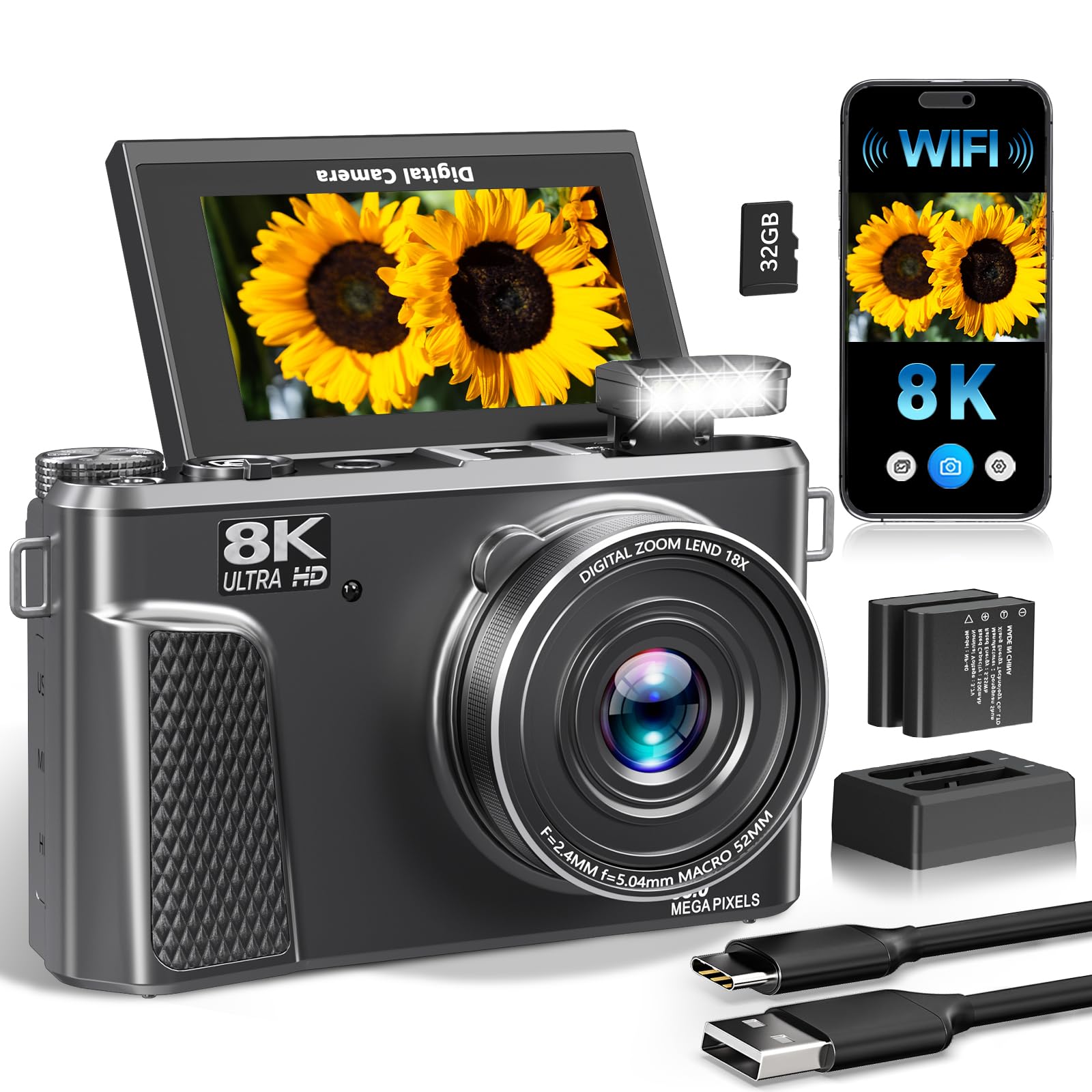
What Different Budgets Buy You
A low price does not have to mean a poor camera, but it does mean making choices. Knowing what each spending level usually includes helps you pick the best affordable cameras for beginners without paying for features you will not use yet.
Starter Budget Choices
At about $150 to $300, expect a compact camera or a simple interchangeable lens camera with a kit lens. Image quality in daylight is often good, controls are simple, and automatic modes do most of the work. You may give up a large sensor, fast continuous shooting, and advanced video options. This level suits family snapshots, travel memories, and learning basic composition.
Comfortable Middle Choices
At about $300 to $600, you usually get a larger sensor, better low light performance, and more control over focus and exposure. Many cameras in this range also offer a flip screen, a microphone input, and stronger autofocus for moving subjects. This level suits a beginner who plans to shoot often and wants room to grow. It is also a sensible place to spend a little more on a versatile zoom lens.
Stretch Budget Choices
At about $600 to $900, a beginner can find a capable camera with a larger sensor, faster autofocus, and cleaner video. You may also get weather sealing, a better viewfinder, and longer battery life. Spend at this level only if you already shoot regularly and know which limits frustrate you. A higher price alone does not improve composition, timing, or light, so practice still matters more than the body you buy.
How to Choose the Best Affordable Cameras for Beginners
Use the factors below as a checklist. A camera that scores well on the factors tied to your own shooting will serve you better than a camera with an impressive specification sheet you never use.
What You Can Realistically Get on a Budget
On a budget, expect good daylight photos, reliable automatic exposure, and usable video for social sharing. You should not expect flawless photos in very dark rooms, silent and instant autofocus in every situation, or professional level durability. Do not save money by skipping a comfortable grip, a clear menu system, or a battery that lasts through a normal day out. Those everyday factors affect how often you actually carry and use the camera.
Beginner Friendly Features That Matter
Look for a clear automatic mode, a scene mode that explains itself, and a menu that uses plain words rather than jargon. Touch focus on the screen, face and eye detection, and a simple way to transfer photos to a phone all reduce frustration. A guided mode that shows how aperture and shutter speed change a photo can teach as you shoot. Avoid a camera that forces you into deep menus for basic tasks such as changing focus points or switching to video.
Sensor Size and Image Quality
Sensor size affects how much light the camera gathers and how clean photos look when light fades. A 1 inch sensor is a step up from a phone sensor, while an APS C sensor gathers more light still and gives more control over background blur. A full frame sensor gathers the most light, but cameras and lenses built around it usually cost much more. Megapixels alone do not decide quality, so compare sensor size, lens quality, and processing together rather than chasing the highest number.
Low Light Performance
Low light performance depends on sensor size, lens aperture, and how well the camera handles high ISO settings. A lens with a wide maximum aperture lets in more light, which helps in dim rooms and at dusk.
A larger sensor usually produces cleaner images at high ISO, with less grain in shadows. Check sample photos taken indoors rather than trusting a maximum ISO number, since that number says little about usable quality. Image stabilization also helps, because it lets you use slower shutter speeds without blur from hand movement.
Video Capabilities
Video needs differ from still photo needs, so decide how much video you will shoot before paying for advanced features. For casual clips, smooth 1080p video with reliable autofocus is enough.
For regular vlogging, look for 4K video, a flip screen so you can see yourself, and a microphone input for clearer sound. Built in stabilization matters when you walk while filming. Also check recording limits and how quickly the camera heats up, since some compact cameras stop long recordings sooner than expected.
Battery Life and Charging
Battery life is often quoted as shots per charge, but video, screen use, and cold weather reduce that number in real use. A camera rated for about 300 shots may still last a full day of casual shooting, while a heavy day of video will drain it faster. USB C charging is convenient, because you can top up from a power bank or a laptop. A spare battery is a cheap and practical addition for travel days, and it avoids the frustration of a dead camera at the best moment of a trip.
Types of Cameras
Camera type shapes size, lens choice, and handling more than any single specification. Choose the type that fits how and where you will shoot.
Compact Cameras
A compact camera has a fixed lens and a small body that fits in a jacket pocket or a small bag. It suits travel, street photography, and everyday family photos, because you can carry it without planning around it. The trade off is a smaller sensor in many models and no option to change lenses later. If you value portability above all else, a compact camera with a bright lens and a 1 inch sensor is a strong starting point.
Vlogging Cameras
A vlogging camera prioritizes video, with a flip screen, good autofocus on faces, and clear audio options. Many also offer strong stabilization for walking shots and a wide lens that keeps you in frame at arm's length.
These cameras suit creators who film themselves often, but they can also serve as everyday cameras if still photo quality is good. Check still photo controls too, so you are not stuck with a video first camera that frustrates you for photos. See our guide to best affordable digital cameras if you want to compare digital models that balance photos and video.
Action Cameras
An action camera is small, rugged, and built for movement, water, and mounting on helmets, bikes, or chest straps. It suits hiking, cycling, swimming, and sports, where a larger camera would be awkward or at risk. The trade off is a very wide lens, a small sensor, and limited zoom, so it is less suited to portraits or distant subjects. If most of your photos are action shots in bright light, this type makes sense, but it should not be your only camera for general photography.
Setup and Care Tips
A few simple habits protect your camera and keep photos sharp from the first week onward.
- Use a lens cloth, not your shirt, because fabric can trap grit and scratch a lens coating over time.
- Carry a spare battery on long days out, especially when you plan to shoot video or shoot in cold weather.
- Store the camera in a dry, padded bag, and keep it away from sand, salt spray, and sudden temperature changes.
- Update firmware when the maker releases it, since updates can improve autofocus and fix known quirks.
- Format memory cards in the camera rather than on a computer, and keep a second card as a backup on important trips.
For a closer look at film options for new shooters, see our guide to best affordable film cameras for beginners. Film shooting teaches careful composition, but it adds ongoing costs for film and processing that digital beginners avoid. If you are unsure which path fits you, start digital, learn the basics, and revisit film later as a creative choice rather than a first step.
When comparing value across the market, see our guide to best cameras affordable for a broader view of low priced models. That comparison can help you spot where a slightly higher price buys a larger sensor or better video, and where it only buys features you may never use. For beginners who want strong image quality without complexity, see our guide to best quality cameras for beginners as well, since it focuses on the balance between ease of use and photo quality.
Cameras: Your Questions Answered
What makes cameras for beginners different?
Cameras for beginners differ mainly in how much help they offer while you learn. They tend to have clear automatic modes, simple menus, and guided settings that explain what each control changes. They also tend to be lighter and less expensive than advanced cameras, which makes them easier to carry every day. The best beginner camera is not the one with the most features, but the one you understand well enough to use confidently in real situations.
What specs matter most for beginners?
Sensor size, lens aperture, autofocus reliability, and battery life matter more than megapixel count for most beginners. A larger sensor and a bright lens help in low light, while dependable autofocus keeps moving subjects sharp. Video features matter if you film often, and a flip screen helps for self portraits and vlogs. Ignore headline numbers that sound impressive but do not change your daily photos, such as extreme burst rates you will rarely use.
Is a smartphone enough instead?
A smartphone is enough for many casual photos, especially in good light, and it is always with you. A dedicated camera earns its place when you want optical zoom, better low light results, more control over depth of field, or a comfortable grip for long sessions. It also helps you learn photography, because physical dials and a viewfinder encourage deliberate choices. If you already enjoy shooting on a phone and want to go further, a dedicated camera is a natural next step.
How much should I spend on my first one?
Most beginners do well at about $300 to $600, where cameras offer a larger sensor, reliable autofocus, and room to learn manual controls. Spending less is fine if you mainly shoot in daylight and want a simple pocket camera. Spending more makes sense only if you shoot often and can name a specific limit, such as poor low light results, that a higher priced camera would fix. Remember to budget for a memory card, a spare battery, and a bag, since those costs add up.
Which is better for low light?
For low light, a larger sensor paired with a bright lens usually performs better than a small sensor with a high megapixel count. A wide aperture lens lets in more light, so the camera can use a lower ISO and produce cleaner images. Image stabilization also helps by reducing blur at slower shutter speeds. If you shoot indoors often, prioritize these factors over zoom range, and try the camera in a dim room before committing when you can.
Wrapping Up
Choose a camera that fits your hands, your bag, and the photos you actually take, not the camera with the longest specification list. Prioritize sensor size, a bright and versatile lens, reliable autofocus, and battery life, then let video and extra features follow your real needs. Check the product table one more time, compare the options against your budget, and pick the camera you will enjoy carrying every day. With the right starting point, best affordable cameras for beginners can teach you the craft while delivering photos you are proud to share.