
Best Affordable Fast Laptops of 2026: Complete Buying Guide
Disclosure: We may earn a commission when you buy through links on this page, at no extra cost to you. As an Amazon Associate I earn from qualifying purchases. Learn more
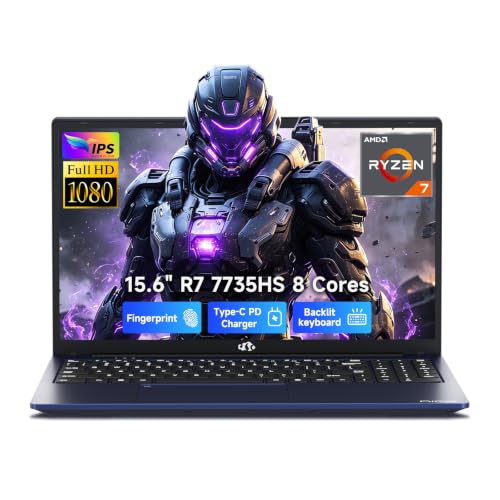
Compare the best affordable fast laptops by processor, RAM, SSD speed, screen, and battery with this guide to choosing quick everyday performance.
A laptop feels fast or slow in the small moments, how quickly it wakes, opens a large file, or juggles a dozen browser tabs. Budget models vary wildly on those moments, even when their headline specs look similar. This guide to best affordable fast laptops explains which parts create real speed, so you can spend on the ones you will feel every day.
Scan the comparison table below for processors, memory, and storage first. Then use the buying guide that follows to check the details that spec sheets often leave out.
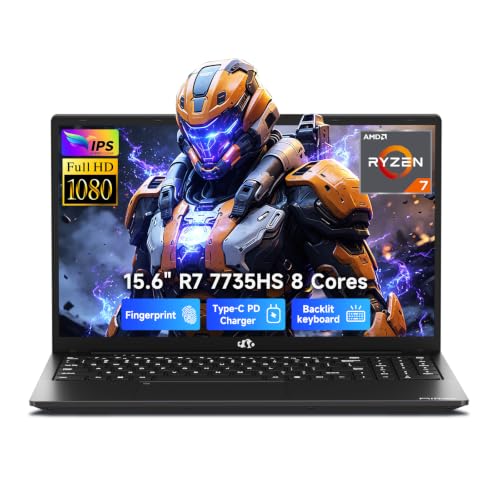
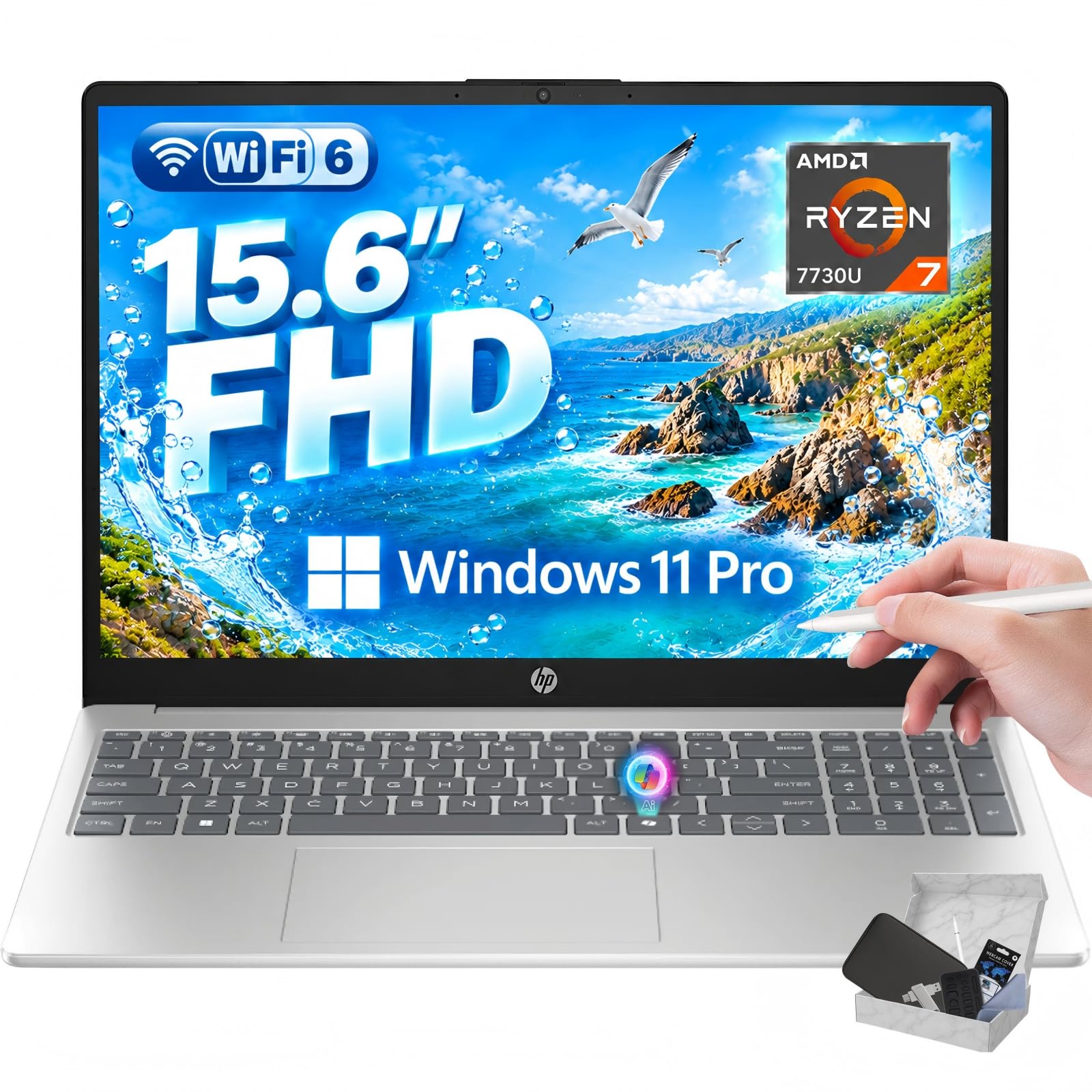
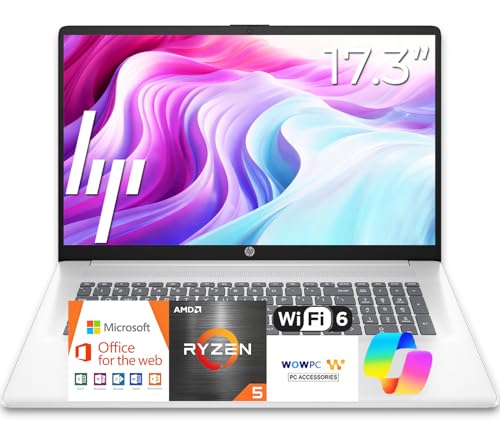


Three Price Tiers at a Glance
Think of these three tiers as shortcuts through the product table above. Each tier names who it suits, what it should deliver well, and the trade off you accept at that price.
Best Overall
The overall tier, around $700 to $1,000, suits most buyers who want one laptop for work, study, and light creative tasks. A model in this tier should pair a recent six or eight core processor with 16 GB of RAM and a 512 GB SSD, so boot times, app launches, and multitasking all feel quick. Screens and keyboards here are usually a clear step above entry models. The limit is graphics, since integrated graphics handle casual games and photo edits but not heavy video work or demanding 3D titles at high settings.
Best Value
The value tier, around $450 to $700, fits students and home users whose speed needs center on browsing, documents, streaming, and video calls. Look for at least 16 GB of RAM if you can find it on sale, or 8 GB with an upgrade slot for later. A modern processor from the last two generations keeps everyday tasks snappy. The trade offs are dimmer screens, plastic shells, and smaller batteries. If raw speed per dollar is your goal, this tier delivers most of it, and our guide to the best fast laptops shows what higher budgets add.
Best for Beginners
The beginner tier, around $400 to $600, suits first time buyers who want a machine that simply starts fast and stays simple. A current entry processor, 8 to 16 GB of RAM, and an SSD rather than a spinning drive make the biggest difference at this level. Setup should be minimal, with automatic updates and a clear, bright screen for reading. The limit is storage space and upgrade room, so beginners who store many photos or games should step up one tier. Simple models also appear in our guide to the best affordable laptops for students for school focused shoppers.
How to Choose the Best Fast Laptops: Buying Guide
Speed comes from a chain of parts working together, and the weakest link sets the feel of the whole machine. The checks below walk that chain in order, from budget reality to graphics, so you can judge any model in the table with confidence.
What You Can Realistically Get on a Budget
Around $500 to $800 buys genuinely quick everyday performance, with fast wake times, smooth multitasking, and quick file transfers. What you give up is premium build, top brightness screens, and strong dedicated graphics. Never accept a spinning hard drive at any price in this search, because it slows every task the machine does. Also treat 8 GB of RAM as the floor, not the target. Saving a little by dropping the SSD size is safer than saving by cutting memory.
Processor and Performance Tier
The processor sets the ceiling for speed. Recent Intel Core Ultra, AMD Ryzen 5 or 7, and Apple M series chips all deliver strong everyday pace, with core counts of six or more helping when many apps run at once. Single core speed matters for office apps and web work, while extra cores speed up exports and compiles. Read the full chip name and generation, because a new budget chip can outrun an older premium one. Avoid very old stock sold at small discounts.
Display Size, Resolution, and Brightness
A 13 to 15 inch screen at 1920 by 1080 resolution or higher keeps text sharp and windows roomy. Brightness around 300 nits or more lets you work near windows without strain. Higher refresh rates make scrolling feel smoother, but they matter less than resolution and brightness for most buyers. OLED panels offer rich contrast on some mid priced models, though they can use more power at high brightness. Choose the size by your desk and bag, since you will carry and view this screen daily.
Keyboard, Trackpad, and Build
A fast laptop still feels slow if typing and pointing fight you. Look for firm keys with clear travel, no deck flex while typing, and a large trackpad that tracks smoothly without lag. Aluminum shells feel sturdier and flex less than thin plastic, though good plastic can still last well. Hinges should open with one hand and hold the screen steady on a train or couch. Read feedback on build quality in listings carefully, and favor models with a one year or longer warranty.
Ports and Connectivity
USB C with charging and display support is the most useful single port on a modern laptop. Add at least one USB A port for older drives and accessories, plus HDMI if you present or use an external monitor. WiFi 6 or newer keeps speeds high on crowded home and campus networks, and Bluetooth 5 or newer pairs headsets and mice reliably. Fewer ports can work with a dock, but a dock adds cost that budget buyers should count upfront.
Graphics (Integrated vs Dedicated GPU)
Integrated graphics now handle streaming, office work, photo editing, and light gaming without extra cost or heat. A dedicated GPU earns its price if you play demanding games, edit video often, or run 3D and machine learning tools. It also adds weight, fan noise, and battery drain, so do not pay for power you will not use. Check whether your main games or apps list a GPU requirement, and let that answer decide rather than buying graphics just in case.
Types of Fast Laptops
Form factor shapes speed in daily life, because cooling, weight, and battery all change with the body style. These three common types cover most budget choices.
Ultraportables
Ultraportables are thin, light laptops built for carrying, usually around 2.5 to 3.5 lb with 13 or 14 inch screens. They feel fast for office and web work and sip battery on the go. Their limit is sustained heavy work, since slim cooling cannot hold top speeds as long as thicker bodies. They suit commuters, students, and anyone who moves between rooms or sites all day. For slim alternatives, see our guide to the best notebook laptops for similar carry friendly designs.
Gaming Laptops
Gaming laptops pair strong processors with dedicated graphics and serious cooling, so they stay fast under long heavy loads. The costs are weight, fan noise, and short battery life away from an outlet. They suit players and creators who need GPU power at a desk most of the time. Budget gaming models around $700 to $1,000 can be the cheapest route to real graphics power. Compare them directly with our guide to the best gaming laptops affordable before you commit.
Chromebooks
Chromebooks run ChromeOS and feel very fast for web work because the system is light and updates quietly in the background. They start quickly, resist most malware, and often cost less than Windows laptops with similar screens. The limit is software, since many desktop programs and most PC games do not run on them. They suit users who live in a browser for school or home tasks. If your apps are web based, a Chromebook can feel faster than a pricier machine.
Tips to Get the Most From Your Fast Laptop
A few habits keep a budget laptop feeling quick for years rather than months.
- Keep the operating system and firmware updated, since updates often include speed and battery fixes.
- Avoid holding the battery at full charge all day when settings allow a charge limit for desk use.
- Use a padded sleeve when commuting to protect the body and screen from knocks.
- Clean vents with short bursts of compressed air every few months to prevent heat slowdowns.
- Leave at least 15 percent of the SSD free, because nearly full drives slow down file work.
- Remove startup apps you do not use, so boot and wake times stay short.
Shoppers weighing general value as well as speed can also read our guide to the best and affordable laptops for a broader price comparison.
Frequently Asked Questions
How long should a fast laptop last?
A fast laptop should last about four to six years of everyday use. The processor and RAM you buy today set most of that span, because web apps and software grow heavier each year. Battery wear is the most common reason a good laptop starts to feel old. Keeping storage space free and vents clean helps the machine hold its early speed well into later years.
Is a dedicated GPU worth it?
A dedicated GPU is worth it for demanding games, regular video editing, and 3D or AI workloads. For browsing, office work, and streaming, integrated graphics are already fast and save money, weight, and battery. Check the requirements of your main apps before paying more. If none of them call for a GPU, put the savings toward RAM or a larger SSD instead for speed you will feel daily.
Is a Chromebook enough for school?
A Chromebook is enough for school when classes rely on web tools, documents, and video calls. It starts fast, updates itself, and handles note taking and research with ease. It falls short when a course requires desktop software for science, design, or engineering tools. Ask the school for its software list first, and choose a Windows or Mac laptop if any required program has no web version.
How much RAM do I need?
You need 16 GB of RAM for a fast feel with modern multitasking, such as many browser tabs plus office apps and calls at once. Eight GB still works for light use but fills quickly and can cause pauses when apps compete. Because many thin laptops cannot add memory later, buying 16 GB at purchase is the safer choice. Heavy creators should consider 32 GB if the budget allows.
Should I buy a laptop or a tablet?
Buy a laptop if you type a lot, manage files, or run full desktop programs, because it handles all three without workarounds. A tablet is lighter and better for reading and sketching, but keyboards and storage cost extra. Many people start with a laptop and add a tablet later for media. If one device must do everything for school or work, the laptop is the safer pick.
Final Thoughts: Best Affordable Fast Laptops
Real speed comes from a modern processor, 16 GB of RAM, and an SSD working together, not from any single headline spec. Match the form factor to your day, confirm the screen and ports fit your routine, and shortlist from the product table above. Judged that way, best affordable fast laptops deliver quick daily work without premium prices.


