Best Affordable Desktop Speakers for 2026: What Matters in a Small Room
Disclosure: We may earn a commission when you buy through links on this page, at no extra cost to you. As an Amazon Associate I earn from qualifying purchases. Learn more

Compare the best affordable desktop speakers by driver size, placement, bass control and connections for small rooms.
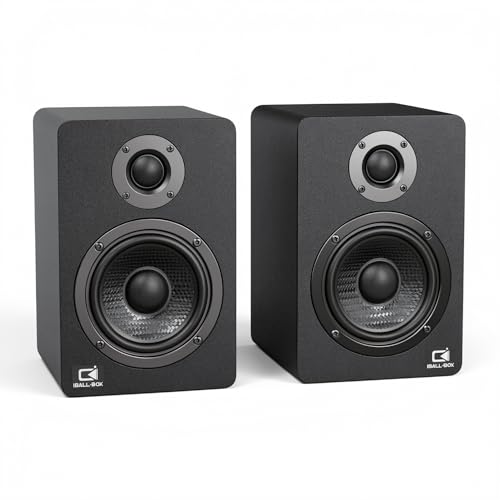
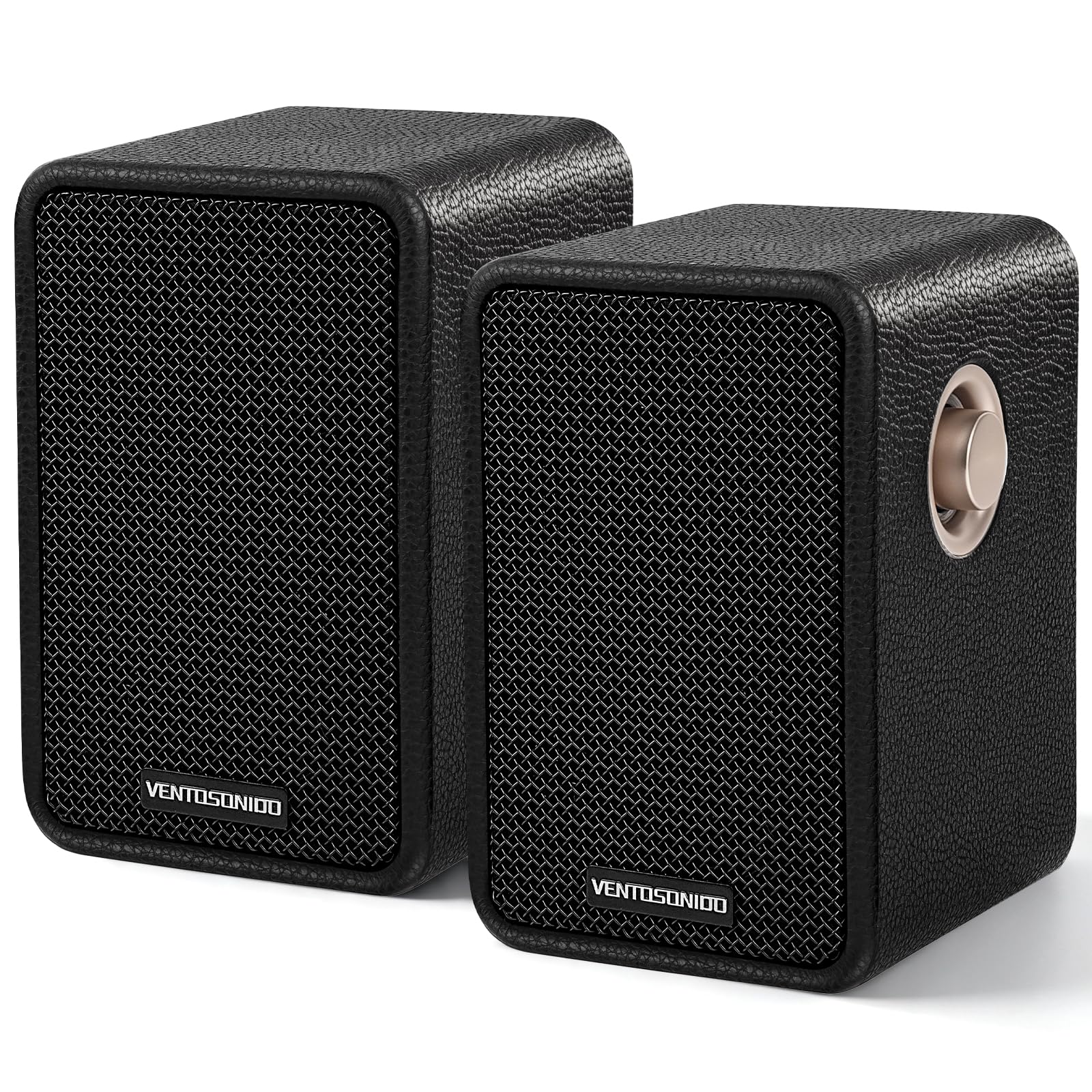
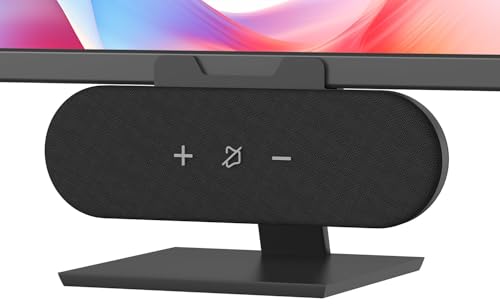
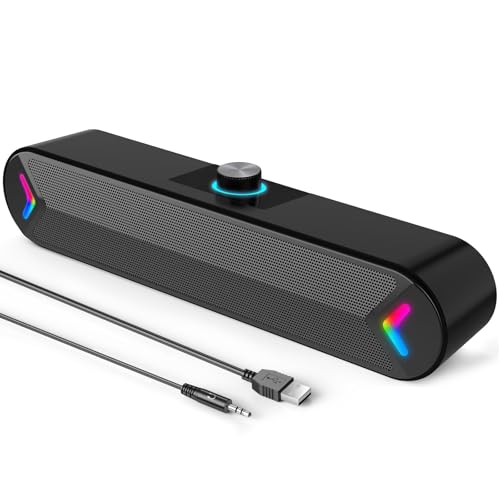
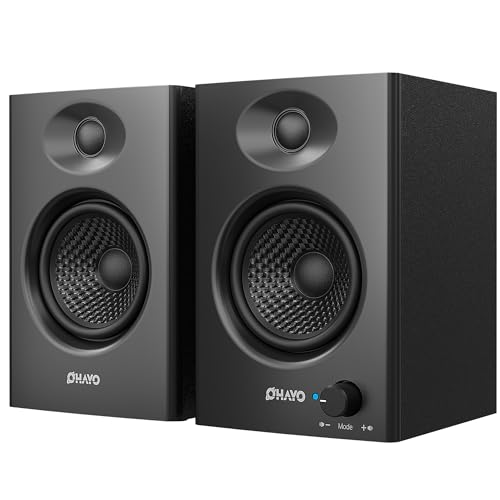
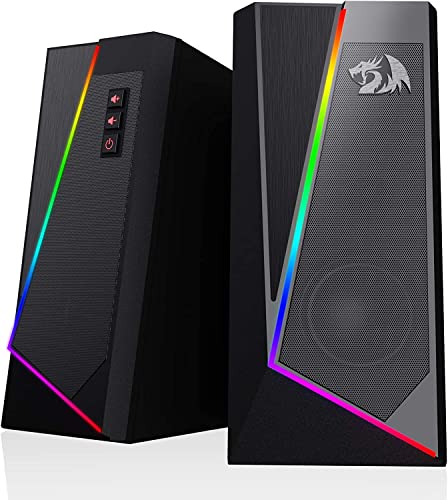
A desktop speaker has a harder job than it looks: it must sound clear at arm length, fit beside a monitor, and avoid overwhelming a small room. When you search for best affordable desktop speakers, the best choice is rarely the loudest one. It is the pair that matches your room, your desk, and the way you listen every day. The comparison table below shows the main types side by side.
Small rooms reflect sound quickly, so bass that feels exciting in a shop can sound muddy at home. A speaker with a bass control, a front port, or a smaller driver often works better in a bedroom or a home office than a large speaker built for a living room. Start with your room and desk, then choose power and features to suit that space.




Who Should Buy Affordable Desktop Speakers
Home office workers need clear speech for meetings and a speaker that stays quiet when idle. Students in shared housing need a compact pair that does not disturb others through a thin wall. Casual music listeners want warmth without a separate subwoofer, while film watchers may want a wider sound that still fits on a desk.
If your desk is against a wall, placement options matter more than extra power. The same checks apply as you shortlist the best affordable desktop speakers.
Types Compared
Compact stereo pairs
Compact pairs suit desks under 120 cm wide and rooms where you sit close to the speakers. They keep voices clear and take little space, though bass will be light compared with larger speakers.
Larger bookshelf style pairs
Larger desktop speakers give music more body and handle a wider range of sounds, but they need stands or space to breathe. They suit a dedicated office or a bedroom desk with room on both sides of the monitor.
Speakers with a small subwoofer
A subwoofer adds depth for films and bass heavy music, but it can dominate a small room if the level is too high. Place it on the floor away from a shared wall and start with the bass control near the middle.
Key Features to Compare
Driver size
A larger driver usually moves more air and gives fuller bass, but it also needs a larger cabinet. For a small desk, a driver around 3 to 4 inches often balances clarity and size better than a very large driver in a cramped space.
Port position
A rear port needs space behind the speaker to avoid boomy bass, while a front port is more forgiving when the desk sits against a wall. If your desk must sit against a wall, a front port or a sealed design is the safer choice.
Bass and treble controls
Simple tone controls let you tame bass in a small room or lift treble for clearer speech. They are more useful in daily life than a long specification list, especially if your room has hard floors or bare walls.
Bluetooth and wired inputs
Bluetooth is handy for a phone, but a wired input gives a steadier connection for a computer. Having both means you can switch sources without moving cables, which suits a desk used for work and leisure.
Budget Tiers Explained
Around $25 to $60, expect compact speakers with clear voices and light bass, which suit work and casual listening. From around $60 to $120, you can find better cabinets, tone controls, and a fuller sound. Above that range, you often pay for a subwoofer, wireless features, or a premium finish, so check whether those extras will actually improve sound in your room.
Use the product table above to compare the options at each tier, since price alone does not show which features you actually get for the money.
Common Mistakes to Avoid
Do not push speakers hard against a wall if they have a rear port, since bass can become muddy. Do not judge speakers only in a large shop, since your small room will sound different. Do not buy a subwoofer first and a stereo pair second, since the main speakers carry voices and detail. Do not run cables across a walkway, since a pulled cable can damage a speaker and a laptop.
Setup and Everyday Care
Dust the cabinets and grilles gently, and keep drinks away from the drivers. Check that cables sit loosely rather than stretched tight, and avoid leaving speakers in direct sun. If sound becomes dull, check the source volume and cable seating before assuming the speaker has failed.
Before You Decide
Another useful step is to talk through the choice with someone who will use or live with the product. They may notice a noise, size, weight, or cleaning issue that you overlooked, and their view can save a costly return later. Agree on the main priorities together, whether those are quiet operation, easy cleaning, low running costs, or simple controls. A shared decision usually lasts longer, because everyone understands why that option was chosen and what trade offs were accepted.
For a closer look at sound quality, best sounding desktop speakers compares clarity in detail, while best affordable speakers covers budget choices more broadly. Gamers should check best desktop gaming speakers, and best desktop speakers with subwoofer or best affordable bluetooth speakers help if you want deeper bass or wireless use.
Frequently Asked Questions
Why do desktop speakers sound boomy in my small room?
Small rooms and hard surfaces reflect bass, and a speaker placed against a wall can add even more low sound. Move the speakers a little away from the wall if you can, lower the bass control, and try a front port design. Soft furnishings, a rug, and curtains also help, since they reduce reflections that make bass sound thick and unclear.
How much power do I need for a bedroom desk?
Most bedroom desks need far less power than the numbers on the box suggest, since you sit close to the speakers. A modest pair played at a comfortable level will sound clearer than a powerful pair pushed hard. Focus on driver size, cabinet quality, and tone controls rather than chasing a high wattage figure.
Should I choose Bluetooth or wired desktop speakers?
Wired speakers give a reliable connection for a computer and avoid pairing delays during calls. Bluetooth adds convenience for a phone or tablet, and many affordable pairs now offer both. If you mainly use one computer, wired is the simpler choice, while Bluetooth matters more if you switch devices often.
Can I use desktop speakers with a TV as well?
Yes, if the TV has a headphone or optical output that matches the speaker input, or if the speakers accept Bluetooth from the TV. Check cable length and input type before you buy, since a desk speaker placed near a TV may need a longer cable. For a large living room, a dedicated TV sound system will usually work better.
What is the best height for desktop speakers?
The tweeters should sit close to ear height when you sit at the desk, so sound reaches you directly rather than bouncing off the desk surface. Small stands, books, or foam pads can raise a compact pair without taking much space. Keep both speakers at the same height and distance for a balanced stereo image.
Final Thoughts
Choosing well comes down to matching the product to your space, your routine, and your budget, rather than chasing the longest feature list. Review the product table above once more, note the features that matter most for your own use, and let those priorities guide your final choice. The right option is the one you will use comfortably every day, not the one that looks best on paper.
For most buyers, best affordable desktop speakers is a decision worth taking slowly: measure, compare, and check care needs before you buy. If you have a health, safety, or medical concern linked to this product, talk with your clinician or a qualified professional before you rely on any general guidance here.