
Best Affordable Dell Laptops 2026: A Practical Guide
Disclosure: We may earn a commission when you buy through links on this page, at no extra cost to you. As an Amazon Associate I earn from qualifying purchases. Learn more

Compare the best affordable Dell laptops by processor, memory, storage, screen and battery life for study and work.
Dell sells laptops across a wide price range, and the affordable end can be excellent for study and office work if you prioritise the right specifications. This guide to best affordable dell laptops explains where to spend and where to save, so a modest budget still buys a machine that lasts. The comparison table below outlines the main lines and uses.
At affordable prices, memory, storage type, and screen quality affect daily experience more than headline processor speed. A laptop with enough memory and fast storage feels responsive for years, while a machine with a dim screen or slow hard drive frustrates daily. Start from those basics.

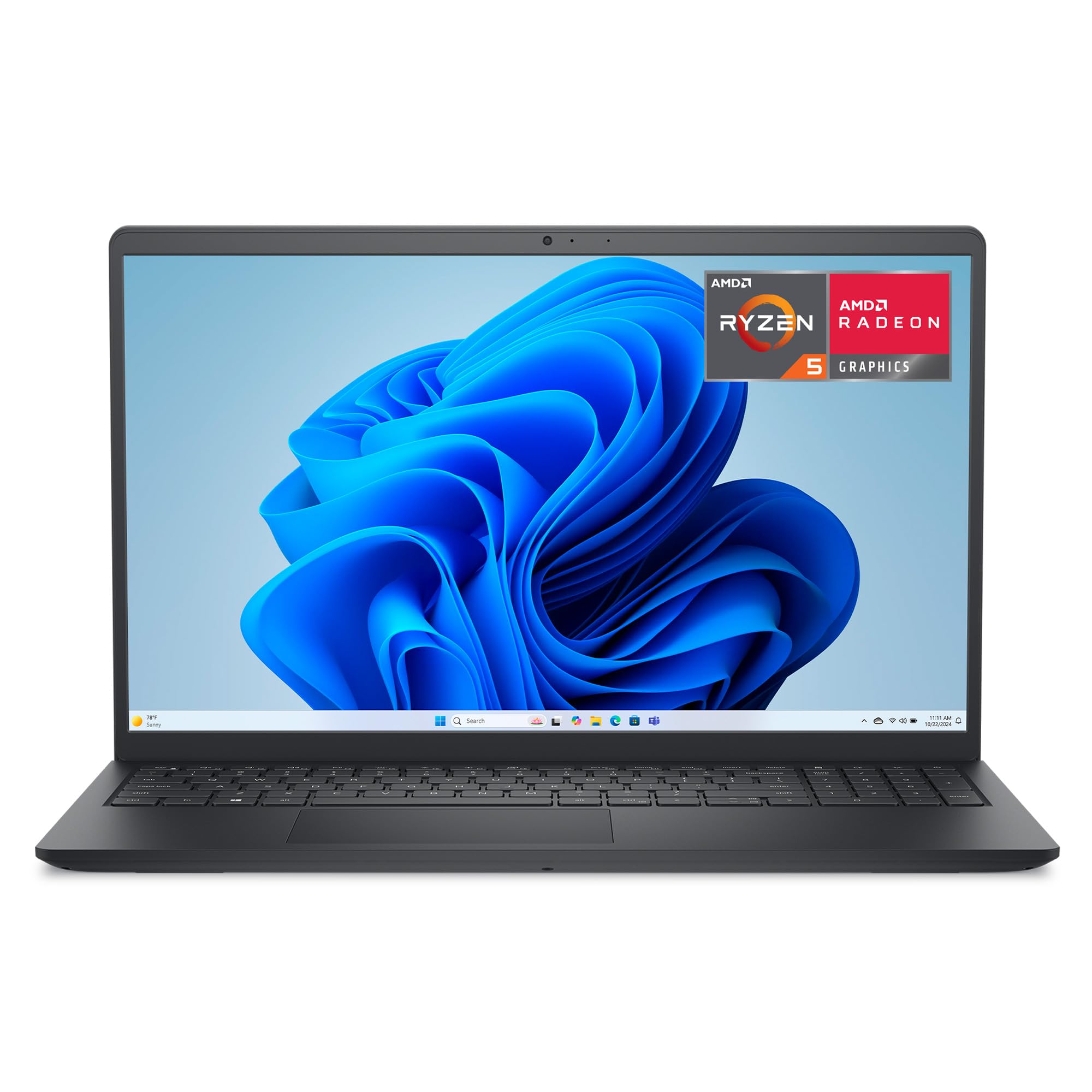
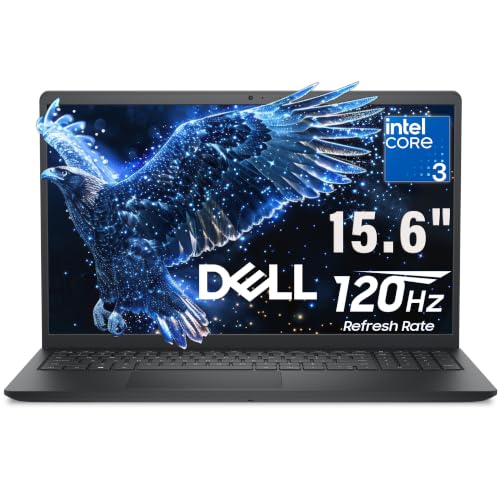
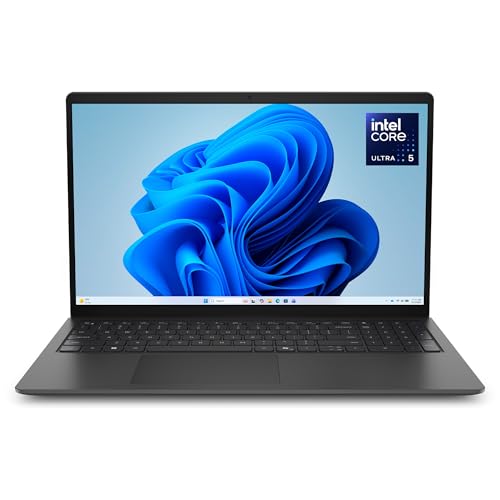
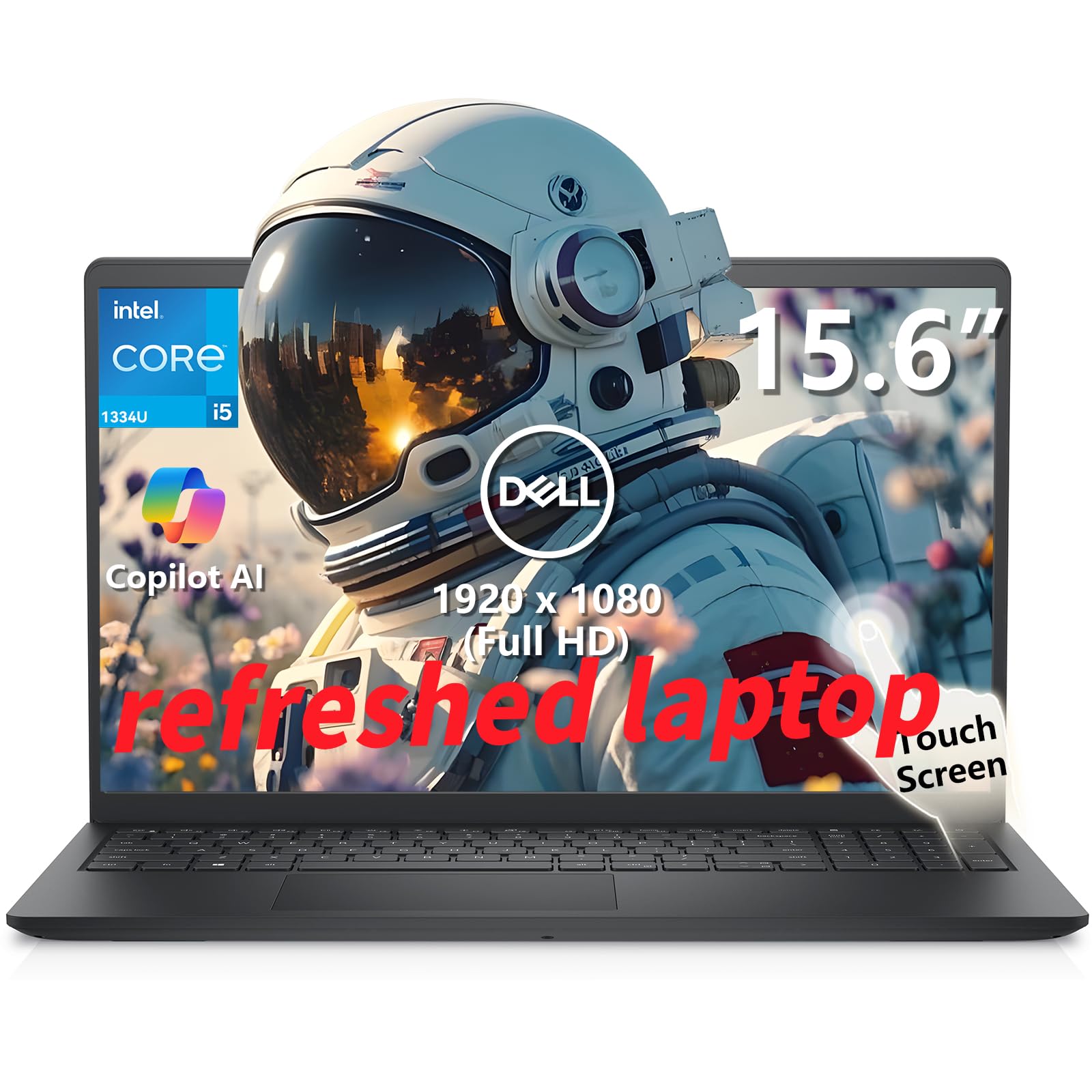



Who Should Buy Affordable Dell Laptops
Students, office workers, and home users who browse, write, stream, and video call will find affordable Dell laptops well suited, provided memory and storage are adequate. Light photo editing and casual games are possible, but heavy video editing, 3D work, and demanding games need higher specifications and a larger budget. The same checks apply as you shortlist the best affordable dell laptops.
If you carry the laptop daily, weight and battery life matter as much as performance. A lighter machine with a full day battery often serves study and office life better than a heavier machine with slightly faster specifications. Check weight with the charger included, since that is the real travel weight.
Processor, Memory, and Storage
For everyday use, a current mid range processor with at least 8 GB of memory handles browsing with many tabs, office software, and video calls smoothly. Heavy multitaskers and future proofing buyers should favour 16 GB where the budget allows, since memory upgrades are not always possible on thin models.
Storage should be solid state rather than a traditional hard drive for responsiveness. A 256 GB drive suits cloud based users, while 512 GB suits users who keep large photo and video libraries locally. Check whether storage and memory are upgradeable before buying, since that flexibility extends useful life. For wider budget context, best and affordable laptops compares other brands.
Screen, Keyboard, and Build
Screen quality affects every hour of use. Look for full high definition resolution, adequate brightness for your rooms, and viewing angles that stay clear when you shift position. A dim or low resolution screen causes eye strain and makes multitasking harder, so prioritise it over minor processor gains.
Keyboard comfort matters for writers and students. Check key travel, layout, and backlighting if you work in dim rooms. Build quality at affordable prices varies, so check hinge feel, lid flex, and port selection. For the broader Dell range, best dell laptops and best laptops from dell cover higher tiers.
Battery, Ports, and Connectivity
Battery claims assume light use, so expect less in real work with video calls and bright screens. A machine that delivers a full study or work day without hunting for outlets is worth a modest premium. Check charging speed and whether charging uses a standard USB C port or a proprietary charger.
Ports shape daily convenience. USB A, USB C, HDMI, and a headphone jack cover most needs, while a card reader helps photographers. Wireless performance matters for video calls, so check WiFi standards and consider wired ethernet via an adapter for a fixed desk. For portable notebook styles, best notebook laptops focuses on slim machines.
Mistakes Worth Avoiding
Buying the cheapest model with minimal memory and a slow drive is the most common error, since it feels slow within a year. Another is paying for a gaming graphics card you will not use, while skimping on memory or screen. Match specifications to your real software, not to aspirational uses.
Check warranty and support terms before buying, since affordable lines vary in coverage. Keep the operating system and drivers updated, back up important work regularly, and use a padded sleeve for travel. For affordable gaming specifically, best gaming laptops affordable covers graphics led choices separately.
Setting Up a New Laptop for Daily Work
Initial setup shapes long term satisfaction, starting with updates, account security, and backup routines before heavy use begins. Install operating system updates, enable automatic backups to cloud or external storage, and set up strong sign in protection such as a PIN or biometric login where available. These steps take an hour yet prevent far larger problems later.
Software choices also matter, since unnecessary preinstalled apps slow startup and clutter storage. Remove apps you will not use, install only the office, browser, and study tools you need, and keep a simple folder structure for documents. A tidy system boots faster, searches faster, and makes backups simpler to verify.
Battery care during early use sets habits that extend battery health, such as avoiding constant full discharge, keeping the laptop cool during charging, and using power saving modes when working away from outlets. Laptops are tools for daily work, and gentle battery habits keep them useful for travel and study long after purchase.
Choosing Between Portability and Performance
Portability and performance pull in opposite directions at affordable prices, since lighter machines often use lower power processors and smaller batteries to save weight, while heavier machines offer more power and larger screens. Students who carry a laptop all day usually benefit more from light weight and battery life than from marginal processor gains, while desk based users can favour screen size and keyboard comfort.
Screen size deserves special attention in this trade off, since a larger screen aids multitasking and reduces eye strain, yet adds weight and bulk. A 13 or 14 inch screen suits frequent travel, while a 15 inch screen suits desk work and split screen study. Try both sizes in person where possible, carrying the machine in a bag to judge real travel weight.
Finally, consider repairability and upgrade paths, since a laptop that allows memory or storage upgrades later can adapt as needs grow. Check maker documentation before buying, and favour models with accessible panels and available spare parts. A machine that can grow with you offers better long term value than a sealed machine that cannot adapt.
A Final Check Before You Order
Before ordering, confirm memory and storage upgrade options, since some thin models solder memory and storage permanently. A model that allows later upgrades adapts as needs grow, while a sealed model locks you into launch specifications for its whole life. Check maker documentation and favour upgradeable designs where the budget allows.
Also check keyboard comfort, screen brightness, and hinge feel in person where possible, since those daily experience factors matter more than minor processor differences. Type a paragraph, view the screen at an angle, and open and close the lid several times. A laptop that feels good in those checks will feel good after hundreds of hours.
Finally, check warranty length, support channels, and battery replacement options, since affordable lines vary in coverage. Keep the purchase receipt and serial number accessible, and set up backups before heavy use begins. A laptop with clear support and a backup routine serves study and work far more reliably than a slightly faster machine without them.
Frequently Asked Questions
Is 8 GB of memory enough for an affordable laptop?
For browsing, office work, streaming, and video calls, 8 GB is usually enough today. Heavy multitaskers, large spreadsheets, and photo editing benefit from 16 GB. If the model cannot be upgraded later, favour 16 GB where the budget allows for longer useful life. Revisit the choice after a short trial period to confirm it still suits you.
Should I choose SSD storage over a hard drive?
Yes, for responsiveness. Solid state storage boots faster, opens apps sooner, and resists shock better than a traditional hard drive. A 256 GB SSD suits cloud users, while 512 GB suits local libraries. External drives can add space later, but system speed depends on the internal drive, and compare a few models before you decide.
Can an affordable Dell laptop handle light gaming?
It can handle casual and older games at modest settings, especially with integrated graphics improvements. Demanding modern games need a dedicated graphics card and higher budget. Check the specific games you play against the graphics specifications rather than assuming all laptops game equally. Check maker guidance and compare a few models before you decide.
How important is screen brightness?
Very important for rooms with windows and outdoor use. A brighter screen stays readable without washing out, while a dim screen strains eyes and limits where you can work. Full high definition resolution and reasonable brightness matter more than minor processor differences for daily use. Check maker guidance and compare a few models before you decide.
How long should an affordable laptop last?
With adequate memory and solid state storage, three to five years of everyday use is realistic, depending on care and software demands. Battery capacity fades over time, and operating system updates may eventually outgrow entry specifications. Regular backups and gentle handling extend useful life. Check maker guidance and compare a few models before you decide.
Final Thoughts
An affordable Dell laptop serves well when memory, solid state storage, and screen quality are prioritised over headline speed or unused graphics power. Check upgrade options, battery life, and keyboard comfort, and match the machine to your real software. The product table above can help you compare lines, and best affordable dell laptops reward buyers who spend where daily experience is felt. If you need heavy editing or gaming performance, raise the budget rather than forcing an entry model to do work it was not built for.


