Best Affordable Computer Speakers for 2026: Clear Sound for a Desk Setup
Disclosure: We may earn a commission when you buy through links on this page, at no extra cost to you. As an Amazon Associate I earn from qualifying purchases. Learn more

Compare the best affordable computer speakers by size, power, connections and placement for a clearer desk setup.
Laptop and monitor speakers are fine for a quick call, but they rarely fill a room or make music enjoyable. That is why many people look for best affordable computer speakers as a first upgrade, and the good news is that a modest budget can buy a clear, balanced sound if you choose the right type. The comparison table below gives you a quick overview of the main options.
The trick is to match the speaker to your desk, not to a specification sheet. A large speaker with deep bass will overwhelm a small desk and a shared room, while a tiny speaker may sound thin if you sit far away or listen to full music. Think about where you sit, how loud you listen, and whether you need a headphone jack, Bluetooth, or a simple wired connection.


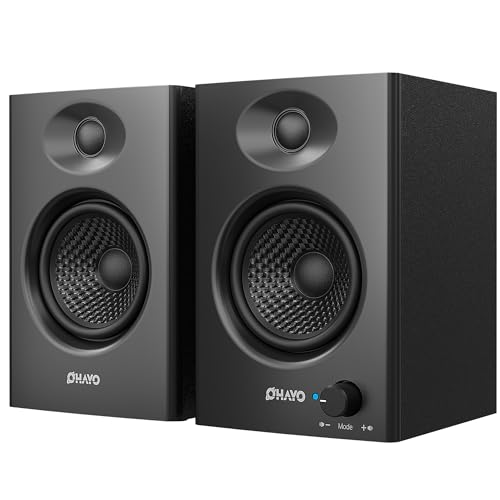
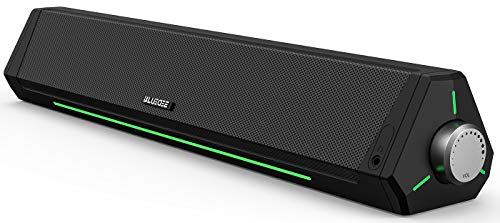


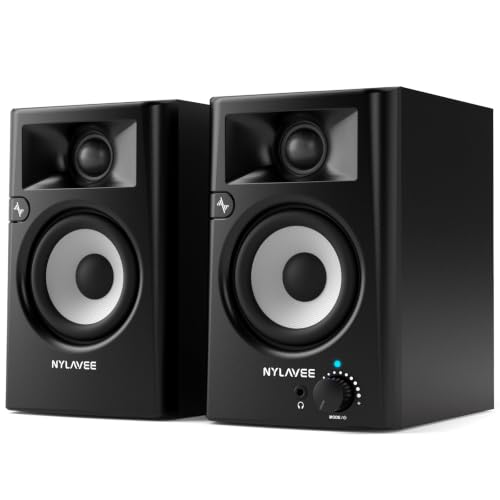
Who Should Buy Affordable Computer Speakers
Remote workers need clear voices for calls and a speaker that does not hum or hiss when idle. Students often need a compact pair that fits beside a laptop and can move between rooms. Music listeners want a fuller sound with some bass, while gamers want clear direction and dialogue without a bulky setup.
If you share a room, a pair with a volume control you can reach easily matters more than raw power. The same checks apply as you shortlist the best affordable computer speakers.
Types Compared
Two speaker stereo pairs
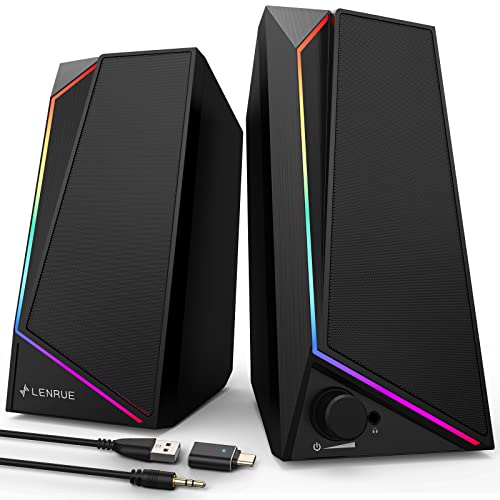
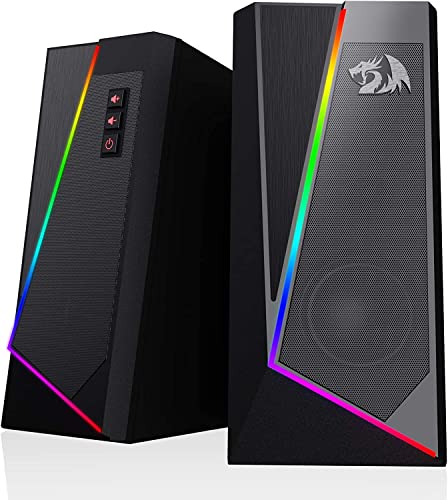
A simple pair of stereo speakers is the most common budget choice and suits most desks. Place them at ear height, angled slightly toward you, with equal distance from each side for a balanced sound image.
Two speakers plus a subwoofer
Adding a small subwoofer gives music and films more weight, but it needs floor or desk space and can disturb neighbours. Keep the subwoofer level low at first, since a little bass goes a long way in a small room.
Single soundbar style speakers
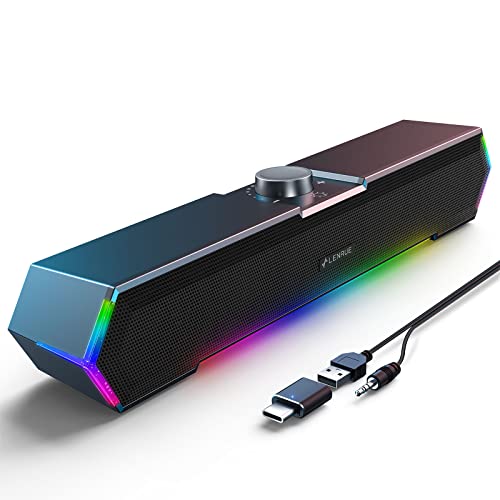
A single wide speaker saves desk space and suits a monitor setup where two separate speakers would crowd the desk. Soundbars can sound wider than their size suggests, but they rarely match a well placed stereo pair for music detail.
Key Features to Compare
Size and placement
Measure your desk depth and the space beside your monitor before you buy. Speakers that are too large will push your keyboard forward or sit too close to a wall, which can make bass sound boomy and unclear.
Power and volume
Power ratings alone do not tell you how loud or clear a speaker will sound in your room. A modest speaker with a clean amplifier often sounds better at normal desk volume than a high power speaker that distorts early.
Connections
USB powered speakers are simple and suit a laptop, while a 3.5 mm input works with almost any device. Bluetooth adds flexibility for a phone, but a wired connection is usually more reliable for calls and video.
Controls
A front volume knob, a headphone jack, and a mute option make daily use much easier than reaching behind a monitor. If you take calls often, check that the speaker does not pick up buzz from a nearby charger or monitor.
Budget Tiers Explained
Around $20 to $50, expect compact speakers that beat laptop sound clearly but offer limited bass and detail. From around $50 to $100, you can find larger drivers, cleaner amplifiers, and better controls. Above $100, you are often paying for a subwoofer, Bluetooth, or a nicer cabinet rather than a basic change in clarity, so try the middle range first if your desk is small.
Use the product table above to compare the options at each tier, since price alone does not show which features you actually get for the money.
Common Mistakes to Avoid
Do not place speakers flat on a desk against a wall without checking how they sound, since reflections can muddy voices. Do not buy on wattage alone, since the number does not describe sound quality. Do not ignore cable length, because a short cable can force an awkward layout. Do not set volume at maximum on both the computer and the speaker, since that can add distortion that sounds like a faulty speaker.
Setup and Everyday Care
Keep speakers away from drinks and dust, and wipe cabinets with a dry cloth. Check cables every few months for fraying near the plug, and keep the volume at a moderate level to protect the drivers. If a speaker starts to buzz, check the cable and the source first, since a loose connection is more common than a failed driver.
Related Guides
For a closer look at clarity, read our guide to the best sounding computer speakers, and for wider budget options see the best affordable speakers.
Frequently Asked Questions
Do I need a subwoofer for computer speakers?
Not always, since many listeners are happy with a good stereo pair for work, calls, and casual music. A subwoofer helps if you watch films or listen to bass heavy music often, but it needs space and careful volume control. Start with a stereo pair, and add a subwoofer later only if music still sounds thin at your normal listening level.
Are USB speakers good enough for daily use?
Yes, for most desk use, since USB speakers are simple, need no extra power outlet, and sound far better than built in laptop speakers. They may lack deep bass and high volume, but they suit calls, video, and background music well. If you listen loudly or want room filling sound, choose a pair with its own power supply instead.
Where should I place desk speakers?
Place them at ear height when you sit, with the same distance from you on each side and a slight angle inward. Keep them a little away from the wall if possible, and avoid placing one speaker inside a closed shelf while the other sits in open air. Small stands or foam pads can reduce desk vibration and make voices clearer.
Why do my speakers hum or hiss?
Hum often comes from a ground loop, a nearby charger, or a cable running beside a power cable. Try a different USB port, move the audio cable away from power cables, and lower the speaker volume while raising the computer volume slightly. If the noise stays when nothing is playing and cables are changed, the speaker amplifier may be the cause.
Can affordable speakers work for video calls?
Yes, provided you choose a pair with clear midrange sound and a headphone jack for private calls. Place the speakers away from your microphone to reduce echo, and keep the volume moderate so the microphone does not pick up the other person voice. For very quiet rooms, a headset may still be better for calls, with speakers used for music and video.
Final Thoughts
Choosing well comes down to matching the product to your space, your routine, and your budget, rather than chasing the longest feature list. Review the product table above once more, note the features that matter most for your own use, and let those priorities guide your final choice. The right option is the one you will use comfortably every day, not the one that looks best on paper.
For most buyers, best affordable computer speakers is a decision worth taking slowly: measure, compare, and check care needs before you buy. If you have a health, safety, or medical concern linked to this product, talk with your clinician or a qualified professional before you rely on any general guidance here.