
Best Affordable Binoculars for Birding in 2026: Types Compared and How to Choose
Disclosure: We may earn a commission when you buy through links on this page, at no extra cost to you. As an Amazon Associate I earn from qualifying purchases. Learn more

Compare the best affordable binoculars for birding by type, with honest notes on glass, close focus, field of view, and what each price band really delivers.
Binocular listings blur together fast, with the same magnification numbers appearing at wildly different prices and every box promising a bright, sharp view. The honest starting point is that birding is a light and identification task. You scan, you spot movement, and then you need fine detail quickly, often in shade or at dawn. That is why the best affordable binoculars for birding are chosen on close focus, field width, and glass quality rather than on raw magnification.
This guide compares the main types side by side so you can see what each one gives up and what it keeps. The comparison table below sets out the types, their best uses, and their typical prices, and the sections after it explain how to choose. Readers comparing general birding optics may also find our guide to the best binoculars birding helpful for wider context on the category.


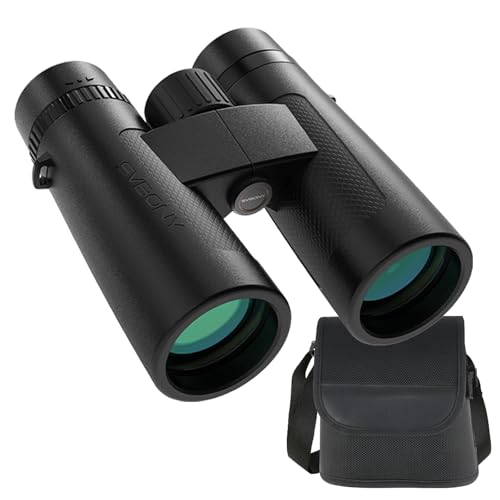

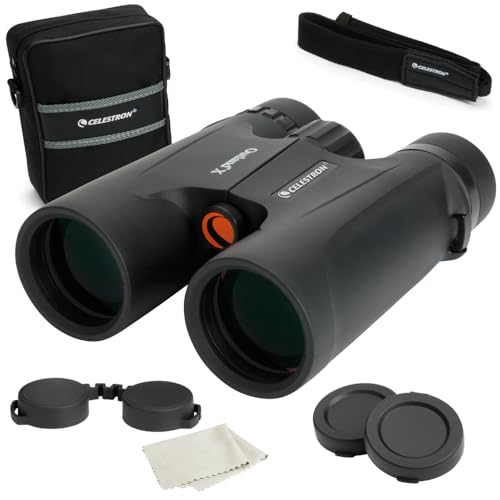
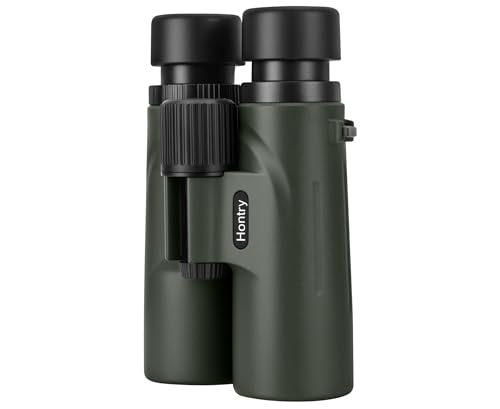
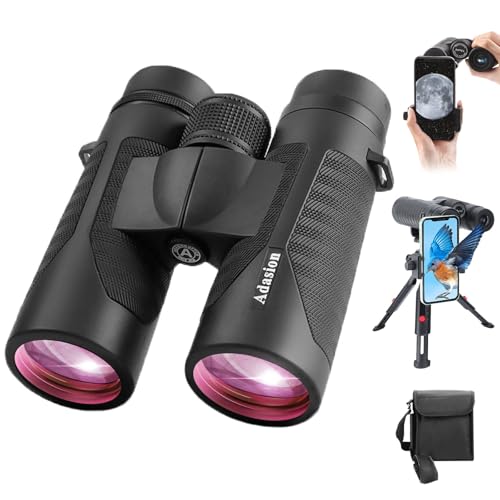


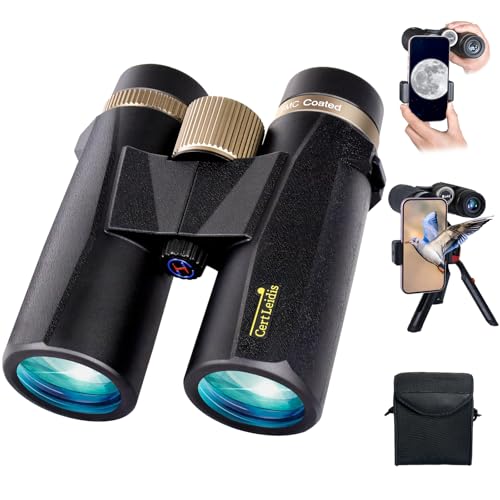

Types of Binoculars Compared
Every affordable binocular belongs to one of a few size and prism classes, and the class decides weight, brightness, and price before any single specification does. The table below compares the four classes that matter at this budget. After the table, each type gets its own short section with its strengths, its limits, and the birders it suits.
| Type | Best For | Pros | Cons | Typical Price |
|---|---|---|---|---|
| Compact binoculars | Travel and casual walks | Very light, pocket sized, low cost | Narrow field, dimmer at dusk | about $25 to $70 |
| Mid size binoculars | All day birding on foot | Good balance of weight and light | Slightly dimmer than full size | about $60 to $140 |
| Full size binoculars | Serious identification work | Brightest view, widest field | Heavier around the neck | about $90 to $250 |
| Porro prism binoculars | Home and garden watching | Strong depth feel, low price | Bulkier, fewer sealed models | about $40 to $120 |
Compact Binoculars
Compact binoculars use small objective lenses, usually 21 to 28 mm, and fold down small enough for a coat pocket. Their strength is simple: you actually carry them, so they are present for the unexpected warbler on a lunch break walk. For planned travel where space is tight, our guide to the best small binoculars for birding covers this size class in more depth.
The tradeoffs are real. Small lenses gather less light, so the view dulls early at dusk, and the narrow field makes it harder to find a moving bird in the glass. Eye relief is often short, which frustrates glasses wearers. Treat compacts as a second pair or a travel pair rather than your main birding tool, unless your birding is mostly midday and close to home.
Full Size Binoculars
Full size binoculars carry objective lenses of 42 mm or more, and this is the class most birders end up choosing. The larger lenses feed a brighter image, the field of view is wide enough to track birds through branches, and the bigger body is easier to hold steady. An 8x42 gives a calm, wide view, while a 10x42 trades a little width and steadiness for extra reach.
The cost is weight. A full size pair hangs on your neck for hours, and cheaply built ones can feel tiring by midday. At affordable prices, this class also shows the widest quality spread, so the buying factors later in this guide matter most here. If you bird wetlands, woods, and dawn chorus walks, this is the class to budget for first.
Mid Size Binoculars
Mid size binoculars, usually 8x32 or 10x32, sit between the two classes above. They weigh noticeably less than a 42 mm pair, fit smaller hands well, and still deliver a respectable field of view. For birders who walk far, cycle to sites, or simply dislike neck strain, this class is often the honest sweet spot.
You give up some low light reach. A 32 mm lens collects less light than a 42 mm lens, so the last minutes of dusk are shorter. Within this budget, though, a well coated 8x32 can look sharper than a poorly coated 8x42, because coatings and glass quality matter as much as lens size. Judge this class by its glass, not just its numbers.
Porro Prism Binoculars
Porro prism binoculars are the older, wider bodied design, with offset barrels that give a strong sense of depth. Because the design is simpler to build, affordable Porro models often deliver surprisingly good optics for the money, and they remain a sensible choice for garden and feeder watching.
The downsides are bulk and sealing. The wide body does not pack as neatly, the internal focus parts are more exposed on many budget models, and fully sealed, fogproof Porro binoculars are less common at low prices. Birders who mostly watch from a porch, a hide, or a car window may not mind. Walkers covering rough, wet ground usually prefer the slimmer roof prism classes above.
Compact Binoculars vs Full Size Binoculars: Which Should You Choose?
Start with light. A full size 8x42 has an exit pupil of about 5.25 mm, while a compact 8x25 manages about 3.1 mm, so the full size view stays usable much later into dusk. Dawn and dusk are the most demanding hours for birding glass, and this is where compacts quietly fail.
Next, field of view. Full size models commonly show a wider slice of the scene, which makes it far easier to land on a bird you first spotted with your naked eye. Compacts narrow that window, so beginners often spend longer searching. Weight runs the other way: a compact may weigh under 300 grams, while a full size pair can pass 700 grams, and that difference decides what you carry on a long walk.
Price completes the picture. Compacts are cheap enough to keep in a car or a daypack, and full size models ask for a bigger share of the budget. Many birders own both over time, but if you can buy only one pair for birding, buy the full size or mid size pair first and let the compact come later.
How to Choose the Best Affordable Binoculars for Birding
The factors below decide whether a pair of best affordable binoculars for birding earns its place in your bag. Read them in order, because the first two protect the purchase and the rest fine tune it. Shoppers weighing the broader budget category can also compare notes with our guide to the best affordable binoculars across all uses.
Durability and Weather Sealing
Birding happens in drizzle, cold mornings, and dusty fields, so sealing is not a luxury. Look for binoculars described as waterproof and fogproof, with nitrogen purged or argon purged barrels that keep internal fogging away when you step from a warm car into cold air. Rubber armor helps with grip and with the small knocks every pair eventually takes.
Check the focus wheel and the hinge for smooth, grit free movement, since these moving parts fail first on cheap models. A stated water resistance rating without fogproofing is only half the job. If you bird near coasts or wetlands, treat full sealing as a requirement, not an upgrade, and budget for it before paying for extra magnification.
Ease of Use for Your Skill Level
A binocular you can set up in seconds is the one you will use well. Twist up eyecups should click into place and stay there, and eye relief of about 15 mm or more keeps the full field visible if you wear glasses. The diopter adjustment, usually on one eyepiece, lets you balance the two barrels to your own eyes, and it should hold its setting once dialed in.
New birders often do better with 8x magnification, because the wider, steadier view makes finding birds easier while skills build. Our guide to the best birding binoculars for beginners goes deeper on starter friendly setups. Whatever you choose, the center focus wheel should turn with one finger, since you will adjust it constantly as birds move between near and far perches.
Features That Matter for Birding
Birding asks for two things most general binoculars treat as secondary: close focus and a wide field. Close focus of about 2 meters or less lets you examine butterflies, dragonflies, and a warbler in the bush beside the trail, and many cheap models cannot focus nearer than 4 or 5 meters. A field of view around 7.5 degrees or wider, often listed as about 130 meters at 1000 meters, keeps fast birds in frame.
Magnification is the third factor, and it is the one buyers overvalue. Ten power sounds better than eight, but it narrows the field, shrinks the exit pupil, and magnifies hand shake. For most birding, 8x42 or 8x32 is the balanced specification. Choose 10x only if your birding is mostly open water, shorebirds, and raptors at distance, where reach matters more than width.
Glass, Coatings, and Image Quality
At an affordable price, glass coatings and build quality are the honest tradeoffs, and this is where the money actually goes. Fully multi coated optics, meaning coatings on all air to glass surfaces, pass more light and control glare better than merely coated or multi coated glass. Phase coatings on roof prisms sharpen contrast, and ED glass, when it appears at the top of this budget, reduces the color fringing you see on backlit branches.
Read maker brightness and field figures with care, because they are measured under ideal conditions. Two binoculars with identical listed specifications can look clearly different in real shade. If a listing leads with huge magnification and a tiny price while saying nothing about coatings, expect the savings to have come out of the glass.
What You Can Realistically Get on a Budget
Around $50, expect a usable compact or Porro pair with basic coatings and modest sealing. About $100 to $180 is the productive band for birding: fully multi coated 8x42 and 8x32 models with real weather sealing live here. Near $250, ED glass and phase coatings begin to appear, and the view gains contrast you can see at dawn.
Do not save money on the focus mechanism or the sealing, because those failures end the binoculars' life, while slightly plain glass merely softens it. Do save money on extras like bundled cases, phone adapters, and cleaning kits, which add little. A plain, well coated pair at about $150 will out bird a feature stuffed pair at the same price almost every time.
Tips to Get the Most From Your Pair of Binoculars
Set the interpupillary distance once, so the two circles merge into one, and note the number if your hinge shows a scale. Adjust the diopter with the lens caps on, focusing each eye separately, and the image will snap into balance. Clean lenses with a blower first, then a lens cloth, never your shirt, because grit on fabric scratches coatings.
Carry the pair on a harness or a wide strap rather than the thin cord in the box, and your neck will last the whole walk. Store binoculars in a dry, padded bag away from car heat, which ages the seals and the focus grease. If you also watch game at distance, the field habits in our guide to the best affordable binoculars for hunting overlap with birding more than most people expect.
Frequently Asked Questions
What features matter most in binoculars for birding?
Close focus and field of view matter most, ahead of magnification. A pair that focuses down to about 2 meters and shows a field near 7.5 degrees or wider will find and follow more birds than a stronger but narrower pair. After those two, weather sealing protects the purchase, and comfortable eye relief decides whether you enjoy long sessions. One factor many buyers miss is focus wheel speed: a wheel that goes from close focus to distance in about one full turn keeps up with birds moving through layered branches.
What does 8x42 or 10x42 mean on binoculars?
The first number is magnification and the second is the objective lens size in millimeters. An 8x42 makes subjects look eight times closer through 42 mm front lenses. Dividing the lens size by the magnification gives the exit pupil, so an 8x42 offers about 5.25 mm and a 10x42 about 4.2 mm, and bigger exit pupils feel brighter in low light. The hidden catch is eye relief and field width, which are listed separately and often shrink as magnification rises.
What specs matter most for beginners choosing birding binoculars?
Beginners should start with 8x magnification, a 32 or 42 mm lens, and a weight they can carry all morning. Eight power is forgiving: the view is steadier, the field is wider, and finding the bird is easier while scanning skills develop. Weight deserves more respect than it gets, because a pair left at home has perfect specifications and zero value. Beginners should also check the minimum focus distance before buying, since feeder and garden birding happens closer than most people expect.
Which binoculars are better for low light birding?
Larger exit pupils and better coatings win at dawn and dusk, so an 8x42 outperforms a 10x42 and any compact when the light fades. The exit pupil figure tells part of the story, but coatings decide how much of that light reaches your eye without glare. In deep shade under a forest canopy, midday can behave like dusk, so woodland birders should weight this factor heavily. No affordable binocular matches a premium one here, but a well coated 8x42 gets you most of the way.
Is a smartphone enough instead of binoculars for birding?
A smartphone is not enough for birding, because phone cameras crop and process rather than magnify optically, and fine feather detail disappears into digital noise. Phones shine after the sighting, for recording calls and snapping a record shot through the binocular eyepiece with an adapter. They also drain quickly in cold weather, right when dawn birding peaks. Treat the phone as a notebook and a sound recorder, and let real glass do the finding and identifying.
Final Thoughts
Choose the type first, then judge the glass. For most birders, a sealed, fully multi coated 8x42 or 8x32 in the about $100 to $180 band is the purchase that lasts, while compacts serve travel and Porro models serve the garden. Keep close focus, field width, and sealing at the top of your list, and treat magnification as a tradeoff rather than a prize.
The product table gathers current options in one place, so compare your shortlist against it before you order. Chosen with these factors in mind, the best affordable binoculars for birding will feel less like a compromise and more like the pair you simply always bring.


