
Best Affordable Android Smartphones: Our 2026 Checklist and Buying Guide
Disclosure: We may earn a commission when you buy through links on this page, at no extra cost to you. As an Amazon Associate I earn from qualifying purchases. Learn more

Use this checklist to find the best affordable android smartphones, covering display, updates, storage, cameras, and 5G so you buy with confidence.
A low price phone can feel like a bargain in the store and a frustration within months if updates end early or storage fills fast. A clear checklist prevents that, by ranking the specs that shape daily use above the ones that only look good in an ad. This guide to the best affordable android smartphones gives you that checklist in plain terms.
You will learn what a modest budget can realistically deliver, how to judge displays, cameras, and support windows, and which warning signs should end a deal. Start with the comparison table below, then score any phone you like against the sections that follow.
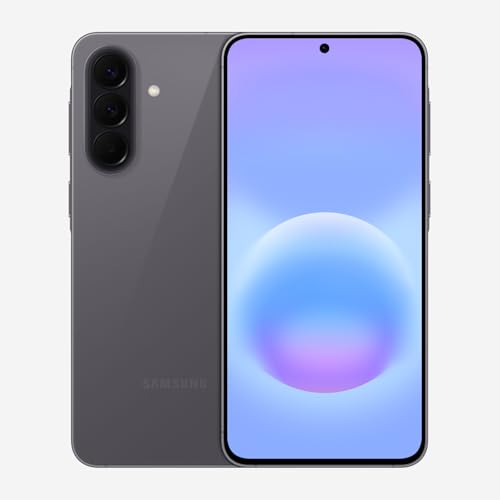


How We Evaluate Android Smartphones
Treat evaluation as a scoring exercise you can repeat for any model in about ten minutes. Give the most weight to software support, display quality, and battery health, since you feel those every day and cannot upgrade them later. Cameras, storage, and build come next, followed by extras like wireless charging.
For a wider market view before you narrow down, see our guide to the best android smartphones across all prices and note which features trickle down to affordable models each year.
What You Can Realistically Get on a Budget
For around $200 to $400, expect a sharp OLED or good LCD display on many models, a processor that handles daily apps and light games smoothly, and a battery that lasts a full day for most users. Expect limits in camera zoom, video quality in dim light, and premium materials. Do not accept short update support or only 64 GB of storage to save a small sum.
Charging speeds vary widely at this price, so check both the watt rating and whether a charger is included in the box. A missing charger and a case can add around $30 to $50 to the real price.
Display Size and Quality
An OLED display gives deeper blacks, better contrast, and often better battery behavior with dark themes than a basic LCD. A refresh rate of 90 Hz or 120 Hz makes scrolling and animations look smoother, though it can use more power. Brightness matters outdoors, so favor panels rated high enough to stay readable in sun.
Size is a comfort choice. A screen around 6.1 to 6.5 inches balances one hand use and media viewing for most people, while larger screens help video and split screen work but strain pockets and thumbs. If you prefer a compact phone, compare dimensions in our guide to the best small android smartphones before you buy.
Storage Options
Choose 128 GB as a sensible minimum for most buyers, since photos, video, apps, and system files grow every year. With 256 GB you gain years of headroom and better resale appeal, which can be worth a modest step up. A microSD slot, where offered, is a cheap way to store media and downloads.
Check free space rather than headline size, since the system and preloaded apps take a share on day one. If you shoot a lot of video or play large games, treat 256 GB as your starting point rather than an upgrade.
Software Updates and Support Window
Software support decides how long a phone stays safe and compatible with banking and work apps. Look for a stated promise of several years of security updates and at least two or three major Android version upgrades at this price, with longer support worth real money. Updates also fix camera and battery issues over time.
Check the promise in writing on the maker site, not just in a store listing. A phone with a newer launch date and a longer window will usually outlast a slightly faster phone whose support ends soon.
Build, Durability, and Water Resistance
A rating of IP68 means strong protection against dust and immersion in fresh water under controlled conditions, while IP54 or IP64 covers splashes and rain. In daily life, any rating beats none, but none of them makes a phone safe for hot showers or salt water. Toughened glass over the screen helps against keys and grit, yet a case still matters.
Frame material affects feel more than survival. Plastic frames absorb drops and stay light, while metal frames feel firmer and can cost more. Inspect button firmness and how the back panel resists flex when you handle a display unit.
Camera System
Judge a camera by its main lens first, since that lens takes most of your photos. A capable main camera with optical stabilization gives sharper low light shots and steadier video. An ultrawide lens helps with groups and interiors, while cheap macro and depth lenses add little value despite raising the lens count in ads.
For video, check frame rates and stabilization at the resolution you will actually use. Front cameras matter for calls and social video, so compare skin tone handling and focus rather than megapixel counts alone.
Carrier Compatibility and 5G
An unlocked phone works across carriers and avoids carrier added apps and payment lock in, which helps resale and travel. Confirm the model supports the 5G and LTE bands your carrier uses in your area, since import or carrier specific versions can miss key bands. A model built for the United States market is the safest match for United States networks.
Also check support for eSIM if you plan to add a travel line or keep work and personal numbers on one device. Physical SIM slots remain simpler for swapping between phones.
Shoppers comparing nearby wording may find our guide to the best affordable android phones useful for confirming how makers name similar models across regions.
How to Apply the Checklist at Each Price Tier
Rather than chase a single named model, use the checklist to define the profile that fits your budget and habits. Phones change every few months, but a good profile stays useful all year. The three profiles below show what to demand at each level.
Best Overall: The Balanced Profile
The balanced profile pairs an OLED display at 90 Hz or higher, 128 GB or more of storage, a full day battery around 5,000 mAh, and a support window of four years or more. Its main camera has optical stabilization and its processor stays smooth with maps, video, and multitasking. This profile suits most buyers who keep a phone for three years or longer.
Expect to pay around the middle of the affordable range for it. If a phone misses on support or storage, a small discount does not fix that gap later.
Best Value: The Low Price Profile
The value profile protects the basics at the lowest sensible price, around $200 to $300. It keeps a readable display, a battery that lasts the day, 128 GB of storage if possible, and a clear update promise, while giving up wireless charging, high grade water resistance, and camera zoom. It suits students, backup phones, and anyone upgrading from a very old device.
Value does not mean fragile. A value phone in a good case, with a screen protector fitted on day one, often outlasts a costlier phone carried without protection.
Best for Heavy Use: The Power Profile
The power profile adds RAM of 8 GB or more, a faster processor, a larger battery, and quicker charging for gamers, creators, and workers who hot spot often. A 120 Hz OLED display and 256 GB of storage complete the picture. This profile costs more, around $350 to $500, but delays the slowdowns that push heavy users to upgrade early.
Heavy use also means wear, so favor strong glass, a solid water resistance rating, and a maker with fair repair prices. If you pair a watch for notifications and workouts, check compatibility in our guide to the best smartphone watches for android before you commit.
Quick Buyer Checklist
- Does the maker promise at least four years of security updates in writing?
- Does it have 128 GB of storage or more, or a microSD slot for media?
- Is the display bright enough outdoors, with a refresh rate of 90 Hz or more?
- Will the battery, around 5,000 mAh on many models, cover your longest day?
- Does the main camera have optical stabilization for low light photos?
- Is the phone unlocked and matched to your carrier 5G and LTE bands?
- Have you added a case, a screen protector, and any missing charger to the total?
- Does the return window let you test signal strength at home and at work?
Red Flags to Watch For
- Vague update claims. Words like regular updates with no number of years usually mean a short support window.
- Only 64 GB with no card slot. That storage fills fast with photos and apps and shortens useful life.
- No stated water resistance. Even splash resistance is worth having at this price, so its absence signals deeper cuts.
- Unusual review patterns. A flood of vague praise with no detail, posted in a short span, is a reason to seek independent coverage.
- Very short warranty or unclear seller. Buy from a seller who honors returns and warranty claims without a fight.
One more caution is storage naming tricks, where a listing highlights expandable space as if it were built in memory. Read the full spec sheet, and if a key spec is missing from it, assume the weaker option.
Tips to Get the Most From Your Android Smartphone
Use a case and a screen protector from day one, keep software updated as releases arrive, and avoid charging in extreme heat, such as a hot car or under bedding. Review app permissions each few months and remove apps you no longer use to free storage and reduce background drain. Back up photos to cloud or local storage weekly.
If a tablet shares your apps and accounts, the setup habits in our guide to the best affordable android tablets will help you keep both devices organized the same way.
FAQs
Is a mid range phone good enough?
Yes, a mid range phone is good enough for most people, including photography, navigation, streaming, and light gaming. The gaps versus flagships show in zoom quality, maximum gaming performance, and premium materials, not in daily reliability. If you keep a phone for three years, a strong mid range model with long update support is often the smartest spend.
Should I buy unlocked?
Yes, buy unlocked if you can, since it lets you switch carriers, travel with local SIM or eSIM options, and sell the phone more easily later. Carrier deals can look cheaper but may spread cost over a long contract and lock the device. Compare the full contract total, not just the monthly phone charge, before you decide.
How many years of updates should a phone get?
Aim for at least four years of security updates, with five or more being a clear advantage at this price. Major version upgrades matter less than security patches, which protect banking and messaging apps. Check the end date if the maker publishes one, since a phone launched a year ago has already used part of its window.
How much storage do I need?
Most users need 128 GB, which covers apps, photos, and offline media with room to spare for a few years. Choose 256 GB if you shoot frequent video, play large games, or keep the phone for four years or more. Cloud storage helps with photos but does not free space for apps and system files.
Do I need 5G?
Yes, 5G is worth having on a new phone you will keep for years, since carrier networks keep shifting capacity toward it. You may not notice a speed gap today in every area, but coverage and performance will favor 5G over the life of the phone. Just confirm the model supports your carrier bands before you buy.
Final Thoughts
Score every candidate on support length, display, and storage first, and let price breaks decide only between phones that pass those checks. That method keeps a low purchase price from turning into an early replacement. Compare your finalists, with cases and chargers included, in the product table above.
With that discipline, the best affordable android smartphones for your needs are easy to identify. You get a phone that stays fast, safe, and pleasant long after the discount excitement fades.


