
Best Affordable Android Phones 2026: Which One Fits the Way You Use It?
Disclosure: We may earn a commission when you buy through links on this page, at no extra cost to you. As an Amazon Associate I earn from qualifying purchases. Learn more

Compare best affordable android phones by update support, battery life, camera limits and storage, and learn which class fits your daily use.
A low price only helps if the phone still suits your day two years from now. The best affordable android phones for you are the ones that match how you actually call, photograph, play and store, rather than the ones with the longest advert. One buyer needs updates and battery above all else, while another needs a decent camera and can accept a shorter support window. Naming your pattern first turns a crowded price band into a short and honest list.
This guide sorts the choice by fit. You will meet four common buyer patterns, learn what new models change at this price, and see which features deserve your money and which ones are safe to skip. The product table sets the main options side by side, so keep your pattern in mind as you read it.

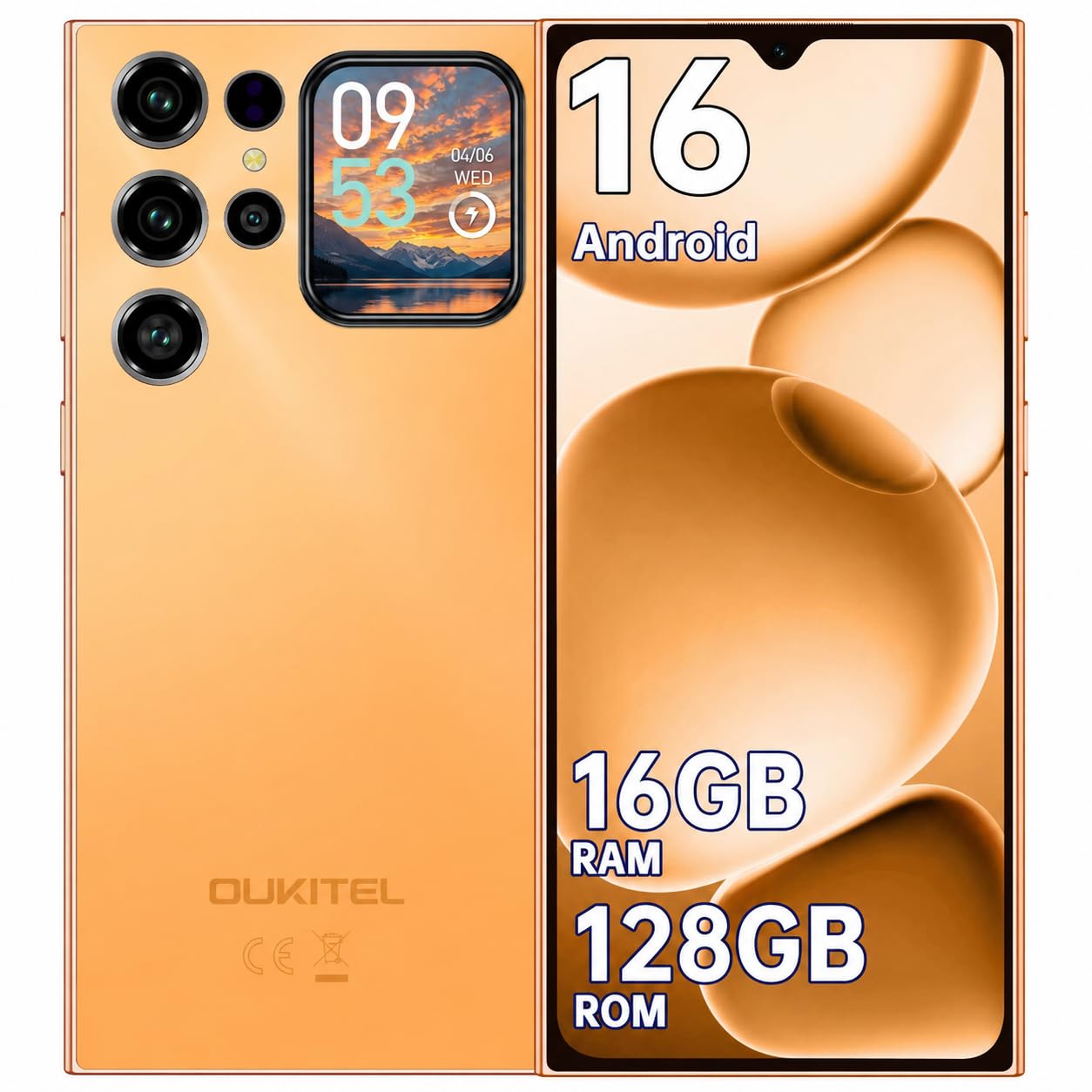

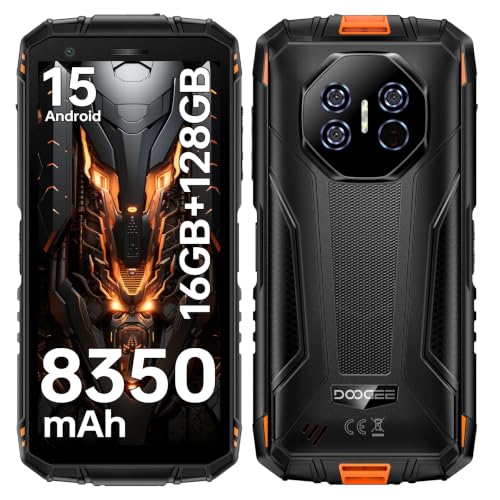
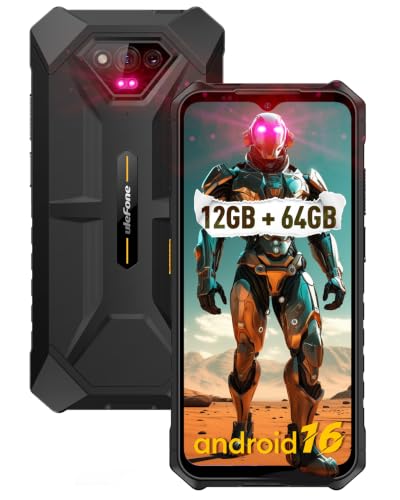
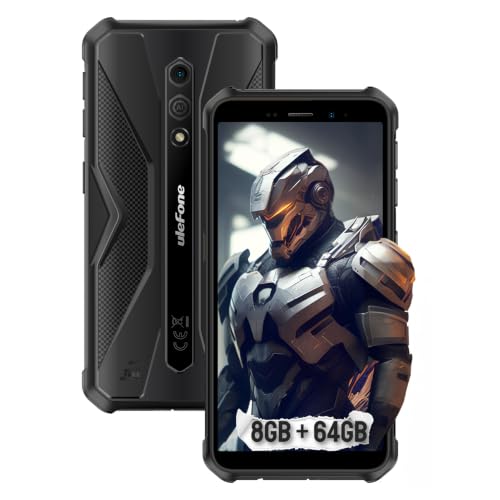
Start With How You Actually Use a Phone
Affordable Android phones split into classes that look similar on a shelf and behave differently in a pocket. The four patterns below cover most buyers at this budget. Judge each phone against your pattern first, and treat every other strength as a bonus rather than a reason to switch.
The Essentials User Who Needs the Basics Done Well
Your day runs on calls, messages, banking apps, maps and mail, and the phone earns its keep by never getting in the way. Judge this class on update support and battery life before anything else, because a phone that stops receiving security updates becomes a risk for banking, and a tired battery turns every outing into charger planning. Camera quality matters least here, since a basic camera handles receipts, documents and casual snapshots well enough. Prioritize a clear loud speaker for calls, a screen you can read outdoors, and storage that holds your apps without weekly cleanups. Readers tempted by faster hardware can compare the step up class in our guide to best performing android phones, though most essentials users never miss that speed.
The Camera First Buyer Working With a Budget
You photograph family, food, travel and pets, and you want the best pictures this price can honestly give. Set the expectation plainly at the start. Budget phone cameras are good in daylight, with pleasing color and enough detail for sharing and small prints, and they are weak at night, where noise, blur and slow focus show quickly. Megapixel counts are marketing first and information second, because sensor size, lens quality and processing decide far more than the headline number. Prioritize a main camera with optical stabilization if the band offers it, a night mode that merges several frames, and enough storage for video. An ultrawide lens adds fun at gatherings, while extra low resolution side cameras add little and should not sway you.
The Gamer on a Budget Who Plays Every Day
You play rounds daily and want smooth motion without paying flagship prices. Learn the thermal honesty of this class first. Maker performance figures describe short bursts, while real play asks for sustained output, and as a phone heats up it lowers performance to protect itself, so frame rates dip during long sessions. A phone that starts fast and fades after twenty minutes feels worse than a steadier phone with a lower peak. Prioritize a processor class known for steady output, a screen with a 90 hertz or 120 hertz refresh rate, and enough memory that games stay loaded when you switch apps. A case that traps heat works against you, and a small clip on fan or a cooler room genuinely helps during long play.
The Long Keeper Who Replaces a Phone Rarely
You keep a phone for four or five years and judge value across that whole span. Your deciding factor is the update lifespan, meaning the years of security and system updates the maker promises in writing for that exact class. A phone with four or five promised update years stays safe and compatible far longer than a slightly faster phone abandoned after two. Battery reality belongs in the same decision, because capacity fades with age, and a class with reasonably priced battery replacement and available parts ages more gracefully than a sealed bargain with no service path. Prioritize update years, a durable build, and storage headroom, since your photo library and apps only grow across that ownership.
What Changes in the Best Affordable Android Phones With New Models
Best New Affordable Android Phones: What to Prioritize
A new model in this band, typically about $180 to $350 at launch, earns attention for three reasons. It starts its update clock at zero, so the promised years run from your purchase rather than from an earlier release. It carries a fresh battery at full health, which matters more with every year you plan to keep it. And it supports current network bands and software features that older stock may lack. Weigh those gains against the discount on last season stock, because a previous model with a long remaining update promise can be the smarter buy. Newness alone is not a feature, so compare the update end dates rather than the launch dates.
Timing also shapes value in this band. Launch prices settle within a few months as retailers compete, so a patient buyer often pays less for the same class without giving up anything at all. The exception is clearance stock from a class whose update promise is nearly spent, where the low price hides a short remaining life. Compare the support end date and the battery condition alongside the price tag, and the better deal usually identifies itself without any guesswork.
The Features That Shape Daily Use
Four areas decide most of your daily experience at this price. Read them against your pattern, and use the product table to check which classes deliver the parts you cannot compromise on.
Keep the product class clear while you compare. A phone is a pocket device you carry and use on networks all day, while a tablet is a larger home screen with different duties, a distinction our guide to best affordable android tablets treats on its own terms. Storage, battery and update advice in this article applies to phones, so apply it to the device you will actually carry.
Size and weight deserve a check in the hand where possible, because a large phone that strains your grip will be dropped more often and enjoyed less. One hand use still matters for messages, transit taps and quick photos, and heavier glass models change how a phone rides in a pocket across a long day. If you cannot hold the class in a store, compare its listed weight and width against the phone you use now and judge the difference honestly before you commit.
Display Size and Quality in Real Light
Most phones in this band use screens about 6.4 to 6.8 inch, large enough for video and reading without turning the phone into a two hand tool for every task. An OLED panel gives deeper blacks and better contrast in dim rooms, while a good LCD stays bright and costs less. Refresh rate shapes how scrolling and games feel, with 90 hertz or 120 hertz visibly smoother than the basic 60 hertz class. Outdoor brightness matters more than any of these figures for maps and photos in sun, so favor classes known for strong peak brightness. A screen protector and a case with a raised edge protect this large surface far better than careful intentions do.
Storage Options and the Capacity You Really Get
Printed capacity flatters every phone, because system files and preloaded apps take a share before you add anything, often around 15 to 25 GB on a 128 GB model. Photos and video then fill the rest faster than most buyers expect, especially once a camera shoots in higher resolution modes. Treat 128 GB as the sensible floor for a keeper and 256 GB as the comfortable choice for camera first buyers and gamers with large game files. Card expansion still exists in parts of this class and varies widely, since some models accept a microSD card for media while others have dropped the slot entirely. Check the slot before you buy if your music or video library travels with you offline.
Carrier Compatibility, Unlocked Phones and Bands
A cheap phone locked to one network is a different purchase from an unlocked one, even when the hardware looks identical. The locked phone ties you to that carrier, often until the device is paid off or a waiting period passes, and it can complicate switching or selling later. The unlocked phone costs more upfront and gives you freedom to change plans, use a local SIM while traveling, and pass the phone to family on another network. Band support decides the rest, because a phone missing the bands your carrier relies on, or the bands used where you travel, will show weak coverage no matter how strong its other features look. Confirm the model variant sold in your region lists your carrier bands for 5G and LTE before ordering.
What You Can Realistically Get on a Budget
Around $150 to $250 buys a dependable essentials phone with a large screen, a full day battery for light use and a basic camera that shines in daylight. About $250 to $400 adds stronger processors with steadier gaming output, better main cameras with stabilization, faster charging and longer update promises. What this band does not buy is flagship zoom, the best night photography, or premium build materials, and pretending otherwise leads to disappointment. Do not save money on the charger situation, the case, or update support, because those three shape ownership daily. Do save on extra low value camera lenses, decorative finishes, and storage you will never fill if your habits are light.
Buying Errors That Cost More Than They Save
Small mistakes at this price tend to surface within the first year. Check your shortlist against these five before you pay.
- Choosing by launch discount alone, then finding the update promise ends a year after you buy the phone.
- Trusting a megapixel headline, then discovering night photos blur because the lens and processing were the real limits.
- Buying a carrier locked phone for the lower price without planning to stay on that network for the full term.
- Picking 64 GB or a full 128 GB class with no card slot, then deleting photos and apps every month to make room.
- Skipping the case and screen protector to save a small sum, then paying far more for a cracked screen repair.
Habits That Keep a Budget Phone Feeling Fast
Fit a case and a screen protector on day one, because one drop onto pavement can cost more than the savings that made the phone attractive. Keep software updated as updates arrive, since they carry security fixes and often steadier performance and battery behavior. Avoid charging in extreme heat, such as on a sunny dashboard or under a pillow, because heat ages the battery faster than normal use does. Clear space before storage runs nearly full, as a phone with almost no free room slows down and handles updates poorly. Restart the phone every week or two, remove apps you no longer open, and keep your photos backed up so a loss or failure never becomes a lost library.
Android Phone Questions Answered
Should I buy an unlocked Android phone or a carrier locked one?
Buy unlocked if you can afford the higher upfront price, because the freedom usually pays for itself. You can switch carriers for a better plan, add a local SIM abroad, and sell or hand down the phone without restrictions. A locked phone makes sense only when you know you will stay with that carrier for the full term and the discount is large. Always confirm the unlock policy in writing before you rely on it later.
Do I need 5G on an affordable Android phone?
Most buyers benefit from 5G support, but it should not outrank updates, battery or storage. In many towns 5G adds speed where coverage is strong, while LTE still handles calls, maps, music and video without trouble. The stronger reason to choose a 5G model is time, since networks keep shifting capacity toward 5G bands. If you keep a phone for years, 5G support protects that plan better than a small saving on an LTE only model does.
How many years of updates should an affordable Android phone get?
Aim for at least four years of security updates, and treat the promise as a lifespan figure. Security updates keep banking, mail and sign in tools safe, while system updates add features and keep newer apps compatible. Makers publish different promises by class, so check the exact class rather than the brand reputation. A phone near the end of its promised window is a poor keeper buy, however low the price falls.
Is a mid range Android phone good enough for most people?
Yes, for most daily use a mid range phone is genuinely good enough. Calls, messages, maps, social apps, video and casual games all run well, and the screen and battery often match costlier classes for hours of use. The gaps appear at the edges, in night photography, heavy gaming over long sessions, and premium materials. If your pattern avoids those edges, the money saved stays in your pocket without a daily cost.
How much storage does an affordable Android phone need for photos?
Choose 128 GB as the floor and 256 GB if you shoot video often. Remember that system files reduce the space you can use, so a 128 GB phone may offer closer to 100 GB for your content. Shoppers hunting the best affordable android phones often overlook this gap and fill a small phone within a year. Cloud backup helps, but local room still decides how freely you can record on a trip without sorting files each night.
Final Thoughts
Fit beats features at this price. Decide your pattern, then let update years, battery and honest camera limits rank the shortlist, and use the product table to confirm storage and band support before you pay. Bought that way, the best affordable android phones stop being a gamble and become a simple match between your routine and a class built for it, with years of straightforward service ahead.


