
Best Animal Webcams: A Buyer Checklist for 2026
Disclosure: We may earn a commission when you buy through links on this page, at no extra cost to you. As an Amazon Associate I earn from qualifying purchases. Learn more

A checklist for the best animal webcams: field of view, night vision, placement, power, and price bands for watching nests, feeders, and pets.
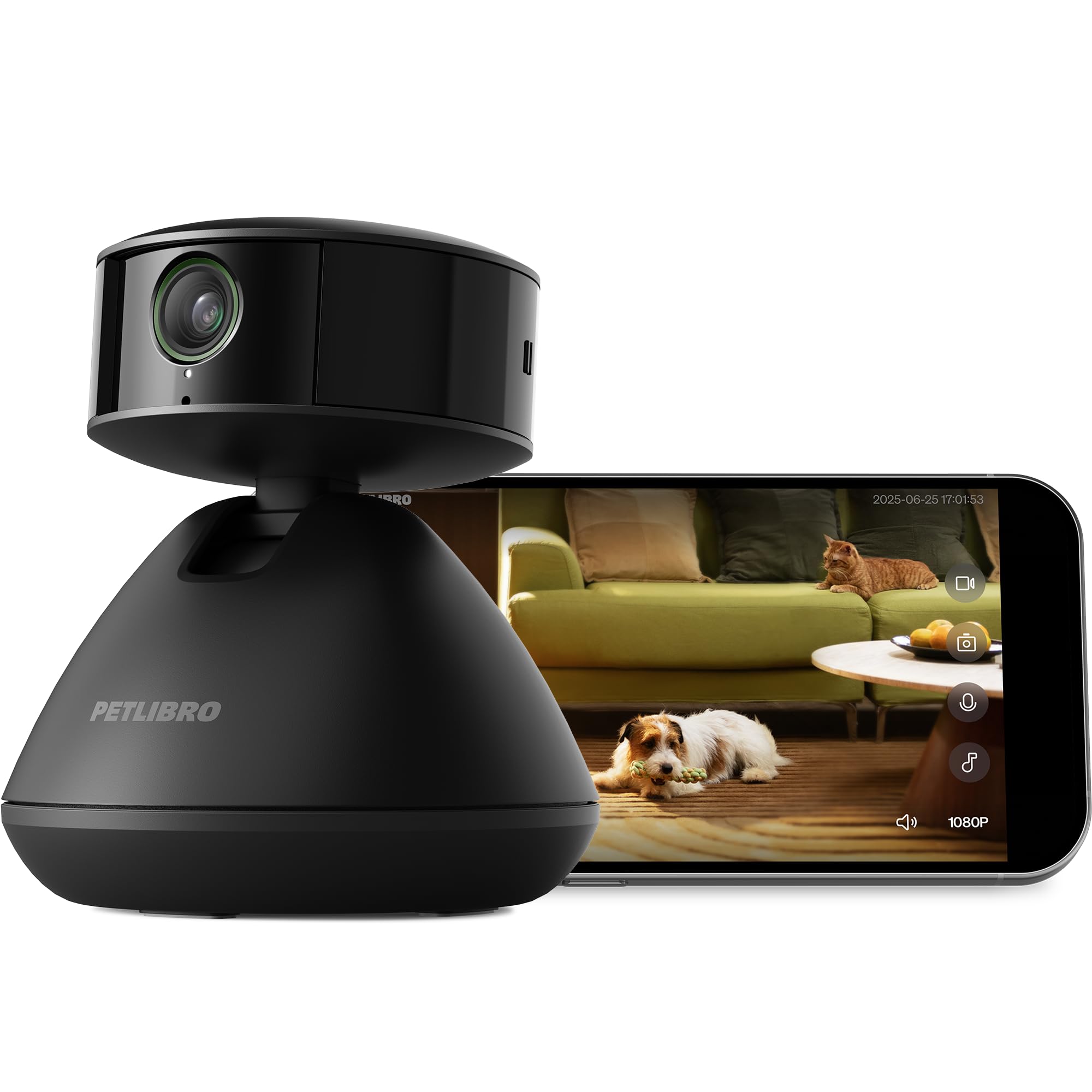
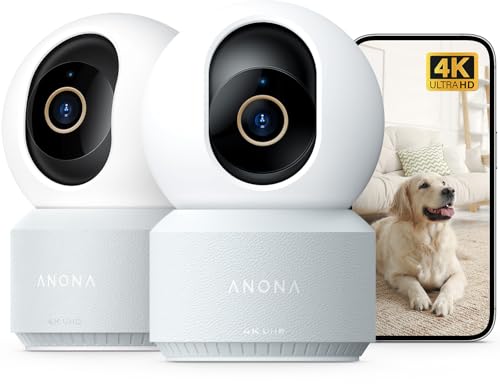
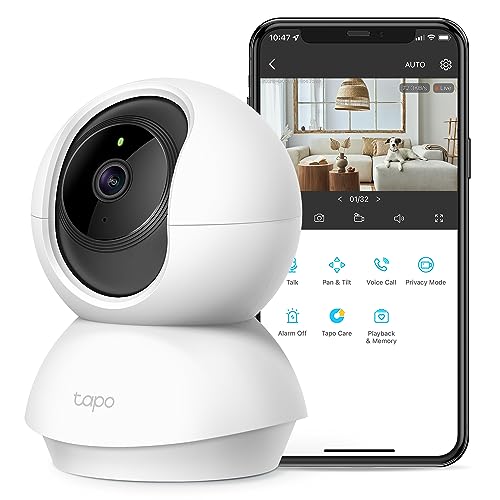
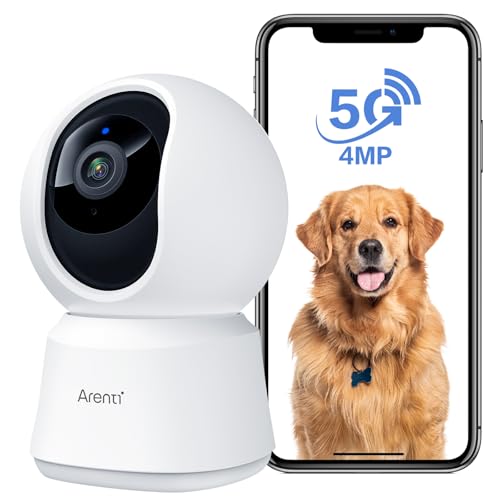
Watching a nest, a feeder, or a backyard trail on a live feed is only fun when the camera actually shows the animals clearly, day and night. The best animal webcams share a few traits: a field of view that fits the spot, honest night vision, and a mount that stays put outdoors or on a shelf. This checklist walks you through the traits that matter so you can match a camera to the animals you want to watch. The comparison table below lines up the main options side by side.
Start with the view, because no other feature can fix a frame that cuts off the action. Then check night performance, placement, and power before you look at price.
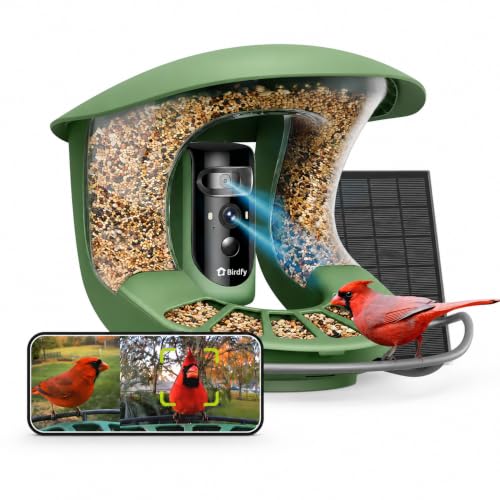
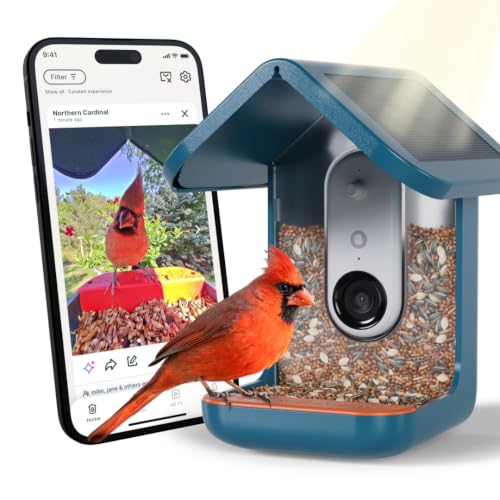

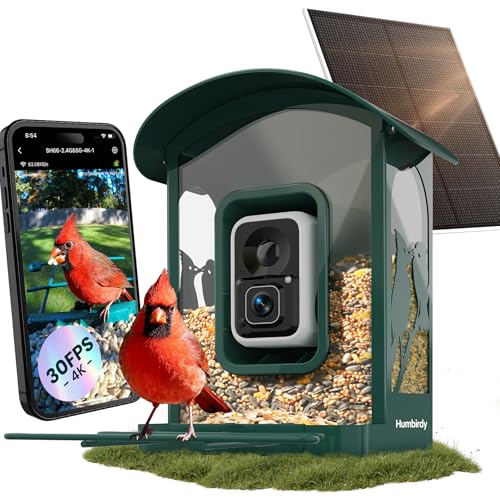
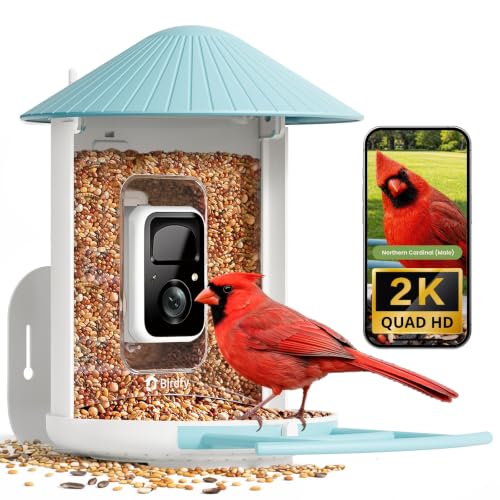

The Checklist: What to Check Before You Buy
Field of View Comes First
The field of view decides how much of a habitat fits in one frame, and it governs everything else on this checklist. A standard view of about 65 to 78 degrees suits a single feeder, a nest box entrance, or a pet bed, where the subject stays in one small area. A wide view of about 90 degrees or more covers a whole yard corner, a pond edge, or a barn stall, but animals at the edges look smaller and less detailed.
Pick the narrower view when you want to see faces and markings, and the wider view when you want to catch movement across a space. A camera you can tilt or pan from the app stretches a standard view further than a fixed wide lens does.
Resolution and Honest Detail
Resolution matters most when you zoom in on a small bird or a distant deer, so read the native figure rather than a boosted digital zoom claim. A 1080p feed is enough for most backyard and indoor watching, while higher resolution helps when the camera sits far from the action. Shoppers who want a second angle on the same habitat often compare the best live animal webcams to see which feeds stay public all day. Treat any camera that hides its native resolution behind vague wording as a warning sign.
Night Vision for After Dark Action
Many of the animals people love to watch are busiest at dawn, at dusk, or in full darkness, so the night mode deserves its own check. Infrared lights let the camera record in black and white once the light drops, and the stated infrared range tells you how far that night view reaches. A range of about 20 to 30 feet covers a feeder or a porch, while a longer range suits a field edge or a large enclosure. Look for a night mode that switches on by itself and does not flood the scene with a visible glow that could startle shy animals.
Placement and Power Options
Where the camera lives shapes which model you should buy, because a nest box, a tree, and a windowsill each ask for something different. Small cameras with a clip or a magnetic base suit shelves and branches, while a screw mount or a strap holds better on a post in the wind. Battery power frees you from outlets but needs a charging routine, and a small solar panel can stretch that routine for outdoor spots.
A wired camera never needs charging, yet the cable limits where it can go. Match the power plan to how often you can reach the camera without disturbing the animals.
Connectivity, Apps, and Recording
A steady WiFi signal at the camera spot matters more than any app feature, so check your signal strength where the camera will sit before you order. Most watchers view the feed in a phone app, and the better apps let you take snapshots, record short clips, and get a motion alert when an animal arrives. If you plan to share the feed with family or a classroom, the guide to the best webcam for streaming explains the upload basics in plain terms. Cloud plans cost extra each month, while a memory card keeps clips local at no ongoing cost.
Privacy, Weather Sealing, and Build
A camera pointed at wildlife still records your yard, so privacy controls belong on the checklist. A physical shutter or a lens cover gives you a certain off state when you work near the camera, and a status light you can switch off avoids drawing attention at night. Note that the best security webcams form a monitoring class built to guard property, which is a different job from a camera chosen to watch animals. Outdoor models need a sealed housing rated for rain, and a metal mount outlasts a thin plastic one through storm seasons.
What Your Budget Buys at Each Level
Simple indoor and feeder cameras cost about $25 to $60 and cover one small spot with a standard view and basic night vision. Midrange models at about $60 to $130 add a wider view, better night range, and pan or tilt control from the app. Higher end outdoor cameras at about $130 to $250 bring stronger weather sealing, longer battery life, and sharper detail at a distance.
Spending more mainly buys placement freedom and night reach, so pay for those only when your habitat needs them. The product table above shows how the current options split across these bands.
Quick Buyer Checklist
- Does the field of view fit the whole spot where your animals feed, nest, or pass through?
- Is the native resolution stated plainly, with no boosted zoom claim doing the talking?
- Does the infrared night range reach the far edge of the scene you want to watch?
- Can you mount the camera securely without tools that would disturb the habitat?
- Does your WiFi signal stay strong at the exact spot where the camera will sit?
- Do you have a power plan, either an outlet, a battery routine, or a solar panel?
- Can you close a shutter or cover the lens when you need the camera fully off?
Red Flags to Watch For
- A resolution claim with no native figure behind it, only a large digital zoom number.
- Night vision listed as a feature with no infrared range stated anywhere on the page.
- An outdoor claim with no weather sealing rating and no covered ports.
- A required cloud plan with no memory card option for local recording.
- A warranty shorter than one year on a camera meant to live outside.
Setup and Care Tips
Mount the camera, then check the live view on your phone before you tighten anything down, because a shift of a few inches can cut a feeder out of the frame. Wipe the lens with a soft cloth every few weeks, since dust and pollen soften the picture long before the camera wears out. Keep the firmware updated through the app so motion alerts and night switching keep working well.
If you want a second view of the same animals, compare mounts and angles in the guide to the best quality webcams before you buy a twin of the first camera.
Animal Webcams: Questions Answered
How far should an animal webcam sit from a bird feeder?
About 3 to 10 feet works well for a feeder, close enough for markings to show and far enough to keep the whole feeder in frame. A standard view at that distance fills the picture with the feeder and its visitors. Mount the camera a little above the feeder height and angle it down slightly. Birds settle faster when the camera goes up a day or two before you start watching closely.
Do animal webcams work through a window?
Yes, an indoor camera can watch a yard through glass in daylight, but the infrared night lights reflect off the pane and wash out the picture after dark. For night watching, place the camera outside or turn the infrared off and rely on a porch light. A suction mount on the inside of the glass keeps the camera steady. Clean both sides of the glass, since smudges show up clearly on a still morning feed.
Can one webcam cover a whole backyard?
One wide view camera can show the whole yard, but animals will look small and fine detail like markings will be hard to see. Most watchers get better results with one camera aimed at the busiest spot, such as a feeder, a water bowl, or a trail gap in a fence. A pan and tilt model covers more ground from one mount. Start with the busiest spot, then add a second camera only if you keep missing action elsewhere.
How long do batteries last in an outdoor animal webcam?
Battery life runs from a few weeks to a few months per charge, and busy scenes drain the battery faster because motion wakes the camera often. A quiet nest box camera lasts far longer than one aimed at a busy feeder. Cold weather shortens each charge, so expect the shortest runs in winter. A small solar panel matched to the camera can remove charging from your routine in a sunny spot.
Will a webcam scare the animals away?
Most animals ignore a small, quiet camera after a short settling period, especially when it has no bright visible light. Avoid models with a glowing status light you cannot switch off, and mount the camera before the season you care about, such as nesting time. Sudden movement near the camera spooks wildlife more than the camera itself. Give new setups a few days before you judge what the animals think of them.
Final Thoughts
Run the checklist in order: field of view first, then night vision, then placement and power. The best animal webcams for your home are the ones whose view fits your habitat and whose night range reaches the action. Compare the finalists in the product table above, pick the band that matches your spot, and enjoy the show.


