Best Adjustable Work Desks: Buying Guide for 2026
Disclosure: We may earn a commission when you buy through links on this page, at no extra cost to you. As an Amazon Associate I earn from qualifying purchases. Learn more

Compare the best adjustable work desks by height range, desktop size, motor type, and stability with this buying guide and simple sizing checklist.
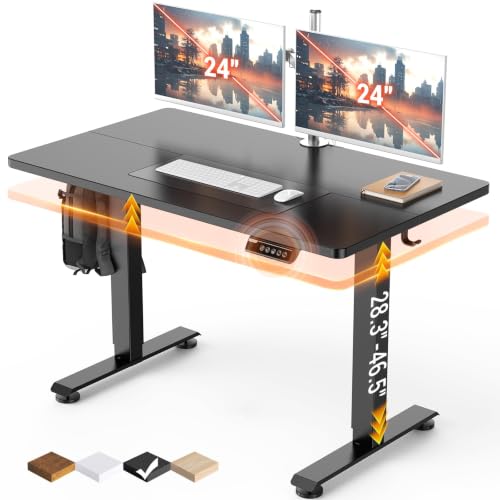
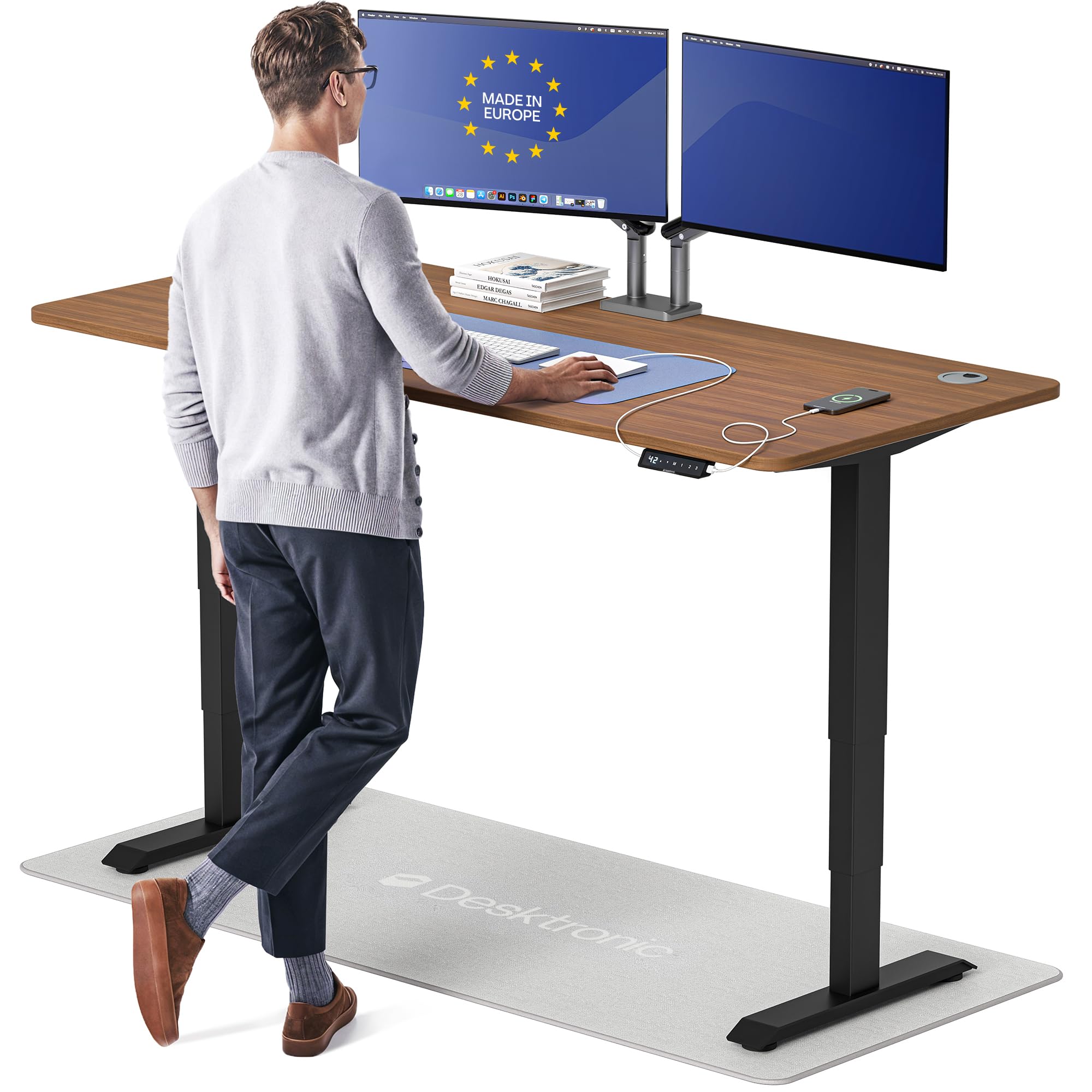
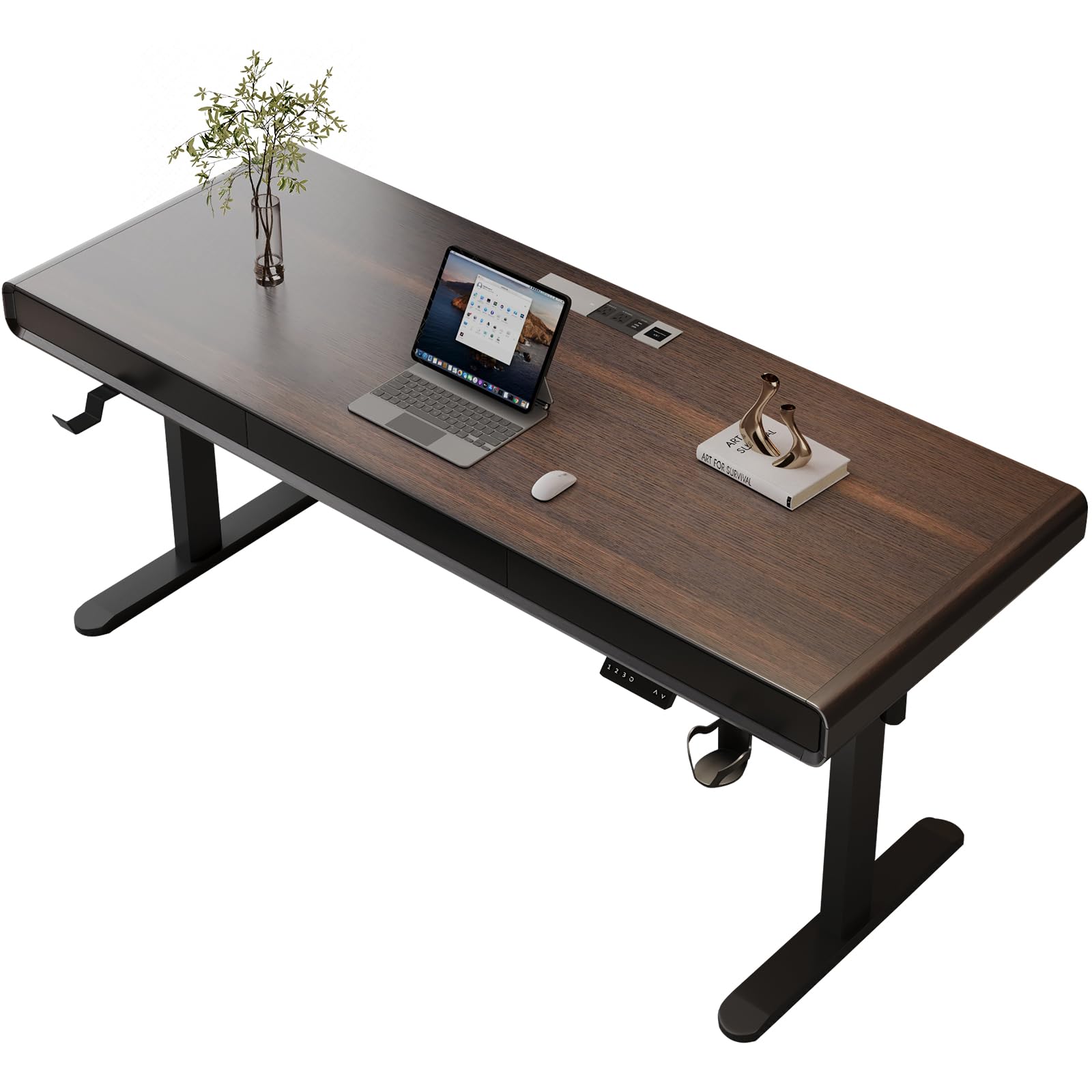
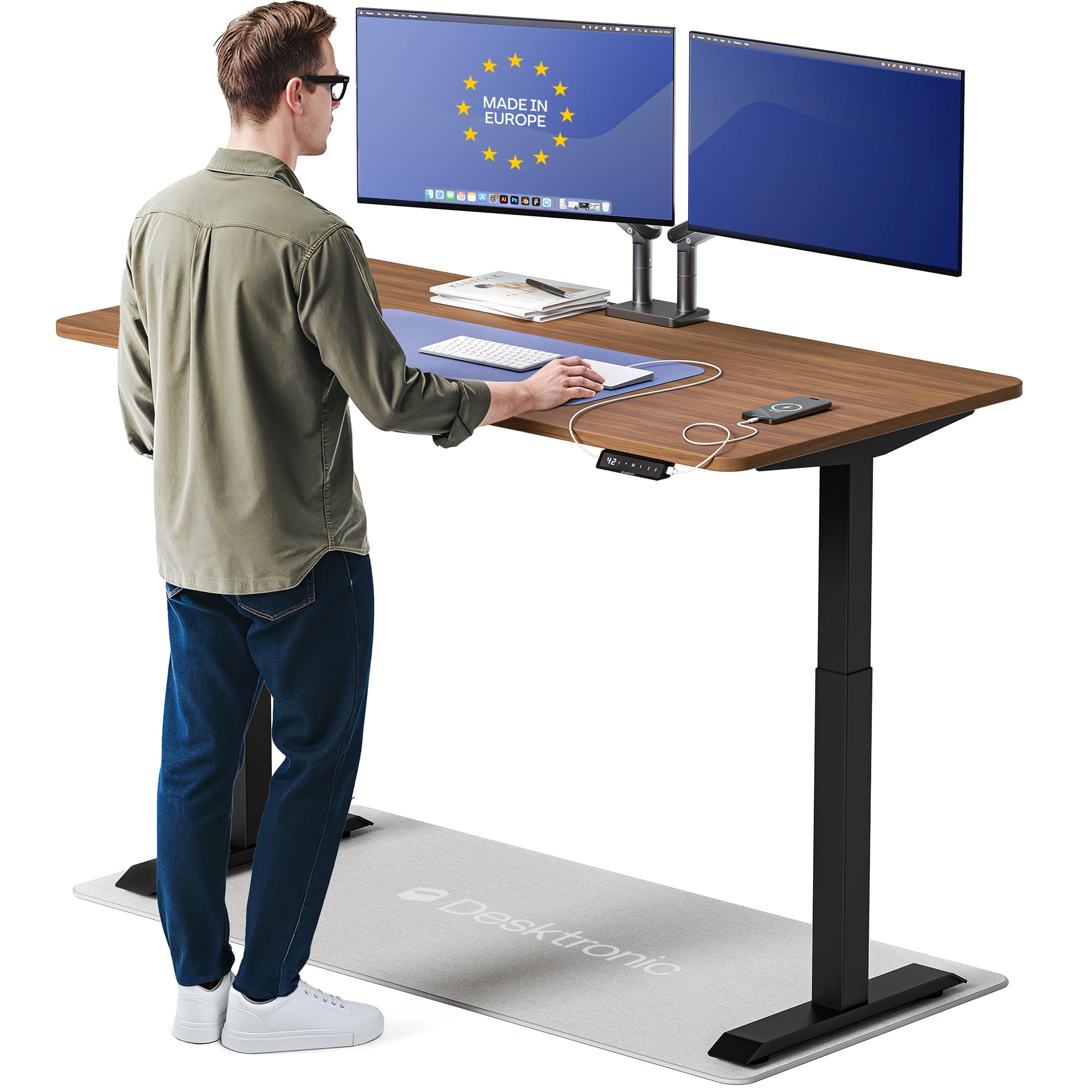
Working all day at a desk that sits at the wrong height shows up as sore shoulders, a stiff back, and wrists that ache by evening. A desk that adjusts lets you sit with your feet flat and your screen at eye level, then stand for part of the day. This guide to the best adjustable work desks covers height ranges, motors, desktop sizes, and stability, so you can buy once and set it up right. Begin with the comparison table below, then check the measurements that follow.


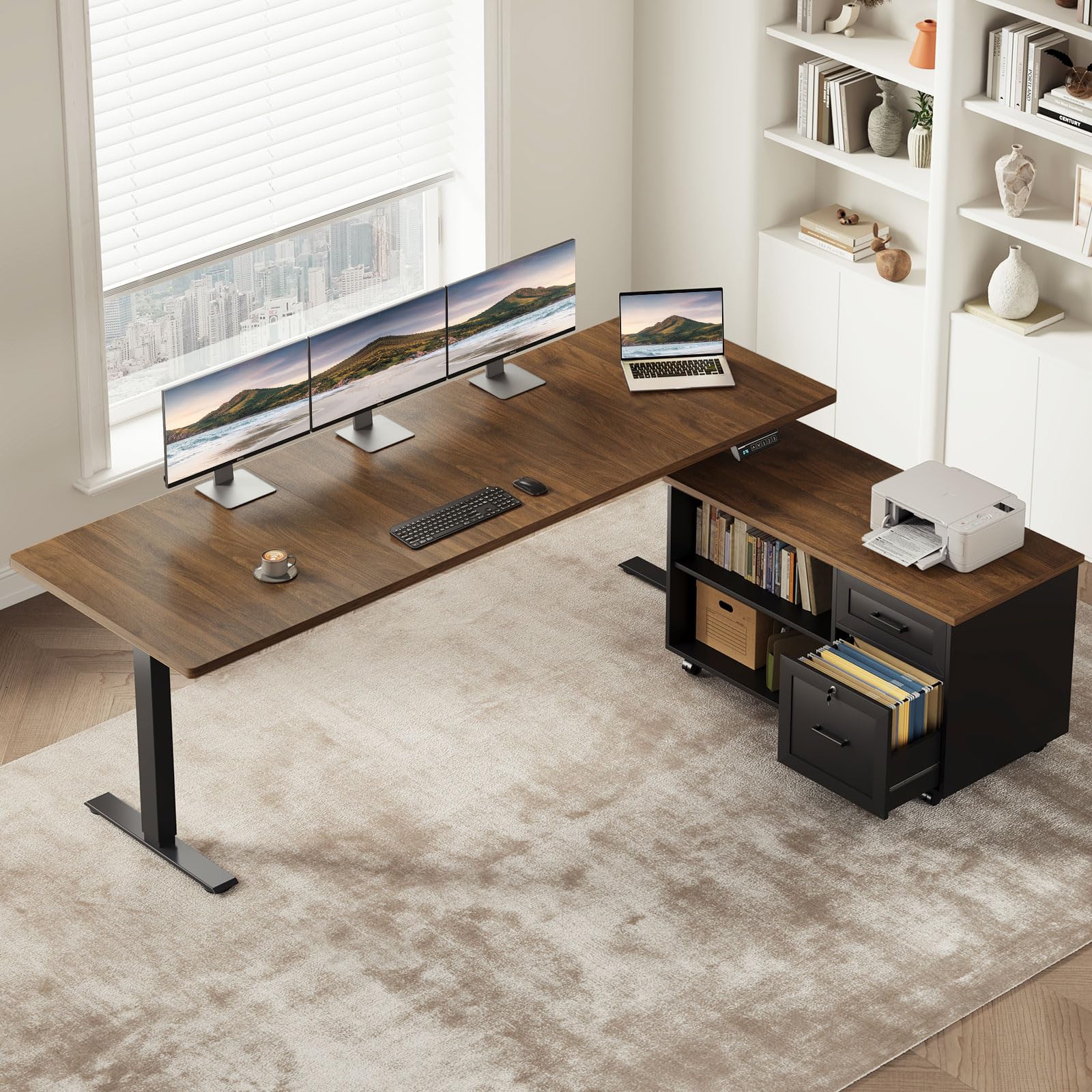

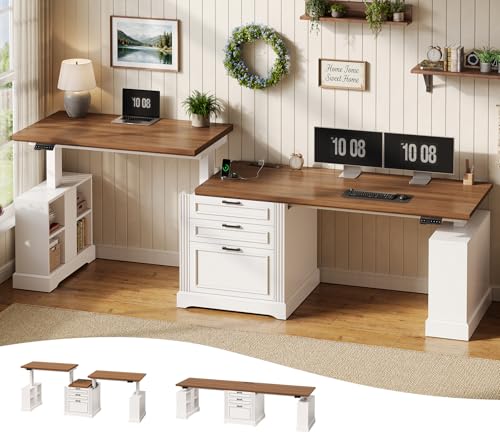

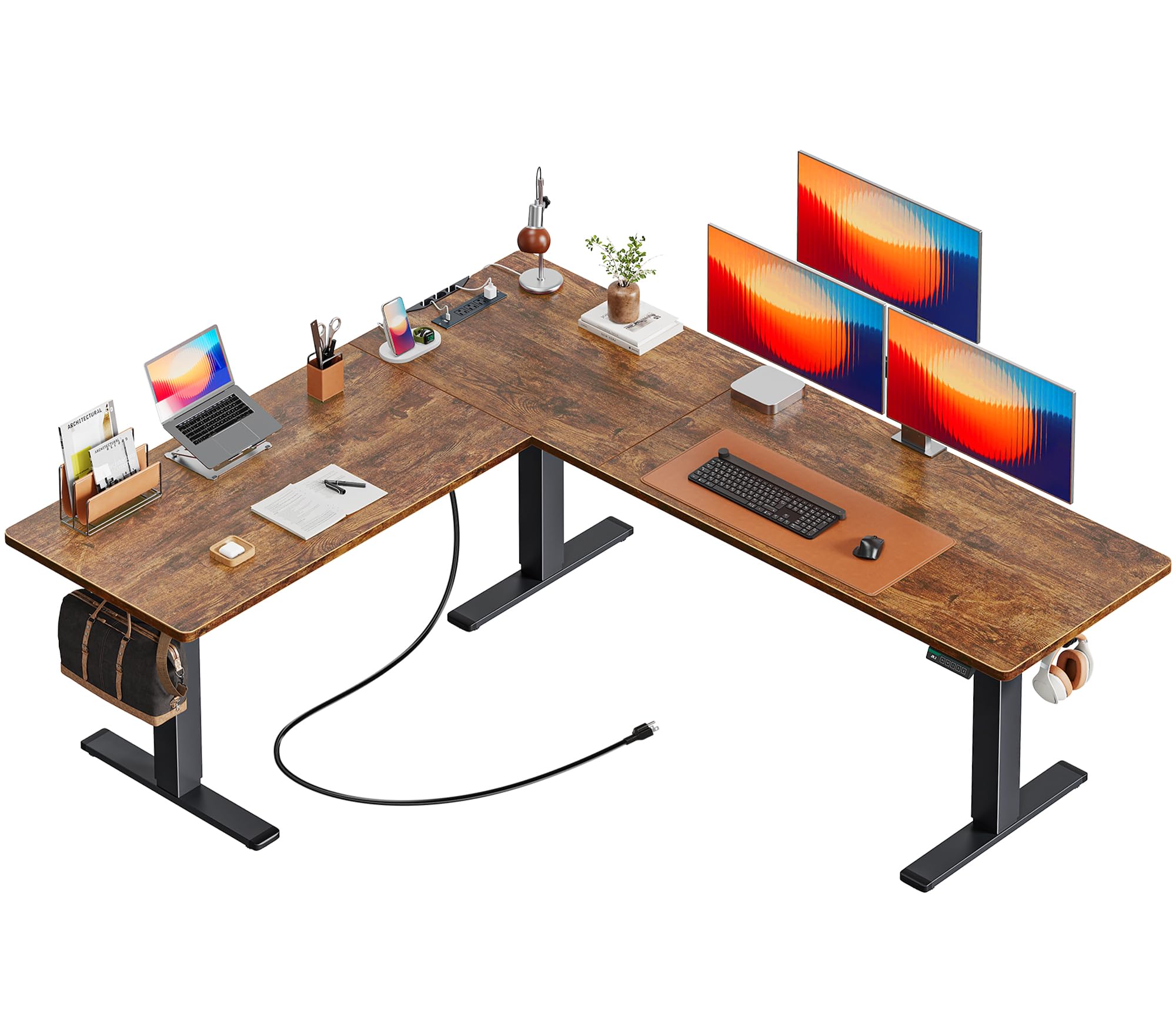
What Each Price Tier Usually Delivers
Desks in this category adjust by hand crank, by a single electric motor, or by dual motors. Here is what each spending level typically buys.
Balanced All Around Tier
Midrange desks, often about $350 to $650, usually pair dual motors with a height range of roughly 24 to 50 inches, which fits most adults sitting and standing. Expect a memory controller with three or four saved heights, a weight capacity around 250 to 350 lb, and a desktop about 55 to 63 inches wide. Wobble at full height stays modest. The limits are finish choices and extras: cable trays and premium tops cost more. For most home offices, this tier is the sensible default.
Value Tier
Budget desks, often under $350, use a single motor or a hand crank and a narrower height range, sometimes starting too high for shorter sitters. Capacity may sit near 150 to 200 lb, which is fine for a laptop and one monitor but tight for heavy multi monitor setups. Desktops tend to be smaller and thinner, and some arrive in two pieces with a seam down the middle. These desks still deliver the main benefit, moving between sitting and standing, as long as the lowest height suits your body.
Premium Tier
Premium desks, often about $650 to $1,200 or more, add faster and quieter dual motors, four leg frames for large tops, and real wood or thick laminate desktops up to 80 inches wide. Stability at standing height is the headline gain, along with longer warranties, sometimes ten years or more on the frame and motor. Extras can include collision sensors, app controls, and deep cable management. Buy this tier if you work at the desk all day, run several monitors, or simply want furniture that feels solid for a decade.
How to Choose the Best Adjustable Work Desks: Buying Guide
Ergonomics and Adjustability
The desk must fit your body in both positions. Sitting, your elbows should rest near 90 degrees with feet flat on the floor; standing, the same elbow angle should hold with the screen top near eye level. A height range of about 24 to 50 inches covers most adults, while shorter or taller users should check the exact ends of the range. Memory presets matter more than you expect: one tap moves the desk between your saved sitting and standing heights, so you actually use the feature. Pair the desk with a chair that adjusts too; our guide to the best adjustable desk chairs explains seat height, lumbar support, and armrest fit.
Style and Room Fit
Measure the wall space first, then pick a top that leaves room for your chair to roll and for doors to swing. Light tops make a small room feel open, while dark wood tones suit a formal office. Leg color matters less than leg placement: recessed legs give more knee room and space for a filing cabinet. If the desk will sit in a shared living area, a compact top and clean cable routing keep it from dominating the room. Our broader roundup of the best work desks shows how fixed and adjustable styles compare for different rooms.
Materials and Desktop Surfaces
Most desktops are laminate over particle board or MDF, which is light, affordable, and easy to clean, but edges can chip if you bang them daily. Solid wood tops feel warmer and can be refinished, at higher cost and weight. Bamboo is a middle path: hard, light, and fast growing. Thickness matters for monitor arms, because a clamp needs a solid edge of about an inch or more. Whatever the material, confirm the surface resists heat rings and wipes clean, since this desk will hold coffee cups for years.
Build Quality and Frame
A steel frame with wide feet is the base of a stable desk. Dual motor frames lift more weight and stay level, because each leg has its own motor; single motor frames use a drive shaft and can lag on one side under load. Look for a stated lifting speed, often around 1 to 1.5 inches per second, and a duty cycle note, since motors need rest after several minutes of continuous travel. Crossbars between the legs cut side to side sway. If you plan a heavy setup, match it against the guidance in our look at best adjustable standing desks for tall users.
Size, Dimensions, and Weight Capacity
Desktop width from 48 to 80 inches and depth from 24 to 30 inches covers most needs. A 24 inch depth works for a laptop and one screen; 30 inches gives room for a keyboard, notebook, and monitor at a healthy viewing distance. Add up the weight of your gear: monitors, arms, computer, speakers, and books, then leave at least 30 percent headroom under the stated capacity. Remember the desktop itself counts against capacity on many listings. Depth and width also decide whether the desk fits your room corner or must float in the middle.
Assembly and Delivery
Most adjustable desks arrive in two boxes, frame and top, weighing 60 to 120 lb in total. Assembly usually takes 30 to 90 minutes with the included tool, and the fiddly part is aligning the legs and routing the motor cables. Two people make the flip from upside down assembly to upright far safer. Check the delivery path for narrow doors and stairs before ordering an 80 inch top. Keep the boxes until the desk runs through its full height range without errors, in case you need a return.
Comfort and Daily Use Details
Small details decide whether the desk stays pleasant at hour six. A controller with a simple up and down paddle gets used more than a fussy touch panel. Rounded or beveled front edges spare your forearms during long typing sessions. An anti collision sensor that stops the desk when it meets a chair or shelf prevents crushed gear and pinched cables. If you stand for long stretches, budget for a cushioned standing mat; the high density foam eases foot and lower back fatigue in a way no desk feature can.
Types of Adjustable Work Desks
Compact and Space Saving Models
Compact models run 40 to 48 inches wide and suit bedrooms, studio apartments, and shared corners. Some use a single column leg or fold for storage. You give up elbow room and multi monitor space, but you gain a real sit stand setup where a full desk would never fit. These pair well with a laptop stand and an external keyboard.
Premium and Executive Models
Executive models use large tops, four legs, and furniture grade finishes, and they are built to anchor a full office. Capacity and stability are the best in the category, and warranties run longest here. Choose one if the desk is the centerpiece of a client facing office or carries a heavy workstation all day.
Budget Models
Budget models keep the essential height adjustment and trim motors, top size, and warranty. A hand crank version removes motor failure from the picture entirely and suits patient users. Verify the lowest height before buying, since that is where cheap frames most often cut corners, and a desk that cannot go low enough will strain your shoulders every day.
Ergonomic Models
Ergonomic models add features like curved or cutout front edges, very wide height ranges, and controllers that remind you to change position. Some include a sloped section for drawing or reading. If you have a history of neck or back pain, these details plus a properly fitted chair do more for you than raw size. Our guide to the best chairs for desk work covers the seating side of that pairing.
How to Make Your Adjustable Work Desk Last Longer
- Tighten bolts every few months: the leg and crossbar fasteners loosen as the desk travels, and a quick pass with the wrench stops wobble before it grows.
- Balance the load: center heavy gear over the legs instead of piling it on one end, so both motors share the work evenly.
- Manage cables with slack: leave a loop of cable that can stretch at full standing height, and use a tray so cords never pull tight or dangle into the leg path.
- Reset the controller when advised: if the desk stops or shows an error code, the manual reset, usually holding the down button, clears most faults in a minute.
- Keep liquids off the controller: a spill into the handset or control box is a common cause of dead desks, so park drinks on a side table or a coaster away from the edge.
Readers comparing desktop first designs may also want our notes on the best adjustable computer desks built around tower PCs and cable heavy setups.
Adjustable Work Desks: Your Questions Answered
Is an expensive adjustable work desk worth it?
It is worth it if you work full days at the desk and run heavy gear. Premium frames wobble less at standing height, lift more, and carry warranties two or three times longer than budget frames. If you work at home two days a week with a laptop, a midrange desk gives you nearly all of the health benefit for much less. The deciding factor is hours of daily use, not job title.
How long should a good adjustable work desk last?
A quality electric desk should last eight to twelve years in home office use. Motors are usually rated for thousands of cycles, far more than a few adjustments a day will use in a decade. The desktop surface often shows wear first, which is one reason replaceable tops are a plus. Keep the controller dry and the bolts tight, and the frame will likely outlast two or three computers.
What features matter most for long hours?
Height range and stability matter most, followed by memory presets that make position changes effortless. After that, look at desktop depth for a healthy screen distance and a beveled front edge for your forearms. If back or neck pain is part of your picture, treat the desk as one half of a system with your chair, and talk with a clinician or ergonomist about your personal setup if pain persists.
How do I choose the right size adjustable work desk?
Start with your gear: measure the total width of your screens and add room for speakers or a notebook. Then measure the room and leave about 3 feet behind the desk for your chair. Most single users land on a top of 55 to 63 inches by 30 inches. If two people will share the desk at different times, saved height presets for each person matter more than another few inches of width.
Our Verdict
Get the height range right for your body, choose dual motors if your setup is heavy, and size the top to your gear and room. With those three points settled, the best adjustable work desks narrow down quickly. Head back to the product table above, compare your two finalists on range and capacity, and order the one that fits your measurements.